
If your dog has been diagnosed with dental disease, you’re probably wondering how to manage it effectively over the long term. Dog dental disease chronic management isn’t just about treating the immediate problem—it’s about creating a sustainable plan that keeps your pup’s mouth healthy, reduces pain, and prevents serious complications down the road.
Table of Contents
- Understanding Canine Dental Disease and Why Chronic Management Matters
- The Role of Antibiotics in Dental Disease Chronic Management
- Anti-Inflammatory Medications for Comfort and Healing
- Antimicrobial Rinses and Topical Treatments
- Probiotics and Oral Health Supplements
- Pain Management: Making Your Dog Comfortable
- Professional Dental Cleanings: The Foundation of Chronic Management
- At-Home Care: The Daily Foundation
- Dietary Considerations for Dental Health
- Monitoring and Adjusting Your Management Plan
- When to Consider Extraction
- Frequently Asked Questions
- What To Do Now: Your Action Plan
- Summary: Managing Dental Disease for the Long Term
This article is for informational purposes only and is not a substitute for professional veterinary advice. Always consult a licensed veterinarian for diagnosis and treatment.
Dental disease in dogs is incredibly common, affecting roughly 80% of dogs over the age of three. The good news? With the right approach and consistent care, you can help your dog live comfortably and avoid the worst outcomes. Let’s walk through what chronic management looks like and the medications that can make a real difference.
Understanding Canine Dental Disease and Why Chronic Management Matters
Dental disease in dogs progresses in stages, from gingivitis (inflammation of the gums) to periodontitis (deeper infection affecting the bone). When caught early, you have more options. But if your dog already has advanced disease, chronic management becomes essential to prevent tooth loss, pain, and systemic infections.
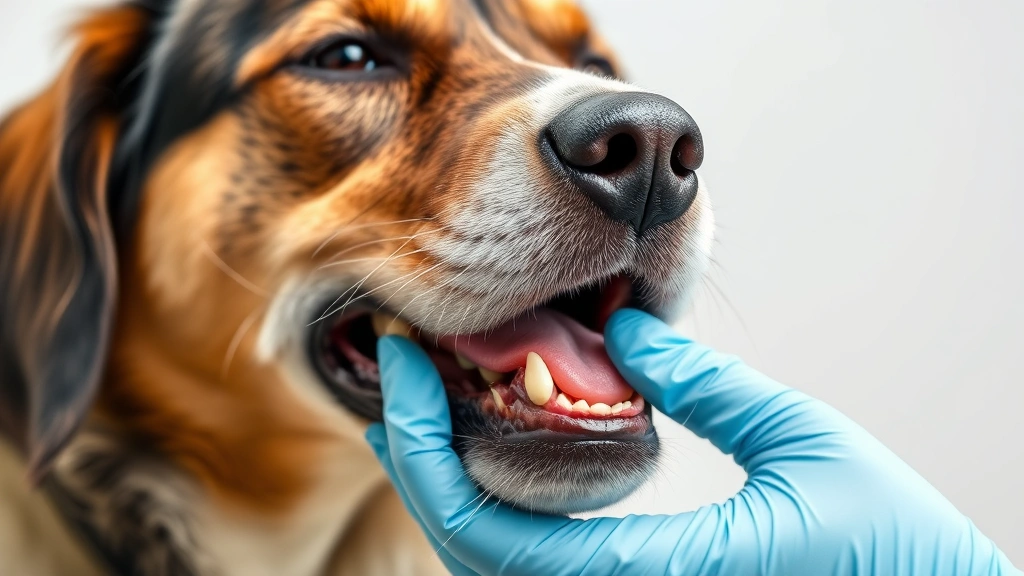
Without proper management, bacteria from the mouth can enter the bloodstream and affect the heart, kidneys, and liver. That’s why your vet isn’t just worried about your dog’s teeth—they’re thinking about overall health.
The Role of Antibiotics in Dental Disease Chronic Management
Antibiotics are often the first line of defense against bacterial infections in dental disease. They work by reducing the bacterial load in the mouth and preventing infection from spreading.
Common antibiotics your vet might recommend include amoxicillin, doxycycline, and clindamycin. Each has different strengths—some penetrate gum tissue better than others, and some work best against specific bacteria found in the mouth.

Your veterinarian will choose based on the severity of your dog’s condition and any previous antibiotic responses. Catching this early puts you in a great position to prevent more invasive treatments later.
Anti-Inflammatory Medications for Comfort and Healing
Inflammation is a huge part of dental disease. NSAIDs (nonsteroidal anti-inflammatory drugs) help reduce swelling, pain, and discomfort in the gums and surrounding tissues.
These medications don’t cure the underlying disease, but they make a tremendous difference in your dog’s quality of life. A dog in pain may stop eating, become withdrawn, or develop behavioral changes. Pain relief allows your pup to eat normally and stay engaged with family life.

Your vet will monitor liver and kidney function while your dog is on these medications, as long-term use requires careful oversight.
Antimicrobial Rinses and Topical Treatments
Beyond oral medications, topical treatments play a crucial role in chronic management. Antimicrobial rinses and gels can be applied directly to affected areas to reduce bacterial growth and promote healing.
Chlorhexidine rinses are particularly popular because they’re effective against a broad spectrum of oral bacteria. Some vets also recommend oral gels containing ingredients like zinc or honey, which have natural antimicrobial properties.

The advantage of topical treatments is that they work locally without systemic side effects, making them excellent for long-term use.
Probiotics and Oral Health Supplements
Emerging research suggests that probiotics designed for oral health may help balance the bacterial ecosystem in your dog’s mouth. These beneficial bacteria can compete with harmful pathogens and reduce inflammation.
Additionally, supplements containing ingredients like omega-3 fatty acids, vitamin C, and coenzyme Q10 support gum health and may slow disease progression. While these aren’t replacements for professional treatment, they complement your chronic management plan beautifully.
Always discuss supplements with your vet, as some can interact with medications or underlying health conditions.
Pain Management: Making Your Dog Comfortable
Chronic dental disease causes ongoing discomfort. Beyond NSAIDs, your vet might recommend other pain management strategies tailored to your dog’s specific situation.
Some dogs benefit from gabapentin, which helps with neuropathic pain. Others may need stronger pain relief during acute flare-ups. The goal is to keep your dog comfortable while addressing the root cause.

Never assume your dog will “just deal with it.” Dogs can’t tell us they’re hurting, and untreated pain affects their entire well-being.
Professional Dental Cleanings: The Foundation of Chronic Management
While medications manage symptoms, professional dental cleanings under anesthesia are the gold standard for treating dental disease. These cleanings remove tartar and plaque below the gum line, where brushing can’t reach.
Your vet may recommend cleanings every 6–12 months, depending on your dog’s disease severity and response to treatment. Yes, anesthesia carries some risk, but the risks of untreated dental disease are far greater.

Between cleanings, medications keep the disease under control and prevent rapid progression.
At-Home Care: The Daily Foundation
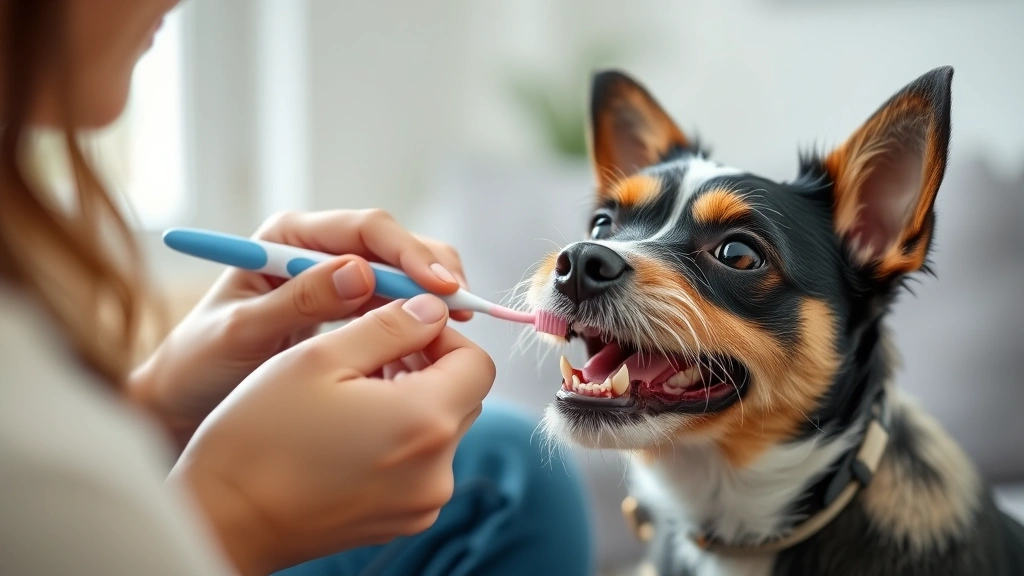
Chronic management isn’t just about what your vet does—it’s about what you do at home every single day. Brushing your dog’s teeth is the single most effective way to prevent and slow dental disease.
Here’s a practical routine:

- Brush your dog’s teeth 3–5 times per week (daily is ideal) with a dog-specific toothpaste.
- Use a soft-bristled toothbrush or finger brush to reach the gum line.
- Focus on the outer surfaces, where plaque accumulates most.
- Pair brushing with dental chews or toys approved by the Veterinary Oral Health Council.
- Consider dental water additives to reduce bacteria between brushings.
If your dog resists brushing, start slowly. Even 2–3 minutes of gentle brushing is better than nothing.
Dietary Considerations for Dental Health
What your dog eats directly impacts their dental health. Soft, wet foods are easier on inflamed gums, but they don’t help prevent plaque buildup like crunchy foods do.
The ideal approach is a balanced diet with some texture—kibble that requires chewing. Avoid sticky treats that cling to teeth and promote bacterial growth. Some prescription dental diets are formulated specifically to reduce plaque and tartar formation.
Your vet can recommend the best diet for your dog’s individual situation, especially if they have other health conditions.
Monitoring and Adjusting Your Management Plan
Chronic management requires ongoing attention. Schedule regular check-ups—typically every 6 months—so your vet can assess how well the current plan is working.
Signs that your plan needs adjustment include persistent bad breath, continued gum bleeding, reluctance to eat, or behavioral changes. Your vet might switch medications, increase cleaning frequency, or recommend additional treatments.

This isn’t a “set it and forget it” situation. The best chronic management plans evolve as your dog’s condition changes.
When to Consider Extraction
Sometimes, despite excellent chronic management, teeth become too damaged to save. Extraction might sound scary, but dogs adapt remarkably well to missing teeth and often feel better without painful, infected teeth.
Your vet will discuss extraction only when the tooth can’t be saved and is causing ongoing problems. It’s a compassionate choice, not a failure of management.

Frequently Asked Questions
How long can a dog live with dental disease?
Many dogs live normal lifespans with well-managed dental disease. The key is preventing systemic infection and keeping your dog comfortable through proper treatment and chronic management.
Can dental disease in dogs be cured?
Once the bone supporting teeth is damaged, it can’t be fully regenerated. However, progression can be stopped or significantly slowed with aggressive chronic management and professional care.
Is anesthesia safe for older dogs with dental disease?
Modern anesthesia is quite safe, even for senior dogs. Your vet will run pre-anesthetic bloodwork to assess kidney and liver function before any procedure.

What’s the difference between tartar and plaque?
Plaque is a sticky bacterial film that forms on teeth daily. Tartar is hardened plaque that can only be removed by professional cleaning—brushing alone won’t remove it.
Can I prevent dental disease completely?
Some dogs are genetically predisposed to dental disease, but consistent brushing, professional cleanings, and a healthy diet significantly reduce risk and severity.
What To Do Now: Your Action Plan
- Schedule a veterinary exam: If your dog hasn’t been evaluated recently, book an appointment to assess current dental health and discuss a personalized chronic management plan.
- Start a daily brushing routine: Begin with 2–3 minutes of gentle tooth brushing using dog-specific toothpaste. Build up gradually if your dog resists.
- Review your dog’s diet: Ask your vet whether your current food supports dental health or if a prescription dental diet would help.
- Discuss medication options: Work with your vet to identify which medications (antibiotics, anti-inflammatories, probiotics) are right for your dog’s specific condition.
- Get clarity on cleaning schedules: Ask your vet how often professional cleanings are needed and what to expect from the procedure.
If you’re unsure whether your pet needs urgent care or want a second opinion on your current management plan, a quick telehealth check-in can give you peace of mind—no appointment needed. Chat with a vet now to discuss your dog’s dental health.

Summary: Managing Dental Disease for the Long Term
Dog dental disease chronic management is a partnership between you and your veterinarian. It combines professional treatments (cleanings, medications, extractions when needed) with consistent home care (brushing, diet, supplements).
The medications we’ve discussed—antibiotics, anti-inflammatories, antimicrobial rinses, and probiotics—each play a specific role in controlling infection, reducing pain, and promoting healing. But they work best alongside daily brushing, professional cleanings, and dietary choices.
The most important thing to remember is that dental disease doesn’t have to rob your dog of quality of life. With the right approach, your pup can eat comfortably, play freely, and enjoy their senior years without constant pain or infection.

Start where you are. If brushing feels overwhelming, begin with just a few teeth. If medications seem complicated, your vet can simplify the routine. Small, consistent steps add up to real, lasting results.
Your dog is counting on you, and you’re already doing great by seeking information and taking this seriously. Let’s get them on the path to better oral health.
For more detailed information on treatment options, check out our guide on dog dental disease treatment options. If you’re interested in natural approaches, we also have resources on dog dental disease natural remedies. And for specific medication guidance, our medication dosage guide provides helpful context. Additionally, dental water additives for pets can be a helpful supplementary tool in your chronic management routine.
This article is for general education and is not a substitute for care from your own veterinarian. Learn about The Pet Vet and our editorial policy.