
If you’ve ever noticed your dog’s breath smelling like a garbage disposal or spotted yellow buildup on their teeth, you’re not alone—and you’re right to be concerned. Dog dental disease prevention tips are something every responsible pet owner should know, because dental problems in dogs are far more common than most people realize. In fact, by age three, most dogs show some signs of dental disease. The good news? You have real power to prevent it.
Table of Contents
- Why Dog Dental Disease Prevention Tips Matter More Than You Think
- Method 1: Daily Tooth Brushing—The Gold Standard
- Method 2: Choose Dental-Friendly Dog Foods and Treats
- Method 3: Regular Professional Dental Cleanings
- Method 4: Water Additives and Oral Rinses
- Method 5: Know the Early Warning Signs
- Method 6: Establish a Consistent Dental Care Routine
- Method 7: Consider Your Dog’s Individual Risk Factors
- What About Dogs with Existing Dental Disease?
- Frequently Asked Questions
- What To Do Now
- The Bottom Line: Prevention Is Powerful
This article is for informational purposes only and is not a substitute for professional veterinary advice. Always consult a licensed veterinarian for diagnosis and treatment.
Dental disease doesn’t just affect your dog’s teeth and gums—it can lead to serious infections, pain, and even damage to vital organs if left unchecked. But here’s the encouraging part: with the right approach, you can catch problems early and keep your dog’s mouth healthy for life. Let’s dive into the practical, science-backed strategies that actually work.
Why Dog Dental Disease Prevention Tips Matter More Than You Think
Your dog’s mouth is a window into their overall health. When bacteria build up on teeth and under the gum line, they don’t stay confined to the mouth—they can enter the bloodstream and affect the heart, kidneys, and liver. This is why dental disease is one of the most underestimated health risks in dogs.
Many pet owners assume bad breath is just “dog breath” and leave it at that. But persistent bad breath is actually a red flag that something needs attention. The earlier you start thinking about dog dental disease prevention tips, the easier it is to avoid costly extractions, infections, and pain for your best friend.
Method 1: Daily Tooth Brushing—The Gold Standard
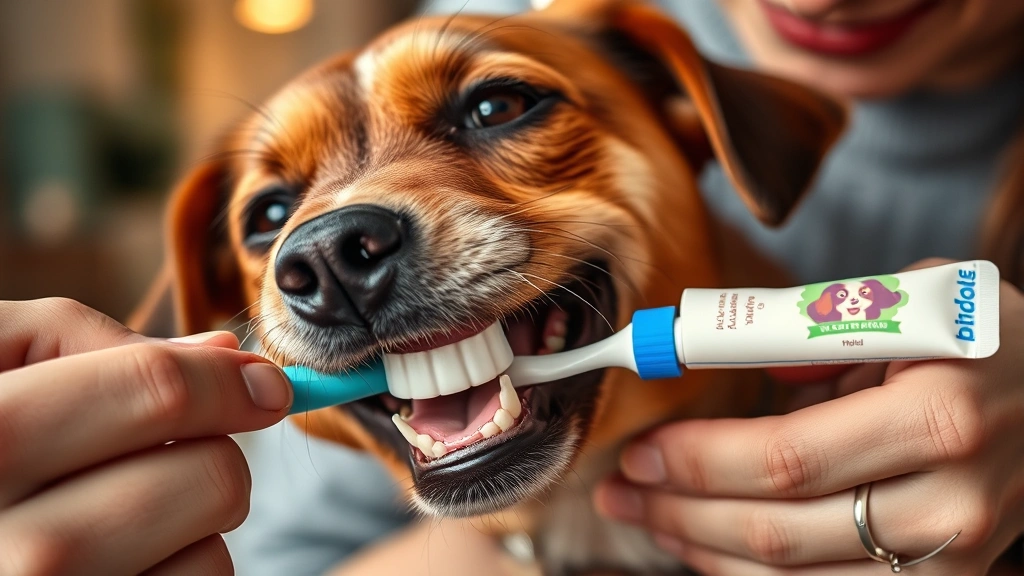
If you could do just one thing to prevent dental disease, this would be it. Brushing your dog’s teeth daily removes plaque before it hardens into tartar, which can only be removed professionally.
Here’s how to make it work:
- Use a soft-bristled toothbrush and dog-specific toothpaste (human toothpaste contains fluoride that’s unsafe for dogs).
- Aim for the gum line, where plaque accumulates most.
- Start with just a few seconds if your dog is new to brushing, then gradually increase.
- Make it positive—brush after playtime or pair it with a treat reward.
Even three to four times per week makes a measurable difference if daily brushing feels impossible. Consistency matters more than perfection.
Method 2: Choose Dental-Friendly Dog Foods and Treats
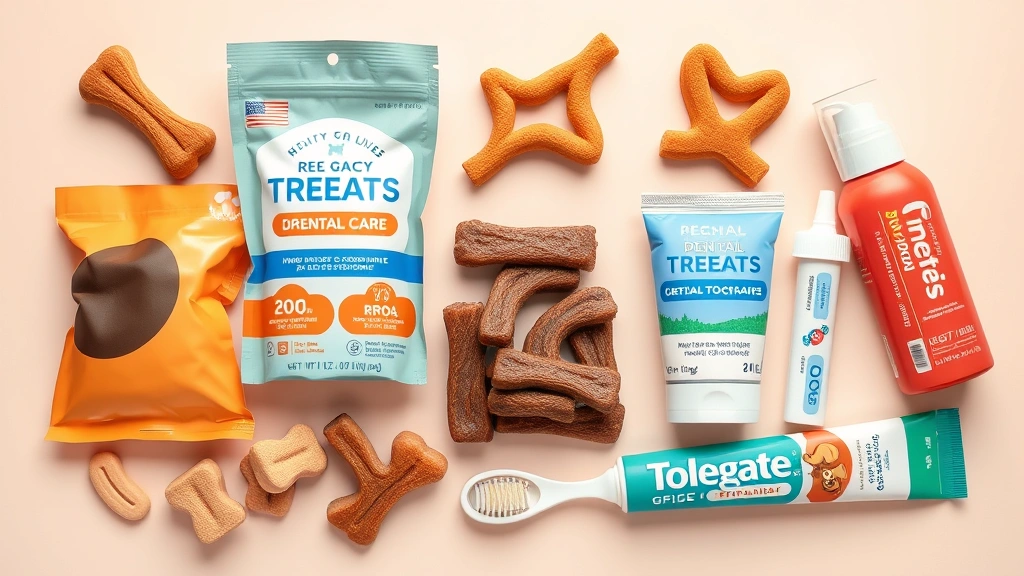
What your dog eats directly impacts their oral health. Dry kibble creates more friction against teeth than wet food, which can help reduce plaque buildup. Some premium kibbles are specifically formulated to support dental health through texture and ingredient selection.
Look for dental treats approved by the Veterinary Oral Health Council (VOHC), which have been tested and proven to reduce plaque and tartar. Carrots and apples (in moderation) are natural, crunchy options that many dogs enjoy.
Avoid sticky treats that cling to teeth and sugary human foods, which feed the bacteria in your dog’s mouth.
Method 3: Regular Professional Dental Cleanings
Even with perfect home care, your dog needs professional cleanings. A veterinarian can remove tartar buildup below the gum line and spot early signs of disease that you might miss.
Most dogs benefit from a professional cleaning every one to two years, though some may need them more frequently. Your vet will assess your individual dog’s needs during their annual exam. If you’re ever unsure about whether your dog needs a cleaning, talk to a vet now for a quick assessment.
Catching dental disease early puts you in a great position to avoid serious complications down the road.
Method 4: Water Additives and Oral Rinses
Dental water additives are an easy, passive way to support your dog’s oral health. You simply add them to your dog’s drinking water, and they help reduce bacteria in the mouth and freshen breath.
While water additives shouldn’t replace brushing, they’re a helpful supplement—especially for dogs who resist tooth brushing. Look for products with proven ingredients like glucose oxidase or chlorhexidine, and always check with your vet before introducing anything new.
Method 5: Know the Early Warning Signs
Prevention also means catching problems early. Watch for these red flags:
- Persistent bad breath (beyond typical “dog breath”)
- Red, swollen, or bleeding gums
- Visible tartar or discoloration on teeth
- Excessive drooling or difficulty eating
- Loose or missing teeth
- Behavioral changes like reluctance to chew or play with toys
If you notice any of these signs, schedule a vet visit soon. Early intervention can prevent progression to more serious stages of dental disease. Catching this early puts you in a great position to help your dog avoid pain and infection.
Method 6: Establish a Consistent Dental Care Routine
The best dog dental disease prevention tips are the ones you actually stick with. Building a routine makes oral care automatic rather than something you have to remember.
Try this approach:
- Pick a specific time each day (morning, evening, or after meals) for tooth brushing.
- Keep your supplies in the same place so they’re always accessible.
- Mark your calendar with your dog’s annual cleaning appointment.
- Schedule a quick check-in with your vet if you notice changes in your dog’s breath or eating habits.
Routine takes the guesswork out of care and helps you stay on top of your dog’s dental health.
Method 7: Consider Your Dog’s Individual Risk Factors
Some dogs are more prone to dental disease than others. Small breeds, senior dogs, and those with certain genetic predispositions are at higher risk. If your dog falls into a high-risk category, you may need to be extra proactive with preventive care.
Discuss your dog’s specific risk profile with your vet. They can recommend a tailored prevention plan that fits your dog’s age, breed, and health status. Ask a puppy vet online if you have a young dog and want to start the right dental habits early.
What About Dogs with Existing Dental Disease?
If your dog already has signs of dental disease, don’t panic. Your vet can create a treatment plan that may include professional cleaning, antibiotics if infection is present, or extraction of severely damaged teeth. Many dogs live happily with fewer teeth—what matters is stopping the progression and preventing pain.
Once treatment is complete, shift into prevention mode using the tips above to protect your dog’s remaining teeth.
Frequently Asked Questions
Can dental disease in dogs be reversed?
Early-stage gum disease can improve with aggressive home care and professional cleaning, but advanced disease and bone loss cannot be reversed. This is why prevention is so important.
Is anesthesia safe for dental cleanings in older dogs?
Modern anesthesia protocols are very safe, even for senior dogs. Your vet will run pre-operative bloodwork to assess your dog’s health before any procedure.
How much does a professional dog dental cleaning cost?
Costs vary by location and severity, but typically range from $300 to $800. Prevention through home care is much more affordable than treating advanced disease.
What’s the best toothpaste for dogs with sensitive teeth?
Ask your vet for a recommendation based on your dog’s specific needs. Enzymatic toothpastes are often gentler and work well for sensitive mouths.
Can I use human toothpaste on my dog?
No—human toothpaste contains fluoride and xylitol, both of which are harmful to dogs. Always use a dog-specific formula.
What To Do Now
Ready to take action on dog dental disease prevention tips? Here’s your roadmap:
- Schedule a dental checkup: Call your vet or talk to a vet now to assess your dog’s current dental health and discuss a prevention plan tailored to your pup.
- Get the right supplies: Pick up a dog-specific toothbrush and toothpaste this week, and set a daily brushing time that fits your routine.
- Evaluate your dog’s diet: Switch to dental-friendly kibble or add VOHC-approved treats if your vet recommends it.
- Watch for warning signs: Start paying attention to your dog’s breath, gum color, and eating habits—these are your early warning system.
- Mark your calendar: Schedule your dog’s next professional cleaning appointment and set a reminder to check in with your vet annually.
The Bottom Line: Prevention Is Powerful
Dog dental disease prevention tips aren’t complicated, but they do require consistency and commitment. The good news is that the effort you put in now—whether it’s daily brushing, choosing the right food, or staying on top of professional cleanings—pays dividends in your dog’s health, comfort, and quality of life.
Your dog can’t tell you when their teeth hurt, so they rely on you to notice changes and take action. By implementing these proven prevention strategies, you’re giving your furry friend the gift of a healthy mouth and a longer, happier life together.
If you have questions about whether your dog needs dental care or want personalized guidance, remember that professional veterinary advice is just a click away. Your dog’s smile is worth the effort.
This article is for general education and is not a substitute for care from your own veterinarian. Learn about The Pet Vet and our editorial policy.