
If your dog has been scratching at their ears more than usual, shaking their head constantly, or you’ve noticed a foul smell coming from inside their ear canal, you’re likely dealing with dog ear infection causes that need immediate attention. Ear infections are one of the most common reasons pet owners rush to the vet, and understanding what triggers them is the first step toward keeping your furry friend comfortable and healthy.
Table of Contents
- What Causes Dog Ear Infections?
- Moisture and Humidity: The Hidden Culprit
- Allergies as a Root Cause of Ear Infections
- Parasites: Tiny Invaders Causing Big Problems
- Bacterial Infections: When Bacteria Takes Hold
- Yeast Overgrowth: The Fungal Threat
- Excessive Ear Wax and Debris Buildup
- Foreign Objects and Injury
- Solution 1: Establish a Regular Ear Cleaning Routine
- Solution 2: Address Underlying Allergies
- Solution 3: Maintain Proper Ear Drying After Water Exposure
- Solution 4: Implement Parasite Prevention
- Solution 5: Use Veterinary-Approved Ear Medications
- Solution 6: Manage Humidity and Environmental Factors
- Solution 7: Schedule Regular Veterinary Check-ups
- Recognizing the Signs: When to Seek Help
- The Role of Breed and Anatomy
- When to Consider Telehealth Support
- Frequently Asked Questions
- Summary: Taking Control of Your Dog’s Ear Health
- What to Do Now
This article is for informational purposes only and is not a substitute for professional veterinary advice. Always consult a licensed veterinarian for diagnosis and treatment.
The good news? Most ear infections are highly treatable when caught early, and many are completely preventable with the right knowledge and care routine. Let’s explore the root causes behind these uncomfortable infections and discover practical solutions that actually work.
What Causes Dog Ear Infections?
Dog ear infection causes vary widely, but they typically fall into three main categories: bacterial, yeast, or parasitic infections. Your dog’s ear canal is warm, moist, and often dark—basically a perfect breeding ground for unwanted microorganisms. Understanding which type of infection your pup has is crucial because treatment approaches differ significantly.
The ear canal’s L-shaped structure in dogs makes it particularly vulnerable to trapping moisture, debris, and allergens. This anatomical feature, while protective in some ways, creates an environment where infections can flourish if conditions aren’t just right.
Moisture and Humidity: The Hidden Culprit
One of the most overlooked dog ear infection causes is excess moisture trapped inside the ear canal. Dogs who swim frequently, bathe regularly, or live in humid climates are at higher risk. After swimming or bathing, water can become trapped in the ear, creating the ideal environment for bacteria and yeast to multiply.
This is especially true for dogs with floppy ears—breeds like Cocker Spaniels, Basset Hounds, and Poodles naturally have less air circulation in their ear canals. Even a single bath without proper drying can set the stage for infection.
What to do: Always dry your dog’s ears thoroughly after water exposure using a clean, soft cloth. Some vets recommend using a veterinary ear drying solution for dogs prone to infections.
Allergies as a Root Cause of Ear Infections
Allergies are among the most common dog ear infection causes, accounting for a significant portion of chronic ear problems. When your dog has food allergies or environmental sensitivities, inflammation in the ear canal increases, making it more susceptible to secondary bacterial or yeast infections.
Your dog may be experiencing itching and inflammation from dog skin allergies, which directly affects the ears. The itching causes your pup to scratch more, introducing bacteria and creating tiny wounds that become infected.
Common allergens include:
- Chicken, beef, or wheat in their diet
- Dust mites and pollen
- Mold spores
- Grass and plant materials
If your dog has recurring ear infections, allergies might be the underlying culprit worth investigating with your vet.
Parasites: Tiny Invaders Causing Big Problems
Ear mites are a parasitic cause of infections that’s more common than many pet owners realize. These microscopic creatures live in the ear canal and cause intense itching, dark waxy discharge, and secondary infections. Young puppies and rescue dogs are particularly vulnerable to mite infestations.
Beyond ear mites, other parasites like fleas can contribute to ear problems through allergic reactions and skin irritation. If you’re concerned about dog parasites in young pets, ear health should be part of your preventative care discussion.
Catching parasitic infections early puts you in a great position to help your dog feel better quickly.
Bacterial Infections: When Bacteria Takes Hold
Bacterial infections are among the most common dog ear infection causes, often developing as a secondary infection after other problems weaken the ear’s natural defenses. Staphylococcus and Pseudomonas bacteria are frequent culprits, thriving in warm, moist environments.
You might notice yellow or greenish discharge, a strong odor, or swelling in the ear canal. Bacterial infections can progress quickly, so prompt veterinary attention is important. Your vet may perform an ear cytology (a simple swab test) to identify the specific bacteria involved.
Yeast Overgrowth: The Fungal Threat
Yeast infections, typically caused by Malassezia species, are another leading dog ear infection causes. Unlike bacterial infections, yeast thrives in oily, moist environments and often accompanies allergies or immune system imbalances.
Yeast-related ear infections often produce a distinctive sweet or musty odor and brown, waxy discharge. Dogs with yeast infections typically scratch intensely, and the problem can become chronic without addressing the underlying cause—usually allergies or moisture issues.
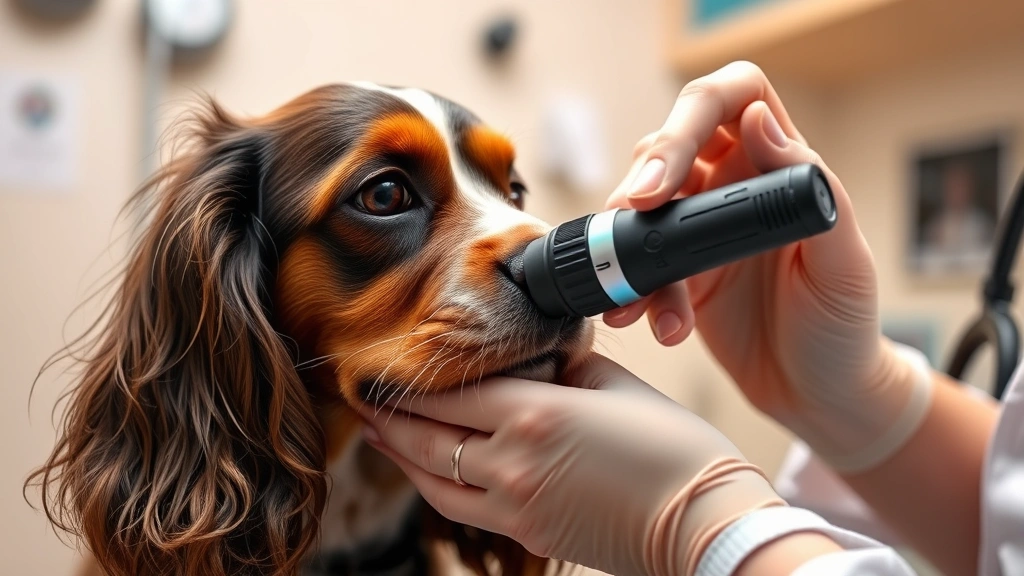
The encouraging news? Once you identify yeast as the culprit, treatment is usually straightforward and effective.
Excessive Ear Wax and Debris Buildup
Some dogs naturally produce more ear wax than others, and this buildup can trap bacteria and yeast, becoming a significant dog ear infection cause. Breeds with hairy ear canals—like Poodles and Schnauzers—are especially prone to wax accumulation and debris trapping.
Regular ear cleaning is preventative maintenance for these dogs. However, over-cleaning can also irritate the ear canal, so finding the right balance is key. Your veterinarian can recommend an appropriate cleaning schedule and safe products for your specific dog.
Foreign Objects and Injury
Sometimes dog ear infection causes are as simple as a grass seed, foxtail, or other foreign object lodged in the ear canal. These objects cause irritation and inflammation, creating an entry point for infection. Dogs who spend time outdoors, especially during hiking or playing in tall grass, are at higher risk.
If you suspect a foreign object, avoid probing the ear yourself—this can push it deeper. Instead, schedule a vet visit promptly. Your veterinarian has the proper tools and expertise to safely remove any debris.
Solution 1: Establish a Regular Ear Cleaning Routine
Prevention starts with proper ear maintenance. A consistent cleaning routine removes excess wax, moisture, and debris before they become problems. For dogs prone to ear infections, weekly cleaning during warm months and bi-weekly during winter can make a significant difference.
Steps for safe ear cleaning:
- Use a veterinarian-approved ear cleaning solution
- Gently fill the ear canal with the solution
- Massage the base of the ear for 20-30 seconds
- Allow your dog to shake (do this outdoors!)
- Gently wipe away debris with a clean cloth
Never use cotton swabs deep in the ear canal, as this can damage the eardrum or pack debris further inside.
Solution 2: Address Underlying Allergies
If allergies are driving your dog’s ear infections, treating the allergy is essential for long-term relief. Work with your vet to identify trigger foods or environmental allergens through elimination diets or allergy testing.
Once identified, avoiding the allergen or managing it with supplements, medications, or dietary changes can dramatically reduce ear infection frequency. Many dogs see improvement within weeks of addressing their allergies.
Solution 3: Maintain Proper Ear Drying After Water Exposure
If your dog loves swimming or regular baths, meticulous drying is non-negotiable. After any water exposure, use a clean, dry cloth to gently wipe the outer ear and ear flap. For dogs prone to infections, consider using a pet-safe ear drying solution that helps evaporate trapped moisture.
Some pet owners use a low-heat hair dryer on the cool setting, holding it several inches away from the ear. Always prioritize your dog’s comfort and safety during this process.
Solution 4: Implement Parasite Prevention
Year-round parasite prevention protects against ear mites and other parasites that can cause infections. Modern flea and tick preventatives also protect against mites, making this a simple way to reduce infection risk.
Discuss the best parasite prevention option for your dog’s age, weight, and lifestyle with your veterinarian. Consistent prevention is far easier than treating active infections.
Solution 5: Use Veterinary-Approved Ear Medications
Once an infection is diagnosed, your vet may prescribe topical or oral medications to clear it. Topical solutions are often effective for bacterial and yeast infections, while oral medications may be necessary for more severe cases or when topical treatment isn’t practical.
It’s crucial to complete the full course of treatment, even if your dog seems better. Stopping early can lead to recurrence and antibiotic resistance.
Solution 6: Manage Humidity and Environmental Factors
If you live in a humid climate or your home tends to be damp, consider using a dehumidifier in areas where your dog spends time. Reducing ambient moisture helps prevent the warm, wet environment that encourages infection.
Additionally, ensure your dog’s bedding is clean and dry. Washing bedding weekly in hot water and drying it thoroughly removes potential sources of bacteria and yeast.

Solution 7: Schedule Regular Veterinary Check-ups
Regular vet visits allow your veterinarian to catch early signs of ear problems before they become infections. During routine exams, your vet can assess ear health, recommend preventative measures specific to your dog’s breed and lifestyle, and address any concerns.
If your dog has a history of ear infections, more frequent check-ups may be warranted. Ask a vet online if you’re unsure about your dog’s ear health between appointments—a quick telehealth check-in can give you peace of mind without scheduling a full clinic visit.
Recognizing the Signs: When to Seek Help
Knowing the symptoms of dog ear infections helps you act quickly. Common signs include:
- Frequent scratching or pawing at the ears
- Head shaking or tilting
- Discharge from the ear (yellow, brown, or bloody)
- Foul odor emanating from the ear
- Swelling or redness of the ear canal
- Crusting or scabbing around the ear
- Behavioral changes like irritability or lethargy
If you notice any of these signs, contact your veterinarian promptly. Early treatment prevents complications and reduces your dog’s discomfort.
The Role of Breed and Anatomy
Certain breeds are genetically predisposed to ear infections due to their anatomy. Dogs with long, floppy ears, hairy ear canals, or narrow ear openings face higher infection risk. Understanding your dog’s breed-specific vulnerabilities helps you implement preventative strategies proactively.
Breeds particularly prone to ear infections include Cocker Spaniels, Golden Retrievers, Poodles, Dachshunds, and Basset Hounds. If you own one of these breeds, ear care should be a regular part of your grooming and health routine.
When to Consider Telehealth Support
If you’re unsure whether your pet needs urgent care, a quick telehealth check-in can give you peace of mind—no appointment needed. The Pet Vet’s ear infections in dogs resources and online consultations make it easy to get professional guidance when you need it most.
Telehealth is particularly helpful for follow-up questions about treatment, concerns about medication side effects, or determining whether your dog’s symptoms warrant an emergency visit.
Frequently Asked Questions
Can dog ear infections go away on their own?
Minor ear irritation might resolve independently, but true infections typically require veterinary treatment. Delaying care often allows infections to worsen and become more difficult to treat.
How long does it take to treat a dog ear infection?
Most bacterial and yeast infections improve within 7-14 days of appropriate treatment, though chronic cases may take longer. Always complete the full course of prescribed medication.
Are dog ear infections contagious to other pets?
Ear mites are contagious between pets, but bacterial and yeast infections typically are not. However, if multiple pets share an environment, have all of them checked if one develops ear mites.
What’s the difference between ear cleaning and ear treatment?
Cleaning removes debris and maintains ear health; treatment with medication addresses active infections. Your vet will recommend which your dog needs based on their specific situation.
Can I use human ear drops on my dog?
No—human ear products can be harmful to dogs. Always use veterinary-approved products specifically formulated for canine ears.
Summary: Taking Control of Your Dog’s Ear Health
Dog ear infection causes are diverse, ranging from moisture and allergies to parasites and bacterial overgrowth. The good news is that understanding these causes empowers you to prevent most infections through proper ear care, parasite prevention, allergy management, and regular veterinary check-ups.
By implementing the seven solutions outlined in this guide—establishing a cleaning routine, addressing allergies, maintaining proper drying, using parasite prevention, applying appropriate medications, managing environmental factors, and scheduling regular vet visits—you can significantly reduce your dog’s infection risk and keep those ears healthy and comfortable.
Remember, early intervention is always better than treating advanced infections. If you notice any signs of ear trouble, don’t wait—reach out to your veterinarian or use a telehealth service for prompt guidance.
What to Do Now
- Schedule a veterinary appointment if your dog is currently showing signs of ear infection or discomfort
- Assess your dog’s breed and lifestyle to identify specific risk factors for ear infections
- Establish a weekly ear cleaning routine using veterinarian-approved products appropriate for your dog
- Review your dog’s diet and environment to identify potential allergy triggers or moisture issues
- Ensure your dog is on year-round parasite prevention recommended by your veterinarian
This article is for general education and is not a substitute for care from your own veterinarian. Learn about The Pet Vet and our editorial policy.