
If your dog has been shaking their head constantly, scratching at their ears, or you’ve noticed a foul smell coming from inside their ear canal, you’re probably wondering about dog ear infection recovery time and what you can do to help them feel better fast.
Table of Contents
- How Long Does It Take for a Dog Ear Infection to Heal?
- Understanding the Three Types of Ear Infections
- What Causes Ear Infections in Dogs?
- The First 7 Days: What to Expect During Early Recovery
- 7 Proven Ways to Speed Up Dog Ear Infection Recovery
- When Should You Seek Veterinary Care?
- Preventing Recurring Ear Infections
- Can You Treat a Dog Ear Infection at Home?
- When Does Recovery Take Longer?
- Frequently Asked Questions
- What to Do Now
- Summary: Recovery Timeline and Next Steps
This article is for informational purposes only and is not a substitute for professional veterinary advice. Always consult a licensed veterinarian for diagnosis and treatment.
Ear infections are one of the most common reasons pet owners rush to the vet clinic. The good news? Most ear infections respond well to treatment when caught early, and understanding the recovery timeline can help you manage your pup’s comfort and healing journey with confidence.
How Long Does It Take for a Dog Ear Infection to Heal?
The typical dog ear infection recovery time ranges from one to three weeks, depending on the severity and underlying cause. Mild infections caught early may clear up in 7-10 days with proper treatment, while moderate to severe cases can take 2-4 weeks or longer.
The timeline also depends on whether your dog is experiencing a simple ear canal infection or if the infection has progressed to the middle or inner ear. Catching this early puts you in a great position to help your pup heal faster and avoid complications.
Understanding the Three Types of Ear Infections
Before diving into recovery strategies, it helps to know what type of infection your dog might be experiencing. Veterinarians classify ear infections by location, and each has slightly different healing timelines.
Otitis Externa (Outer Ear) is the most common type and typically heals fastest—usually within 1-2 weeks with consistent treatment. This affects the ear canal and is often triggered by moisture, allergies, or parasites.
Otitis Media (Middle Ear) involves the structures behind the eardrum and takes longer to resolve, often 2-4 weeks or more. This type can develop if an outer ear infection goes untreated.
Otitis Interna (Inner Ear) is the most serious and may require 4+ weeks of treatment. It can affect your dog’s balance and coordination, so veterinary care is critical.
What Causes Ear Infections in Dogs?
Understanding the root cause of your dog’s infection helps prevent future episodes. The most common culprits include allergies (food or environmental), moisture trapped in the ear canal, parasites like ear mites, yeast overgrowth, and bacterial infections.
Certain breeds with floppy ears—like Cocker Spaniels, Basset Hounds, and Labs—are more prone to infections because their ear shape reduces air circulation. If your dog has allergies or a weakened immune system, they’re also at higher risk for recurring infections.
The First 7 Days: What to Expect During Early Recovery
During the first week of treatment, you should start seeing improvement in your dog’s comfort level. Many dogs stop scratching as intensely within 2-3 days once medication begins working.
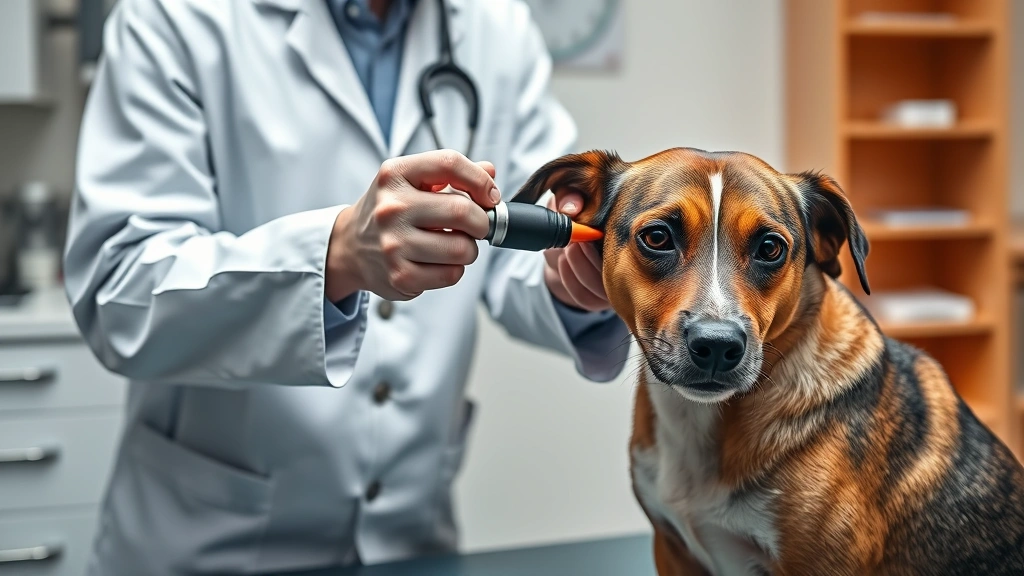
Your veterinarian will likely prescribe ear drops, oral antibiotics, or antifungal medications depending on what’s causing the infection. It’s crucial to follow the dosing schedule exactly as prescribed—skipping doses can extend recovery time and allow the infection to worsen.
You might also notice the ear discharge changing color or consistency as the infection clears. This is actually a positive sign that treatment is working. However, if discharge increases or your dog’s symptoms worsen, contact your vet immediately.
7 Proven Ways to Speed Up Dog Ear Infection Recovery
Beyond prescribed medications, several evidence-based strategies can support faster healing and prevent future infections:
- Keep ears clean and dry. Gently clean your dog’s ears with a vet-approved solution as directed. After baths or swimming, dry ears thoroughly with a soft cloth. Moisture is a breeding ground for bacteria and yeast.
- Administer medications consistently. Set phone reminders to give ear drops or oral medications at the same time each day. Consistency is key to maintaining therapeutic levels in the ear canal.
- Use warm compresses for comfort. A warm (not hot) compress held against the ear for 5-10 minutes can soothe pain and inflammation. This also helps medications penetrate more effectively.
- Address underlying allergies. If allergies triggered the infection, work with your vet to identify and manage the allergen. This prevents the cycle from repeating.
- Prevent head shaking and scratching. Excessive head shaking can re-traumatize the ear canal and slow healing. A soft collar or cone may be recommended during the acute phase.
- Support immune function with proper nutrition. Ensure your dog eats a balanced diet rich in omega-3 fatty acids, which support skin and ear health. Ask your vet about supplements if appropriate.
- Schedule a follow-up exam. Many vets recommend a recheck visit 2-3 weeks into treatment to confirm the infection has cleared. This prevents missed complications.
When Should You Seek Veterinary Care?
Don’t wait if your dog shows signs of ear infection. Early intervention dramatically shortens recovery time. Contact your vet if you notice:
- Persistent head shaking or ear scratching
- Foul-smelling discharge from the ears
- Redness, swelling, or crusting inside the ear
- Pain when the ear is touched
- Loss of balance or coordination (sign of inner ear involvement)
- Fever or lethargy
If you’re unsure whether your pet needs urgent care, a quick telehealth check-in can give you peace of mind—no appointment needed. Many mild cases can be diagnosed and treatment started through online consultation, saving you time and stress.
Preventing Recurring Ear Infections
Once your dog recovers, preventing future infections is the best strategy. Dogs prone to ear issues benefit from regular ear cleaning, especially after water exposure.
If your dog has floppy ears, consider having your groomer pluck excess hair from inside the ear canal to improve air circulation. For dogs with allergies, working with your vet on an allergy management plan can significantly reduce infection risk.
Some vets recommend periodic ear cleaning with a preventative solution during high-risk seasons (spring and summer when moisture and allergens are elevated). Ask your veterinarian whether this is appropriate for your dog.
Can You Treat a Dog Ear Infection at Home?
While home care is essential for supporting recovery, you cannot cure an ear infection without veterinary diagnosis and treatment. Attempting to treat without knowing the infection type (bacterial, fungal, or parasitic) can delay healing and cause complications.
However, home care—like keeping ears clean, applying warm compresses, and ensuring medication compliance—significantly speeds up recovery once your vet has prescribed appropriate treatment. You can discuss home care strategies with a vet online to ensure you’re supporting healing effectively.
When Does Recovery Take Longer?
Some dogs experience extended recovery timelines. Chronic ear infections, inner ear involvement, or infections caused by resistant bacteria may take 4-6 weeks or longer to resolve.
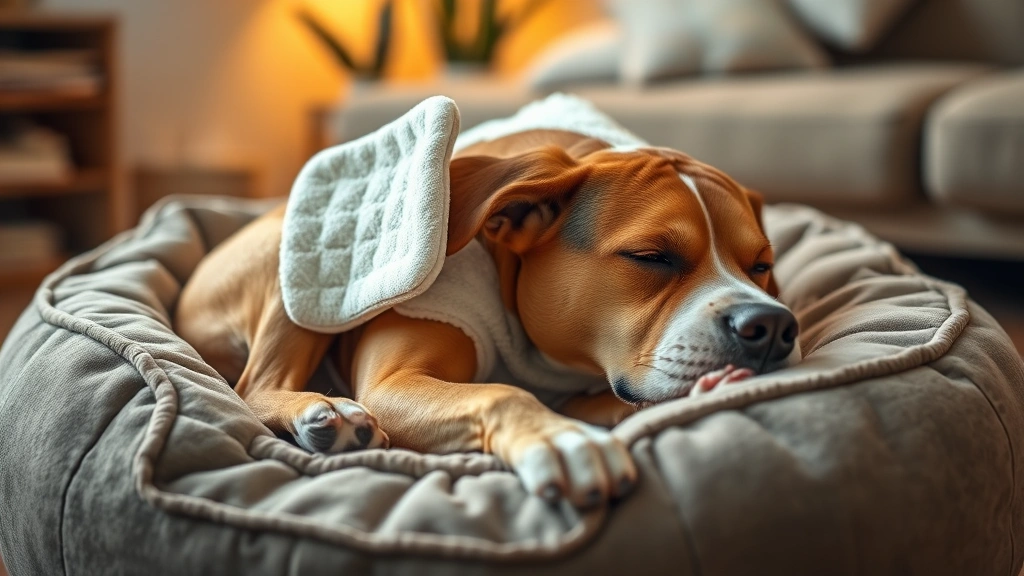
Dogs with underlying conditions like allergies, autoimmune disorders, or endocrine issues often have slower recovery and higher recurrence rates. In these cases, your vet may recommend long-term management strategies beyond acute treatment.
Catching this early puts you in a great position to avoid these complications. A simple outer ear infection treated promptly typically heals much faster than one that’s progressed deeper into the ear structure.
Frequently Asked Questions
How long until my dog stops scratching their ears?
Most dogs show significant improvement in scratching within 2-5 days of starting treatment, though complete relief may take 1-2 weeks as inflammation subsides.
Can dog ear infections go away on their own?
Ear infections rarely resolve without treatment and often worsen if left untreated. Professional veterinary care is essential to prevent progression to middle or inner ear involvement.
Is it normal for ear discharge to continue during treatment?
Some discharge during the first week of treatment is normal as the infection clears. However, increasing discharge or foul odor may indicate the treatment isn’t working and warrants a vet visit.
Will my dog need antibiotics for an ear infection?
Not all ear infections require oral antibiotics—many bacterial and yeast infections respond well to topical ear drops alone. Your vet will determine the best treatment approach based on the infection type.
How can I prevent future ear infections?
Regular ear cleaning, keeping ears dry after water exposure, addressing allergies, and maintaining good ear hygiene are the most effective prevention strategies.
What to Do Now
If you suspect your dog has an ear infection, here are your next steps:
- Schedule a veterinary appointment or telehealth consultation within the next 24-48 hours. Early diagnosis and treatment significantly reduce recovery time.
- Document symptoms you’ve observed—when scratching started, any discharge, odor, or behavioral changes—to help your vet make an accurate diagnosis.
- Gently inspect your dog’s ears (without inserting anything into the canal) and note any redness, swelling, or discharge to share with your veterinarian.
- Prepare to follow treatment instructions precisely, setting reminders for medication administration to ensure consistent healing.
- Plan for follow-up care by scheduling a recheck exam 2-3 weeks after treatment begins to confirm the infection has fully resolved.
Summary: Recovery Timeline and Next Steps
Dog ear infection recovery time typically ranges from 1-3 weeks for uncomplicated cases, with most dogs showing improvement within the first week of treatment. The key to faster healing is early veterinary intervention, consistent medication administration, and supportive home care.
By understanding the recovery timeline and implementing proven healing strategies, you can help your dog feel better quickly and prevent future infections. Remember, your veterinarian is your best resource—whether through in-clinic visits or convenient telehealth consultations—for ensuring your pup gets the care they need.
Your dog’s discomfort won’t last long with proper treatment. Stay consistent with medications, keep those ears clean and dry, and you’ll likely see your pup back to their happy, head-shake-free self within a few weeks.
This article is for general education and is not a substitute for care from your own veterinarian. Learn about The Pet Vet and our editorial policy.