
If your dog keeps scratching at their ears or you’ve noticed a foul smell coming from inside them, you’re likely wondering about dog ear infection when to see a vet—and the good news is that catching it early makes all the difference. Ear infections are one of the most common reasons pet owners bring their dogs to the veterinarian, and they’re almost always treatable when addressed promptly.
Table of Contents
- Why Dog Ear Infections Happen So Often
- Early Signs Your Dog May Have an Ear Infection
- When to Schedule a Regular Vet Visit
- Clear Signs You Need Urgent Veterinary Care
- When to Consider Telehealth for Peace of Mind
- What Happens During a Vet Exam for Ear Infections
- Understanding the Role of Allergies and Chronic Infections
- Prevention: Your Best Defense Against Ear Infections
- What to Do Now: Your Action Plan
- When Ear Infections Become Serious: Complications to Avoid
- Frequently Asked Questions
- Summary: Taking Action on Your Dog’s Ear Health
This article is for informational purposes only and is not a substitute for professional veterinary advice. Always consult a licensed veterinarian for diagnosis and treatment.
Why Dog Ear Infections Happen So Often
Dog ears are uniquely shaped—they have a long, L-shaped canal that traps moisture and debris more easily than human ears do. This anatomy makes them a perfect breeding ground for bacteria and yeast when conditions are right.
Common culprits include swimming, excessive moisture, allergies, ear mites, and poor ear hygiene. Some breeds with floppy ears (like Cocker Spaniels and Basset Hounds) are more prone to infections simply because their ears don’t get as much air circulation.
Early Signs Your Dog May Have an Ear Infection
The earliest warning signs are often subtle. You might notice your dog tilting their head frequently or scratching at one ear more than the other. Some dogs will rub their ear against furniture or shake their head repeatedly.
Watch for these initial indicators:
- Excessive scratching or pawing at the ears
- Head tilting or shaking
- Mild redness inside the ear flap
- A slightly waxy or oily appearance inside the ear canal
- Your dog seeming uncomfortable or sensitive when you touch their ear
Catching these early signs puts you in a great position to prevent a full-blown infection. Early intervention often means simpler treatment and faster relief for your pup.
When to Schedule a Regular Vet Visit
If your dog is showing mild signs of discomfort but seems otherwise healthy and happy, a regular appointment within the next few days is appropriate. Your vet can examine the ear canal with an otoscope and determine whether an infection is actually developing or if it’s just irritation.
Schedule a standard appointment if you notice:
- Occasional scratching that’s more frequent than usual
- A slight odor from the ear
- Mild redness or slight discharge
- Your dog pawing at their ear after swimming or grooming
Your veterinarian can perform a simple ear cytology (looking at cells under a microscope) to identify whether bacteria, yeast, or mites are present. This guides the right treatment approach.
Clear Signs You Need Urgent Veterinary Care
Some situations require same-day or emergency veterinary attention. If your dog is in obvious pain, has a severe infection, or shows systemic signs of illness, don’t wait for a routine appointment.
Seek urgent care if you observe:

- Severe scratching that causes bleeding or open sores
- Thick, foul-smelling discharge (brown, black, or yellowish pus)
- Swelling of the ear flap or surrounding area
- Your dog crying out in pain when their ear is touched
- Hearing loss or balance problems (signs the infection may have spread deeper)
- Fever, lethargy, or loss of appetite alongside ear symptoms
- Discharge from both ears simultaneously
A severe ear infection can progress quickly, especially if it’s bacterial. Catching this early prevents complications and gets your dog relief faster.
When to Consider Telehealth for Peace of Mind
Not sure if your dog’s ear situation warrants an in-person visit? Telehealth consultations can be incredibly helpful for initial assessments. If you are unsure whether your pet needs urgent care, a quick telehealth check-in can give you peace of mind—no appointment needed.
A vet can ask detailed questions about your dog’s symptoms, review photos if helpful, and advise whether an in-person exam is necessary. This is especially useful for first-time dog owners or those uncertain about severity.
What Happens During a Vet Exam for Ear Infections
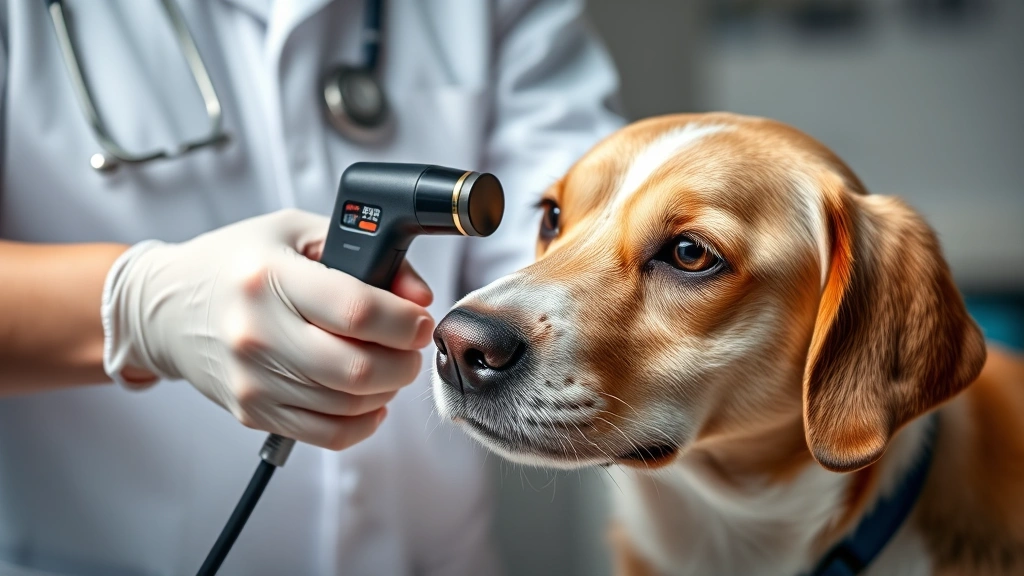
Your veterinarian will use an otoscope to look deep into the ear canal. They can see the eardrum, assess redness and discharge, and spot foreign objects or parasites. This examination is painless but your dog might be uncomfortable if their ear is already sore.
The vet may also take a sample of ear discharge to examine under a microscope. This tells them whether the infection is bacterial, fungal (yeast), or parasitic—information that guides treatment decisions.
In some cases, the vet might recommend an ear flush to remove debris before treatment begins. While this sounds intense, it’s a standard procedure that helps medication work more effectively.
Understanding the Role of Allergies and Chronic Infections
Dogs prone to allergies often experience repeated ear infections. If your dog has had multiple infections over months or years, the underlying cause might be allergic inflammation rather than a primary infection.
Allergies—whether from food, environmental factors, or parasites like mites—create an environment where bacteria and yeast thrive. Addressing the root cause prevents the cycle of recurring infections.
Your vet might recommend allergy testing or dietary changes if infections keep returning. This proactive approach saves you money and saves your dog from repeated discomfort.
Prevention: Your Best Defense Against Ear Infections
While some dogs are genetically predisposed to ear issues, you can reduce infection risk significantly with simple maintenance:
- Dry ears thoroughly after swimming or bathing—moisture is the enemy
- Check ears weekly for odor, discharge, or redness
- Use vet-approved ear cleaner if your dog swims frequently or has floppy ears
- Keep ear hair trimmed in breeds prone to excessive growth inside the canal
- Address allergies promptly with your vet to prevent secondary infections
- Avoid inserting cotton swabs deep into the ear—stick to the outer flap only
Prevention is always easier (and cheaper) than treatment. A few minutes of weekly ear care can spare your dog months of discomfort.
What to Do Now: Your Action Plan
- Examine your dog’s ears today—gently lift the ear flap and smell inside. Look for redness, discharge, or waxy buildup. Note any behavior changes like head shaking or scratching.
- Contact your vet within 24-48 hours if you notice any concerning signs. Many vets offer same-day or next-day appointments for ear concerns.
- Avoid home remedies or leftover medications without vet approval—using the wrong treatment can worsen infections or mask serious problems.
- Keep your dog’s ears dry and avoid swimming or excessive water exposure until your vet clears them.
- If symptoms are severe (pain, swelling, foul odor, discharge), seek urgent care or emergency veterinary services immediately rather than waiting for a routine appointment.
When Ear Infections Become Serious: Complications to Avoid
Most ear infections respond well to prompt treatment. However, untreated or chronic infections can progress to the middle or inner ear, potentially causing permanent hearing loss or balance problems.
Severe infections can also lead to a ruptured eardrum, which requires more intensive care. This is why early intervention matters—it prevents progression to these serious complications.
If your dog has had multiple ear infections or one that doesn’t respond to initial treatment, your vet might recommend additional diagnostics like ear cultures or imaging. These help identify resistant infections or underlying conditions.
Frequently Asked Questions
How long can a dog have an ear infection before it becomes serious?
An uncomplicated ear infection may not cause permanent damage for weeks, but pain and discomfort begin immediately. Most vets recommend treatment within 3-5 days of noticing symptoms to prevent progression.
Can I treat my dog’s ear infection at home?
Mild ear irritation might improve with gentle cleaning, but actual infections require veterinary diagnosis and treatment. Using the wrong remedy can delay healing or worsen the problem.
Are dog ear infections contagious to other pets?
Bacterial and yeast infections aren’t typically contagious, but ear mites can spread to other animals. Your vet will identify the cause and advise on household precautions.
Why does my dog’s ear infection keep coming back?
Recurring infections usually point to an underlying issue like allergies, poor ear ventilation, or incomplete treatment of the initial infection. Your vet can help identify and address the root cause.
Is it normal for only one ear to be infected?
Yes, single-ear infections are common and often result from water exposure, debris, or localized irritation. However, if both ears are affected, it may suggest a systemic issue like allergies.
Summary: Taking Action on Your Dog’s Ear Health
Knowing when to see a vet for a dog ear infection boils down to recognizing early signs and acting promptly. Mild scratching or odor warrants a routine appointment within days, while severe pain, thick discharge, or swelling requires urgent care.
Your veterinarian is your best ally in preventing recurring infections and keeping your dog comfortable. Whether you choose an in-person visit or start with a telehealth consultation, early professional guidance prevents complications and gets your pup feeling better faster.
Trust your instincts as a pet owner. If something seems off with your dog’s ears, it’s always better to check with a vet than to wait and hope it resolves on its own. Your dog will thank you for the relief.
This article is for general education and is not a substitute for care from your own veterinarian. Learn about The Pet Vet and our editorial policy.