
Noticing your dog scratching at their ears more than usual right after a vaccination appointment can be worrying, and a dog ear infection after vaccination is something many pet owners encounter. The timing feels suspicious, and you’re probably wondering if the vaccine caused it or if it’s just coincidence. The good news? Understanding what’s happening and knowing how to respond puts you in the driver’s seat to help your furry friend feel better fast.
Table of Contents
- Can Vaccinations Trigger Ear Infections in Dogs?
- Timeline: When Do Ear Infections Appear After Vaccination?
- Recognizing Dog Ear Infection Symptoms Post-Vaccination
- Why Your Dog’s Immune System Makes Them Vulnerable
- When to Contact Your Veterinarian
- Treatment Options Your Vet May Recommend
- Home Care: Supporting Recovery Between Vet Visits
- Prevention: Reducing Future Ear Infection Risk
- Understanding the Connection: Vaccines and Ear Health
- When to Seek Urgent Care
- What to Do Now
- Frequently Asked Questions
- Summary: Moving Forward With Confidence
This article is for informational purposes only and is not a substitute for professional veterinary advice. Always consult a licensed veterinarian for diagnosis and treatment.
Can Vaccinations Trigger Ear Infections in Dogs?
The short answer is: it’s complicated. Vaccines themselves don’t directly cause ear infections, but they can temporarily affect your dog’s immune system in ways that make them more susceptible to secondary infections. Think of it like this—your dog’s immune system gets revved up to build antibodies, and during that busy period, other opportunistic bacteria or yeast can slip in.
Ear infections are typically caused by bacteria, yeast, or a combination of both. While vaccination isn’t the root cause, the timing matters. If your dog had underlying ear inflammation or moisture buildup before the vaccine, the immune response could tip things into infection territory.
The connection is real enough that many veterinarians keep an eye on post-vaccination ear health, especially in breeds prone to ear issues like Cocker Spaniels, Golden Retrievers, and Basset Hounds.
Timeline: When Do Ear Infections Appear After Vaccination?
Most post-vaccination ear infections show up within 1-2 weeks of the vaccine appointment. You might notice your dog shaking their head more frequently, scratching at their ears, or acting uncomfortable within days of leaving the vet’s office.
Some dogs develop symptoms within 24-48 hours, while others take longer. This window is important because it helps your vet determine whether the infection is truly vaccine-related or coincidental. If symptoms appear several weeks later, it’s less likely the vaccine played a role.
Catching this early puts you in a great position to help. The sooner you address it, the faster your pup can get relief.
Recognizing Dog Ear Infection Symptoms Post-Vaccination
Knowing what to look for is half the battle. Here are the most common signs your dog may be experiencing an ear infection after their vaccine:
- Frequent head shaking or tilting to one side
- Excessive scratching, rubbing, or pawing at the ears
- Redness or swelling inside the ear flap
- Discharge that may smell yeasty or foul
- Sensitivity to touch around the ears
- Behavioral changes like irritability or reluctance to play
- Crusting or scaling on the ear flaps
If you notice any combination of these signs, don’t wait. Even mild symptoms can escalate quickly into more serious infections that affect the middle or inner ear. Catching this early puts you in a great position to help.
Why Your Dog’s Immune System Makes Them Vulnerable
Vaccines work by activating your dog’s immune system to build protective antibodies. During this activation period, the body is focused on that immune response, which can temporarily reduce resources available to fight off other invaders like ear bacteria or yeast.
Additionally, some dogs experience mild inflammation or swelling in lymph nodes and tissues after vaccination. If this swelling extends to the ear canal area, it can trap moisture—the perfect breeding ground for infection.

This is especially true for dogs with floppy ears, which naturally trap more moisture and have less air circulation. The ear environment becomes ideal for bacterial and yeast overgrowth.
When to Contact Your Veterinarian
You don’t need to panic, but you do need to act. If you notice dog ear infection symptoms within 1-2 weeks of vaccination, schedule a vet appointment promptly. Your veterinarian will examine the ear canal, possibly take a sample for analysis, and determine the best treatment path.
Contact your vet immediately if your dog shows signs of pain, discharge with a strong odor, or if symptoms seem to worsen despite home care. These could indicate a deeper infection that needs urgent attention.
If you’re unsure whether your pet needs urgent care, a quick telehealth check-in can give you peace of mind—no appointment needed. A vet can assess your dog’s symptoms and advise whether an in-person exam is necessary.
Treatment Options Your Vet May Recommend
Treatment depends on whether the infection is bacterial, yeast-based, or mixed. Your vet will likely recommend one or more of these approaches:
- Ear cleaning: Professional cleaning removes debris and discharge, creating a healthier environment
- Topical medications: Ear drops or ointments applied directly to the affected area
- Oral medications: Systemic treatments for more severe or widespread infections
- Anti-inflammatory support: To reduce swelling and discomfort
- Home care protocols: Specific cleaning routines and preventive measures
Your veterinarian will provide detailed instructions on how often to apply treatments and what signs to watch for. Follow these guidelines closely—consistency is key to resolving the infection quickly.
Home Care: Supporting Recovery Between Vet Visits
While professional treatment is essential, home care plays a huge role in recovery. Here’s what you can do to support your dog:
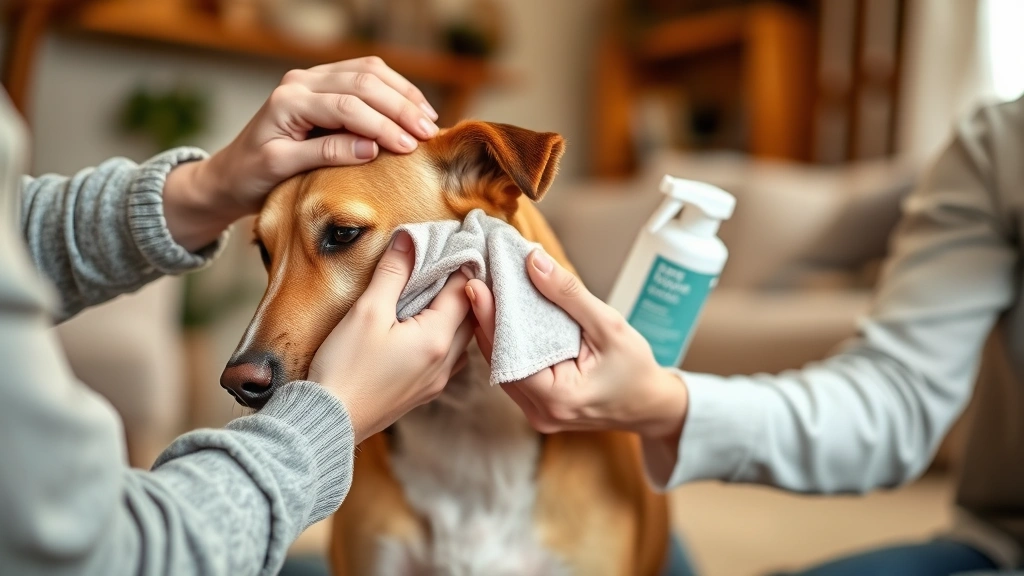
- Keep ears dry: After baths or swimming, gently dry your dog’s ears with a soft cloth
- Avoid irritants: Don’t use cotton swabs deep in the ear canal—let your vet handle that
- Follow medication schedules: Apply prescribed treatments exactly as directed
- Monitor for changes: Watch for improvement or worsening and report back to your vet
- Minimize scratching: Keep nails trimmed and consider a cone if your dog is causing secondary damage
Most ear infections improve noticeably within 1-2 weeks of starting treatment, though complete resolution may take longer. Your dog will likely feel better before the infection is completely gone, so don’t stop treatment early.
Prevention: Reducing Future Ear Infection Risk
Once your dog recovers, focus on prevention to avoid future episodes. Dogs prone to ear infections benefit from regular maintenance:
- Clean ears weekly with a vet-approved solution
- Keep ears dry after water exposure
- Consider ear hair trimming if your vet recommends it
- Address any underlying allergies or skin conditions
- Monitor for early signs of infection and act quickly
If your dog has recurrent ear infections, discuss with your vet whether there’s an underlying cause like allergies or anatomical factors that need addressing.
Understanding the Connection: Vaccines and Ear Health
Research shows that vaccines don’t cause ear infections directly, but they can create conditions where infections are more likely to develop in susceptible dogs. This is especially true for dogs with:
- Floppy or hairy ears that trap moisture
- Pre-existing ear conditions or inflammation
- Allergies or sensitive skin
- Weakened immune systems
Your vet may recommend scheduling vaccinations at a time when your dog’s ears are in their healthiest state, or spacing them out if your dog has a history of post-vaccine ear issues. This proactive approach can make a real difference.
When to Seek Urgent Care
Most ear infections respond well to timely treatment, but some situations need faster action. Seek urgent or emergency care if your dog shows:
- Severe pain or inability to eat/drink due to ear discomfort
- Fever or signs of systemic illness
- Loss of balance or coordination (possible inner ear involvement)
- Discharge that’s bloody or contains pus
- Swelling that affects the face or jaw
These signs suggest the infection has spread beyond the outer ear and needs immediate professional evaluation. Don’t delay in these cases.
What to Do Now
If you suspect your dog has a dog ear infection after vaccination, here are your next steps:
- Document the timeline: Note when you first noticed symptoms and which vaccine was given. This information helps your vet assess the connection.
- Schedule a veterinary exam: Contact your regular vet or use telehealth to get a professional assessment within 24-48 hours if possible.
- Prepare a symptom list: Write down everything you’ve observed—ear discharge, odor, behavior changes, and how often your dog is scratching.
- Follow treatment instructions precisely: Once your vet prescribes treatment, stick to the schedule and dosing exactly as directed.
- Monitor progress: Track improvement daily and report any concerns back to your vet immediately.
Frequently Asked Questions
Can a dog’s ear infection be caused directly by the vaccine itself?
No, vaccines don’t directly cause ear infections. However, the immune response they trigger can temporarily create conditions where bacteria or yeast are more likely to multiply, especially in dogs with predisposing factors like floppy ears or allergies.
How long does it take for an ear infection to develop after vaccination?
Most post-vaccination ear infections appear within 1-2 weeks of the vaccine appointment. If symptoms develop several weeks later, the vaccine is less likely to be the contributing factor.
Is it safe to treat a dog ear infection at home without seeing a vet?
No. A veterinarian needs to diagnose whether the infection is bacterial, yeast-based, or mixed to prescribe appropriate treatment. Home remedies alone won’t eliminate the infection and could delay proper care.
Should I delay my dog’s next vaccination if they had an ear infection after the last one?
Not necessarily. Discuss this with your veterinarian. They may recommend spacing vaccinations differently, ensuring your dog’s ears are healthy before the next vaccine, or exploring whether an underlying condition needs addressing first.
What’s the difference between an outer ear infection and a middle or inner ear infection?
Outer ear infections affect the ear canal and are most common. Middle and inner ear infections are deeper and more serious, causing symptoms like loss of balance or severe pain. Your vet will determine which type your dog has through examination.
Summary: Moving Forward With Confidence
A dog ear infection after vaccination is manageable when you act quickly. While the timing feels connected, remember that vaccines are protecting your dog from serious diseases—ear infections are a treatable side effect that some dogs experience.
The key is recognizing symptoms early, getting professional diagnosis and treatment, and following your vet’s recommendations closely. Most dogs recover fully within 2-4 weeks with appropriate care. Your vigilance and quick action make all the difference in your dog’s comfort and health.
If you’re concerned about your dog’s symptoms or need guidance, don’t hesitate to reach out to your veterinarian or use telehealth for a quick professional assessment. Your peace of mind matters, and your dog’s health is worth the extra step.
This article is for general education and is not a substitute for care from your own veterinarian. Learn about The Pet Vet and our editorial policy.