
If your dog is limping after playtime or struggling to get up from their bed, you’re probably worried—and rightfully so. Watching your beloved companion experience joint discomfort is heartbreaking, but the good news is that what you feed your dog can make a real difference in managing arthritis symptoms. Knowing which dog arthritis foods to avoid is just as important as choosing the right foods, because certain ingredients can actively trigger inflammation and accelerate joint deterioration.
Table of Contents
- 1. High-Fat Commercial Dog Foods
- 2. Foods High in Omega-6 Without Omega-3 Balance
- 3. Corn, Wheat, and Soy-Based Fillers
- 4. Processed Treats and Artificial Additives
- 5. Table Scraps and High-Salt Human Foods
- 6. Low-Quality Protein Sources and By-Products
- 7. Excessive Carbohydrates and Sugary Foods
- What to Feed Your Arthritic Dog Instead
- The Role of Supplements in Arthritis Management
- Weight Management: The Often-Overlooked Key
- Reading Dog Food Labels Like a Pro
- When to Seek Professional Guidance
- Making the Dietary Transition Smooth
- Frequently Asked Questions
- Summary: Your Dog’s Path to Comfort
- What To Do Now
This article is for informational purposes only and is not a substitute for professional veterinary advice. Always consult a licensed veterinarian for diagnosis and treatment.
Arthritis in dogs develops when cartilage in the joints breaks down, causing pain, stiffness, and reduced mobility. While age and genetics play a role, diet is one factor you can actually control. Many pet owners don’t realize that everyday foods sitting in their pantry could be making their dog’s arthritis worse. The inflammation caused by certain ingredients can amplify joint pain and speed up cartilage damage.

Let’s walk through the seven foods and food types you should eliminate or minimize if your dog has arthritis, plus what to feed them instead.
1. High-Fat Commercial Dog Foods
Fat isn’t inherently bad for dogs, but excessive fat—especially from low-quality sources—triggers systemic inflammation throughout the body. When your dog’s body is inflamed, their joints feel it most acutely. Many budget-friendly kibbles are loaded with fat from rendered animal by-products, which lack nutritional quality.

Look for foods with fat content between 10-15% for arthritic dogs, rather than the 20%+ found in many mainstream brands. Better yet, choose foods with named fat sources like fish oil, which actually reduces inflammation rather than promoting it.
2. Foods High in Omega-6 Without Omega-3 Balance
Omega-6 and omega-3 fatty acids both matter, but the ratio is critical. Too much omega-6 relative to omega-3 creates an inflammatory environment in your dog’s joints. Many commercial pet foods are loaded with chicken fat and corn oil—both high in omega-6—without sufficient omega-3 to balance them out.

This imbalance is one of the sneakiest culprits behind worsening arthritis. Your dog’s body uses these fats to build cell membranes, and an inflammatory ratio literally builds inflammation into their tissues. Switching to foods rich in fish oil or adding a veterinarian-approved omega-3 supplement can help rebalance this equation.
3. Corn, Wheat, and Soy-Based Fillers
These cheap fillers do more than just add empty calories—they’re pro-inflammatory. Corn and wheat are high in omega-6 and low in nutrients, making them perfect storm ingredients for arthritic dogs. Additionally, some dogs develop sensitivities to these grains, which triggers additional inflammation beyond the joint level.

When shopping for kibble, scan the ingredient list. If corn, corn meal, corn oil, wheat, or soy appear in the first five ingredients, keep looking. Grain-free or limited-ingredient diets often work better for dogs with arthritis, though always discuss dietary changes with your veterinarian first.
4. Processed Treats and Artificial Additives
Those colorful training treats and rawhide chews might seem harmless, but many contain artificial dyes, preservatives (like BHA and BHT), and excessive sodium—all of which promote inflammation. Artificial additives trigger inflammatory responses in your dog’s immune system, which cascades to their joints.
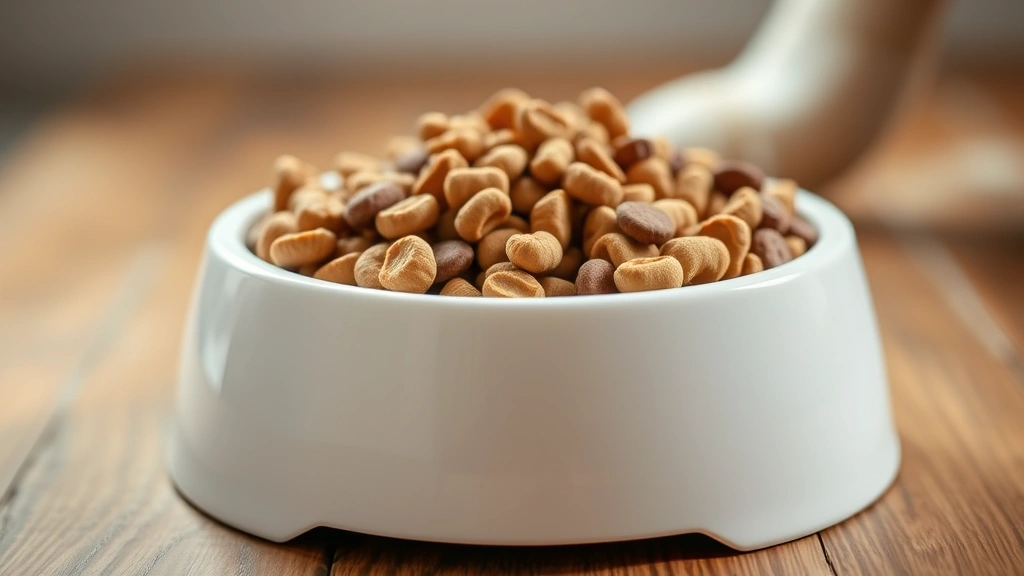
Swap commercial treats for whole foods like small pieces of carrot, apple, or cooked chicken breast. Your dog will appreciate the taste, and you’ll eliminate a major source of inflammatory compounds. Even better, these whole-food treats often have added joint benefits (carrots are crunchy and cleaning; chicken is protein-rich).
5. Table Scraps and High-Salt Human Foods
The occasional piece of plain chicken is fine, but regularly sharing your dinner plate with your dog introduces excess salt, spices, and fats they weren’t designed to process. Salt in particular increases inflammation and can worsen arthritis pain. Garlic and onions, common in human food, are actually toxic to dogs and cause additional cellular damage.

Even well-meaning table scraps disrupt the nutritional balance of their regular diet. If you want to share, stick to plain, unseasoned options: a few bites of cooked sweet potato, plain pumpkin, or lean meat with no added salt or spices.
6. Low-Quality Protein Sources and By-Products
Protein is essential for maintaining muscle mass around arthritic joints—muscle acts as a shock absorber for damaged cartilage. However, not all proteins are equal. Foods listing “meat by-products,” “poultry by-products,” or “animal meal” as primary protein sources contain low-quality, poorly digestible proteins that don’t support muscle maintenance.

Your arthritic dog needs named, whole-food protein sources: chicken, beef, fish, or lamb listed as the first ingredient. Quality protein helps preserve the muscle that supports their joints, reducing stress on damaged cartilage. This is one area where spending a bit more on food quality pays real dividends in your dog’s mobility.
7. Excessive Carbohydrates and Sugary Foods
High-carbohydrate diets can contribute to obesity, which is one of the biggest accelerators of arthritis progression. Extra weight means extra stress on already-painful joints. Additionally, refined carbohydrates and sugars trigger inflammatory responses at the cellular level.

Even “healthy” treats like sweet potato should be given in moderation. A good rule of thumb: treats should make up no more than 10% of your dog’s daily caloric intake. If your dog is overweight, work with your veterinarian on a weight management plan—shedding even 10% of body weight can significantly reduce arthritis pain.
What to Feed Your Arthritic Dog Instead
Now that you know what to avoid, here’s what actually helps. The best diets for arthritic dogs include:

- High-quality protein (25-30% of diet) from named sources like fish, chicken, or beef
- Omega-3 fatty acids from fish oil or flaxseed to reduce inflammation
- Glucosamine and chondroitin, which support cartilage health (found naturally in bone broth or added as supplements)
- Antioxidants like vitamins E and C, plus selenium, which combat inflammation
- Moderate fat content (10-15%) from quality sources
- Low carbohydrates to support healthy weight management
Many veterinarians recommend prescription joint-support diets or high-quality commercial foods specifically formulated for arthritic dogs. Your vet can recommend brands that meet these criteria and suit your dog’s individual needs.
The Role of Supplements in Arthritis Management
Beyond diet, certain supplements can ease arthritis symptoms. Fish oil supplements provide concentrated omega-3s. Glucosamine and chondroitin support cartilage repair. Turmeric (curcumin) has anti-inflammatory properties, though absorption is improved with black pepper.

However, supplements work best alongside a high-quality diet, not as a replacement for it. Think of diet as the foundation and supplements as the reinforcement. Always check with your veterinarian before starting any new supplement, as some can interact with medications or existing health conditions.
Weight Management: The Often-Overlooked Key
Here’s something many pet owners miss: even perfect nutrition won’t help if your dog is overweight. Every extra pound puts additional stress on arthritic joints. A dog at a healthy weight experiences significantly less pain and better mobility.

If your dog needs to lose weight, work with your vet to create a gradual plan—sudden dietary changes can cause digestive upset. Typically, a 1-2% weight loss per week is safe and sustainable. You might be surprised how much your dog’s arthritis improves once they reach a healthy weight.
Reading Dog Food Labels Like a Pro
Don’t let marketing language fool you. “Natural,” “premium,” and “gourmet” mean nothing legally. Instead, look at the ingredient list and guaranteed analysis:

- Check the first ingredient—should be a named protein source, not a grain or by-product
- Look for AAFCO certification (Association of American Feed Control Officials), which ensures minimum nutritional standards
- Review the fat and protein percentages—aim for 25-30% protein and 10-15% fat
- Avoid foods with artificial colors, flavors, or preservatives
- Consider the calorie content to ensure appropriate portions for weight management
If you’re unsure whether a food is appropriate for your arthritic dog, your veterinarian can review the label with you or recommend specific brands they trust.
When to Seek Professional Guidance
Diet is powerful, but it’s not a substitute for veterinary care. If your dog shows signs of arthritis—limping, reluctance to jump or climb stairs, stiffness after rest, or reduced activity—schedule a veterinary exam. Your vet can confirm arthritis through physical examination and possibly imaging, then recommend a comprehensive treatment plan.

If you are unsure whether your pet needs urgent care or dietary adjustments, a quick telehealth check-in with The Pet Vet can give you peace of mind—no appointment needed. A veterinarian can review your dog’s current diet and suggest specific modifications based on their age, weight, and arthritis severity.
Making the Dietary Transition Smooth
When switching your dog to a new food, do it gradually over 7-10 days. Mix increasing amounts of the new food with their old food to allow their digestive system to adjust. Sudden dietary changes can cause vomiting or diarrhea, which is uncomfortable and discouraging.

Monitor your dog during the transition. Most dogs show improvement in arthritis symptoms within 2-4 weeks of dietary changes, though some take longer. Patience and consistency pay off—you’re literally changing the inflammatory environment in your dog’s body, and that takes time.
Frequently Asked Questions
Can diet alone cure my dog’s arthritis?
No, but diet is one of the most powerful tools for managing arthritis symptoms. Combined with exercise, weight management, and veterinary care, proper nutrition can significantly reduce pain and slow progression.

Is grain-free food better for arthritic dogs?
Grain-free isn’t inherently better, but it can help if your dog has grain sensitivities. Focus on quality ingredients and appropriate fat/protein ratios rather than grain-free marketing claims.
How much does it cost to feed an arthritic dog?
Quality joint-support diets may cost 20-40% more than budget kibble, but they often reduce veterinary bills by preventing arthritis progression. Consider it an investment in your dog’s quality of life.
Can I make homemade food for my arthritic dog?
Homemade diets can work, but they must be nutritionally balanced. Work with a veterinary nutritionist to ensure your recipe includes appropriate protein, fat, vitamins, and minerals.
How long until I see improvement after changing food?
Most dogs show noticeable improvement within 2-4 weeks, though some take 6-8 weeks. Consistency matters—switching foods repeatedly prevents your dog’s body from adapting to the benefits.
Summary: Your Dog’s Path to Comfort
Managing your dog’s arthritis through diet is one of the most rewarding steps you can take. By eliminating inflammatory foods—high-fat kibble, omega-6 imbalances, cheap fillers, artificial additives, table scraps, low-quality proteins, and excess carbohydrates—you’re directly reducing the inflammation driving their joint pain.
Replace these harmful foods with high-quality proteins, omega-3 rich options, and balanced nutrition. Add weight management and appropriate supplements, and you’ve created an environment where your dog’s joints can actually feel better. Catching arthritis early and addressing diet immediately puts you in a great position to help your dog maintain mobility and comfort for years to come.
Your dog depends on you to make informed choices about their nutrition. With the knowledge of which dog arthritis foods to avoid, you’re already on the path to better joint health.
What To Do Now
- Schedule a veterinary exam if you haven’t already confirmed arthritis diagnosis—early intervention makes a real difference in outcomes
- Review your dog’s current food label against the quality markers listed above, and identify which harmful ingredients might be present
- Research 2-3 high-quality, arthritis-friendly dog food brands recommended by veterinarians, and ask your vet which would be best for your dog’s specific needs
- Plan a gradual food transition over 7-10 days to minimize digestive upset when switching to a new diet
- Book a telehealth consultation with The Pet Vet if you want professional guidance on nutrition changes or have questions about your dog’s arthritis management plan
This article is for general education and is not a substitute for care from your own veterinarian. Learn about The Pet Vet and our editorial policy.