
Watching your senior dog slow down, limp, or struggle to climb stairs is heartbreaking—and dog arthritis in senior pets is one of the most common reasons this happens. If your older pup seems stiff in the mornings, hesitates before jumping, or yelps when touched in certain spots, you’re not alone. Millions of pet owners face this challenge, and the good news is that modern veterinary care offers real solutions to ease your dog’s pain and keep them active and happy in their golden years.
Table of Contents
- What Is Dog Arthritis in Senior Pets?
- Signs Your Senior Dog May Be Experiencing Arthritis
- How Veterinarians Diagnose Arthritis in Aging Dogs
- Medication Options for Senior Dog Arthritis
- Non-Medication Approaches to Managing Arthritis
- Nutrition and Diet for Dogs With Arthritis
- Monitoring Your Senior Dog’s Progress
- Common Health Complications in Senior Dogs With Arthritis
- When to Seek Veterinary Care for Arthritis Concerns
- Summary: Supporting Your Senior Dog With Arthritis
- Frequently Asked Questions
- What To Do Now
This article is for informational purposes only and is not a substitute for professional veterinary advice. Always consult a licensed veterinarian for diagnosis and treatment.
What Is Dog Arthritis in Senior Pets?
Arthritis is inflammation of the joints, and it’s incredibly common in older dogs. As your pet ages, the protective cartilage in their joints gradually wears down, causing pain, stiffness, and reduced mobility. This condition doesn’t develop overnight—it’s a progressive disease that can sneak up on you.
The two main types affecting senior dogs are osteoarthritis (the wear-and-tear kind) and rheumatoid arthritis (an immune-related condition). Most senior dogs experience osteoarthritis, which typically affects the hips, knees, elbows, and spine. Catching this early puts you in a great position to help slow progression and keep your dog comfortable.
Signs Your Senior Dog May Be Experiencing Arthritis
Recognizing the early warning signs can make a huge difference. Your dog might not always limp dramatically—sometimes the signs are subtle.
Watch for these common indicators:
- Stiffness, especially after rest or first thing in the morning
- Reluctance to jump, climb stairs, or use the car ramp
- Limping or favoring one leg
- Difficulty rising from a lying or sitting position
- Reduced interest in walks or play
- Whimpering or yelping when touched in certain areas
- Behavioral changes like increased irritability or anxiety
- Licking or chewing at joints excessively
If you notice any of these signs, schedule a veterinary check-up. Your vet can perform physical exams and imaging (like X-rays) to confirm arthritis and rule out other conditions. Early intervention truly matters for your senior dog’s quality of life.
How Veterinarians Diagnose Arthritis in Aging Dogs
Your veterinarian will start with a thorough physical exam, gently manipulating your dog’s joints to assess pain and range of motion. They’ll ask detailed questions about when symptoms started and how they’ve progressed.
Imaging is often the next step. X-rays reveal joint damage, bone spurs, and cartilage loss that confirm arthritis. Some vets may recommend blood tests to rule out other conditions like Lyme disease or immune-mediated arthritis. This comprehensive approach ensures your dog gets the right diagnosis and treatment plan tailored to their specific needs.
Medication Options for Senior Dog Arthritis
Several classes of medications can help manage arthritis pain and inflammation. Your veterinarian will recommend the best option based on your dog’s age, overall health, and severity of symptoms.
Nonsteroidal Anti-Inflammatory Drugs (NSAIDs) are among the most commonly prescribed treatments. These medications reduce inflammation and pain, helping your dog move more comfortably. Your vet will discuss the specific medication, monitoring requirements, and potential side effects with you.
Joint Supplements containing glucosamine and chondroitin may help slow cartilage breakdown and support joint health. Many pet owners report improved mobility when combining supplements with other treatments. These work best when started early and used consistently over time.
Prescription Medications designed specifically for canine arthritis are another option. Your veterinarian can explain how these work and whether they’re appropriate for your senior dog’s situation.
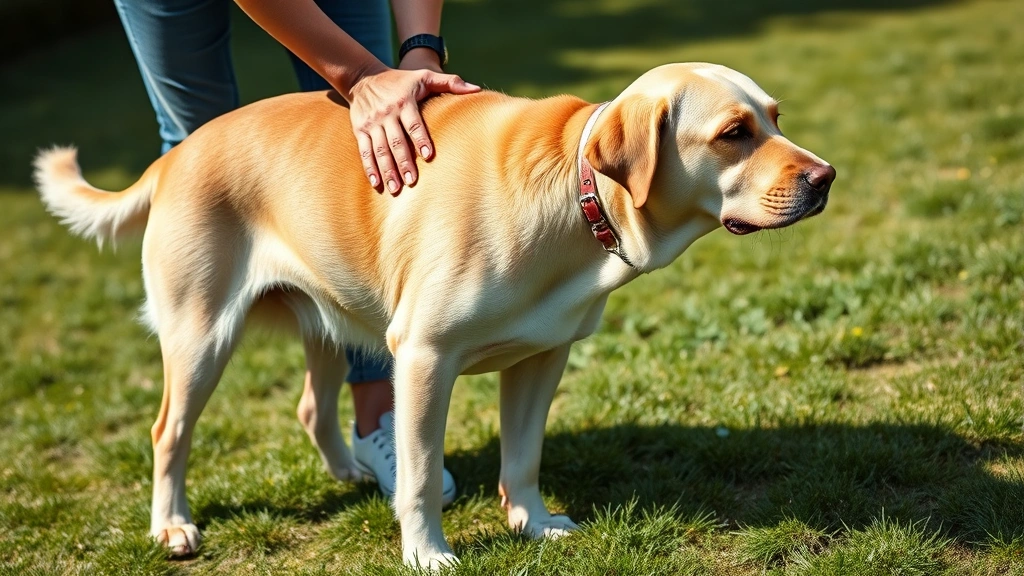
Corticosteroids may be considered in certain cases, though they’re typically reserved for specific situations due to long-term side effects. Your vet will weigh the benefits and risks carefully.
Never give your dog over-the-counter pain relievers meant for humans—many are toxic to dogs. Always work with your veterinarian to find the safest, most effective medication plan.
Non-Medication Approaches to Managing Arthritis
While medication is important, a multi-faceted approach works best. Physical therapy and gentle exercise help maintain muscle strength and joint flexibility. Short, frequent walks on soft surfaces are better than long hikes on hard pavement.
Here are evidence-based strategies to complement your medication plan:
- Maintain a healthy weight: Extra pounds put strain on arthritic joints. Your vet can recommend appropriate nutrition and portion sizes.
- Provide orthopedic bedding: Memory foam beds reduce pressure on joints and provide better support during rest.
- Use ramps or stairs: These reduce the impact on joints when entering vehicles or climbing to furniture.
- Apply warm compresses: Heat therapy can soothe stiff joints before exercise.
- Consider hydrotherapy: Swimming and water therapy are excellent low-impact exercises for arthritic dogs.
- Explore acupuncture: Some senior dogs benefit from this complementary therapy for pain management.
These approaches work synergistically with medication to maximize your dog’s comfort and mobility throughout their senior years.
Nutrition and Diet for Dogs With Arthritis
What your senior dog eats directly impacts their joint health. High-quality proteins support muscle maintenance, which protects arthritic joints. Omega-3 fatty acids have natural anti-inflammatory properties and are especially beneficial.
Some senior dogs with arthritis also experience gastrointestinal sensitivity. If your dog has concurrent digestive issues, consult your vet about appropriate food choices. You can learn more about managing dog gastrointestinal issues and diet to ensure you’re supporting overall wellness.
Ask your veterinarian about prescription diets formulated for joint health, or discuss whether your current food meets your arthritic senior dog’s nutritional needs.
Monitoring Your Senior Dog’s Progress
Once you’ve started a treatment plan, regular monitoring is essential. Keep track of your dog’s mobility, pain levels, and any side effects from medications. Many vets recommend check-ups every 3-6 months for senior dogs on arthritis medication.
Your observations matter tremendously. Note changes in your dog’s activity level, appetite, bathroom habits, and behavior. Share these details with your veterinarian at each visit—they help guide adjustments to the treatment plan. If you’re unsure whether your pet needs urgent care or medication adjustments, a quick virtual vet visit can give you peace of mind without the stress of an office appointment.
Common Health Complications in Senior Dogs With Arthritis
Senior dogs with arthritis sometimes develop related health issues. Reduced mobility can lead to weight gain, which worsens joint stress. Some dogs experience senior dog incontinence due to difficulty accessing outdoor bathroom areas frequently enough.
Additionally, older dogs may be susceptible to various toxins and medications that can complicate arthritis treatment. Understanding dog toxicity in senior pets helps you avoid harmful substances and make informed medication decisions with your vet.

Senior dogs also face increased risk of heart disease, which can interact with certain arthritis medications. Your veterinarian considers your dog’s complete health picture when recommending treatments. Learn more about dog heart disease and foods to avoid if your senior has multiple health conditions.
When to Seek Veterinary Care for Arthritis Concerns
Contact your veterinarian immediately if your senior dog shows signs of severe pain, inability to stand or walk, loss of appetite, or vomiting—these could indicate medication side effects or other serious conditions requiring urgent attention.
Schedule a regular appointment if you notice worsening stiffness, new limping, or decreased response to current medications. Your vet may need to adjust the treatment plan. Don’t wait for symptoms to become severe; proactive management prevents progression and keeps your dog comfortable.
Summary: Supporting Your Senior Dog With Arthritis
Dog arthritis in senior pets is manageable with the right combination of medication, lifestyle modifications, and veterinary care. While there’s no cure, modern treatments can significantly improve your dog’s quality of life and mobility in their golden years.
The key is starting early, working closely with your veterinarian, and maintaining consistent care. Your senior dog depends on you to recognize changes and advocate for their comfort. With dedication and the right support, many arthritic senior dogs continue enjoying walks, playtime, and cuddles for years to come.
Frequently Asked Questions
At what age do senior dogs typically develop arthritis?
Most dogs show signs of arthritis between ages 7-10, though larger breeds may develop it earlier. However, arthritis can develop at any age, especially in dogs with previous joint injuries.
Can arthritis in dogs be cured?
Unfortunately, arthritis cannot be cured, but it can be effectively managed with medication, lifestyle changes, and proper care to reduce pain and maintain mobility.
Is it safe to give my senior dog arthritis medication long-term?
Many arthritis medications are safe for long-term use in senior dogs when prescribed and monitored by your veterinarian. Regular check-ups help ensure the medication continues to be appropriate and effective.
How much exercise should an arthritic senior dog get?
Gentle, consistent exercise is beneficial—typically short walks on soft surfaces several times daily. Your veterinarian can recommend an exercise plan tailored to your dog’s condition and fitness level.
Can diet help with dog arthritis?
Yes, maintaining a healthy weight and providing omega-3 rich foods supports joint health. Your veterinarian can recommend specific diets designed for arthritic dogs.
What To Do Now
- Schedule a veterinary appointment: If your senior dog shows signs of stiffness or limping, book an exam with your veterinarian to confirm arthritis and discuss treatment options.
- Document your dog’s symptoms: Keep notes on when stiffness occurs, which activities seem painful, and any behavioral changes to share with your vet.
- Assess your home environment: Add ramps, orthopedic bedding, and easy-access water bowls to reduce joint strain in your senior dog’s daily routine.
- Discuss medication options: Work with your veterinarian to understand which medications are recommended for your dog’s specific situation and any monitoring requirements.
- Create a long-term care plan: Establish a schedule for regular check-ups, medication refills, and lifestyle adjustments to keep your senior dog comfortable as arthritis progresses.
This article is for general education and is not a substitute for care from your own veterinarian. Learn about The Pet Vet and our editorial policy.