
If your dog’s behavior has shifted—whether it’s sudden aggression, anxiety, destructiveness, or hyperactivity—you might be overlooking one of the most powerful tools in your toolkit: nutrition. A dog behavioral problems best diet can be the difference between a frustrated household and a calm, well-adjusted companion. Many pet owners don’t realize that what goes into their dog’s bowl directly affects what comes out in their actions, mood, and temperament.
Table of Contents
- How Diet Directly Impacts Your Dog’s Behavior
- Solution 1: Switch to High-Quality Protein Sources
- Solution 2: Incorporate Omega-3 Fatty Acids
- Solution 3: Eliminate Artificial Additives and Fillers
- Solution 4: Balance Blood Sugar with Complex Carbohydrates
- Solution 5: Add Probiotics and Gut-Supporting Nutrients
- Solution 6: Identify and Eliminate Food Sensitivities
- Solution 7: Ensure Adequate Micronutrient Intake
- Practical Implementation: Transitioning Your Dog to a Better Diet
- When to Seek Professional Help
- Summary: The Power of Nutritional Behavior Support
- Frequently Asked Questions
- What To Do Now
This article is for informational purposes only and is not a substitute for professional veterinary advice. Always consult a licensed veterinarian for diagnosis and treatment.
The connection between diet and behavior is backed by veterinary science. Just as a child’s mood can shift after eating processed sugar, your dog’s neurochemistry responds to the nutrients—or lack thereof—in their food. Before you assume your pup needs training or medication, let’s explore how the right diet can reshape their behavior from the inside out.

How Diet Directly Impacts Your Dog’s Behavior
Your dog’s brain runs on glucose, amino acids, and essential fatty acids. When these nutrients are out of balance, behavioral issues often follow. A diet lacking in omega-3 fatty acids, for instance, can leave your dog irritable and anxious. Low-quality proteins may fail to provide adequate amino acids needed for neurotransmitter production—the chemical messengers that regulate mood and impulse control.
Additionally, sudden dietary changes or food sensitivities can trigger inflammatory responses in the gut, which research increasingly links to behavioral changes. The gut-brain connection is real, and an inflamed digestive system can manifest as aggression, anxiety, or hyperactivity.

Catching this early puts you in a great position to help. Many behavioral issues improve dramatically once nutrition is optimized.
Solution 1: Switch to High-Quality Protein Sources
Protein isn’t just for muscle—it’s essential for producing serotonin and dopamine, the neurotransmitters that keep your dog calm and focused. Low-quality commercial kibbles often use protein sources that are poorly digestible, leaving your dog nutritionally depleted despite appearing “fed.”

Look for diets listing whole meat as the first ingredient:
- Chicken, beef, turkey, or fish (not meat by-products)
- Organ meats like liver and kidney, which are nutrient-dense
- Plant-based proteins combined with animal proteins for complete amino acid profiles
A diet rich in high-quality protein helps stabilize blood sugar and mood throughout the day. This is one of the quickest wins in addressing behavioral problems through nutrition.

Solution 2: Incorporate Omega-3 Fatty Acids
Omega-3 fatty acids are like nature’s antidepressant for dogs. They reduce inflammation in the brain and support healthy neurological function. Dogs with anxiety, aggression, or compulsive behaviors often show improvement when omega-3 intake increases.
Sources of omega-3s for dogs include:

- Fish-based diets (salmon, sardines, mackerel)
- Fish oil supplements (discuss dosage with your vet)
- Flaxseed and chia seeds as plant-based options
The omega-3 to omega-6 ratio matters too. Modern commercial diets often skew too heavily toward omega-6, which can promote inflammation. Rebalancing this ratio through diet can noticeably calm a reactive or anxious dog within 4-6 weeks.
Solution 3: Eliminate Artificial Additives and Fillers
Artificial colors, flavors, and preservatives are neurotoxins for your dog’s brain. Hyperactivity, aggression, and anxiety often spike in dogs eating diets loaded with these chemicals. This is especially true for dogs with sensitivities, though all dogs benefit from cleaner nutrition.

When reviewing dog food labels, avoid:
- BHA, BHT, and ethoxyquin (chemical preservatives)
- Artificial food dyes (Red 40, Yellow 5, etc.)
- Excessive corn syrup or sugar
- Unidentified “meat by-products”
Switching to a preservative-free, additive-free diet is often a turning point for dogs with unexplained behavioral shifts. Many owners report calmer, more focused dogs within 2-3 weeks.

Solution 4: Balance Blood Sugar with Complex Carbohydrates
Blood sugar crashes lead to irritability, anxiety, and poor impulse control in dogs—just like in humans. A diet heavy in simple carbohydrates (refined grains, low-quality kibble) causes energy and mood swings throughout the day.
Complex carbohydrates like sweet potato, brown rice, and oats provide sustained energy and stable blood sugar. This stability translates directly to calmer, more predictable behavior.
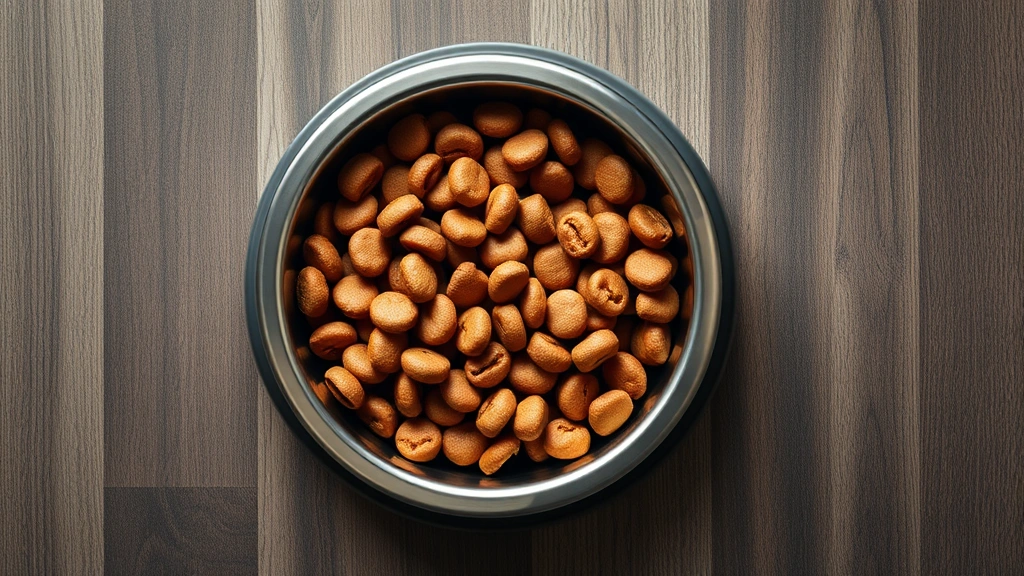
Additionally, fiber from whole food carbohydrates supports gut health, which we now know influences mood and behavior. A healthier gut microbiome means a healthier, happier dog.
Solution 5: Add Probiotics and Gut-Supporting Nutrients
The gut-brain axis is a game-changer in understanding dog behavioral problems. When your dog’s digestive system is compromised, behavioral issues often follow. Probiotics help restore healthy gut bacteria, which produce neurotransmitters and reduce inflammation.

Consider adding:
- Probiotic supplements designed for dogs
- Fermented foods like plain kefir or sauerkraut (small amounts)
- Prebiotic foods like pumpkin and sweet potato
- Bone broth for gut lining support
This approach works best when combined with a high-quality base diet. Think of probiotics as reinforcements for an already-solid nutritional foundation.

Solution 6: Identify and Eliminate Food Sensitivities
Some dogs have sensitivities to common ingredients like chicken, beef, wheat, or corn. These sensitivities don’t always cause obvious digestive upset—sometimes they manifest purely as behavioral changes: aggression, anxiety, or obsessive behaviors.
If behavioral issues are persistent despite dietary improvements, an elimination diet under veterinary guidance can identify problem foods. This involves feeding a limited ingredient diet for 8-12 weeks, then slowly reintroducing foods to pinpoint triggers.
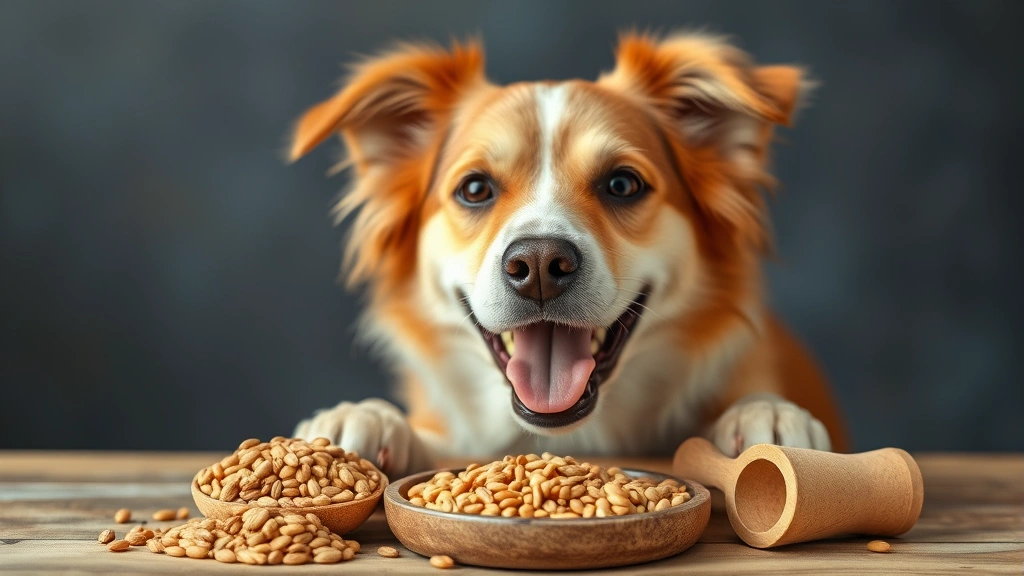
Common culprits include grains, beef, and artificial additives. Identifying and removing these can be transformative. For more on foods to avoid, check out our guide on dog toxicity and foods to avoid.
Solution 7: Ensure Adequate Micronutrient Intake
Vitamins and minerals like B vitamins, magnesium, zinc, and iron are critical for brain function and mood regulation. Deficiencies in these nutrients can trigger behavioral problems that seem unrelated to nutrition.

A balanced diet should include:
- Adequate B vitamins for nervous system health
- Magnesium for stress reduction and muscle relaxation
- Zinc for immune function and mood stability
- Iron and copper for energy and cognitive function
Whole food diets naturally contain these nutrients in bioavailable forms. If your dog is on a home-cooked or raw diet, work with a veterinary nutritionist to ensure all micronutrients are covered.

Practical Implementation: Transitioning Your Dog to a Better Diet
Changing your dog’s diet too quickly can cause digestive upset, which ironically worsens behavior temporarily. A gradual transition is key to success.
Follow this 7-10 day transition schedule:

- Days 1-2: 75% old food, 25% new food
- Days 3-4: 50% old food, 50% new food
- Days 5-6: 25% old food, 75% new food
- Days 7-10: 100% new food
Monitor your dog for digestive changes, energy shifts, and behavioral improvements. Most owners notice behavioral changes within 2-4 weeks, though some improvements take 6-8 weeks as the body fully adjusts.
When to Seek Professional Help
While diet is powerful, it’s not a cure-all. If your dog’s behavioral issues are severe, involve injury risk, or don’t improve after 4-6 weeks of dietary optimization, professional intervention is necessary.

A veterinarian can rule out underlying medical conditions—thyroid issues, pain, neurological problems—that might be driving behavior. If you’re unsure whether your pet needs urgent care or a professional behavior assessment, a quick telehealth check-in can give you peace of mind—no appointment needed.
The best approach combines proper nutrition with training, environmental management, and professional guidance when needed. Diet is your foundation; everything else builds from there.
Summary: The Power of Nutritional Behavior Support
Your dog’s behavior is intricately connected to their nutrition. By prioritizing high-quality protein, omega-3 fatty acids, and whole food ingredients while eliminating artificial additives and identifying sensitivities, you’re addressing behavior at its source.
The seven solutions outlined here—high-quality protein, omega-3s, additive elimination, complex carbohydrates, gut support, sensitivity identification, and micronutrient adequacy—form a comprehensive approach to behavioral improvement through diet.
Most dogs show noticeable improvements within 2-6 weeks. The investment in better nutrition often pays dividends in behavior, health, and your overall relationship with your dog. Start with one or two changes, observe the results, and build from there.
Frequently Asked Questions
Can diet really fix aggression in dogs?
Diet is a powerful tool that addresses nutritional imbalances contributing to aggression, but it works best alongside training and professional guidance. If aggression is severe or dangerous, consult a veterinary behaviorist immediately.
How long does it take to see behavioral improvements from a new diet?
Most dogs show noticeable changes within 2-4 weeks, though some improvements take 6-8 weeks as the body fully adjusts to better nutrition.
Is prescription dog food necessary for behavioral issues?
Not always. Many high-quality commercial or fresh diets work well. Your vet can recommend options based on your dog’s specific needs and sensitivities.
Can food allergies cause behavioral problems?
Yes. Food sensitivities can trigger inflammation and neurological changes that manifest as anxiety, aggression, or hyperactivity, even without obvious digestive symptoms.
Should I add supplements to my dog’s diet?
Supplements like probiotics and omega-3s can be beneficial, but discuss dosage and necessity with your vet. A balanced whole food diet may provide everything your dog needs.
What To Do Now
- Review your dog’s current food label and identify the first three ingredients. If they’re not whole meats or named protein sources, consider a switch to a higher-quality option.
- Schedule a brief consultation with your vet to rule out medical causes for behavioral changes and discuss whether an elimination diet might be helpful for your dog.
- Plan a gradual dietary transition over 7-10 days to your chosen new food, monitoring for digestive changes and behavioral shifts.
- Add an omega-3 source such as fish-based food or a supplement, and observe your dog’s anxiety and reactivity levels over 4-6 weeks.
- Keep a simple behavior journal noting your dog’s mood, energy, and behavioral patterns before and after dietary changes to track progress objectively.
Your dog’s behavior transformation may be just one good meal away. Start today, stay patient, and watch your furry friend flourish.
This article is for general education and is not a substitute for care from your own veterinarian. Learn about The Pet Vet and our editorial policy.