
If your dog’s behavioral problems seem to come out of nowhere, their food might be the culprit. Many pet owners don’t realize that dog behavioral problems foods to avoid can trigger aggression, anxiety, hyperactivity, and destructive behavior—sometimes within hours of eating.
Table of Contents
- How Food Affects Your Dog’s Behavior and Mood
- 1. Artificial Additives and Food Dyes
- 2. Excessive Sugar and High-Glycemic Carbs
- 3. Low-Quality Protein and Meat By-Products
- 4. Grain Allergies and Sensitivities
- 5. Excessive Salt and Sodium
- 6. Caffeine and Theobromine (Hidden in Treats)
- 7. Fatty Foods and Rancid Fats
- The Gut-Brain Connection: Why Diet Matters So Much
- How to Identify Food-Related Behavioral Problems
- Making the Transition to a Better Diet
- Working With Your Vet on Dietary Changes
- Key Takeaways: Foods to Avoid and What to Feed Instead
- Frequently Asked Questions
- What To Do Now
- Final Thoughts: Your Dog’s Behavior Starts in Their Bowl
This article is for informational purposes only and is not a substitute for professional veterinary advice. Always consult a licensed veterinarian for diagnosis and treatment.
The connection between diet and behavior is real and well-documented. Just like humans, dogs can experience mood swings, irritability, and impulsive behavior when they consume certain ingredients. The good news? Once you identify and eliminate these food triggers, you may see a dramatic shift in your pup’s temperament.
How Food Affects Your Dog’s Behavior and Mood
Your dog’s brain chemistry is sensitive to what goes into their bowl. Certain ingredients can cause inflammation, blood sugar spikes, and nutrient imbalances that directly impact behavior.
When a dog eats foods high in artificial additives or low-quality proteins, their nervous system can become overstimulated. This overstimulation often manifests as reactivity, jumping, excessive barking, or even aggression. Some dogs also experience anxiety and restlessness.
The inflammatory response triggered by certain foods can also affect mood-regulating neurotransmitters like serotonin and dopamine. This is why a behavioral shift sometimes happens within 24 hours of a dietary change.
1. Artificial Additives and Food Dyes
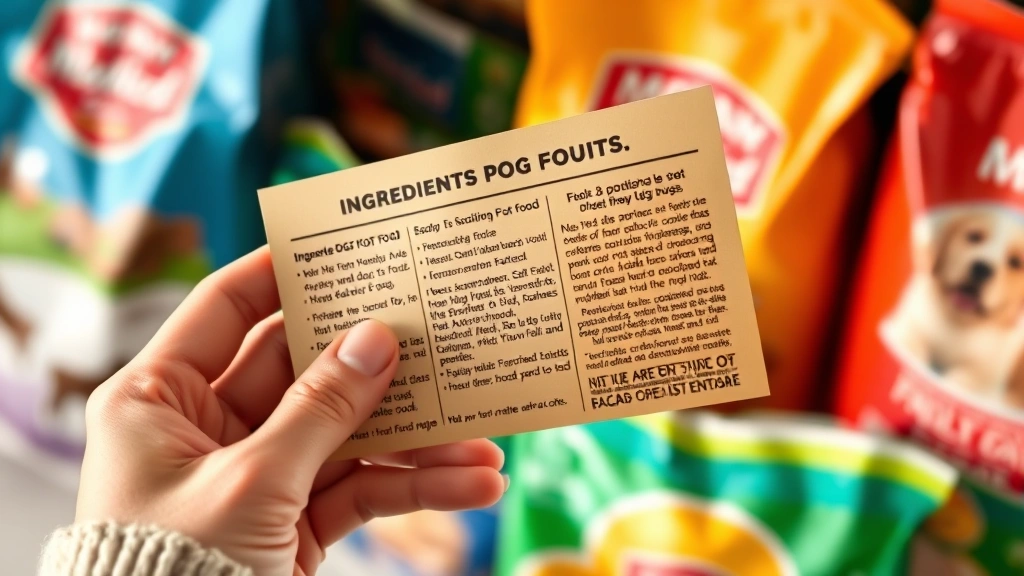
Artificial colors and preservatives are among the most common dog behavioral problems foods to avoid. Red dye #40, yellow #5, and BHA/BHT are particularly problematic.
These additives were designed for human food aesthetics and shelf life—not dog health. Studies have linked artificial dyes to hyperactivity, impulsivity, and aggression in both children and dogs.
Check your dog’s food labels for these red flags:
- Red #40, Yellow #5, Yellow #6, Blue #1
- BHA, BHT, Ethoxyquin (preservatives)
- Artificial flavoring agents
- Sodium nitrite
Switching to a dye-free, naturally preserved food can sometimes reduce behavioral issues within 2-3 weeks. Many pet owners report calmer, more focused dogs after making this change.
2. Excessive Sugar and High-Glycemic Carbs
Sugar and refined carbohydrates cause rapid blood glucose spikes, followed by crashes that leave dogs jittery, anxious, and irritable. This roller coaster effect is a hidden driver of behavioral problems.
When blood sugar crashes, your dog’s body releases stress hormones like cortisol and adrenaline. These hormones trigger the fight-or-flight response, making your pup reactive and aggressive.
Common culprits include:
- Corn syrup and honey-sweetened treats
- Corn meal and corn flour as primary ingredients
- Wheat and soy-based kibbles
- Treats marketed as “grain-free” but loaded with potato starch
A low-glycemic diet with stable protein and healthy fats keeps blood sugar steady and mood even. Your dog will feel calmer and more predictable throughout the day.
3. Low-Quality Protein and Meat By-Products
Dogs need high-quality, identifiable protein sources to maintain healthy brain function. Meat by-products, meat meal, and unnamed protein sources don’t provide the amino acids your dog’s nervous system requires.
When dogs don’t get enough taurine, L-theanine, and other mood-regulating amino acids, anxiety and aggression often follow. Low protein diets are also linked to poor impulse control and increased reactivity.
Look for these quality indicators on your dog food label:
- Named meat sources (chicken, beef, fish, lamb) in the first three ingredients
- Protein content of at least 25% for adult dogs
- Whole meat or meat meal, not “by-products”
- Amino acid profiles that support brain health
Upgrading to a high-quality protein source often results in noticeably better behavior within 4-6 weeks.
4. Grain Allergies and Sensitivities
While not all dogs are grain-sensitive, those who are may experience behavioral issues when eating wheat, corn, or soy. Grain allergies cause intestinal inflammation that disrupts nutrient absorption and gut-brain communication.
The gut-brain connection is powerful. When your dog’s digestive system is inflamed, their mood and behavior suffer. Anxiety, aggression, and obsessive behaviors sometimes indicate an underlying grain sensitivity.
Signs your dog might have a grain sensitivity include:
- Itching or excessive scratching
- Digestive upset or loose stools
- Sudden behavioral changes
- Ear infections or yeast overgrowth
An elimination diet under veterinary guidance can help identify grain triggers. Many dogs show dramatic behavioral improvements once problem grains are removed.
5. Excessive Salt and Sodium
High-sodium diets can increase anxiety, aggression, and hyperactivity in dogs. Salt affects electrolyte balance and can trigger neurological overstimulation.
Many commercial dog foods contain surprising amounts of salt for flavor and preservation. This hidden sodium can contribute to behavioral issues you might not connect to diet.
Check for sodium content on your dog’s food label—it should be less than 0.5% on a dry matter basis. Reducing salt intake often leads to a calmer, more balanced dog.
6. Caffeine and Theobromine (Hidden in Treats)
Chocolate is the obvious culprit, but caffeine and theobromine can hide in unexpected places. Some dog treats, especially those flavored with “cocoa” or containing green tea extract, contain these stimulants.
These compounds overstimulate the nervous system, causing restlessness, anxiety, and hyperactivity. Even small amounts can affect sensitive dogs.
Always check treat labels for:
- Chocolate or cocoa powder
- Green tea extract or matcha
- Coffee flavoring
- Cola nut or guarana
Eliminating these stimulants can help anxious or hyperactive dogs become noticeably calmer. Catching this early puts you in a great position to help your pup find their equilibrium.
7. Fatty Foods and Rancid Fats
While dogs need healthy fats for brain function, excessive fat or rancid oils can cause inflammation and behavioral issues. Oxidized fats are particularly problematic for mood and cognition.
Low-quality kibble stored improperly can develop rancid fats that trigger inflammation throughout the body. This inflammation affects the brain and nervous system, leading to irritability and aggression.
Choose foods with:
- Fresh, identifiable fat sources (fish oil, chicken fat from named sources)
- Proper storage in cool, dry conditions
- Natural antioxidants like vitamin E and rosemary extract
- Fat content appropriate for your dog’s activity level (typically 10-15%)
Switching to fresh, properly stored food with quality fats can improve energy levels and emotional stability within weeks.
The Gut-Brain Connection: Why Diet Matters So Much
Your dog’s gut produces about 90% of their serotonin. When diet disrupts gut health, mood and behavior suffer dramatically. This gut-brain axis is why behavioral changes often follow dietary changes so quickly.
A healthy microbiome supports emotional regulation, stress resilience, and impulse control. Poor-quality foods feed harmful bacteria and starve beneficial ones, disrupting this delicate balance.
Probiotics and whole, unprocessed foods support a healthy gut microbiome. Many behavioral improvements start in the digestive system.
How to Identify Food-Related Behavioral Problems
Not all behavioral issues stem from diet, but many do. Here’s how to tell if food might be the culprit:

- Timing: Does behavior worsen within hours or days of eating certain foods?
- Consistency: Does the problem happen every time your dog eats that food?
- Other symptoms: Does your dog also show digestive upset, itching, or ear issues?
- Improvement: Do symptoms improve when you switch to a different food?
- Age: Did the behavior start around the time you changed foods?
Keeping a food and behavior journal for 2-3 weeks can reveal patterns you might otherwise miss. This information is invaluable when working with your veterinarian.
Making the Transition to a Better Diet
Switching your dog’s food too quickly can cause digestive upset, which can actually worsen behavior temporarily. A gradual transition is essential.
Follow this transition schedule:
- Days 1-3: Mix 75% old food with 25% new food
- Days 4-6: Mix 50% old food with 50% new food
- Days 7-9: Mix 25% old food with 75% new food
- Day 10+: Transition to 100% new food
Some sensitive dogs need a slower transition over 3-4 weeks. Watch for digestive upset and adjust the timeline if needed. Once fully transitioned, give the new diet at least 4-6 weeks to show behavioral benefits.
Working With Your Vet on Dietary Changes
While diet changes can be powerful, they work best alongside professional guidance. Your veterinarian can rule out medical causes of behavioral problems and recommend appropriate dietary adjustments.
If you’re unsure whether your dog needs urgent care or if behavioral changes warrant a vet visit, a quick telehealth check-in can give you peace of mind—no appointment needed. The Pet Vet offers online consultations for behavioral concerns, making it easy to discuss diet-behavior connections from home.
Your vet might also recommend elimination diets or allergy testing to pinpoint specific food triggers. This systematic approach is often more effective than trial-and-error changes.
Key Takeaways: Foods to Avoid and What to Feed Instead
Here’s a quick reference guide for the most important changes:
| Avoid | Choose Instead |
|---|---|
| Artificial dyes and preservatives | Naturally preserved, dye-free kibble |
| High-sugar, high-carb foods | Low-glycemic, protein-rich formulas |
| Meat by-products and unnamed proteins | Named meat sources (chicken, beef, fish) |
| Grain-heavy kibbles (if sensitive) | Grain-free or limited ingredient diets |
| High-sodium foods | Low-sodium, whole food options |
| Treats with caffeine or chocolate | Natural, stimulant-free treats |
| Rancid or low-quality fats | Fresh fats from named sources |
For dogs with skin allergies or other health concerns, specialized diets designed for skin health can also support behavioral improvement. Similarly, parasites can affect behavior, so ruling out infestations is important.
Frequently Asked Questions
Can diet really cause aggression in dogs?
Yes. Artificial additives, blood sugar spikes, and nutrient deficiencies can trigger aggressive behavior. Many dogs show significant improvement within 4-6 weeks of dietary changes.
How long does it take to see behavioral improvements after changing food?
Some improvements appear within days, but most behavioral changes take 4-6 weeks to fully manifest. Digestive adjustment happens first, followed by mood and behavior stabilization.
Is grain-free food better for behavioral problems?
Only if your dog has a grain sensitivity. Not all dogs need grain-free diets. Work with your vet to determine if grains are a trigger for your specific dog.
Can treats cause behavioral problems?
Absolutely. Treats with artificial dyes, sugar, caffeine, or low-quality ingredients can trigger the same behavioral issues as poor-quality kibble. Always check treat labels carefully.
Should I do an elimination diet to identify food triggers?
An elimination diet under veterinary supervision is the most reliable way to identify food triggers. Your vet can guide you through this process safely and effectively.
What To Do Now
- Review your dog’s current food label and identify any artificial dyes, by-products, or suspicious ingredients. Write down anything questionable.
- Keep a food and behavior journal for the next 2-3 weeks, noting what your dog eats and any behavioral changes within 24 hours.
- Schedule a telehealth consultation with a veterinarian to discuss your dog’s behavioral concerns and get personalized dietary recommendations. The Pet Vet offers convenient online consultations for behavior-related questions.
- Research 2-3 high-quality dog food brands that avoid the seven problematic ingredients listed above. Look for foods with named meat sources and natural preservation.
- Plan a gradual transition to your new food over 10 days, and commit to observing your dog’s behavior for at least 4-6 weeks before deciding if the change is effective.
Final Thoughts: Your Dog’s Behavior Starts in Their Bowl
The connection between diet and dog behavior is undeniable. While behavioral problems have many causes, eliminating problematic foods is one of the most impactful changes you can make.
You don’t need to overhaul everything at once. Start by removing the most obvious culprits—artificial additives, excessive sugar, and low-quality proteins—and observe your dog’s response. Many pet owners are amazed at how much calmer, more focused, and happier their dogs become.
Remember, every dog is unique. What works for one pup might not work for another. This is why working with your veterinarian is so valuable. They can help you identify your dog’s specific triggers and create a dietary plan tailored to their individual needs.
Your dog is counting on you to fuel their body and brain with the best nutrition possible. By avoiding these behavioral trigger foods, you’re not just improving behavior—you’re investing in your pup’s long-term health, happiness, and quality of life.
This article is for general education and is not a substitute for care from your own veterinarian. Learn about The Pet Vet and our editorial policy.