
Getting an esa letter fast for cat support can feel urgent when your feline friend is struggling, and understanding what medications might help is a crucial first step. If your cat is showing signs of anxiety, behavioral issues, or other conditions that could benefit from emotional support animal designation, you’re probably wondering what the process looks like and how quickly you can get answers.
Table of Contents
- What Is an ESA Letter and Why Your Cat Might Need One
- The Difference Between Veterinary Care and ESA Letter Documentation
- Common Medications for Cats Experiencing Anxiety or Behavioral Issues
- Getting Vet Advice Fast: Why Telehealth Matters
- Steps to Get Your Cat Evaluated for Potential Medication Needs
- Red Flags: When Your Cat Needs Urgent Care
- The Timeline: How Long Does Everything Actually Take?
- Medication Considerations and Safety for Your Cat
- Behavioral Support Alongside Medication
- Cost Considerations for Fast ESA Documentation and Medication
- Frequently Asked Questions
- What To Do Now
- Summary: Getting Fast Help for Your Cat
This article is for informational purposes only and is not a substitute for professional veterinary advice. Always consult a licensed veterinarian for diagnosis and treatment.
The good news? You don’t have to navigate this alone, and there are faster ways to get professional guidance than you might think. Let’s walk through what you need to know about obtaining an ESA letter for your cat and the medication considerations that often come with it.
What Is an ESA Letter and Why Your Cat Might Need One
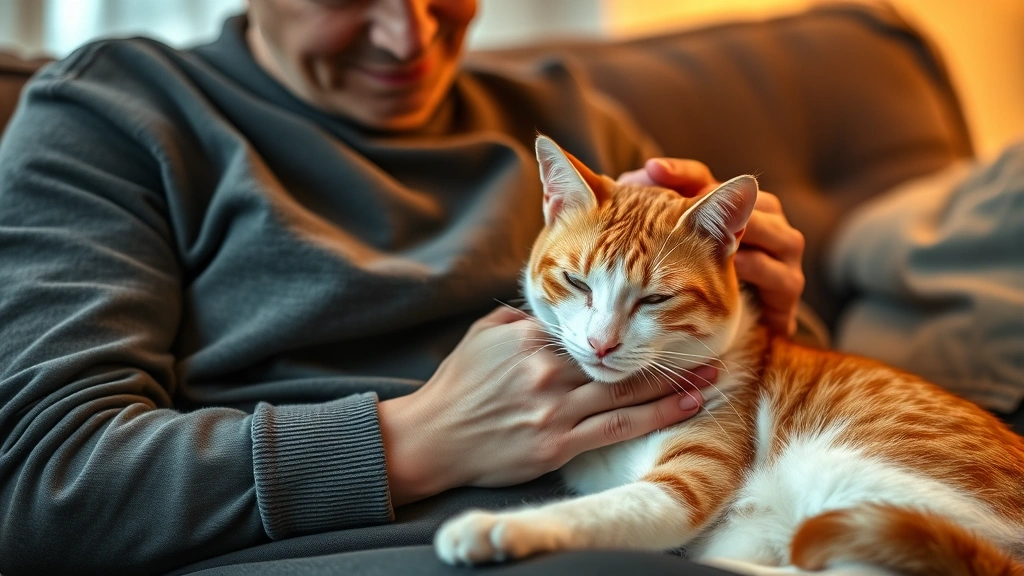
An Emotional Support Animal (ESA) letter is a document from a licensed mental health professional that certifies your cat provides therapeutic benefits for your emotional or psychological well-being. This differs from a service animal, which is trained to perform specific tasks.
Your cat might benefit from ESA designation if they help you manage anxiety, depression, PTSD, or other mental health conditions. The letter provides legal protections in housing and travel situations, allowing your cat to accompany you in no-pet apartments or on flights in the cabin.
However, getting an ESA letter fast for cat requires working with a qualified mental health professional—not a veterinarian. This is where many pet owners get confused, so let’s clarify that important distinction.
The Difference Between Veterinary Care and ESA Letter Documentation
Your veterinarian plays a vital role in your cat’s overall health, but they cannot issue an ESA letter. ESA letters must come from licensed mental health professionals like therapists, psychologists, or psychiatrists who have evaluated your mental health needs.
What your vet can do is address any underlying medical or behavioral conditions your cat may be experiencing. If your cat is anxious, aggressive, or showing other behavioral signs, your veterinarian can help determine if medication or behavioral modification might be appropriate.
Think of it this way: your mental health provider documents why you need the ESA, and your vet ensures your cat is healthy and able to provide that support effectively.
Common Medications for Cats Experiencing Anxiety or Behavioral Issues
If your cat is showing anxiety or behavioral problems alongside needing ESA support, your veterinarian may discuss medication options. Several classes of medications could be considered, depending on your cat’s specific situation.
Selective serotonin reuptake inhibitors (SSRIs) are commonly discussed for cats experiencing anxiety or compulsive behaviors. These work by affecting serotonin levels in the brain and may help reduce stress-related symptoms over time.
Tricyclic antidepressants represent another category your vet might mention. These older medications can be effective for certain anxiety presentations, though they may have more side effects than newer options.
Benzodiazepines are fast-acting anti-anxiety medications that work quickly but are typically used short-term or as-needed rather than long-term. Your vet would discuss the appropriate use based on your cat’s needs.
Alpha-2 agonists may be recommended for acute anxiety situations, such as before travel or vet visits. These medications work differently than SSRIs and take effect relatively quickly.
Getting Vet Advice Fast: Why Telehealth Matters
When you’re trying to help your cat quickly, waiting weeks for a veterinary appointment can feel impossible. This is where speaking to a vet online becomes a game-changer.
Telehealth veterinary consultations let you connect with licensed vets from your home, often within hours rather than days. You can discuss your cat’s symptoms, behavioral concerns, and medication questions without the travel time or appointment delays.
If you’re unsure whether your cat needs urgent care or medication evaluation, getting vet advice right now through telehealth can give you immediate peace of mind. A quick consultation helps you understand what’s normal versus what needs intervention.
Steps to Get Your Cat Evaluated for Potential Medication Needs
Here’s a practical roadmap for getting your cat the help they need:
- Document your cat’s symptoms: Note specific behaviors, when they occur, and any patterns you’ve noticed. Does your cat hide when strangers visit? Become aggressive during handling? Show excessive grooming? Details matter.
- Schedule a veterinary consultation: Whether in-person or via telehealth consultation, your vet needs a complete picture of your cat’s health history and current symptoms.
- Discuss non-medication options first: Environmental enrichment, behavioral modification, and lifestyle changes often help before or alongside medication.
- Ask about medication if appropriate: If your vet recommends it, discuss specific options, expected timelines for improvement, and monitoring needs.
- Work with a mental health professional separately: For the ESA letter itself, connect with a licensed therapist or counselor who can evaluate your mental health needs.
Taking these steps in order ensures your cat gets proper medical evaluation while you pursue ESA documentation through the appropriate channels.
Red Flags: When Your Cat Needs Urgent Care
Some situations require faster intervention than routine consultations. If your cat is showing signs of extreme distress, self-injury, or sudden behavioral changes, emergency vet consultation online might be appropriate.
Signs that warrant urgent attention include:
- Refusal to eat or drink for more than 12 hours
- Extreme aggression or self-injury
- Inability to use the litter box
- Sudden paralysis or loss of coordination
- Excessive vocalization or distress
Catching behavioral or health issues early puts you in a great position to help your cat feel better faster. Don’t wait if something feels seriously wrong.
The Timeline: How Long Does Everything Actually Take?
If you’re looking for an esa letter fast for cat purposes, understanding realistic timelines helps you plan accordingly.
Veterinary evaluation: Telehealth consultations can happen within hours to a day. In-person appointments might take 1-2 weeks depending on your vet’s schedule.
ESA letter from mental health professional: This typically takes 2-4 weeks, as the provider needs to evaluate your mental health needs thoroughly. Legitimate providers won’t rush this process—it’s important that the documentation is genuine.
Medication evaluation and adjustment: If medication is recommended, your vet will likely want to check in after 2-4 weeks to assess how your cat is responding. Full effects might take 4-6 weeks.
The entire process from initial concern to having both proper veterinary care and ESA documentation usually takes 4-6 weeks when you’re moving efficiently.
Medication Considerations and Safety for Your Cat
If your veterinarian recommends medication for your cat, several important factors come into play. Your cat’s age, weight, overall health, and any other medications matter significantly.
Some cats tolerate medications beautifully, while others experience side effects that require adjustment. Your vet will discuss what to watch for and when to report concerns.
Regular monitoring is essential. Your vet may recommend follow-up visits or consultations to ensure the medication is working effectively and not causing problems. This isn’t excessive caution—it’s good medicine.
Never adjust medication doses on your own or stop medication abruptly without veterinary guidance. Even if you think your cat is doing better, the medication plan should be managed by your vet.
Behavioral Support Alongside Medication
Medication works best when combined with environmental and behavioral support. If your cat is anxious, medication alone won’t solve the problem—you’ll also need to address what’s triggering the anxiety.
Environmental enrichment includes:
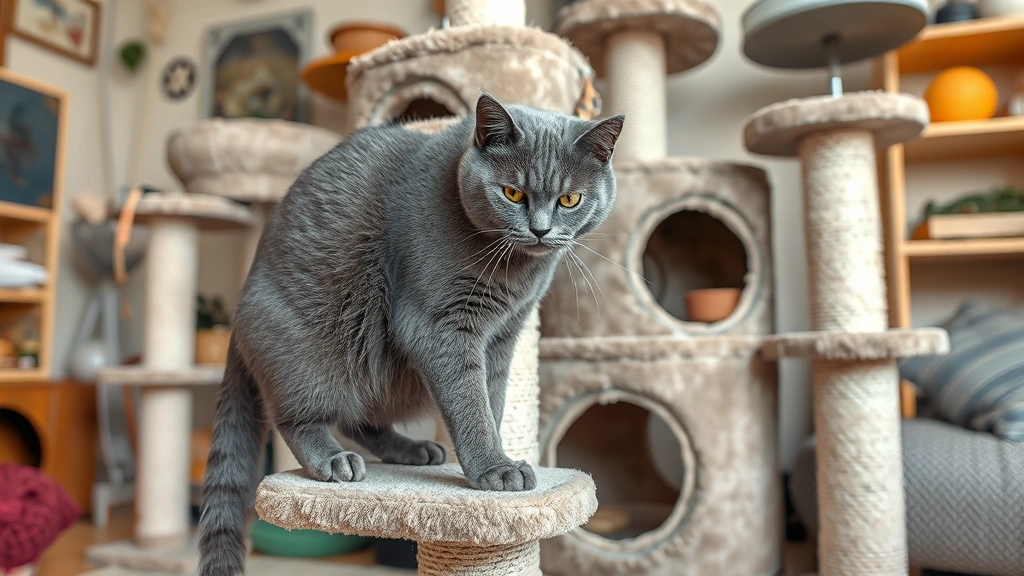
- Vertical spaces (cat trees, shelves) for security
- Hiding spots and safe zones
- Interactive play and mental stimulation
- Consistent routine and predictable schedules
- Pheromone diffusers or calming supplements
Working with a feline behaviorist can be incredibly helpful, especially if your cat’s issues are complex. Many behaviorists work alongside veterinarians to create comprehensive plans.
Cost Considerations for Fast ESA Documentation and Medication
Let’s be honest: getting help fast sometimes costs more than waiting. Telehealth consultations are typically less expensive than emergency vet visits but might cost more than routine appointments scheduled weeks in advance.
ESA letters from mental health professionals usually range from $100-$500, depending on whether you’re establishing a new therapeutic relationship or working with an existing provider.
Medications for cats vary widely in cost, from inexpensive generic options to pricier brand-name medications. Your vet can discuss cost-effective alternatives if budget is a concern.
Many pet owners find that investing in quick, professional help saves money long-term by preventing problems from escalating.
Frequently Asked Questions
Can my veterinarian write an ESA letter for my cat?
No, veterinarians cannot issue ESA letters. Only licensed mental health professionals (therapists, psychologists, psychiatrists) can evaluate your mental health needs and provide ESA documentation.
How fast can I get an ESA letter for my cat?
Legitimate ESA letters typically take 2-4 weeks because the mental health professional must properly evaluate your needs. Be cautious of services promising same-day letters—they may not be legitimate.
Will medication make my cat drowsy or change their personality?
Some medications may cause initial drowsiness, but this often improves as your cat adjusts. Your vet will monitor for personality changes and adjust the treatment plan if needed.
Can I get telehealth vet advice for my anxious cat today?
Yes, many telehealth veterinary services offer same-day or next-day consultations. Check availability on your chosen platform, and have details about your cat’s symptoms ready.
Do I need medication for my cat to qualify for an ESA letter?
No, your cat doesn’t need to be on medication to be an ESA. The ESA designation is based on your mental health needs, not your cat’s medical status.
What To Do Now
Ready to get your cat the support they need? Here are your next steps:
- Schedule a veterinary consultation: Use telehealth if you need answers quickly. Connect with a vet online today to discuss your cat’s symptoms and any medication concerns.
- Document your cat’s behaviors: Write down specific symptoms, triggers, and patterns. This information will be invaluable during your consultation.
- Research mental health providers: Look for licensed therapists or counselors in your area who can evaluate your need for an ESA. Ask about their timeline for issuing letters.
- Prepare questions for your vet: Ask about medication options, non-medication strategies, monitoring needs, and realistic timelines for improvement.
- Follow through with recommendations: Whether that’s medication, behavioral modification, or environmental changes, consistency matters for your cat’s improvement.
Summary: Getting Fast Help for Your Cat
Finding an esa letter fast for cat support starts with understanding that two different professionals play different roles. Your veterinarian addresses your cat’s health and potential medication needs, while a mental health professional documents your need for emotional support.
By using telehealth veterinary services, you can get professional guidance quickly without the typical appointment delays. This fast track to answers means you can start helping your cat sooner and understand whether medication or other interventions might be beneficial.
Remember: rushing to get an ESA letter without proper evaluation from a mental health professional isn’t the answer. The legitimate path takes a few weeks, but it ensures your documentation is genuine and actually protects your rights.
Your cat deserves proper medical care, and you deserve the support an ESA can provide. By taking these steps in the right order and using modern telehealth options, you can help your cat feel better while pursuing the ESA designation that makes sense for your situation.
Don’t hesitate to reach out for professional help today. Your cat’s well-being—and your peace of mind—is worth it.
This article is for general education and is not a substitute for care from your own veterinarian. Learn about The Pet Vet and our editorial policy.