
Discovering that your dog has a fractured rib in dogs can be incredibly stressful, especially when you’re unsure what comes next. If your pup is showing signs of pain, reluctance to move, or shallow breathing, you’re probably worried—and rightfully so. The good news is that with proper care and pain management, most dogs recover well from rib fractures.
Table of Contents
- What Is a Fractured Rib in Dogs?
- Signs Your Dog May Have a Fractured Rib
- When to Seek Emergency Veterinary Care
- Diagnostic Process: How Vets Confirm a Fractured Rib
- Pain Management Options for Rib Fractures
- Nutrition and Recovery Support
- Monitoring for Complications
- Recovery Timeline: What to Expect
- Preventing Future Rib Fractures
- Frequently Asked Questions
- What To Do Now
- Summary: Helping Your Dog Heal From a Fractured Rib
This article is for informational purposes only and is not a substitute for professional veterinary advice. Always consult a licensed veterinarian for diagnosis and treatment.
Rib fractures are more common in dogs than many pet owners realize. Whether your dog was hit by a car, fell from a height, or had a rough play session that went sideways, a broken rib requires immediate attention and a solid pain management plan. In this guide, we’ll walk through what you need to know about recognizing rib fractures, pain relief options, and how to help your furry friend heal.
What Is a Fractured Rib in Dogs?
A fractured rib occurs when one or more of your dog’s ribs break or crack due to trauma or injury. Dogs have 13 pairs of ribs that protect vital organs like the heart and lungs, so a break in any of these bones needs careful management.
Most rib fractures happen after blunt force trauma—car accidents, falls, or rough impacts during play. Some fractures are simple (a clean break), while others are more complex with bone fragments or multiple breaks along the same rib.
The severity depends on which rib is fractured and whether internal organs were damaged. Your vet will use X-rays to get the full picture and determine the best treatment approach for your dog’s specific situation.
Signs Your Dog May Have a Fractured Rib
Recognizing the symptoms early is crucial. Here are the most common signs that your dog could be experiencing a rib fracture:
- Shallow or labored breathing – Your dog may take quick, shallow breaths or seem reluctant to breathe deeply
- Reluctance to move or exercise – Even short walks feel painful, and your pup may prefer lying down
- Sensitivity to touch – Wincing or pulling away when you pet or handle the injured area
- Coughing or difficulty getting comfortable – Especially when lying down or changing positions
- Loss of appetite – Pain can make eating feel like too much effort
- Whimpering or vocalization – Your dog may cry out when moving or being touched
- Hunched posture – Your dog may stand or sit with a tucked abdomen to minimize chest movement
Catching these signs early puts you in a great position to help your dog recover faster and prevent complications.
When to Seek Emergency Veterinary Care
Some rib fractures require immediate emergency attention. If your dog is showing any of these red flags, don’t wait—get to a vet right away:
- Severe difficulty breathing or gasping for air
- Blue-tinged gums or tongue (sign of low oxygen)
- Coughing up blood
- Collapse or extreme lethargy
- Signs of internal bleeding (pale gums, rapid heart rate, weakness)
These symptoms could indicate lung damage, pneumothorax (collapsed lung), or other serious complications. If you’re unsure whether your pet needs urgent care, a quick telehealth check-in can give you peace of mind—no appointment needed.
Diagnostic Process: How Vets Confirm a Fractured Rib
Your veterinarian will start with a physical examination, gently palpating your dog’s chest to identify areas of pain or abnormal rib movement. However, X-rays are essential for confirming the fracture and assessing whether other structures are damaged.
In some cases, your vet may recommend additional imaging like ultrasound or CT scans if they suspect complications such as lung damage or fluid around the heart. These diagnostic tools help create a targeted treatment plan tailored to your dog’s needs.
Be prepared to discuss how the injury happened—this context helps your vet rule out other potential issues and determine if internal injuries need monitoring.
Pain Management Options for Rib Fractures
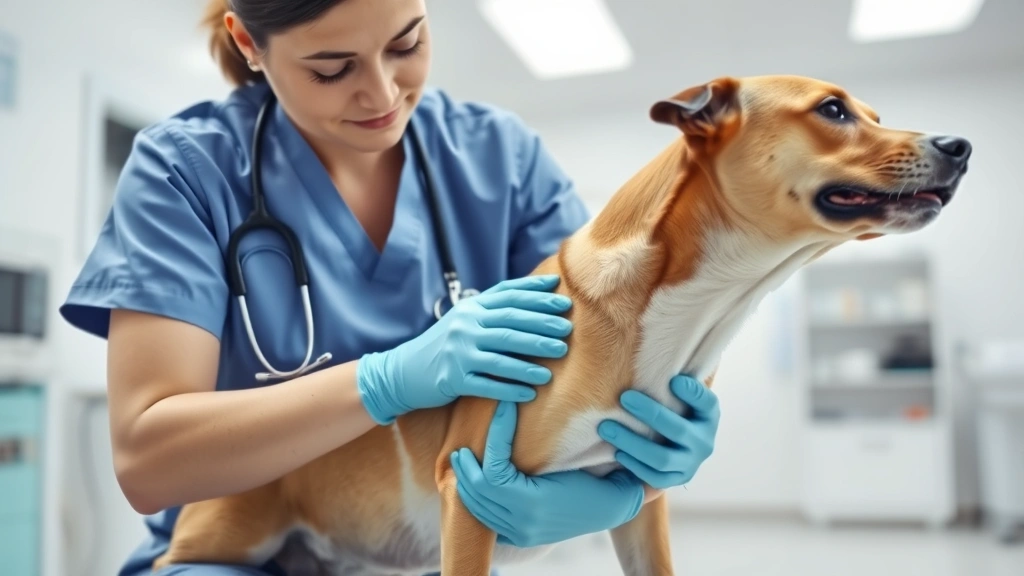
Pain relief is the cornerstone of rib fracture recovery. When your dog is comfortable, they’re more likely to rest properly, breathe deeply, and heal faster. Your vet may recommend several pain management strategies:
Oral Pain Medications
Your veterinarian may prescribe oral pain relievers to manage discomfort. These medications help reduce inflammation and allow your dog to move more comfortably, which is essential for proper healing and preventing secondary complications like pneumonia.
Always give medications exactly as prescribed, and report any side effects to your vet immediately.
Injectable Pain Relief
For severe pain or dogs who struggle with oral medications, injectable pain management may be recommended. These work quickly and can provide relief for several hours, giving your dog a better chance to rest and recover.
Rest and Restricted Activity
This is non-negotiable. Your dog needs strict cage rest or confinement to a small space for at least 4-6 weeks (sometimes longer). No jumping, running, or rough play—even if your pup seems ready to bounce back.
Restrict bathroom breaks to short, supervised walks on a leash. This controlled movement prevents re-injury while still allowing gentle activity that promotes healing.
Supportive Care at Home
Create a comfortable recovery space with soft bedding, easy access to food and water, and minimal stairs. Some owners find that a dog crate or small room works best for keeping their pup calm and preventing accidental injury.
Keep your dog’s environment quiet and stress-free. Anxiety can worsen pain perception, so a calm home environment is therapeutic.
Nutrition and Recovery Support
Proper nutrition plays a vital role in bone healing. Your vet may recommend a high-quality diet rich in protein, calcium, and phosphorus to support bone repair. If your dog is experiencing nausea from pain or medication, anti-nausea medication may help.
For dogs with reduced appetite, consider safe human foods for dogs that are palatable and nutritious. Bone broth (unsalted), cooked chicken, and sweet potato are often well-tolerated.
If your dog has underlying conditions like pancreatitis in dogs, discuss dietary modifications with your vet. You might explore low-fat dog recipes that support healing without triggering digestive upset.
Monitoring for Complications
While most rib fractures heal without major issues, staying vigilant for complications is important. Watch for signs of vomiting in dogs, which could indicate pain medication side effects or internal complications.
Monitor your dog’s breathing closely. If breathing becomes more labored or your dog seems to struggle, contact your vet immediately. Also watch for fever, which could signal infection or pneumonia.
Keep all follow-up appointments. Your vet will want to recheck your dog’s progress and adjust the pain management plan as needed.
Recovery Timeline: What to Expect
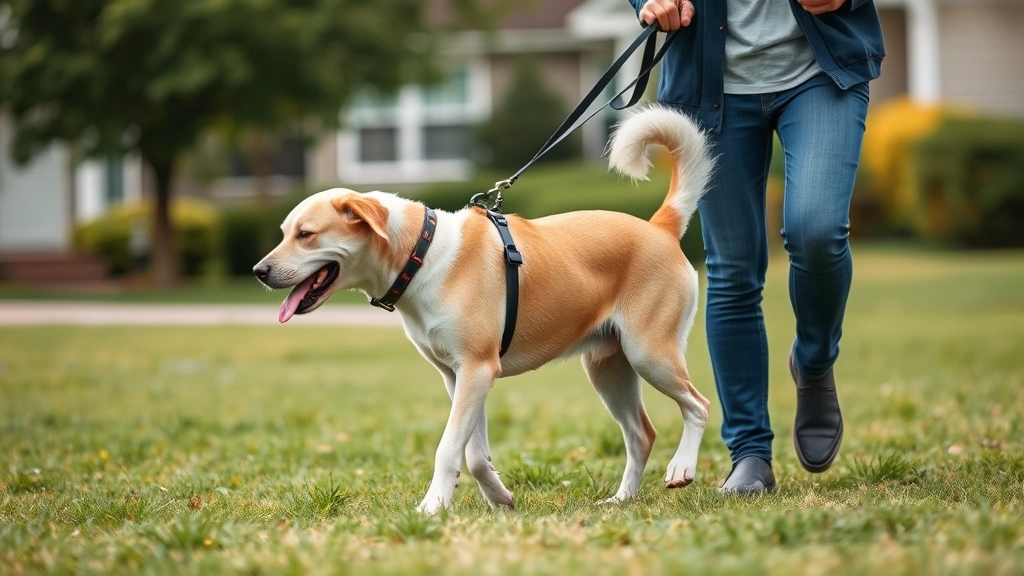
Most uncomplicated rib fractures take 4-6 weeks to heal in dogs, though complete bone remodeling can take several months. Puppies and young dogs often heal faster than senior dogs.
During the first 2-3 weeks, focus on strict rest and pain management. By week 4-6, your vet may gradually allow increased activity if X-rays show good healing progress. However, full return to normal activity may take 8-12 weeks.
Every dog heals at their own pace. Your vet will use repeat X-rays to guide when it’s safe to increase activity levels.
Preventing Future Rib Fractures
Once your dog has recovered, take steps to reduce the risk of another injury. Keep your dog on a leash during walks, avoid high-impact activities on hard surfaces, and supervise playtime with other dogs.
For senior dogs or those with bone health concerns, discuss supplementation with your vet. Maintaining a healthy weight also reduces stress on the skeletal system.
If your dog is prone to accidents or has mobility issues, consider environmental modifications like ramps, non-slip flooring, and protective barriers.
Frequently Asked Questions
Can a fractured rib heal on its own without surgery?
Yes, most uncomplicated rib fractures heal with conservative management—rest, pain relief, and restricted activity. Surgery is typically only needed if there’s severe displacement, lung damage, or if the fracture is causing ongoing complications.
How long does pain medication need to continue?
Pain management duration depends on your dog’s healing progress and comfort level. Your vet will reassess at follow-up visits and may adjust or discontinue medications as healing progresses, typically over 2-6 weeks.
Is it safe to use human pain medication for dogs?
No—never give your dog human pain medication without explicit veterinary approval. Many human medications are toxic to dogs or require different dosing. Always use prescribed veterinary pain relief.
Can my dog get pneumonia from a rib fracture?
Yes, pneumonia is a potential complication, especially if your dog isn’t breathing deeply enough due to pain. This is why pain management and encouraging movement (within limits) are so important during recovery.
When can my dog return to normal activity?
Most dogs can gradually resume normal activity after 6-8 weeks if healing is progressing well, but full recovery can take 12 weeks or longer. Your vet will use X-rays and physical exams to determine the right timeline for your individual dog.
What To Do Now
- Schedule a veterinary exam immediately if you suspect a rib fracture. Bring details about how the injury occurred to help your vet assess for internal damage.
- Create a safe recovery space at home with soft bedding, limited access to stairs, and a confined area that prevents jumping and rough play.
- Follow your vet’s pain management plan precisely—administer medications on schedule and monitor for any side effects or changes in your dog’s condition.
- Restrict activity strictly for the duration recommended by your vet, even if your dog seems eager to play. Premature activity can delay healing or cause re-injury.
- Keep all follow-up appointments so your vet can monitor healing progress and adjust the treatment plan as needed.
Summary: Helping Your Dog Heal From a Fractured Rib
A fractured rib in dogs is painful but manageable with the right approach. Early diagnosis, aggressive pain management, and strict rest are the keys to successful recovery. Your dog will likely need 4-8 weeks of careful care, but most dogs bounce back completely and return to their normal, playful selves.
Work closely with your veterinarian throughout the recovery process. If you’re uncertain about any aspect of your dog’s care or whether symptoms warrant urgent attention, don’t hesitate to reach out. Your vet is your best resource, and staying proactive about your dog’s health ensures the fastest, safest recovery possible.
Remember: your dog is counting on you to keep them safe and comfortable during this healing time. With patience, proper pain management, and lots of love, your pup will be back to normal before you know it.