
If your cat has been sneezing constantly, has nasal discharge that won’t go away, or seems to struggle with breathing through their nose, you might be dealing with chronic sinusitis in cats—a frustrating condition that affects many feline friends. This persistent inflammation of the nasal passages and sinuses can significantly impact your cat’s quality of life, but the good news is that several treatment approaches can help your kitty feel better.
Table of Contents
- Understanding Chronic Sinusitis in Cats
- Common Signs Your Cat May Have Chronic Sinusitis
- How Vets Diagnose Chronic Sinusitis
- Medication Options for Managing Chronic Sinusitis
- Beyond Medications: Supportive Care Strategies
- The Role of Nutrition in Managing Chronic Sinusitis
- When to Consider Advanced Treatments
- Managing Flare-Ups and Long-Term Care
- Complications to Watch For
- When to Seek Urgent Veterinary Care
- Frequently Asked Questions
- Summary: Taking Action for Your Cat’s Comfort
- What To Do Now
This article is for informational purposes only and is not a substitute for professional veterinary advice. Always consult a licensed veterinarian for diagnosis and treatment.
Understanding Chronic Sinusitis in Cats
Chronic sinusitis occurs when the tissues lining your cat’s nasal passages and sinuses become inflamed and remain that way for weeks or months. Unlike a simple cold that resolves on its own, this condition persists and can significantly reduce your cat’s comfort and appetite.
The inflammation can stem from various triggers—allergies, previous infections, nasal polyps, or even dental disease. Your cat’s body may struggle to clear the inflammation on its own, which is why ongoing treatment becomes necessary.
Common Signs Your Cat May Have Chronic Sinusitis
Recognizing the symptoms early helps you get your cat relief faster. Here are the most common signs:
- Frequent sneezing throughout the day
- Persistent clear or colored nasal discharge
- Labored or noisy breathing
- Loss of appetite due to inability to smell food
- Facial swelling or tenderness around the nose
- Excessive drooling or mouth breathing
- Lethargy or reduced activity levels
- Watery or crusty eyes
Catching these signs early puts you in a great position to help your cat feel better sooner. If you notice any combination of these symptoms lasting more than a few weeks, it’s time to reach out to your veterinarian.
How Vets Diagnose Chronic Sinusitis
Your veterinarian will start with a thorough physical examination and ask detailed questions about your cat’s symptoms. They may perform imaging like X-rays or CT scans to visualize the nasal passages and sinuses clearly.
In some cases, your vet might recommend a nasal flush or endoscopy to examine the nasal cavity directly and collect samples. This helps rule out other conditions and identify the underlying cause of the inflammation.
Medication Options for Managing Chronic Sinusitis
While there’s no one-size-fits-all cure, several medications can help manage symptoms and reduce inflammation. Your veterinarian will choose the best approach based on your cat’s specific situation.
Antibiotics for Secondary Infections
When bacteria colonize inflamed nasal tissues, antibiotics become necessary. Your vet may recommend oral or injectable antibiotics to clear secondary bacterial infections that complicate the sinusitis.
These medications work best when used for the full prescribed duration, even if your cat seems better. Stopping too early can allow bacteria to return.
Antifungal Medications
If fungal infection is suspected or confirmed, antifungal medications may be prescribed. These are less common in cats but can be important when fungal organisms are identified.
Corticosteroids and Anti-Inflammatory Agents
Anti-inflammatory medications help reduce the swelling and irritation in your cat’s nasal passages. These can provide significant relief and improve breathing and appetite.
Your vet will discuss the benefits and any monitoring needed with these medications to keep your cat safe.
Nasal Decongestants and Saline Solutions
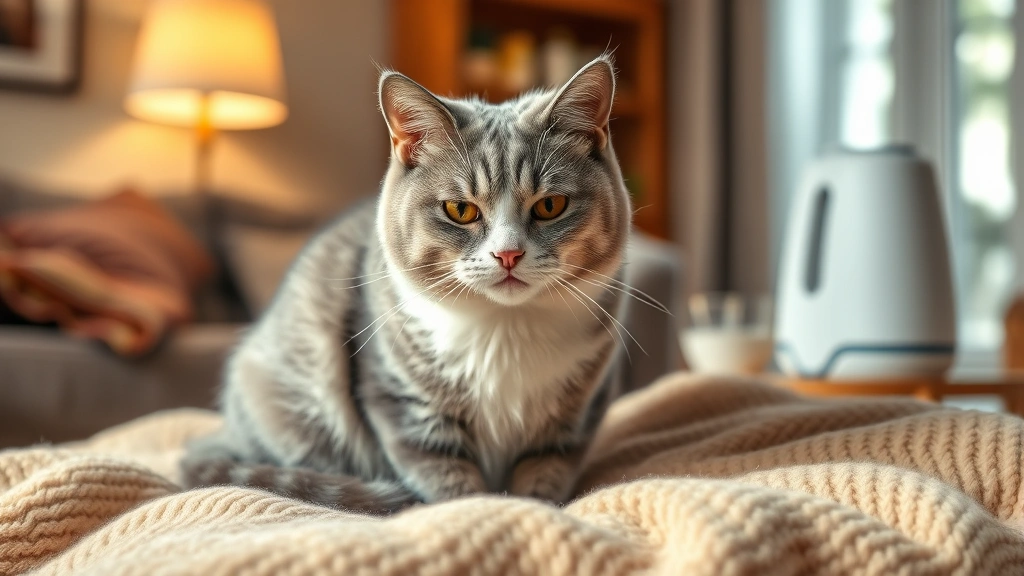
While not medications in the traditional sense, saline nasal rinses and sprays can help clear congestion and provide comfort. These are gentle and can be used regularly to support your cat’s nasal health.
Some cats tolerate these better than others, so work with your vet on the best application method for your feline friend.
Beyond Medications: Supportive Care Strategies
Medication alone isn’t always the complete answer. Supporting your cat’s immune system and overall health makes a real difference in managing chronic sinusitis.
Consider feeding for immune support to help your cat’s body fight inflammation naturally. A high-quality diet rich in appropriate nutrients strengthens your cat’s ability to heal.
Additionally, maintaining a clean environment, using a humidifier to keep air moist, and reducing stress all contribute to your cat’s recovery. Environmental allergens should be minimized where possible.
The Role of Nutrition in Managing Chronic Sinusitis
What your cat eats directly impacts their immune response and ability to manage inflammation. Cats with chronic sinusitis benefit from diets that support immune function and reduce systemic inflammation.
Some cats may benefit from an elimination diet feeding plan if food allergies are contributing to their symptoms. Your vet can guide you through identifying potential dietary triggers.
Ensuring your senior cat receives appropriate nutrition becomes even more critical. If your cat is aging, explore resources on senior cat kidney diet to understand how to support their overall health during treatment.
When to Consider Advanced Treatments
If standard medications and supportive care aren’t providing adequate relief, your vet may recommend additional interventions. These might include nasal flushing procedures, endoscopic surgery, or other specialized treatments.
Some cats respond better to combination therapy—using multiple approaches simultaneously rather than relying on a single medication. Your veterinarian can assess whether your cat would benefit from this approach.
Managing Flare-Ups and Long-Term Care
Chronic conditions often have periods of improvement and periods of worsening. Learning to recognize your cat’s flare-up patterns helps you intervene quickly and prevent severe symptoms.
Keep detailed records of your cat’s symptoms, medication changes, and environmental factors. This information proves invaluable during veterinary visits and helps your vet fine-tune your cat’s treatment plan.
Regular check-ins with your veterinarian ensure your cat’s condition is monitored and medications adjusted as needed. Don’t wait until symptoms become severe to reach out.
Complications to Watch For
While chronic sinusitis itself isn’t immediately life-threatening, untreated inflammation can lead to complications. Secondary infections, chronic pain, and significant quality-of-life reduction can develop without proper management.
Some cats develop chronic upper respiratory disease that affects multiple areas of the nasal system. Others may experience dental issues if the infection spreads. Early and consistent treatment prevents these complications.
When to Seek Urgent Veterinary Care
While chronic sinusitis develops slowly, certain signs warrant immediate veterinary attention. If your cat suddenly stops eating, has difficulty breathing, or shows signs of severe pain, contact your vet right away.
Facial swelling, eye discharge, or neurological signs like head tilting could indicate the infection has spread beyond the sinuses. These situations require prompt professional evaluation.
Frequently Asked Questions
Can chronic sinusitis in cats be cured completely?
Many cats can achieve significant improvement or remission with appropriate treatment, though some may experience periodic flare-ups. Complete resolution depends on the underlying cause and your cat’s individual response to therapy.
How long does it typically take to see improvement?
Some cats show improvement within 2-4 weeks of starting treatment, while others may need 8-12 weeks or longer. Patience and consistent medication adherence are key.
Is chronic sinusitis contagious to other cats?
Most cases of chronic sinusitis aren’t contagious, though if a bacterial or viral infection is the underlying cause, some transmission risk may exist. Your vet can clarify the specific situation with your cat.
What’s the difference between acute and chronic sinusitis?
Acute sinusitis develops suddenly and typically resolves within weeks, while chronic sinusitis persists for months despite treatment. Chronic cases require ongoing management rather than short-term therapy.
Can supplements help manage chronic sinusitis?
Certain supplements may support immune function and reduce inflammation, though they work best alongside prescribed medications. Discuss any supplement additions with your vet first.
Summary: Taking Action for Your Cat’s Comfort
Chronic sinusitis in cats is challenging, but it’s absolutely manageable with the right approach. A combination of appropriate medications, supportive care, and close veterinary monitoring can significantly improve your cat’s quality of life.
Remember that every cat responds differently to treatment. What works beautifully for one cat may need adjustment for another. Working closely with your veterinarian ensures your cat receives personalized care tailored to their specific needs.
Your cat’s persistent sneezing and nasal discharge don’t have to be permanent. With patience and proper treatment, many cats return to eating normally, breathing comfortably, and enjoying their favorite activities.
What To Do Now
- Schedule a veterinary appointment if your cat has shown symptoms of chronic sinusitis for more than a few weeks. Bring notes about when symptoms started and how they’ve progressed.
- Prepare a symptom history documenting sneezing frequency, nasal discharge characteristics, eating patterns, and any environmental changes that coincided with symptom onset.
- If you’re unsure whether your pet needs urgent care, a quick telehealth check-in with The Pet Vet can give you peace of mind—no appointment needed. Our vets can help determine the next best steps.
- Implement supportive care measures like using a humidifier, ensuring fresh water access, and maintaining a clean living environment while you await your appointment.
- Research your cat’s diet and consider whether feeding for immune support might help your cat’s overall health during treatment.