
If your dog is struggling with gastroparesis in dogs, you’re likely watching them push food around their bowl, vomit unexpectedly, or seem uncomfortable after meals—and that’s genuinely worrying. Gastroparesis, also called delayed gastric emptying, happens when your dog’s stomach muscles don’t contract properly, slowing down digestion and causing real discomfort. The good news? With the right approach and professional guidance, many dogs improve significantly.
Table of Contents
- What Is Gastroparesis in Dogs?
- Common Signs Your Dog May Have Gastroparesis
- Underlying Causes and Risk Factors
- How Vets Diagnose Gastroparesis
- Medication Options for Managing Gastroparesis
- Dietary Management and Feeding Strategies
- Lifestyle and Home Care Tips
- When to Seek Emergency Care
- Long-Term Prognosis and Recovery
- Preventing Complications and Muscle Wasting
- Frequently Asked Questions
- What To Do Now
- Summary: Supporting Your Dog Through Gastroparesis
This article is for informational purposes only and is not a substitute for professional veterinary advice. Always consult a licensed veterinarian for diagnosis and treatment.
What Is Gastroparesis in Dogs?
Gastroparesis occurs when the stomach’s muscular contractions weaken, preventing food from moving into the small intestine at a normal pace. Think of it like a traffic jam in your dog’s digestive system. The food sits there longer than it should, leading to nausea, vomiting, and poor nutrient absorption.
This condition can be primary (idiopathic, with no clear cause) or secondary, developing as a complication of another disease. Either way, your dog needs professional evaluation to determine what’s happening and why.
Common Signs Your Dog May Have Gastroparesis
Recognizing the symptoms early is key to getting your pup the help they need. Here are the most common signs:
- Chronic or recurrent vomiting, especially undigested food
- Loss of appetite or reduced interest in meals
- Weight loss despite eating
- Abdominal bloating or distension
- Lethargy or low energy levels
- Bad breath or signs of nausea
- Difficulty gaining or maintaining weight
If you’re seeing these patterns, catching it early puts you in a great position to help. Many dogs respond well once treatment begins, so don’t hesitate to reach out to your vet.
Underlying Causes and Risk Factors
Understanding what might trigger gastroparesis helps your vet narrow down the cause. Several conditions can lead to delayed gastric emptying in dogs, including pancreatitis in dogs, diabetes, hypothyroidism, and certain neurological disorders.
Some medications, stress, and even certain breeds (like German Shepherds and Poodles) may be more predisposed. Additionally, post-surgical complications or gastric obstruction can trigger gastroparesis as a secondary issue.
How Vets Diagnose Gastroparesis
Your veterinarian will use several diagnostic tools to confirm gastroparesis and rule out other conditions. Typically, this includes bloodwork, abdominal ultrasound, and sometimes gastric emptying studies (scintigraphy), which track how quickly food leaves the stomach.
X-rays may also reveal gas accumulation or food retention in the stomach. The diagnostic process takes time, but it’s essential for creating an effective treatment plan tailored to your dog’s specific situation.
Medication Options for Managing Gastroparesis
While we won’t outline specific dosages here (your vet will determine the right amount for your individual dog), several medication classes help improve gastric motility and reduce nausea.
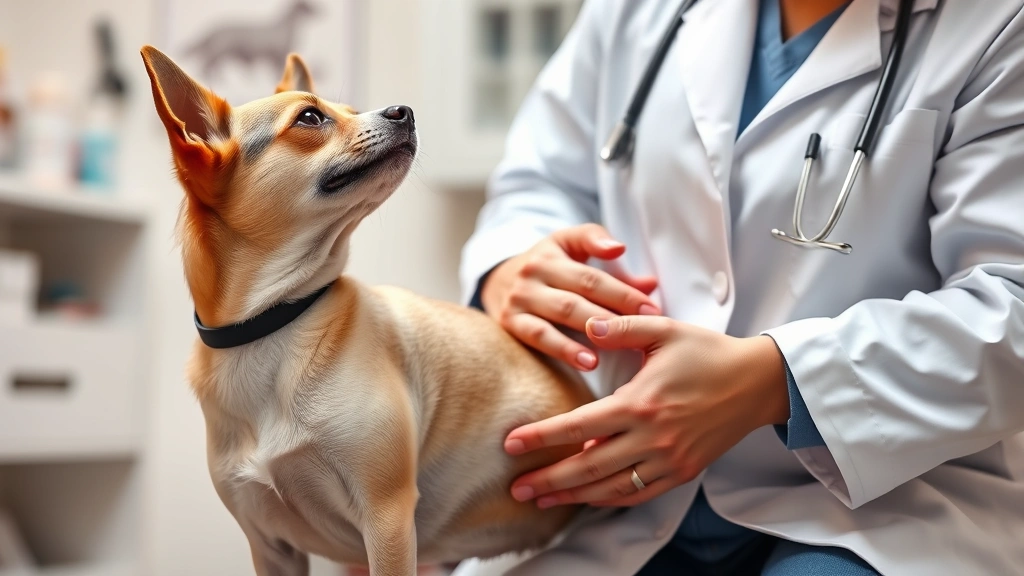
Prokinetic medications are the primary treatment, working to strengthen stomach muscle contractions and move food along more efficiently. Your vet may also recommend dog anti-nausea medication to ease your pup’s discomfort while the stomach heals.
Some dogs benefit from acid-reducing medications if reflux is contributing to the problem. Your veterinarian will select medications based on your dog’s age, weight, kidney and liver function, and any other health conditions they may have.
Dietary Management and Feeding Strategies
Diet plays a huge role in managing gastroparesis. Many vets recommend smaller, more frequent meals rather than one or two large meals daily. This reduces the stomach’s workload and helps prevent vomiting.
Low-fat, easily digestible foods are often the best choice. Prescription diets formulated for gastrointestinal support, like Purina Pro Plan Veterinary Diets EN Gastroenteric Dog Food RX, can be especially helpful. You might also explore low fat dog recipes with your vet’s approval.
Some dogs respond well to warming their food slightly, which can enhance palatability and aid digestion. Consistency matters—stick with one diet while your dog is recovering, and introduce any changes very gradually.
Lifestyle and Home Care Tips
Beyond medication and diet, several lifestyle adjustments support your dog’s recovery:
- Feed at consistent times to establish a predictable routine and help the stomach adapt
- Elevate the food bowl slightly to reduce strain during eating
- Keep stress levels low since anxiety can worsen gastric motility
- Limit exercise after meals to allow proper digestion
- Provide fresh water throughout the day, but avoid large amounts right before or after meals
These simple changes, combined with medication and proper nutrition, create an environment where your dog’s stomach can heal.
When to Seek Emergency Care
While gastroparesis is manageable, certain signs warrant urgent veterinary attention. If your dog shows severe abdominal pain, persistent vomiting despite medication, signs of dehydration, or sudden collapse, contact your vet or emergency clinic immediately.
Complications like gastric obstruction or severe electrolyte imbalances can develop, so don’t wait if something feels seriously wrong. If you are unsure whether your pet needs urgent care, a quick telehealth check-in can give you peace of mind—no appointment needed.
Long-Term Prognosis and Recovery
The good news is that many dogs with gastroparesis improve with consistent treatment and management. Some dogs eventually recover fully, while others require ongoing medication and dietary adjustments to maintain quality of life.

Recovery timelines vary—some dogs show improvement within weeks, while others take several months. Regular check-ins with your vet help track progress and adjust the treatment plan as needed. Most importantly, your dedication to following through makes a real difference.
Preventing Complications and Muscle Wasting
One concern with prolonged gastroparesis is muscle wasting in dogs, which occurs when poor nutrition leads to loss of lean muscle mass. Ensuring adequate protein intake through a balanced diet helps prevent this complication.
Regular weight monitoring and body condition scoring by your vet help catch nutritional decline early. If your dog isn’t maintaining weight despite treatment, your vet may recommend nutritional supplements or adjust the feeding plan.
Frequently Asked Questions
Can gastroparesis in dogs be cured?
Some dogs recover fully with treatment, while others require lifelong management. The underlying cause and your dog’s overall health determine the long-term outlook.
Is gastroparesis in dogs painful?
Yes, it can cause discomfort and nausea, which is why treatment focuses on both improving motility and reducing symptoms. Your vet will address pain and nausea as part of the care plan.
How long does gastroparesis treatment take?
Recovery varies widely—some dogs improve in weeks, others in months. Consistent medication, diet, and follow-up care are essential for the best outcome.
What foods should I avoid with gastroparesis?
Avoid high-fat foods, large meals, and anything your dog has previously had trouble digesting. Your vet can recommend a specific diet tailored to your dog’s needs.
Can stress cause gastroparesis in dogs?
While stress doesn’t cause primary gastroparesis, it can worsen symptoms in dogs that already have the condition. Keeping your dog calm and maintaining routine helps minimize flare-ups.
What To Do Now
If you suspect your dog has gastroparesis, here are your next steps:
- Schedule a veterinary appointment to discuss symptoms and get a proper diagnosis through bloodwork and imaging
- Keep a symptom diary noting when vomiting occurs, appetite changes, and any patterns you notice to share with your vet
- Ask about medication options and discuss which prokinetic and anti-nausea medications might work best for your dog
- Request dietary recommendations and ask whether a prescription gastrointestinal diet or home-cooked options are appropriate
- Plan follow-up care including regular check-ins to monitor improvement and adjust treatment as your dog responds
Summary: Supporting Your Dog Through Gastroparesis
Gastroparesis in dogs is challenging, but it’s absolutely manageable with the right combination of medication, diet, and lifestyle adjustments. Your veterinarian is your best partner in creating a treatment plan that works for your individual dog.
Remember that recovery takes time and consistency. By staying committed to the plan, monitoring your dog closely, and maintaining open communication with your vet, you’re giving your pup the best chance at feeling better. Many dogs with gastroparesis go on to enjoy good quality of life, and yours can too.