
When your cat keeps vomiting, finding the right cat vomiting medication can feel like the missing puzzle piece to getting your feline friend back to normal. If you’ve noticed your cat heaving over the food bowl or leaving unpleasant surprises around the house, you’re probably feeling worried—and rightfully so. Vomiting is your cat’s way of telling you something isn’t quite right, and understanding your medication options is the first step toward relief.
Table of Contents
- Understanding Why Cats Vomit in the First Place
- Anti-Nausea Medications: The First Line of Defense
- Prokinetic Agents: Getting the Digestive System Moving
- Acid Reducers and Antacids for Sensitive Stomachs
- Addressing Food-Related Vomiting Through Diet Changes
- Antibiotics: When Infection Is the Culprit
- Managing Chronic Conditions That Cause Vomiting
- Combination Therapy: When One Medication Isn’t Enough
- Side Effects and Safety Considerations
- How Long Until You See Results?
- Frequently Asked Questions
- What To Do Now
- The Bottom Line
This article is for informational purposes only and is not a substitute for professional veterinary advice. Always consult a licensed veterinarian for diagnosis and treatment.
The good news? There are several proven approaches to managing cat vomiting, and many of them involve medications that work remarkably well when matched to the underlying cause. Let’s walk through what you need to know to help your cat feel better.
Understanding Why Cats Vomit in the First Place
Before we dive into medication solutions, it helps to understand what’s triggering your cat’s vomiting. Cats vomit for many reasons—some are simple, others more complex.
Common culprits include eating too quickly, food sensitivities, hairballs, gastritis, or even stress. Sometimes vomiting signals something more serious like kidney disease, hyperthyroidism, or pancreatitis. Catching this early puts you in a great position to help your cat recover.
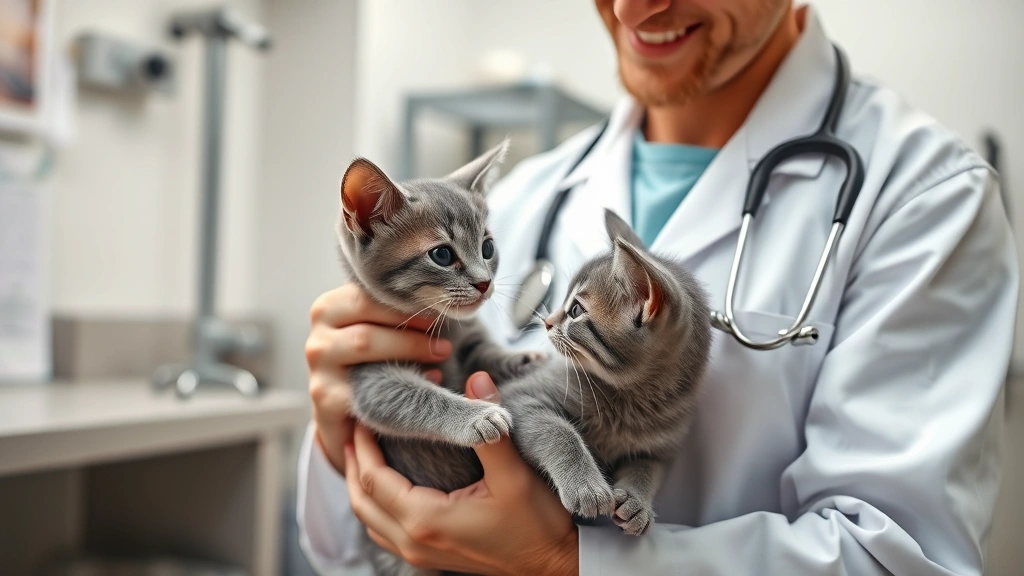
Your veterinarian will likely ask about the frequency, timing, and appearance of the vomit to narrow down the cause. This detective work is essential because the best medication for cat vomiting depends entirely on what’s causing the problem.
Anti-Nausea Medications: The First Line of Defense
Anti-nausea medications are often the first step vets recommend. These drugs work by calming your cat’s stomach and reducing the urge to vomit, giving the digestive system a chance to settle.
These medications may be particularly helpful if your cat is experiencing nausea from medical conditions or post-treatment side effects. They can be given orally, by injection, or sometimes as a patch, depending on what your vet prescribes.
The beauty of anti-nausea meds is they provide quick relief—often within hours—so you’ll see improvement in your cat’s comfort level right away.
Prokinetic Agents: Getting the Digestive System Moving
Sometimes a cat’s stomach just needs a little help moving food through the digestive tract. Prokinetic agents are medications that enhance stomach muscle contractions, essentially helping food move along more smoothly.
These are especially useful if your cat has delayed gastric emptying or a sluggish digestive system. Think of them as a gentle nudge to get things flowing properly again.
If your cat tends to vomit shortly after eating, a prokinetic might be exactly what’s needed to restore normal digestive rhythm.
Acid Reducers and Antacids for Sensitive Stomachs
Cats with gastritis or acid reflux often benefit from medications that reduce stomach acid production. When stomach acid is too high, it irritates the lining and triggers vomiting.
Acid-reducing medications work by either blocking acid production or neutralizing existing acid. Many cats show noticeable improvement within days of starting these medications. You can learn more about pet antacids and how they work for various digestive issues.
This approach is especially helpful for senior cats or those with chronic digestive sensitivities.
Addressing Food-Related Vomiting Through Diet Changes
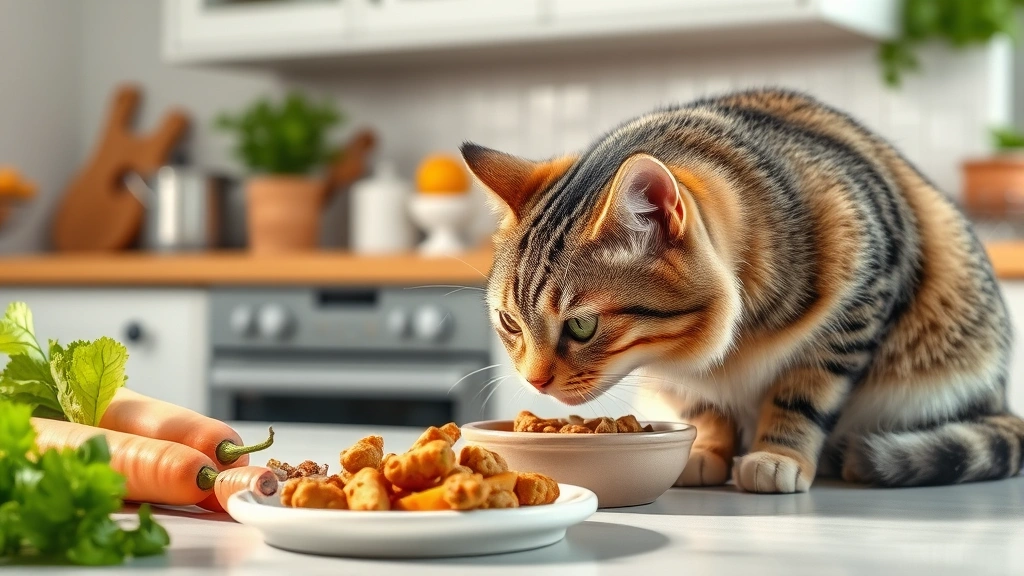
Sometimes the best medication isn’t a pill at all—it’s a dietary adjustment. If your cat has a food sensitivity or allergy, switching to a limited-ingredient or prescription diet can eliminate vomiting entirely.
Work with your vet to identify potential trigger foods. Common culprits include certain proteins, grains, or overly rich foods. Once you pinpoint the problem, your cat may never need medication at all.
Check out our guide on foods cats should avoid and toxic human foods for cats to make sure nothing in your home is triggering the issue.
Antibiotics: When Infection Is the Culprit
If your cat’s vomiting stems from a bacterial infection or inflammatory bowel condition, antibiotics may be necessary. These medications target the underlying infection, allowing the stomach lining to heal.
Your vet will run tests to confirm whether infection is present before prescribing antibiotics. It’s important to complete the full course even if your cat feels better quickly.
Bacterial gastroenteritis can be uncomfortable, but antibiotics usually clear it up within one to two weeks.
Managing Chronic Conditions That Cause Vomiting
For cats with chronic kidney disease or hyperthyroidism, vomiting is often a symptom of the underlying condition. In these cases, medications target the primary disease while also managing nausea.
Senior cats especially may need a multi-pronged approach combining disease management with anti-nausea support. Our senior cat kidney diet guide offers additional nutritional strategies for aging felines.
Managing these conditions requires ongoing monitoring and adjustments, but many cats live comfortably for years with the right medication plan.
Combination Therapy: When One Medication Isn’t Enough
Sometimes vets recommend using two or more medications together for better results. For example, a cat might receive an anti-nausea medication plus an acid reducer plus a dietary change.
This multi-layered approach addresses different aspects of the problem simultaneously. It might sound complicated, but it often leads to faster, more complete relief.
Your vet will monitor your cat’s response and adjust the combination as needed to find the sweet spot.
Side Effects and Safety Considerations
All medications carry potential side effects, though most cats tolerate vomiting medications very well. Common mild effects might include drowsiness or decreased appetite, which usually fade as your cat adjusts.
More serious side effects are rare but possible. Always report any unusual behavior, lethargy, or changes in eating or bathroom habits to your vet immediately.
The key is finding the medication that works with minimal side effects—your vet can help navigate this balance.
How Long Until You See Results?
The timeline varies depending on the medication and the underlying cause. Anti-nausea meds often work within hours, while dietary changes might take a week or two to show full benefit.
Some cats improve dramatically within days, while others need several weeks for their system to fully stabilize. Patience and consistency with medication administration are crucial.
Keep a journal of your cat’s vomiting frequency and any improvements—this helps your vet assess whether the current approach is working.
Frequently Asked Questions
Can I give my cat over-the-counter vomiting medication?
Never give your cat any medication without veterinary approval, even over-the-counter options. What works for humans can be dangerous for cats, and the underlying cause needs proper diagnosis first.
How often should my cat take vomiting medication?
Dosing frequency depends entirely on the specific medication your vet prescribes. Some are given once daily, others twice daily or as needed. Always follow your vet’s instructions exactly.
Will my cat need to take medication forever?
It depends on the cause. Some cats need long-term management for chronic conditions, while others only need medication temporarily while their system heals. Your vet will advise you on duration.
What should I do if the medication doesn’t seem to be working?
Contact your vet after a week or two if you see no improvement. They may adjust the dose, try a different medication, or run additional tests to uncover a missed diagnosis.
Are there natural alternatives to cat vomiting medication?
While some natural remedies like ginger or probiotics may provide mild support, they shouldn’t replace veterinary medication for active vomiting. Always discuss any supplements with your vet first.
What To Do Now
- Schedule a vet appointment — Describe your cat’s vomiting in detail (frequency, timing, appearance, any other symptoms) to help your vet diagnose the cause accurately.
- Keep a symptom log — Note when vomiting occurs, what your cat ate beforehand, and any patterns. This information is invaluable for your vet’s diagnosis.
- Review your cat’s diet — Check our meal prep for pets guide and consider whether food quality or feeding habits might be contributing factors.
- Discuss medication options with your vet — Once a diagnosis is confirmed, ask about the specific medication being recommended, how it works, and what results you should expect.
- Consider a telehealth consultation — If you’re unsure whether your cat needs urgent care, a quick telehealth check-in with The Pet Vet can give you peace of mind—no appointment needed and often faster than waiting for an in-person visit.
The Bottom Line
Finding the right cat vomiting medication starts with understanding what’s causing the problem. Whether it’s an anti-nausea medication, acid reducer, dietary adjustment, or combination approach, the goal is the same: getting your beloved cat back to feeling healthy and happy.
Your veterinarian is your best partner in this journey. They’ll work with you to identify the cause, recommend the most effective medication, and monitor your cat’s progress over time. Most cats respond beautifully to proper treatment, and you’ll likely see improvement within days or weeks.
Remember, vomiting is your cat’s way of communicating that something needs attention. By taking action now and exploring medication options with your vet, you’re giving your cat the best chance at a quick recovery. You’ve got this—and your cat is lucky to have someone so attentive to their health.