
If your dog is straining to urinate, having accidents indoors, or showing signs of discomfort, you may be wondering about dog UTI medication options and what your vet might recommend. Urinary tract infections in dogs are more common than many pet owners realize, and the good news is that they’re highly treatable when caught early.
Table of Contents
- Understanding Canine UTIs and Why Treatment Matters
- The Role of Antibiotics in Dog UTI Medication
- Additional Dog UTI Medication Support Beyond Antibiotics
- Urinary Acidifiers and Their Purpose
- The Importance of Increased Water Intake
- Dietary Adjustments During UTI Treatment
- When to Consider Telehealth for UTI Concerns
- Preventing Recurrent UTIs in Dogs
- Understanding Potential Complications
- Frequently Asked Questions
- What To Do Now
- Summary
This article is for informational purposes only and is not a substitute for professional veterinary advice. Always consult a licensed veterinarian for diagnosis and treatment.
Understanding Canine UTIs and Why Treatment Matters
A urinary tract infection occurs when bacteria invade your dog’s bladder or urethra. Your pup may be experiencing pain, urgency, and frequency when trying to go to the bathroom. The sooner you address the issue, the faster your dog can feel better.
UTIs in dogs aren’t just uncomfortable—they can lead to more serious complications if left untreated. Your veterinarian will typically perform a urinalysis and urine culture to confirm the infection before recommending treatment. This diagnostic approach ensures your dog receives the right care for their specific situation.
The Role of Antibiotics in Dog UTI Medication
Antibiotics are the cornerstone of treating bacterial urinary tract infections. Your vet will choose an antibiotic based on the type of bacteria present and your dog’s individual health profile. Common antibiotic classes used for canine UTIs work by eliminating the infection-causing bacteria.
It’s crucial to complete the full course of antibiotics as prescribed, even if your dog seems better after a few days. Stopping early can allow bacteria to survive and multiply, leading to a recurring infection. Catching this early puts you in a great position to help your dog recover fully.
Additional Dog UTI Medication Support Beyond Antibiotics
While antibiotics do the heavy lifting, your veterinarian may recommend supportive medications to manage symptoms and promote healing. These additional treatments address inflammation, pain, or secondary issues that sometimes accompany UTIs.
Anti-inflammatory medications can reduce discomfort and help your dog urinate more comfortably during recovery. Pain relief options ensure your pup isn’t suffering while the infection clears. Your vet will determine which supportive medications are appropriate for your dog’s age, weight, and overall health.
Urinary Acidifiers and Their Purpose
Some dogs benefit from urinary acidifiers, which help create an environment less favorable for bacterial growth. These supplements work alongside antibiotics to support bladder health. Your veterinarian will assess whether this addition fits your dog’s treatment plan.
Acidifiers are typically given orally and are generally well-tolerated. They’re particularly useful in cases where recurrent UTIs are a concern. Always follow your vet’s dosing instructions and monitor your dog for any changes during treatment.
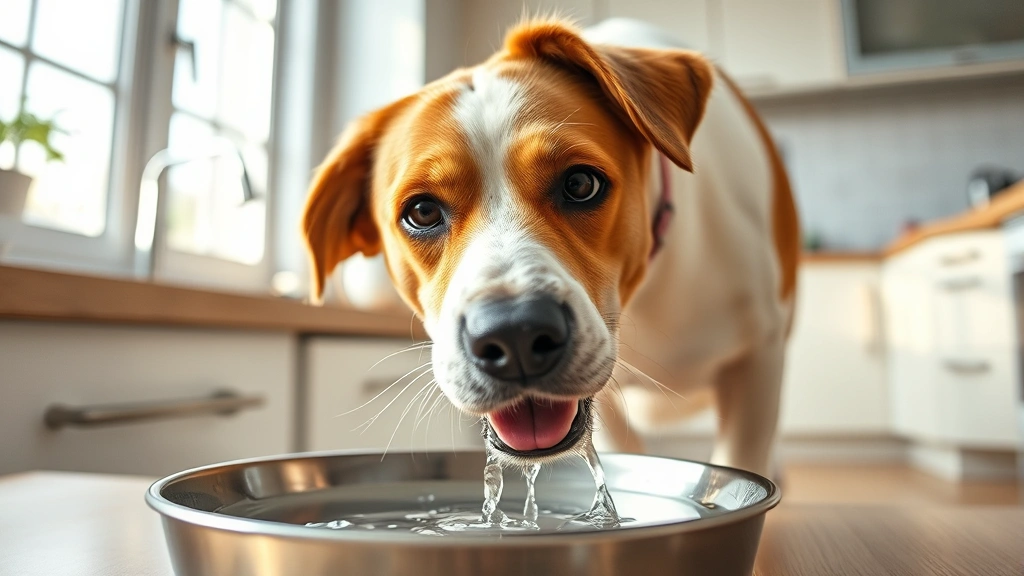
The Importance of Increased Water Intake
Encouraging your dog to drink more water is one of the simplest yet most effective complementary strategies during UTI treatment. Increased hydration helps flush bacteria from the urinary system naturally. Your vet may recommend leaving fresh water bowls in multiple locations around your home.
Some pet owners find that adding a bit of low-sodium broth to their dog’s water bowl encourages drinking. Wet food can also contribute to overall fluid intake. This natural approach works beautifully alongside your prescribed dog anti-nausea medication or other treatments your vet recommends.
Dietary Adjustments During UTI Treatment
Nutrition plays a supporting role in your dog’s recovery from a urinary tract infection. Your vet may suggest temporary dietary changes to support urinary health while antibiotics work. Some dogs benefit from prescription urinary health diets formulated to promote bladder wellness.
High-quality proteins and balanced minerals support your dog’s immune system during recovery. Avoid feeding table scraps or treats that might irritate the urinary system. If your dog has other health conditions, discuss dietary options carefully with your veterinarian to ensure compatibility.
When to Consider Telehealth for UTI Concerns
Not every UTI symptom requires an emergency vet visit, but getting professional guidance quickly matters. If you notice straining, frequent urination, or accidents indoors, a veterinary consultation can provide clarity. If you are unsure whether your pet needs urgent care, a quick telehealth check-in can give you peace of mind—no appointment needed.
Telehealth veterinarians can discuss your dog’s symptoms, review any previous medical history, and advise whether an in-person exam is necessary. This convenient option helps you avoid unnecessary stress while ensuring your dog gets timely care. Many pet owners find that a quick virtual consultation answers their immediate questions and helps them feel more confident about next steps.
Preventing Recurrent UTIs in Dogs
Once your dog has recovered, prevention becomes important. Regular bathroom breaks, especially after meals and before bedtime, reduce bacterial growth. Keeping your dog’s genital area clean and dry helps minimize infection risk.
Some dogs are prone to recurrent UTIs due to anatomy, age, or other health factors. Your vet may recommend periodic urinalysis screenings to catch infections early. Maintaining a healthy weight and ensuring proper hydration support long-term urinary health. Consider exploring elimination diet feeding plans if your dog has chronic urinary issues related to food sensitivities.
Understanding Potential Complications
In rare cases, untreated UTIs can progress to kidney infections or more serious conditions like renal failure in dogs. This is why prompt treatment with appropriate dog UTI medication is so important. Early intervention prevents these serious outcomes.
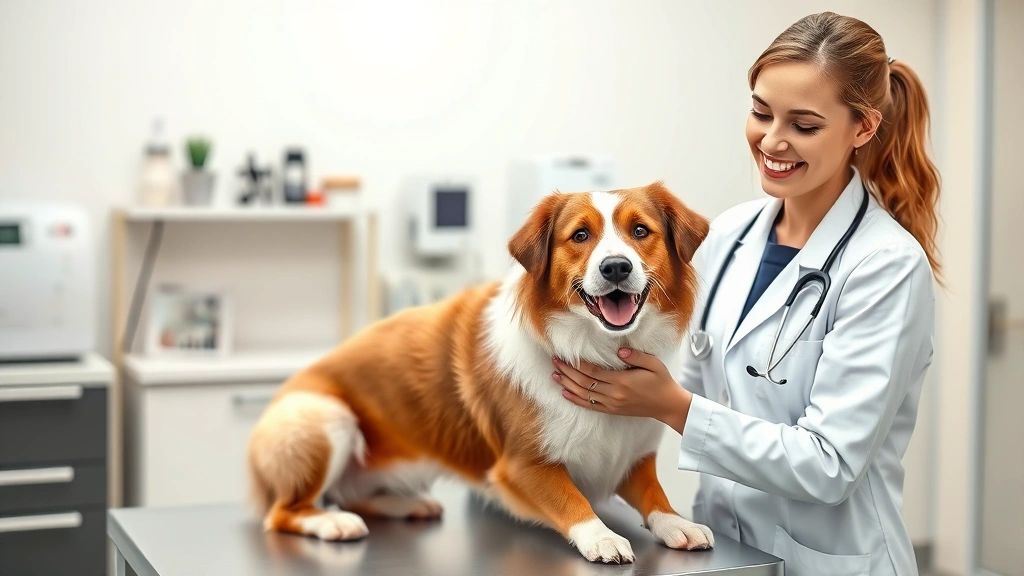
If your dog shows signs of fever, vomiting, or lethargy alongside UTI symptoms, seek veterinary care immediately. These could indicate the infection has spread beyond the bladder. Your vet will determine the best course of action based on your dog’s specific presentation.
Frequently Asked Questions
How long does it take for dog UTI medication to work?
Most dogs show improvement within 24 to 48 hours of starting antibiotics, though the full course typically lasts 7 to 14 days. Completing the entire prescription is essential even if your dog feels better sooner.
Can I give my dog over-the-counter UTI treatment instead of prescription medication?
Bacterial UTIs require prescription antibiotics prescribed by a veterinarian. While supplements may support urinary health, they cannot replace medical treatment for an active infection.
What if my dog keeps getting UTIs after treatment?
Recurrent UTIs warrant further investigation by your vet, who may recommend additional testing or dietary adjustments. Some dogs benefit from preventive measures or long-term monitoring.
Are there side effects from dog UTI medication?
Most antibiotics are well-tolerated, though some dogs may experience mild digestive upset. Always report any concerning symptoms to your veterinarian during treatment.
Do male and female dogs require different UTI medication?
Both male and female dogs receive similar antibiotic treatments, though female dogs experience UTIs more frequently due to anatomy. Your vet will tailor treatment to your individual dog’s needs.
What To Do Now
- Schedule a veterinary appointment or telehealth consultation if you notice signs of a UTI such as straining, frequent urination, or indoor accidents.
- Keep detailed notes about your dog’s symptoms, including frequency of urination and any behavioral changes, to share with your vet.
- Once diagnosed, fill your dog’s prescription promptly and set reminders to administer medication at the prescribed times.
- Increase your dog’s water intake by providing fresh water bowls in multiple locations and monitoring daily fluid consumption.
- Follow up with your veterinarian after the treatment course ends to confirm the infection has cleared and discuss prevention strategies.
Summary
Dog UTI medication—typically antibiotics prescribed by your veterinarian—is the most effective treatment for urinary tract infections. Combined with supportive care like increased hydration, dietary adjustments, and pain management, most dogs recover fully within one to two weeks. Early detection and prompt treatment prevent serious complications and get your pup back to feeling their best.
If you suspect your dog has a UTI, don’t wait. Reach out to your veterinarian or use a telehealth service for quick guidance. Your dog’s comfort and health are worth the peace of mind that professional care provides.
This article is for general education and is not a substitute for care from your own veterinarian. Learn about The Pet Vet and our editorial policy.