
If your pet has just undergone surgery, you’re probably wondering about those small metal fasteners holding the incision together—and that’s where understanding surgical staples for pets becomes so important for their recovery. Surgical staples are a common, effective way veterinarians close surgical sites, and knowing how to care for them can make all the difference in your pet’s healing journey.
Table of Contents
- What Are Surgical Staples and Why Do Vets Use Them?
- How Long Do Surgical Staples Stay in Pets?
- Post-Operative Care: Keeping the Incision Clean and Dry
- Recognizing Signs of Infection or Complications
- Managing Your Pet’s Activity During Recovery
- Nutrition and Immune Support During Healing
- When to Schedule Staple Removal
- Common Complications and How to Prevent Them
- When to Contact Your Veterinarian
- Summary: Your Pet’s Path to Full Recovery
- Frequently Asked Questions
- What To Do Now
This article is for informational purposes only and is not a substitute for professional veterinary advice. Always consult a licensed veterinarian for diagnosis and treatment.
What Are Surgical Staples and Why Do Vets Use Them?
Surgical staples are small, sterile metal fasteners that veterinarians use to close surgical incisions quickly and securely. Unlike traditional sutures, staples provide consistent tension across the wound, which can promote faster, more even healing. They’re particularly useful for larger incisions or areas where the skin needs firm support.
Your vet chose staples for your pet’s surgery because they offer several advantages: they’re faster to apply, they reduce the time your pet spends under anesthesia, and they’re less likely to cause tissue irritation in some cases. Think of them as tiny brackets holding your pet’s skin together while the underlying layers heal beneath the surface.
How Long Do Surgical Staples Stay in Pets?
Most surgical staples remain in place for 10 to 14 days after surgery, though this timeline can vary depending on the location and size of the incision. Your veterinarian will provide specific instructions during your post-operative visit, and it’s crucial to follow their timeline exactly.
Some areas of the body heal faster than others—for example, a leg incision might need staples for the full two weeks, while a smaller facial incision could be ready for removal sooner. Your vet will assess the healing progress and let you know when it’s safe to have them removed.
Post-Operative Care: Keeping the Incision Clean and Dry
The first few days after surgery are critical for preventing infection and ensuring proper healing. Here’s what you need to do:
- Keep the area dry: Avoid baths and swimming until your vet gives the all-clear. Even brief contact with water can introduce bacteria.
- Limit activity: Restrict your pet’s movement and playtime to prevent the incision from reopening.
- Use a protective collar: An Elizabethan collar (cone) prevents your pet from licking or chewing at the staples, which is one of the most common complications.
- Monitor daily: Check the incision each day for any signs of swelling, redness, or discharge.
- Avoid pressure: Don’t apply tight bandages or let your pet sleep on the surgical site.
Catching any issues early puts you in a great position to help your pet heal smoothly and avoid more serious complications.
Recognizing Signs of Infection or Complications
While most pets recover beautifully from surgery, it’s important to know what problems look like. Watch for these warning signs that could indicate pet wound infection:
- Increased redness, warmth, or swelling around the incision
- Discharge that’s green, yellow, or foul-smelling
- Your pet excessively licking or chewing at the site
- Fever or lethargy in the days following surgery
- The incision opening or staples becoming loose
- Your pet showing signs of pain when you touch the area
If you notice any of these pet wound infection signs, contact your veterinarian immediately. Early intervention can prevent minor issues from becoming serious infections.
Managing Your Pet’s Activity During Recovery
One of the hardest parts of post-operative care is keeping your pet calm and restricted. Pets naturally want to run, jump, and play, but these activities can compromise the healing incision.
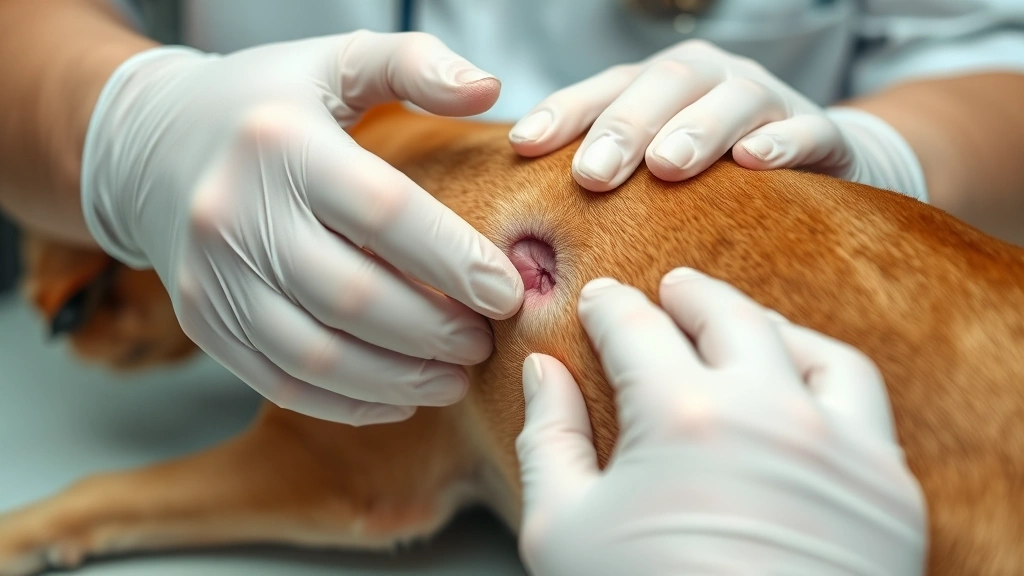
Create a quiet, comfortable recovery space where your pet can rest without temptation to be active. Keep them away from stairs, jumping surfaces, and other pets if possible. Short, leashed walks for bathroom breaks are usually okay, but check with your vet first about what’s appropriate for your specific pet and surgery type.
Mental stimulation through puzzle toys or gentle play can help prevent boredom without risking the incision. Your patience during this period directly affects how well your pet heals.
Nutrition and Immune Support During Healing
A strong immune system is essential for proper wound healing, and nutrition plays a vital role. Consider discussing feeding for immune support with your veterinarian to ensure your pet is getting the nutrients needed for recovery.
Most vets recommend continuing your pet’s regular diet unless otherwise instructed. High-quality protein helps rebuild tissue, and proper hydration supports overall healing. If your pet has reduced appetite after surgery, this is normal for a day or two, but contact your vet if it persists beyond that.
When to Schedule Staple Removal
Your veterinarian will schedule a removal appointment during your post-operative instructions. Mark this date on your calendar and don’t miss it—leaving staples in too long can cause complications like tissue overgrowth or irritation.
The removal process is quick and usually painless. Your vet will use a special staple remover tool to gently pop each staple out. Most pets don’t even flinch, though some may feel a slight pinch. After removal, your vet will inspect the incision to ensure it’s fully healed before clearing your pet for normal activity.
Common Complications and How to Prevent Them
Understanding potential problems helps you prevent them. Here are the most common issues pet owners encounter:
Licking and chewing: This is the number one complication. The Elizabethan collar is your best defense—yes, your pet may hate it, but it’s non-negotiable for proper healing.
Infection: Keeping the area clean and dry is essential. Avoid touching the incision with unwashed hands, and don’t apply any ointments unless your vet specifically recommends them.
Premature staple removal: If your curious pet or another animal accidentally removes a staple, contact your vet immediately. The incision may not be fully healed, and you’ll need professional guidance.

Excessive activity: This can cause the incision to open or staples to pop out. Strict rest during the healing period prevents this common setback.
When to Contact Your Veterinarian
Don’t wait to reach out if something seems off. Contact your vet immediately if you notice:
- Any signs of infection or unusual discharge
- Staples that have come loose or are missing
- The incision opening or separating
- Your pet in obvious pain or distress
- Fever or other systemic signs of illness
- Any concerns about the healing progress
If you’re unsure whether your pet needs urgent care, a quick telehealth check-in can give you peace of mind—no appointment needed. The Pet Vet is here to help you navigate post-operative care with confidence.
Summary: Your Pet’s Path to Full Recovery
Caring for surgical staples requires attention to detail and commitment to your pet’s recovery plan, but the effort pays off with faster healing and fewer complications. By keeping the incision clean and dry, preventing licking, limiting activity, and monitoring for signs of infection, you’re giving your pet the best chance at a smooth recovery.
Remember that every pet heals at their own pace, and your veterinarian is your best resource for any questions or concerns. Trust the process, follow your vet’s instructions closely, and celebrate each day of progress toward your pet’s return to normal activity.
Frequently Asked Questions
Can I bathe my pet with surgical staples?
No, keep the incision completely dry until your vet clears it. Water can introduce bacteria and compromise healing. Wait until the staples are removed and your vet gives permission before bathing.
What should I do if a staple falls out before the removal appointment?
Contact your veterinarian immediately. Depending on how far along the healing is, you may need an urgent visit to prevent complications or infection at the site.
Is it normal for the incision to be slightly red or swollen?
Some mild redness and swelling is normal immediately after surgery, but it should gradually improve each day. If redness or swelling increases after the first few days, contact your vet.
How can I keep my pet from licking the incision?
An Elizabethan collar is the most effective solution. Ensure it fits properly and stays on at all times, even during sleep. Some pets adjust quickly, while others take longer—patience is key.
When can my pet return to normal activity after staple removal?
Your vet will provide specific guidance based on the incision location and your pet’s healing progress. Most pets can gradually return to normal activity within a few days of removal, but follow your vet’s timeline.
What To Do Now
- Review your post-operative instructions: Re-read the care sheet your vet provided and mark the staple removal appointment on your calendar right now.
- Prepare your recovery space: Set up a quiet, comfortable area where your pet can rest undisturbed, away from other pets and high-traffic areas.
- Ensure proper protection: Make sure the Elizabethan collar fits correctly and that your pet wears it consistently, even when you’re home.
- Monitor daily: Check the incision each morning and evening, noting any changes. Take photos if you’re unsure about what you’re seeing.
- Schedule a telehealth check-in if needed: If you have any concerns before the removal appointment, don’t hesitate to reach out to The Pet Vet for guidance and peace of mind.
This article is for general education and is not a substitute for care from your own veterinarian. Learn about The Pet Vet and our editorial policy.