
If your senior cat hasn’t had a bowel movement in a few days, or seems to be straining in the litter box, you’re likely worried—and rightfully so. Elderly cat constipation remedies are something many cat parents search for because constipation is surprisingly common in aging felines, yet often overlooked. The good news? There are several effective, gentle approaches you can try at home, and understanding what works best can make a real difference in your cat’s comfort and quality of life.
Table of Contents
- Why Senior Cats Are More Prone to Constipation
- Solution 1: Increase Water Intake and Hydration
- Solution 2: Switch to High-Quality Wet or Moisture-Rich Food
- Solution 3: Incorporate Digestive-Friendly Fiber
- Solution 4: Encourage Gentle Movement and Exercise
- Solution 5: Optimize Litter Box Accessibility
- Solution 6: Consider Probiotics and Digestive Supplements
- Solution 7: Work With Your Vet on a Long-Term Plan
- When to Seek Emergency Care
- Summary: Creating a Constipation-Prevention Routine
- Frequently Asked Questions
- What To Do Now
This article is for informational purposes only and is not a substitute for professional veterinary advice. Always consult a licensed veterinarian for diagnosis and treatment.
Why Senior Cats Are More Prone to Constipation
As cats age, their digestive systems naturally slow down. Muscle tone decreases, and older cats tend to drink less water and move around less—both factors that contribute to harder, slower-moving stools. Additionally, senior cats often experience underlying conditions like arthritis, which makes it painful to crouch in the litter box, so they may avoid going altogether.
Dehydration is one of the biggest culprits. Aging cats have a weaker thirst drive and may not drink enough water, leading to dry, compacted stool. Catching this early puts you in a great position to help before the problem becomes more serious.
Solution 1: Increase Water Intake and Hydration
The simplest and most effective elderly cat constipation remedy is ensuring your cat drinks enough water. Dehydrated cats produce harder stools that are difficult to pass. Try these hydration strategies:
- Place multiple water bowls around your home—cats often prefer water sources away from food
- Switch to a cat water fountain, which encourages drinking through movement and aeration
- Offer wet food or broth-based meals more frequently
- Add a small amount of low-sodium chicken broth to dry food to increase moisture
Some cats respond better to running water, so a fountain can be genuinely transformative. Even a small increase in daily water intake can soften stools naturally.
Solution 2: Switch to High-Quality Wet or Moisture-Rich Food
Dry kibble, while convenient, can actually worsen constipation in senior cats because it lacks moisture. Wet food contains 70–80% water, making it far more hydrating. Consider transitioning your elderly cat to a diet with more moisture content.
A feline kidney support diet formulated for senior cats often includes added hydration and easier-to-digest proteins, which can help both constipation and other age-related issues. If your cat has specific health needs, consult your vet about the best food transition.
Solution 3: Incorporate Digestive-Friendly Fiber
Fiber helps regulate bowel movements, but it must be used carefully in cats. Too much fiber can actually worsen constipation. Gentle, natural fiber sources include:
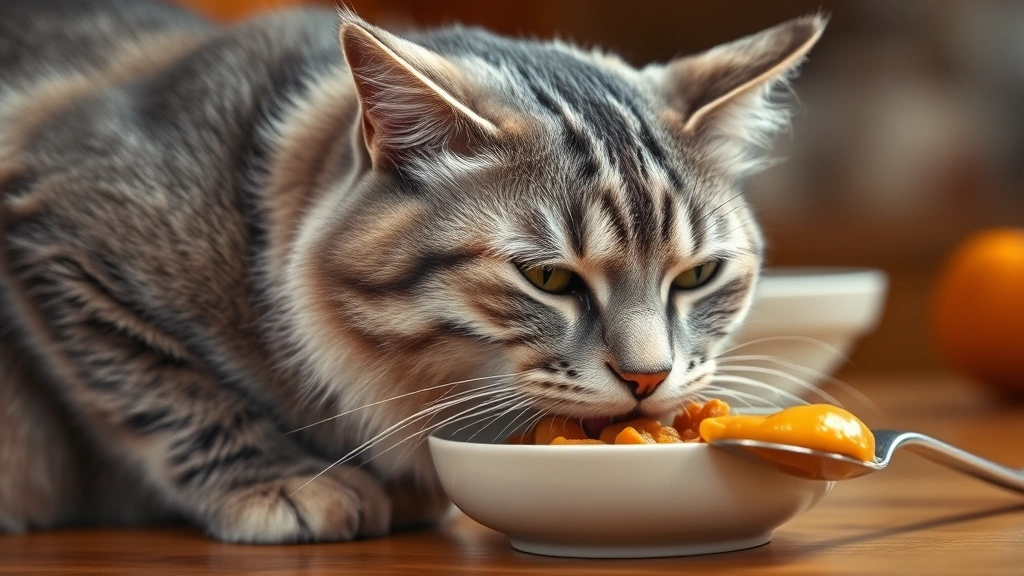
- Pumpkin puree (plain, unsweetened)—1 teaspoon mixed into food once or twice daily
- Psyllium husk powder (vet-approved amount only)
- Specially formulated feline digestive supplements
Always introduce fiber gradually and monitor your cat’s response. Some cats respond beautifully to a small amount of pumpkin, while others may need a different approach.
Solution 4: Encourage Gentle Movement and Exercise
Physical activity stimulates the digestive tract and helps move stool through the colon. While senior cats may not be as playful as younger felines, gentle movement still matters. Try these low-impact activities:
- Short, interactive play sessions with toys or feather wands
- Placing food and water bowls in different areas to encourage walking
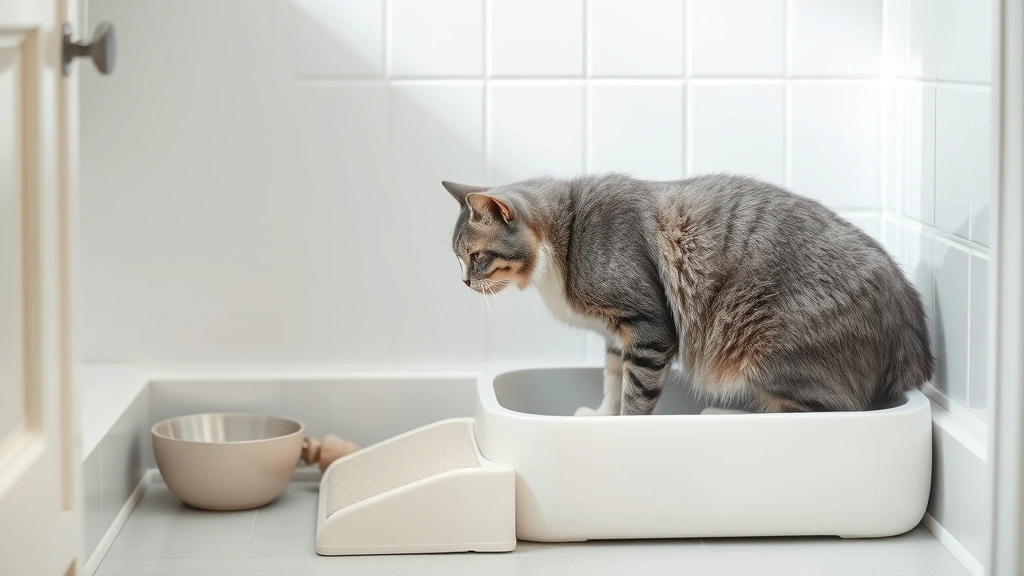
- Providing ramps or steps to litter boxes and favorite spots to reduce strain
- Gentle hand massage along the belly (if your cat tolerates it)
Even five minutes of light play per day can improve digestion. The goal is to keep your cat moving without causing stress or pain.
Solution 5: Optimize Litter Box Accessibility
Pain or difficulty accessing the litter box can cause cats to avoid going, worsening constipation. Make sure your senior cat’s litter experience is as comfortable as possible:
- Use low-sided litter boxes that don’t require jumping or painful crouching
- Place boxes on each floor of your home
- Use soft, fine-grained litter that’s gentler on sensitive paws
- Clean boxes frequently—senior cats are more particular about cleanliness
If arthritis is making the litter box painful, addressing that pain with your vet may be necessary. A more comfortable bathroom experience can actually resolve constipation issues on its own.
Solution 6: Consider Probiotics and Digestive Supplements
Gut health plays a crucial role in digestive function. Feline-specific probiotics and digestive enzymes may help restore healthy bacterial balance and improve overall gut motility. These supplements are generally safe and can be particularly helpful if your cat has been on antibiotics or has a sensitive digestive system.
Look for products specifically formulated for cats, as their digestive needs differ from dogs. Your vet can recommend a quality probiotic that’s appropriate for your elderly cat’s health profile.
Solution 7: Work With Your Vet on a Long-Term Plan
If home remedies aren’t resolving constipation after a week or two, professional help is important. Your vet can rule out underlying conditions like megacolon, tumors, or metabolic issues that may require specific treatment. They may also recommend medications that are safe for senior cats and their existing health conditions.
If you are unsure whether your pet needs urgent care, a quick telehealth check-in can give you peace of mind—no appointment needed. The Pet Vet’s telehealth service makes it easy to get professional guidance from home, which is especially helpful for anxious senior cats who don’t travel well.
When to Seek Emergency Care
While most constipation can be managed at home, some signs warrant immediate veterinary attention. Contact your vet urgently if your cat shows:
- Complete inability to defecate for more than 2–3 days
- Severe lethargy or loss of appetite
- Vomiting or abdominal distension
- Signs of pain or extreme discomfort
- Straining that produces no stool
Severe constipation can lead to serious complications, so early intervention prevents bigger problems down the road.
Summary: Creating a Constipation-Prevention Routine
The best elderly cat constipation remedies combine hydration, diet, gentle activity, and environmental comfort. Most senior cats respond well to increased water intake and a switch to moisture-rich food. Pairing these changes with regular monitoring and a supportive litter box setup often resolves constipation naturally.
Remember, every cat is unique. What works beautifully for one senior cat may need tweaking for another. Be patient, track what helps, and maintain regular vet check-ins to catch any underlying health changes early.
Frequently Asked Questions
How long can a cat safely go without a bowel movement?
Most cats should have a bowel movement every 1–2 days. If your cat hasn’t gone for more than 2–3 days, contact your vet, as prolonged constipation can become serious.
Is pumpkin puree safe for cats with constipation?
Yes, plain, unsweetened pumpkin puree is generally safe and often helpful for constipation in cats. Start with 1 teaspoon mixed into food once daily and monitor results.
Can stress cause constipation in senior cats?
Yes, stress and anxiety can affect digestive function. Keeping your senior cat’s environment calm and predictable supports overall digestive health.
Should I give my elderly cat a laxative?
Over-the-counter laxatives should only be used under veterinary guidance, as some can be harmful to cats. Your vet can recommend safe options if needed.
Does diet affect constipation in older cats?
Absolutely. High-moisture, easily digestible diets are far more effective for senior cats than dry kibble. Wet food and specialized senior formulas are often recommended.
What To Do Now
- Assess your cat’s current water intake and add a second water bowl or fountain to encourage drinking throughout the day.
- Gradually transition your senior cat to wet food or add moisture to their current diet with broth or water.
- Schedule a vet check-in to rule out underlying health conditions and get personalized recommendations for your elderly cat’s constipation.
- Evaluate your litter box setup—ensure boxes are low-sided, easily accessible, and placed in multiple locations.
- Track your cat’s bowel movements and note which remedies seem most effective so you can share this information with your vet.
Your senior cat’s comfort matters, and addressing constipation early makes a real difference in their quality of life. With patience and the right approach, most elderly cats can find relief and return to their normal routine.
This article is for general education and is not a substitute for care from your own veterinarian. Learn about The Pet Vet and our editorial policy.