
Discovering that your beloved pet may have experienced a pet medication overdose is one of the most frightening moments a pet owner can face. You trusted that medication to help your furry friend feel better, and now you’re worried you might have made a mistake—or that something went wrong. The truth is, accidental overdoses happen more often than you’d think, and catching the warning signs early can make all the difference in your pet’s recovery.
Table of Contents
- What Causes Pet Medication Overdose?
- Warning Sign #1: Vomiting and Diarrhea
- Warning Sign #2: Lethargy and Weakness
- Warning Sign #3: Loss of Appetite
- Warning Sign #4: Tremors, Seizures, or Unusual Behavior
- Warning Sign #5: Difficulty Breathing or Pale Gums
- Warning Sign #6: Excessive Drooling or Difficulty Swallowing
- Warning Sign #7: Increased Thirst and Urination
- Specific Medications and Overdose Risk
- What To Do Now: 5 Immediate Action Steps
- Prevention Tips to Avoid Future Overdoses
- When to Seek Emergency Care vs. Telehealth
- Supporting Your Pet’s Recovery
- Frequently Asked Questions
- Summary: You’ve Got This
This article is for informational purposes only and is not a substitute for professional veterinary advice. Always consult a licensed veterinarian for diagnosis and treatment.
Whether your dog accidentally got into the medicine cabinet, your cat knocked over a bottle, or you’re simply unsure if you gave the right dose, understanding what to watch for can help you respond quickly and confidently. In this guide, we’ll walk through the seven most important warning signs of medication toxicity in pets, what causes overdoses, and exactly what you should do right now.
What Causes Pet Medication Overdose?
Medication overdoses in pets rarely happen because owners are careless. More often, they occur due to simple circumstances: a curious kitten finding pills on the nightstand, a dog who eats through a medication bottle, or even a well-meaning owner who loses track of doses when giving medication twice daily.
Some pets are also more vulnerable than others. Smaller animals metabolize medications differently than larger ones, and senior pets or those with liver or kidney disease may process drugs more slowly, increasing the risk of buildup in their system. Additionally, certain medications—like pain relievers, heart medications, and antibiotics—carry a higher risk of serious complications if given in excess.
The good news? Most accidental exposures are manageable when caught early. Catching this early puts you in a great position to help your pet recover fully.
Warning Sign #1: Vomiting and Diarrhea
One of the first signs your pet may be experiencing medication toxicity is gastrointestinal upset. Vomiting and diarrhea are your pet’s body’s way of trying to eliminate the excess medication.
What to notice: Is your pet vomiting repeatedly, or is it just once? Are they refusing food? Persistent vomiting—especially if it lasts more than a couple of hours—warrants immediate attention. Some medications can irritate the stomach lining, making these symptoms particularly pronounced.
Keep track of when the vomiting started relative to when the medication was given. This timeline will be incredibly helpful for your veterinarian.
Warning Sign #2: Lethargy and Weakness
If your normally playful pup suddenly seems exhausted, or your active cat is unusually still, this could indicate that medication levels in their system are too high. Many drugs—especially sedatives, pain medications, and certain antibiotics—can cause drowsiness and muscle weakness when overdosed.
Your pet may seem confused, uncoordinated, or simply uninterested in activities they normally love. They might struggle to stand or walk normally. These changes are your pet’s nervous system responding to medication overload.
Even if your pet seems to be resting peacefully, excessive lethargy lasting more than a few hours is worth investigating with your vet. Your instinct that something feels off is usually correct.
Warning Sign #3: Loss of Appetite
Pets who suddenly refuse meals or treats—especially their favorites—may be experiencing nausea or discomfort from medication toxicity. Loss of appetite is one of the subtler warning signs, but it’s important because it often accompanies other symptoms.
If your pet hasn’t eaten for more than 12 hours, or if they’re showing no interest in food after a medication dose, this is worth flagging. Some medications can alter taste perception or cause mouth irritation, making eating uncomfortable.
Track how long the appetite loss lasts. Combined with other symptoms on this list, it becomes more significant.
Warning Sign #4: Tremors, Seizures, or Unusual Behavior
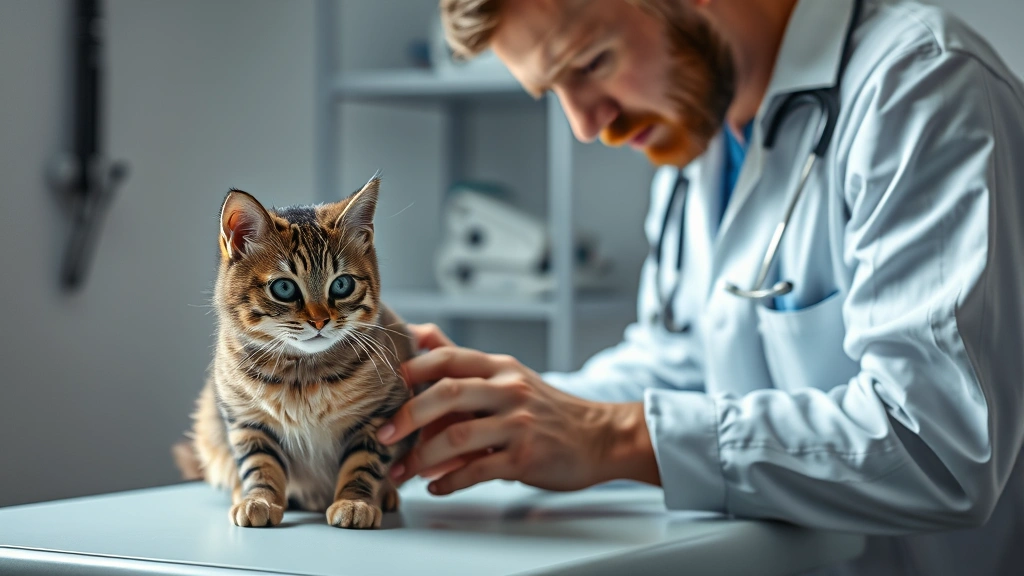
This is one of the more alarming signs, but it’s also a clear indicator that your pet needs immediate veterinary care. Tremors, muscle twitching, or full seizures can occur when certain medications reach toxic levels in the bloodstream, particularly stimulant drugs, some pain relievers, and certain antibiotics.
You might notice your pet:
- Shaking or trembling uncontrollably
- Having a seizure (rigid body, paddling limbs, loss of consciousness)
- Acting confused, anxious, or agitated
- Pacing or exhibiting obsessive behaviors
If you witness a seizure, stay calm and clear the area of hazards. Don’t put your hands in your pet’s mouth. After the seizure passes, contact your veterinarian or emergency clinic immediately. This is a medical emergency.
Warning Sign #5: Difficulty Breathing or Pale Gums
Respiratory distress or changes in your pet’s gum color are serious red flags. Pale or white gums suggest poor circulation, which can indicate shock or severe toxicity. Difficulty breathing might sound like labored panting, wheezing, or shallow breaths.
To check your pet’s gums, gently lift their lip and press your finger against the gum line. Healthy gums should be pink and return to their normal color within two seconds when you release the pressure (this is called capillary refill time). Pale or blue-tinged gums require emergency veterinary care.
These symptoms suggest your pet’s body is struggling to cope with the medication levels. This is not something to wait out—seek emergency care immediately.
Warning Sign #6: Excessive Drooling or Difficulty Swallowing
Some medications can cause irritation to the mouth, throat, or esophagus, leading to excessive drooling, difficulty swallowing, or visible discomfort when eating or drinking. Your pet might paw at their mouth or seem reluctant to swallow.
This symptom is particularly common with certain antibiotics or medications that have a bitter taste. While it might seem minor compared to seizures, it indicates your pet is experiencing discomfort from the medication.
If drooling is accompanied by difficulty eating or signs of choking, seek veterinary care promptly.
Warning Sign #7: Increased Thirst and Urination
Some medications—particularly diuretics, certain antibiotics, and steroids—can cause increased thirst and urination when given in excessive amounts. You might notice your pet asking to go outside more frequently, having accidents in the house, or drinking water constantly.
While occasional changes in drinking and bathroom habits are normal, a dramatic shift within hours of medication administration is worth noting. This can also lead to dehydration if your pet isn’t drinking enough water to compensate.
Monitor your pet’s water intake and bathroom frequency. If these changes persist beyond 24 hours, contact your veterinarian.
Specific Medications and Overdose Risk
Certain medications carry higher overdose risks than others. Meloxicam overdose in dogs is particularly concerning because this pain reliever can cause severe gastrointestinal and kidney damage. Other high-risk medications include:
- NSAIDs (ibuprofen, naproxen, aspirin)
- Acetaminophen
- Chocolate-containing medications
- Certain heart medications
- Supplements that can accumulate in the system
If you’re giving your pet dog UTI medication or other antibiotics, always follow the prescribed dose carefully. Some antibiotics can cause kidney damage if overdosed, particularly in older pets or those with pre-existing kidney disease.
Additionally, supporting your pet’s overall health with products like Denamarin for dogs: liver support vs alternatives may be recommended by your vet if your pet has experienced medication toxicity, as the liver plays a crucial role in processing medications.
What To Do Now: 5 Immediate Action Steps
If you suspect your pet has experienced a medication overdose, here’s exactly what to do:
- Stop giving the medication immediately. Don’t administer any more doses. Have the medication bottle nearby so you can tell your vet the exact name, dose, and how much your pet may have ingested.
- Contact your veterinarian or emergency clinic right away. Don’t wait to see if symptoms develop. Even if your pet seems fine, a vet needs to know what happened. Many emergency clinics are open 24/7 and can provide guidance over the phone.
- Be ready to provide details. Your vet will ask when the medication was given, how much your pet weighs, what medication it was, and what dose was given. Having this information ready speeds up care.
- If you’re unsure whether your pet needs urgent care, consider a quick telehealth check-in. A service like The Pet Vet can give you peace of mind—no appointment needed—and help you decide if emergency care is necessary.
- Monitor your pet closely for the next 24-48 hours. Even if your vet says your pet will be okay, watch for any of the warning signs listed above. Write down when symptoms appear and how long they last.
Prevention Tips to Avoid Future Overdoses
An ounce of prevention is worth a pound of cure. Here are practical ways to prevent accidental medication overdoses:
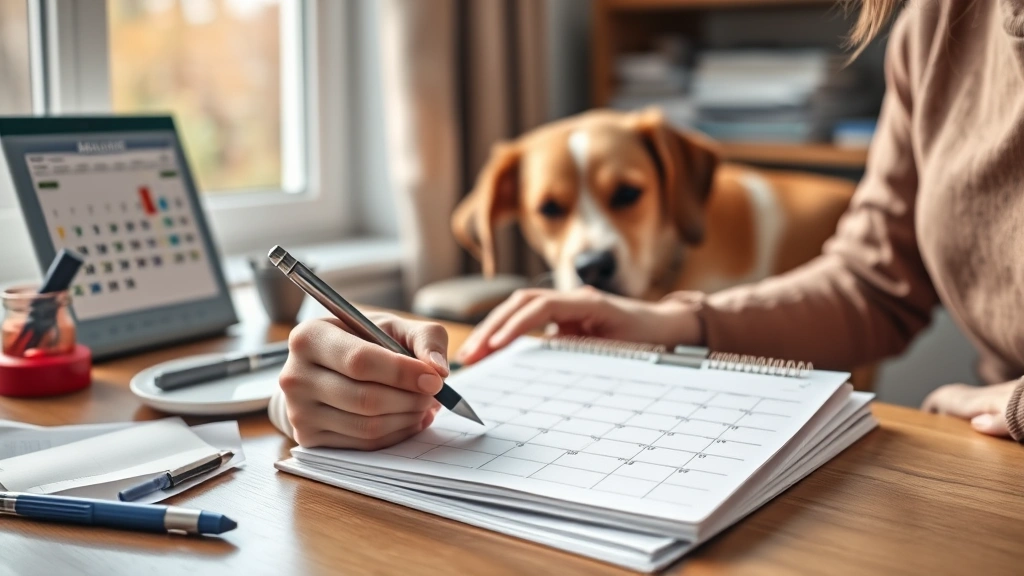
- Use a pill organizer or calendar. Mark off each dose as you give it to avoid double-dosing.
- Store medications securely. Keep all pills, liquids, and supplements in a cabinet or drawer that your pet cannot access.
- Keep medications in their original bottles. Never transfer pills to unmarked containers.
- Set phone reminders. If you’re forgetful, a daily alarm can help you remember to give medication at the right time.
- Ask your vet for clarification. If you’re ever unsure about dosing, ask before you give the medication, not after.
- Be extra careful with flavored medications. Pets love the taste of some medications, so store them even more securely than regular pills.
When to Seek Emergency Care vs. Telehealth
Not every suspected overdose requires an emergency room visit, but some definitely do. Seek emergency care immediately if your pet is:
- Having seizures
- Unable to breathe normally
- Unconscious or unresponsive
- Showing signs of severe pain
- Bleeding or vomiting blood
For milder symptoms like mild vomiting, loss of appetite, or slight lethargy, a telehealth consultation can be a great first step. Your vet can assess your pet’s condition, ask detailed questions, and advise whether emergency care is truly needed. This approach also gives you peace of mind without the stress of an emergency room visit—and at a fraction of the cost.
Supporting Your Pet’s Recovery
If your pet has experienced a medication overdose and received treatment, recovery typically takes a few days to a week, depending on the medication and severity. Your vet may recommend:
- Withholding food for 12-24 hours to let the stomach settle
- Offering small amounts of bland food once your pet is ready to eat
- Providing plenty of fresh water
- Restricting activity to allow rest and recovery
- Possible supportive medications like pet antacids to protect the stomach lining
- Follow-up bloodwork to ensure organs like the liver and kidneys are functioning normally
Most pets recover completely from accidental medication overdoses when treated promptly. Your quick action and attentiveness are what make the difference.
Frequently Asked Questions
How long does it take for medication overdose symptoms to appear in pets?
Symptoms can appear within 15 minutes to a few hours, depending on the medication type and how much was ingested. Some medications cause delayed symptoms, so monitor your pet for at least 24 hours after suspected exposure.
Can I induce vomiting if my pet swallowed too much medication?
Never induce vomiting without veterinary guidance. Some medications can cause more damage coming back up than going down. Always call your vet first—they’ll advise whether vomiting is appropriate for the specific medication your pet ingested.
What should I tell my vet about the overdose?
Provide the medication name, the dose your pet was supposed to receive, how much you think they got, your pet’s weight, and the time of ingestion. Also mention any symptoms you’ve observed and when they started.
Is a pet medication overdose always fatal?
No. Most accidental overdoses are survivable, especially when caught early and treated promptly. The outcome depends on the medication, the amount ingested, and how quickly you seek care.
Can I prevent medication overdoses by using automatic pet feeders for pills?
Automatic pill dispensers designed for pets can help, but they’re not foolproof. Combining them with a dosing calendar, phone reminders, and secure storage offers the best protection against accidental overdoses.
Summary: You’ve Got This
A suspected pet medication overdose is scary, but you’re already doing the right thing by educating yourself about the warning signs. Remember: the seven key symptoms to watch for are vomiting and diarrhea, lethargy, loss of appetite, tremors or seizures, difficulty breathing, excessive drooling, and increased thirst or urination.
The most important action you can take is to contact your veterinarian immediately if you suspect an overdose. Don’t second-guess yourself or wait to see if symptoms develop on their own. Your vet would much rather hear from you about a potential overdose than deal with a critical emergency later.
If you’re ever uncertain whether your pet needs emergency care, services like The Pet Vet offer convenient telehealth consultations that can help you assess the situation quickly and determine the best next steps. Your pet’s safety and your peace of mind matter.
By staying informed, storing medications carefully, and tracking doses, you’re already doing an excellent job as a pet parent. Most pets recover fully from accidental overdoses when given prompt, appropriate care. You’ve got this—and your pet is lucky to have someone who cares enough to learn about these important warning signs.