
If your dog is suddenly reluctant to jump, yelping when picked up, or walking with a hunched back, you might be looking at intervertebral disc disease in dogs—a condition that affects the cushioning discs between the vertebrae in your pup’s spine. The good news? Catching it early and understanding your treatment options puts you in a much better position to help your dog feel better and stay active.
Table of Contents
- What Is Intervertebral Disc Disease in Dogs?
- Recognizing the Early Signs and Symptoms
- Which Dogs Are Most at Risk?
- How Vets Diagnose Intervertebral Disc Disease
- Conservative Treatment Options for IVDD
- Medications That May Help Manage Pain and Inflammation
- When Surgery Becomes Necessary
- The Role of Weight Management and Nutrition
- Rehabilitation and Physical Therapy
- Managing Neck Pain and Related Issues
- Long-Term Outlook and Quality of Life
- Preventing Future Disc Problems
- Frequently Asked Questions
- What To Do Now
- Final Thoughts: Your Dog Can Feel Better
This article is for informational purposes only and is not a substitute for professional veterinary advice. Always consult a licensed veterinarian for diagnosis and treatment.
What Is Intervertebral Disc Disease in Dogs?
Intervertebral disc disease (IVDD) happens when the discs that sit between your dog’s vertebrae degenerate, bulge, or rupture. These discs act like tiny shock absorbers for your dog’s spine, and when they break down, they can press on the spinal cord and cause pain, weakness, or even paralysis.
There are two main types: Type I (Hansen’s type) involves a sudden disc rupture, while Type II develops more gradually over time. Both can be uncomfortable and require veterinary attention.
Recognizing the Early Signs and Symptoms
Your dog might be experiencing IVDD if you notice reluctance to jump, climb stairs, or play. Some dogs yelp or cry out when you touch their back or neck, or they might walk with a stiff, hunched posture.
More serious signs include dragging the hind legs, loss of bladder or bowel control, or complete inability to stand. Catching these early symptoms gives you the best chance to manage the condition before it worsens. If your dog is showing any of these signs, a vet visit is important—and if you’re unsure whether your pet needs urgent care, a quick telehealth check-in can give you peace of mind without waiting for an appointment.
Which Dogs Are Most at Risk?
Certain breeds are more prone to IVDD, especially those with long backs and short legs like Dachshunds, Basset Hounds, and Corgis. However, any dog can develop the condition, particularly as they age.
Overweight dogs face higher risk because extra weight puts additional stress on the spine. Dogs with poor posture or those who jump frequently from furniture also have increased chances of disc problems.
How Vets Diagnose Intervertebral Disc Disease
Your veterinarian will start with a physical exam and neurological assessment. They’ll check your dog’s reflexes, pain response, and ability to move normally. Imaging is often the next step—X-rays can show some disc problems, but MRI or CT scans give the clearest picture of exactly where the disc is bulging or ruptured.
In some cases, your vet might recommend a myelogram (a special X-ray with contrast dye) to visualize the spinal cord. These diagnostic tools help determine the severity and guide treatment decisions.
Conservative Treatment Options for IVDD
Many dogs with mild to moderate IVDD respond well to conservative (non-surgical) management. Rest is crucial—limiting activity and using crate rest helps reduce inflammation and allows healing time.
Physical therapy and controlled exercise, guided by your vet, can strengthen the muscles supporting the spine. Weight management through appropriate portion timing is also essential, as maintaining a healthy weight reduces strain on the spine.

Medications That May Help Manage Pain and Inflammation
Your veterinarian may recommend medications to manage your dog’s discomfort and reduce inflammation. Non-steroidal anti-inflammatory drugs (NSAIDs) are commonly prescribed to decrease swelling around the affected disc and ease pain.
Muscle relaxants might be suggested if your dog’s back muscles are tight and tense. Corticosteroids can help reduce inflammation in more acute cases, though they’re typically used short-term. Pain management medications ensure your dog stays comfortable while healing occurs, which is important for their recovery and quality of life.
Always follow your vet’s guidance on any medication regimen—dosing and duration vary based on your individual dog’s condition.
When Surgery Becomes Necessary
If your dog isn’t improving with conservative care, or if they’re showing signs of severe neurological damage like paralysis, surgery might be the best option. A hemilaminectomy or fenestration procedure can relieve pressure on the spinal cord by removing or addressing the problematic disc material.
Surgery has good success rates, especially when performed early after symptom onset. Your vet will discuss whether your dog is a surgical candidate and what recovery looks like.
The Role of Weight Management and Nutrition
Keeping your dog at a healthy weight is one of the most powerful things you can do to support spine health. Extra pounds increase pressure on the discs and surrounding structures, making pain worse and slowing healing.
Consider low-fat dog recipes and permanent feeding routine adjustments to help your dog reach an ideal body condition. Your vet can recommend portion sizes and nutrient profiles that support recovery without excess calories.
Rehabilitation and Physical Therapy
After the acute phase, rehabilitation exercises help rebuild strength and flexibility. Your vet or a veterinary physical therapist can design a program tailored to your dog’s needs and recovery stage.
Low-impact activities like walking on level ground, swimming, or controlled stretching improve muscle tone without stressing the spine. Gradual increases in activity—as your vet approves—help your dog regain confidence and function.
Managing Neck Pain and Related Issues
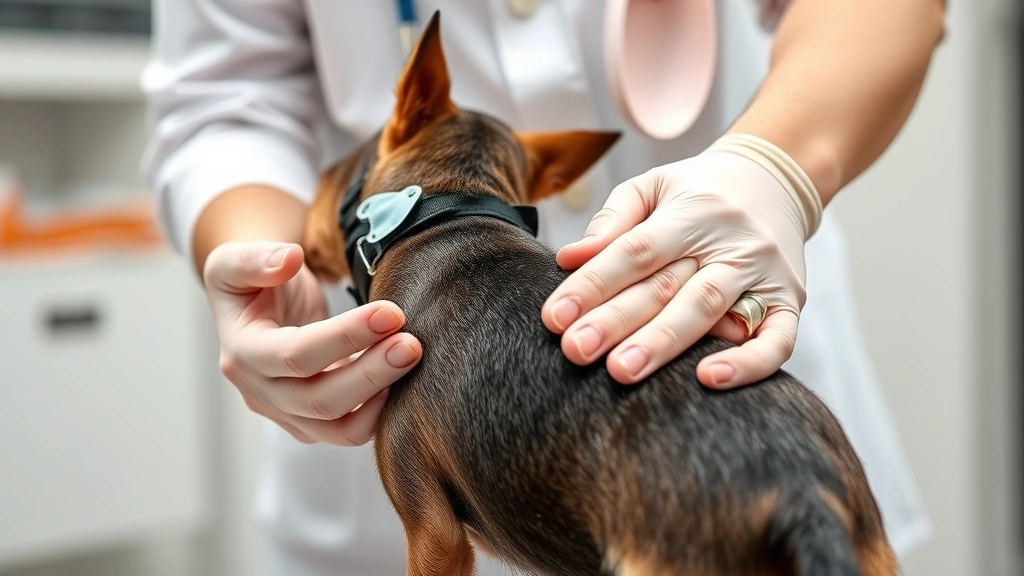
If your dog’s IVDD affects the cervical spine (neck area), you might notice reluctance to lower the head, neck stiffness, or pain when turning. Neck pain in dogs requires similar management strategies but may need extra care during handling.
Avoid pulling on the leash or allowing rough play that could twist or strain the neck. Support your dog’s spine when lifting them, and consider using a harness instead of a collar for better weight distribution.
Long-Term Outlook and Quality of Life
Many dogs with IVDD live full, happy lives with proper management. The key is staying consistent with exercise restrictions, weight management, and any prescribed treatments during the healing phase.
Some dogs may have occasional flare-ups, so ongoing monitoring and preventive care help catch problems early. Your vet can advise on activity levels and lifestyle adjustments that keep your dog comfortable long-term.
Preventing Future Disc Problems
While you can’t always prevent IVDD, certain steps reduce risk. Maintain a healthy weight, avoid jumping from heights, use ramps or steps to furniture, and keep your dog at an appropriate activity level for their age and breed.
Regular vet check-ups catch early signs of spinal issues. Supporting your dog’s overall health through good nutrition and moderate exercise builds a strong foundation for spine health.
Frequently Asked Questions
Can intervertebral disc disease in dogs be cured?
IVDD can be managed very effectively with treatment, and many dogs recover well with conservative care or surgery. However, the underlying disc degeneration is usually permanent, so ongoing management is important.
Is surgery always necessary for IVDD?
No—many dogs improve with rest, medication, and physical therapy alone. Surgery is typically recommended when conservative care doesn’t help or if your dog has severe neurological symptoms like paralysis.
How long does recovery from IVDD take?
Recovery timelines vary, but mild cases often improve within 4-6 weeks with proper rest and care. Severe cases or post-surgical recovery may take several months of gradual rehabilitation.
Can my dog with IVDD still exercise?
Yes, but activity must be controlled and appropriate for your dog’s condition. Your vet will guide you on when and how to gradually increase activity as your dog heals.
What’s the difference between IVDD and arthritis?
IVDD involves disc degeneration pressing on the spinal cord, while arthritis is joint inflammation. Both can cause pain and stiffness, but they’re treated differently—your vet can distinguish between them through examination and imaging.
What To Do Now
- Schedule a veterinary exam: If your dog shows signs of back or neck pain, reluctance to move, or any neurological changes, book an appointment with your vet right away. If you’re unsure whether your pet needs urgent care, a quick telehealth check-in can give you peace of mind—no appointment needed.
- Document your dog’s symptoms: Write down when symptoms started, what activities trigger pain, and any changes in mobility or behavior. This information helps your vet make an accurate diagnosis.
- Assess your dog’s weight: Talk with your vet about your dog’s current body condition and whether weight loss could help. Even a few pounds can reduce spine stress significantly.
- Prepare your home: Remove jumping hazards, use ramps for furniture, and set up a comfortable, low-stress resting area away from other pets and high traffic.
- Learn about muscle support: Ask your vet about muscle wasting in dogs and how to maintain strength during recovery through appropriate nutrition and gentle exercise.
Final Thoughts: Your Dog Can Feel Better
Intervertebral disc disease in dogs is serious, but it’s also very manageable when caught early and treated thoughtfully. Whether your dog needs rest and medication, physical therapy, or surgery, modern veterinary care offers real solutions that help dogs return to comfortable, active lives.
Work closely with your vet, stay consistent with treatment recommendations, and don’t hesitate to reach out if you have questions along the way. Your dog is depending on you, and you’re already doing the right thing by learning about their condition and exploring the best options for their recovery.