
If your dog has a honking cough that sounds like a goose, difficulty breathing, or seems to struggle during exercise, you may be dealing with collapse-trachea-in-dogs—a condition where the windpipe weakens and narrows over time. This is one of the most common airway problems in dogs, especially in small breeds, and while it can feel alarming, there are effective ways to manage it and help your pup breathe easier.
Table of Contents
- What Is Tracheal Collapse in Dogs?
- Common Symptoms of a Collapsing Trachea
- Who Is Most at Risk?
- How Vets Diagnose Collapsing Trachea
- Managing Tracheal Collapse: Medical Approaches
- Lifestyle Changes That Make a Real Difference
- When Surgery Becomes an Option
- Supporting Your Dog at Home: Practical Tips
- When to Seek Emergency Care
- Frequently Asked Questions
- What To Do Now
- Summary: Living Well With Tracheal Collapse
This article is for informational purposes only and is not a substitute for professional veterinary advice. Always consult a licensed veterinarian for diagnosis and treatment.
What Is Tracheal Collapse in Dogs?
Tracheal collapse happens when the rings of cartilage that support your dog’s windpipe (trachea) weaken and lose their shape. Think of it like a straw that’s starting to cave in on itself—air can’t flow smoothly, which causes that distinctive honking or goose-like cough.
This condition is progressive, meaning it typically gets worse over time if left unmanaged. The good news? Early detection and proper care can slow progression and keep your dog comfortable for years.
Common Symptoms of a Collapsing Trachea
Recognizing the signs early is key to helping your dog. Here are the symptoms you might notice:
- Honking or goose-like cough—often triggered by excitement, pulling on the leash, or exercise
- Difficulty breathing, especially during activity or when stressed
- Wheezing or noisy breathing at rest
- Gagging or retching after coughing fits
- Lethargy or reluctance to exercise—your pup may tire more easily
- Cyanosis (bluish gums) in severe cases
Catching these signs early puts you in a great position to help your dog before symptoms become severe. If you notice any of these, a vet check-in is worth scheduling soon.
Who Is Most at Risk?
Small dog breeds are far more prone to tracheal collapse than large dogs. Chihuahuas, toy poodles, Yorkshire terriers, Maltese, and Pomeranians top the list.
Age matters too—middle-aged and senior dogs are more likely to develop this condition. However, genetics play a huge role, so some dogs are simply born with weaker cartilage support in their trachea.
Obesity can worsen symptoms, as extra weight puts pressure on the airway. This is why maintaining a healthy weight is such an important part of management.
How Vets Diagnose Collapsing Trachea
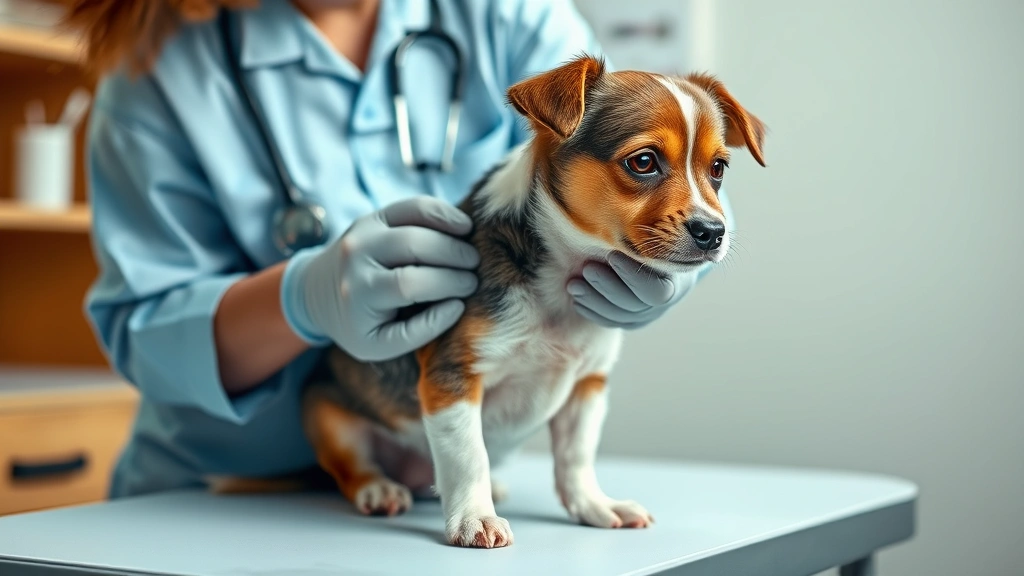
Your veterinarian will start with a physical exam and listen carefully to your dog’s breathing. They’ll ask about when the cough started and what triggers it.
To confirm the diagnosis, your vet may recommend:
- X-rays to visualize the trachea and check for narrowing
- Fluoroscopy (moving X-ray) to see how the trachea collapses during breathing
- Endoscopy in some cases, where a small camera is passed down the throat
These tests help determine the severity and guide treatment decisions. If you’re unsure whether your pet needs urgent care, a quick telehealth check-in can give you peace of mind—no appointment needed.
Managing Tracheal Collapse: Medical Approaches
Treatment depends on how severe your dog’s symptoms are. Many dogs respond well to conservative management without surgery.
Anti-inflammatory medications help reduce swelling in the airway, making breathing easier. Your vet may recommend options that reduce inflammation and soothe the irritated trachea.
Cough suppressants can provide relief during flare-ups, especially at night when coughing might disturb sleep. These work by calming the cough reflex so your dog isn’t in a constant cycle of coughing and irritation.
Bronchodilators may be prescribed to help open the airway. These medications relax the muscles around the trachea, allowing air to pass more freely.
Your veterinarian will choose the best medication plan based on your dog’s specific needs. Never give your dog any medications without veterinary guidance, as dosing and timing are critical.
Lifestyle Changes That Make a Real Difference
Medication is only part of the picture. How you manage your dog’s daily life can dramatically improve their comfort.
Use a harness instead of a collar. Pulling on a collar puts direct pressure on the trachea, triggering coughing fits. A well-fitted harness distributes pressure across the chest and shoulders instead.
Keep your dog at a healthy weight. Extra weight compresses the airway and worsens symptoms. Work with your vet on a weight-appropriate feeding plan tailored to your dog’s needs.
Avoid smoke, strong perfumes, and air pollution. These irritants can trigger coughing and inflammation. Keep your home well-ventilated and smoke-free.
Minimize stress and excitement. Excitement is a major cough trigger. Keep greetings calm, avoid high-energy play sessions, and maintain a peaceful home environment.
Use a humidifier during dry months. Moist air is gentler on an irritated trachea. Running a humidifier, especially in winter, can reduce coughing episodes.
Control underlying allergies. If your dog has seasonal allergies, managing them reduces inflammation in the airways. Talk to your vet about allergy management strategies.
When Surgery Becomes an Option
Most dogs with tracheal collapse do well with medical management and lifestyle changes. However, if your dog’s symptoms are severe and not responding to conservative treatment, your vet may discuss surgical options.
Tracheal stent placement is one surgical approach where a small mesh tube is inserted into the trachea to keep it open. This is typically reserved for advanced cases where the dog’s quality of life is significantly affected.
Surgery carries risks, so your vet will carefully weigh the benefits against potential complications. This decision is always made collaboratively with your veterinarian based on your dog’s individual situation.

Supporting Your Dog at Home: Practical Tips
Beyond medication and vet visits, here’s how to create the best environment for your dog:
- Transition to a harness immediately if you’re still using a collar—this single change often reduces coughing significantly.
- Keep exercise moderate and calm. Short, leisurely walks are better than vigorous play. Let your dog set the pace.
- Monitor weight closely. Even a few extra pounds can worsen symptoms, so regular weigh-ins help catch weight gain early.
- Keep medications on schedule. Consistency matters—give medications exactly as prescribed by your vet.
- Watch for triggers and keep a log. Note what causes coughing (excitement, cold weather, certain activities) so you can minimize exposure.
When to Seek Emergency Care
While tracheal collapse is usually manageable, certain signs warrant urgent veterinary attention.
Seek immediate care if your dog is experiencing severe difficulty breathing, persistent blue gums or tongue, collapse or loss of consciousness, or severe distress that doesn’t improve with rest. These could indicate a critical airway obstruction.
If you’re ever unsure, it’s better to err on the side of caution and get your dog checked out. Your vet can quickly assess whether it’s an emergency or a flare-up that can be managed at home.
Frequently Asked Questions
Is tracheal collapse in dogs fatal?
With proper management, most dogs live comfortably for years. It’s rarely immediately life-threatening, though severe cases can become critical if the airway is significantly obstructed.
Can tracheal collapse be cured?
No, tracheal collapse is a progressive condition that can’t be reversed. However, symptoms can be effectively managed with medication, lifestyle changes, and sometimes surgery.
Is tracheal collapse hereditary?
Yes, genetics play a major role. Small breeds with a family history of tracheal collapse are at higher risk, so responsible breeding practices are important.
How long can a dog live with a collapsing trachea?
Many dogs live several years or longer with proper care. The prognosis depends on severity, age, and how well you manage the condition at home.
Does tracheal collapse get worse over time?
Yes, it’s a progressive condition. However, early intervention and consistent management can slow progression and keep your dog comfortable.
What To Do Now
If you suspect your dog may have a collapsing trachea, here are your next steps:
- Schedule a veterinary exam. Describe the cough, when it started, and what triggers it. Your vet will perform a physical exam and recommend any necessary tests.
- Switch to a harness immediately if your dog currently wears a collar. This simple change often provides noticeable relief within days.
- Start a symptom log. Note when coughing occurs, what triggers it, and how severe it is. This information helps your vet track progression and adjust treatment.
- Discuss medication options with your vet. Ask about anti-inflammatory and cough suppressant options that might help your dog’s specific situation.
- Commit to lifestyle adjustments. Weight management, reduced stress, and gentle exercise are foundational to long-term comfort.
Summary: Living Well With Tracheal Collapse
Collapse-trachea-in-dogs is a common but manageable condition that doesn’t have to limit your dog’s quality of life. With early diagnosis, the right medications, and thoughtful lifestyle changes, most dogs thrive for years after being diagnosed.
The key is working closely with your veterinarian, staying consistent with treatment, and being proactive about environmental management. Small breeds are particularly prone to this condition, but the good news is that veterinary medicine has many effective tools to help.
Your dog’s honking cough or breathing difficulties might feel scary right now, but you’re already on the right track by learning about this condition. The next step is getting professional guidance from your vet—and remember, if you need a quick consultation or second opinion, telehealth options are available to give you peace of mind without the wait.
Your pup is counting on you, and with the right care plan in place, you can help them breathe easier and enjoy life to the fullest.