
If your dog has been scratching constantly, losing fur in patches, or developing crusty, inflamed skin, you may be dealing with mange in dogs—a parasitic skin condition that can make any pet owner feel helpless. The good news? Mange is highly treatable when caught early, and understanding your options puts you in control of your pet’s recovery.
Table of Contents
- What Is Mange in Dogs?
- Signs Your Dog May Have Mange
- How Vets Diagnose Mange
- Treatment Options for Mange in Dogs
- Sarcoptic vs. Demodectic Mange: Key Differences
- Home Care and Management During Treatment
- How Long Does Mange Treatment Take?
- Preventing Mange in Your Dog
- When to Seek Urgent Care
- Working With Your Veterinarian on Treatment Plans
- Frequently Asked Questions
- What to Do Now
- Summary
This article is for informational purposes only and is not a substitute for professional veterinary advice. Always consult a licensed veterinarian for diagnosis and treatment.
What Is Mange in Dogs?
Mange is a skin disease caused by microscopic mites that burrow into or live on your dog’s skin. These tiny parasites trigger intense itching, hair loss, and secondary skin infections if left untreated. There are two main types: sarcoptic mange (highly contagious) and demodectic mange (less contagious, often linked to immune system issues).
Think of mites as unwanted roommates in your dog’s skin—they multiply quickly and create chaos. The sooner you identify the problem, the faster your vet can help your pup feel better.
Signs Your Dog May Have Mange
Catching mange early puts you in a great position to help. Watch for these telltale signs:
- Excessive scratching, especially on the ears, elbows, and legs
- Patchy hair loss or bald spots
- Red, inflamed, or crusty skin
- Foul odor from the skin (often from secondary bacterial infections)
- Thickened or wrinkled skin texture
- Scabs or open sores from constant scratching
- Lethargy or behavioral changes due to discomfort
If you notice any of these symptoms, schedule a vet appointment promptly. Your veterinarian can perform a skin scraping or other diagnostic tests to confirm mange and rule out other skin conditions.
How Vets Diagnose Mange
Your veterinarian will likely perform a skin scraping—a simple, painless procedure where they gently scrape the skin surface and examine it under a microscope to look for mites. Sometimes a fungal culture or other tests may be needed to rule out ringworm or bacterial infections.
This diagnostic step is crucial because other conditions can mimic mange symptoms. A proper diagnosis ensures your dog receives the right treatment plan.
Treatment Options for Mange in Dogs
Treatment depends on the type of mange, your dog’s age, weight, and overall health. Your vet will recommend the best approach for your specific situation. Here are common treatment strategies:
Prescription Medications
Several prescription medications are effective against mange mites. Your veterinarian may recommend oral medications, topical treatments, or injections based on your dog’s condition. Products like NexGard RX and similar alternatives are commonly prescribed for parasitic skin conditions, though your vet will determine the best fit for mange specifically.
Oral medications offer convenience since you simply give them by mouth, while topical treatments are applied directly to the skin. Your vet will explain the benefits and any potential side effects so you can make an informed decision.
Medicated Baths and Dips
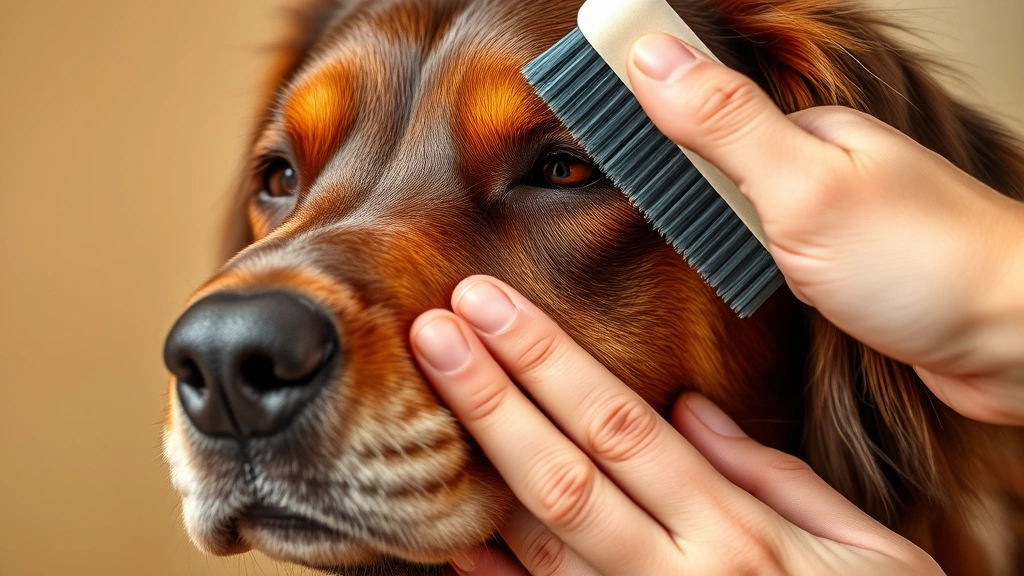
Therapeutic baths with medicated shampoos can soothe inflamed skin and help manage mange symptoms. These are often used alongside other treatments to provide relief and prevent secondary infections.
Your vet will recommend a bathing schedule and the specific product to use. Consistency is key—follow the protocol exactly as prescribed for best results.
Antibiotic and Anti-Inflammatory Support
If your dog has developed secondary bacterial infections from scratching, your vet may prescribe antibiotics to clear these up. Anti-inflammatory medications can also reduce itching and discomfort while the primary treatment works.
Nutritional and Immune Support
A strong immune system helps your dog fight off mites naturally. Your vet may recommend high-quality nutrition, omega-3 supplements, or other supportive care to boost skin health during treatment.
Sarcoptic vs. Demodectic Mange: Key Differences
Understanding which type your dog has helps you know what to expect:
Sarcoptic Mange: Highly contagious to other dogs and sometimes humans. It causes severe itching and spreads rapidly. Treatment is usually straightforward and effective within weeks.
Demodectic Mange: Not contagious (your dog was likely born with these mites). It develops when the immune system can’t keep mite populations in check. Treatment focuses on both killing mites and supporting immune function, which may take longer.
Your vet’s diagnosis will clarify which type your dog has, which determines the treatment timeline and approach.
Home Care and Management During Treatment
While your vet handles the medical side, you play a vital role in your dog’s recovery:
- Follow medication schedules precisely—consistency matters for effectiveness
- Bathe your dog as recommended using only vet-approved products to avoid skin irritation
- Keep your dog’s environment clean—wash bedding frequently in hot water and vacuum thoroughly
- Prevent scratching—consider an Elizabethan collar if your dog is causing secondary wounds
- Avoid harsh shampoos that can further irritate compromised skin
- Monitor for signs of improvement and report any concerns to your vet immediately
Your dedication to these steps accelerates healing and prevents complications.
How Long Does Mange Treatment Take?
Recovery timelines vary depending on the type and severity of mange. Sarcoptic mange often improves noticeably within 2-4 weeks of treatment, while demodectic mange may require 4-12 weeks or longer.
Your vet will schedule follow-up appointments to monitor progress and adjust treatment if needed. Patience is essential—skin healing takes time, but consistent treatment delivers results.
Preventing Mange in Your Dog
Once your dog recovers, prevention keeps mange from returning:
- Maintain regular parasite prevention as recommended by your vet
- Keep your dog’s immune system strong through proper nutrition and exercise
- Practice good hygiene—regular bathing with quality shampoo
- Minimize stress, which can weaken immune function
- Avoid contact with infected animals
- Keep your home and your dog’s bedding clean
Prevention is always easier than treatment, so staying proactive protects your pup long-term.

When to Seek Urgent Care
Most mange cases can be managed with routine veterinary care, but seek urgent attention if your dog experiences:
- Severe secondary infections with pus or drainage
- Signs of sepsis (fever, lethargy, rapid breathing)
- Severe dehydration or inability to eat
- Allergic reactions to medications
If you’re unsure whether your pet needs urgent care, a quick telehealth check-in with The Pet Vet can give you peace of mind—no appointment needed. Our vets can assess symptoms and guide you on next steps immediately.
Working With Your Veterinarian on Treatment Plans
Your vet is your partner in your dog’s recovery. Be open about your concerns, ask questions about medications and side effects, and report any changes in your dog’s condition promptly.
If your dog isn’t responding to treatment as expected, let your vet know. Sometimes adjustments are needed, and catching this early prevents prolonged suffering. For ongoing support and medication discussions, resources comparing treatment options can help you understand what’s available.
Frequently Asked Questions
Can mange spread from dogs to humans?
Sarcoptic mange can occasionally cause mild itching in humans, but it doesn’t establish itself on human skin. Good hygiene practices minimize any risk.
Is mange painful for dogs?
Yes, the intense itching and skin inflammation can be very uncomfortable. Treatment relieves this discomfort relatively quickly once started.
Can mange go away on its own?
Demodectic mange may occasionally self-resolve in young dogs with strong immune systems, but sarcoptic mange requires treatment. Don’t wait—professional care is essential.
Are there natural remedies for mange?
While some natural supplements may support skin health, they cannot cure mange alone. Prescription treatment is necessary; natural options work best as complementary support.
How much does mange treatment cost?
Costs vary based on treatment type, severity, and your location, but early treatment is typically more affordable than managing severe, prolonged cases with complications.
What to Do Now
If you suspect your dog has mange, take these steps immediately:
- Schedule a veterinary appointment within the next few days for proper diagnosis and treatment planning
- Document symptoms—note when scratching started, which areas are affected, and any other changes you’ve noticed to share with your vet
- Isolate your dog if sarcoptic mange is suspected to prevent spread to other pets while awaiting diagnosis
- Gather information about your dog’s health history—age, previous skin issues, current medications—to help your vet make the best recommendation
- If you need quick guidance before an appointment, consider a telehealth consultation with The Pet Vet to discuss symptoms and next steps
Summary
Mange in dogs is a treatable parasitic skin condition that responds well to veterinary care when addressed promptly. Whether your dog is dealing with sarcoptic or demodectic mange, prescription medications, medicated baths, and supportive care work together to restore skin health and comfort.
Your role as a pet owner is to recognize symptoms early, follow your vet’s treatment plan consistently, and maintain good hygiene practices. Recovery takes patience, but the reward—a healthy, happy, itch-free dog—makes every effort worthwhile.
Don’t let mange rob your dog of comfort. Reach out to your veterinarian today, and remember that The Pet Vet is here to support you with expert guidance every step of the way.