
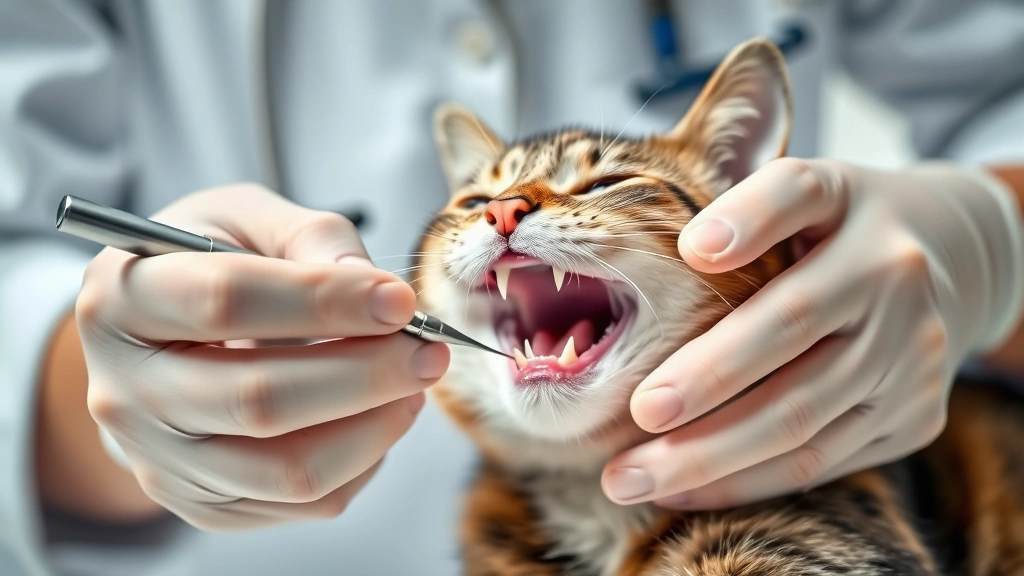
If your cat is facing tooth extractions, you’re probably feeling a mix of concern and confusion about what comes next. Dental disease is one of the most common health issues affecting cats today, and sometimes extraction is the kindest solution to eliminate pain and infection. The good news? With the right post-operative care and understanding of recovery medications, your feline friend can bounce back quickly and feel so much better.
Table of Contents
- Why Cats Need Tooth Extractions
- Understanding Post-Extraction Recovery
- Pain Management After Tooth Extractions in Cats
- Antibiotics and Infection Prevention
- Anti-Inflammatory Support
- Feeding Your Cat During Recovery
- Managing Oral Health After Extraction
- When to Contact Your Veterinarian
- Supporting Your Cat’s Comfort at Home
- Frequently Asked Questions
- What To Do Now
- Summary: Your Cat’s Path to Post-Extraction Wellness
This article is for informational purposes only and is not a substitute for professional veterinary advice. Always consult a licensed veterinarian for diagnosis and treatment.
Why Cats Need Tooth Extractions
Dental disease in cats progresses silently. Many pet owners don’t realize their cat is in pain until a veterinarian finds severely infected or fractured teeth during an examination. Cats are masters at hiding discomfort, so by the time symptoms become obvious, extraction may be the best option.
Common reasons for feline tooth extractions include:
- Severe periodontal disease with bone loss
- Tooth root abscesses causing chronic infection
- Fractured or broken teeth
- Feline stomatitis (severe oral inflammation)
- Resorptive lesions that destroy tooth structure
- Retained baby teeth causing misalignment
Cats actually adapt remarkably well without teeth. Their rough tongues and strong jaw muscles allow them to eat wet food, and many owners report their cats seem happier and more playful after extractions once healing is complete.
Understanding Post-Extraction Recovery
The first 24 to 48 hours after tooth extractions are critical. Your cat’s mouth will be sore, and the extraction sites need protection from food particles and bacteria. Your veterinarian will provide specific recovery instructions tailored to your cat’s situation.
Recovery typically follows this timeline:
- Days 1-3: Maximum soreness; soft food only; limited activity
- Days 4-7: Gradual improvement; continued soft diet; normal activity resumption
- Weeks 2-4: Socket healing continues beneath the gum surface; return to regular diet
- Weeks 4-8: Complete bone healing; full recovery achieved
During this healing window, your veterinarian may recommend or prescribe medications to manage pain, prevent infection, and support comfort. Understanding these medications helps you provide the best care.
Pain Management After Tooth Extractions in Cats
Pain control is essential—it’s not just about comfort, it’s about healing. When cats are in pain, they eat less, move less, and their bodies struggle to repair tissues. Effective pain management actually speeds recovery.
Your veterinarian may discuss several pain management approaches:
- Injectable pain medications given during the procedure
- Oral pain relievers prescribed for home use
- Compounded medications in flavors cats prefer
- Transdermal patches for consistent pain relief
Most cats show significant improvement within 3 to 5 days as the initial soreness subsides. If your cat seems to be in continued severe pain beyond this window, contact your veterinarian—it may indicate a complication needing attention.
Antibiotics and Infection Prevention
Tooth extractions create open wounds in the mouth, which is full of bacteria. Preventing infection is a top priority during recovery. Your veterinarian may prescribe antibiotics to reduce infection risk, especially if the extracted teeth had abscesses or severe infection.
Antibiotics work best when:
- Given exactly as prescribed for the full course
- Administered at consistent times each day
- Paired with soft food to ease administration
- Completed even if your cat seems better (stopping early can lead to resistant bacteria)
Watch for signs of infection like persistent bad breath, swelling around the jaw, or discharge from the mouth. These warrant an immediate veterinary call. Catching complications early puts you in a great position to help your cat.
Anti-Inflammatory Support
Inflammation is your body’s natural response to injury, but excessive inflammation can slow healing and increase discomfort. Some veterinarians recommend anti-inflammatory support alongside other medications to optimize recovery.
Your vet might suggest:
- Short-term anti-inflammatory medications
- Omega-3 supplements to support tissue healing
- Probiotics to maintain healthy oral bacteria balance
- Nutritional support tailored to your cat’s age and health status
These supportive measures work together to create an optimal healing environment. Never start supplements without veterinary approval, as some can interact with other medications.
Feeding Your Cat During Recovery
Diet is your secret weapon for smooth recovery. Soft, easy-to-eat foods prevent irritation to extraction sites and encourage adequate nutrition when your cat might otherwise skip meals due to soreness.
Recovery feeding guidelines:
- Offer wet food warmed slightly (not hot) for easier eating
- Mix in bone broth or water to increase moisture and nutrition
- Provide small, frequent meals rather than large portions
- Avoid hard treats, kibble, and crunchy foods for at least 2 weeks
- Ensure fresh water is always available
Some cats benefit from a prescription diet formulated for post-operative recovery. Ask your veterinarian if this might help your cat. For dietary questions beyond basic soft food, check out our guide on human foods cats can eat for safe options.
Managing Oral Health After Extraction
After tooth extractions, maintaining excellent oral hygiene prevents future dental disease in remaining teeth. This is your chance to establish better habits that protect your cat’s mouth long-term.
Post-extraction oral care includes:
- Gentle mouth rinses with prescribed solutions (if recommended)
- Avoiding aggressive tooth brushing near healing sites
- Regular dental check-ups every 6 months
- Providing dental-friendly treats and toys
- Monitoring remaining teeth for signs of disease
Many cats with severe dental disease also have underlying conditions like feline stomatitis or acid reflux in cats. Your vet may recommend treating these concurrently to prevent future complications.
When to Contact Your Veterinarian
Most cats recover smoothly from tooth extractions, but knowing warning signs helps you catch problems early. Contact your veterinarian if you notice:
- Persistent bleeding from extraction sites beyond 24 hours
- Severe swelling of the face or jaw
- Difficulty swallowing or drooling excessively
- Fever or lethargy lasting more than a few days
- Refusal to eat beyond 48 hours post-op
- Signs of allergic reaction to medications (vomiting, diarrhea, rash)
- Bad breath or discharge from the mouth
If you’re unsure whether your cat needs urgent care, a quick telehealth check-in with The Pet Vet can give you peace of mind—no appointment needed. Our veterinarians can review your cat’s recovery and answer medication questions from the comfort of your home.

Supporting Your Cat’s Comfort at Home
Beyond medications, environmental comfort plays a huge role in recovery. Your cat needs a calm, stress-free space to heal properly.
Create a recovery-friendly environment:
- Set up a quiet room away from other pets and household chaos
- Place food, water, and litter box close together to minimize movement
- Keep the litter box very clean to prevent infection
- Avoid loud noises and sudden movements
- Limit play and jumping for at least one week
- Use soft bedding and familiar toys for emotional comfort
Many cats feel vulnerable after dental procedures. Your calm, reassuring presence helps them relax and heal faster. Gentle petting (avoiding the face) and quiet companionship work wonders.
Frequently Asked Questions
How long does it take for a cat to recover from tooth extractions?
Most cats show significant improvement within 3 to 5 days and are fully healed within 4 to 8 weeks. Initial soreness peaks in the first 48 hours, then gradually improves with proper care.
Can my cat eat regular food after tooth extractions?
Not immediately. Stick with soft, wet food for at least 2 weeks to avoid irritating extraction sites. Your vet will advise when to gradually transition back to regular diet.
Will my cat be able to eat without teeth?
Yes! Cats adapt remarkably well. Their rough tongues and strong jaw muscles allow them to eat soft food easily, and many owners report their cats seem happier after extractions once healed.
What medications will my cat need after extraction?
Common post-operative medications include pain relievers, antibiotics (if infection risk is present), and sometimes anti-inflammatory support. Your vet will prescribe based on your cat’s specific situation.
Is tooth extraction painful for cats?
The procedure itself is performed under anesthesia, so your cat feels no pain during extraction. Post-operative soreness is normal but manageable with prescribed pain medications and proper home care.
What To Do Now
Taking action immediately after your cat’s tooth extraction procedure sets the stage for smooth recovery:
- Fill all prescriptions before the procedure date. Have pain medications, antibiotics, and any other prescribed medications ready at home so you can start treatment immediately post-op.
- Prepare soft foods in advance. Stock your pantry with wet food options, bone broth, and recovery-friendly meals so you’re not scrambling when your cat comes home sore and hungry.
- Set up a quiet recovery space. Designate a calm room with easy access to food, water, and litter before surgery day, so your cat can settle into healing without stress.
- Review post-op instructions with your vet. Ask specific questions about medication timing, feeding schedules, activity restrictions, and warning signs before leaving the clinic.
- Schedule a follow-up check-up. Most vets recommend a recheck within 7 to 10 days to ensure proper healing and address any concerns early.
Summary: Your Cat’s Path to Post-Extraction Wellness
Tooth extractions in cats are a common, safe procedure that often eliminates chronic pain and infection. While the recovery period requires attention to medication schedules, dietary adjustments, and activity restrictions, most cats bounce back quickly and feel significantly better.
The key to smooth recovery is understanding the role of post-operative medications—pain relievers keep your cat comfortable, antibiotics prevent infection, and anti-inflammatory support optimizes healing. Paired with soft food, a calm environment, and close monitoring, your cat will be back to their normal self in just a few weeks.
Remember, cats are resilient creatures. Many owners are amazed at how much happier and more playful their cats become after dental extractions once the healing is complete. You’re making a compassionate choice for your feline friend’s long-term health and happiness.
If you have questions about your cat’s specific recovery plan or medication concerns, don’t hesitate to reach out to your veterinarian or schedule a telehealth consultation with The Pet Vet. We’re here to support you every step of the way.
This article is for general education and is not a substitute for care from your own veterinarian. Learn about The Pet Vet and our editorial policy.