
Discovering that your dog may need a dog tail amputation can be scary and overwhelming. If your veterinarian has recommended this procedure, you’re likely facing many questions about what to expect, how to manage pain, and what recovery looks like. The good news is that with proper care, medication, and support, most dogs recover well and return to their normal, happy selves.
Table of Contents
- Why Dogs Need Tail Amputation
- Understanding the Surgical Procedure
- Pre-Surgery Preparation and Expectations
- Managing Pain After Surgery
- Medication Management During Recovery
- Wound Care and Infection Prevention
- Activity Restrictions and Exercise Guidelines
- Behavioral Changes and Adjustment
- Nutrition to Support Healing
- When to Call Your Veterinarian
- Long-Term Outlook and Quality of Life
- Telehealth Support During Recovery
- Frequently Asked Questions
- What To Do Now
- Summary
This article is for informational purposes only and is not a substitute for professional veterinary advice. Always consult a licensed veterinarian for diagnosis and treatment.
Why Dogs Need Tail Amputation
Tail amputation isn’t a decision made lightly. Vets recommend this procedure when a dog’s tail has been severely damaged, infected, or diseased in ways that can’t be treated otherwise. Common reasons include traumatic injuries from car accidents or being caught in doors, chronic infections that don’t respond to antibiotics, or tumors that threaten your dog’s health.
Some dogs develop a condition called “happy tail syndrome,” where they wag so hard their tail bleeds repeatedly. If this becomes chronic and untreatable, amputation may be the most humane option. Catching issues early puts you in a great position to explore all treatment options before amputation becomes necessary.
Understanding the Surgical Procedure
During a tail amputation, your veterinarian will remove the damaged or diseased portion of the tail under general anesthesia. The surgical site is then carefully closed with sutures to promote healing and prevent infection. The procedure typically takes 30 to 60 minutes, depending on how much of the tail needs to be removed.
Your vet will discuss exactly how much tail will be removed and why. Some amputations are partial (removing just the tip), while others remove more of the tail. The goal is always to remove the problem area while preserving as much healthy tail as possible.
Pre-Surgery Preparation and Expectations
Before the procedure, your vet will run blood work and may recommend fasting the night before surgery. This ensures your dog is healthy enough for anesthesia and helps prevent complications. Ask your vet about any current medications your dog takes—some may need to be adjusted before surgery.
Prepare your home for recovery by creating a quiet, comfortable space where your dog can rest. You’ll want to keep the surgical area clean and prevent your dog from licking or chewing at the incision. Many dogs wear an Elizabethan collar (cone) during the initial healing phase.
Managing Pain After Surgery
Pain management is crucial for a smooth recovery. Your veterinarian will discuss pain relief options tailored to your dog’s specific needs and health status. The goal is to keep your dog comfortable while they heal, which typically takes 10 to 14 days for the incision to close fully.
Your vet may recommend various approaches to manage discomfort during the recovery period. It’s important to follow their guidance closely and watch for signs that your dog is in pain, such as restlessness, whining, or reluctance to move. Catching pain early and addressing it makes recovery smoother for everyone.
Medication Management During Recovery
Your vet will prescribe medications to support healing and comfort. These may include pain relievers and antibiotics to prevent infection. Always give medications exactly as prescribed, and complete the full course even if your dog seems to be healing well.
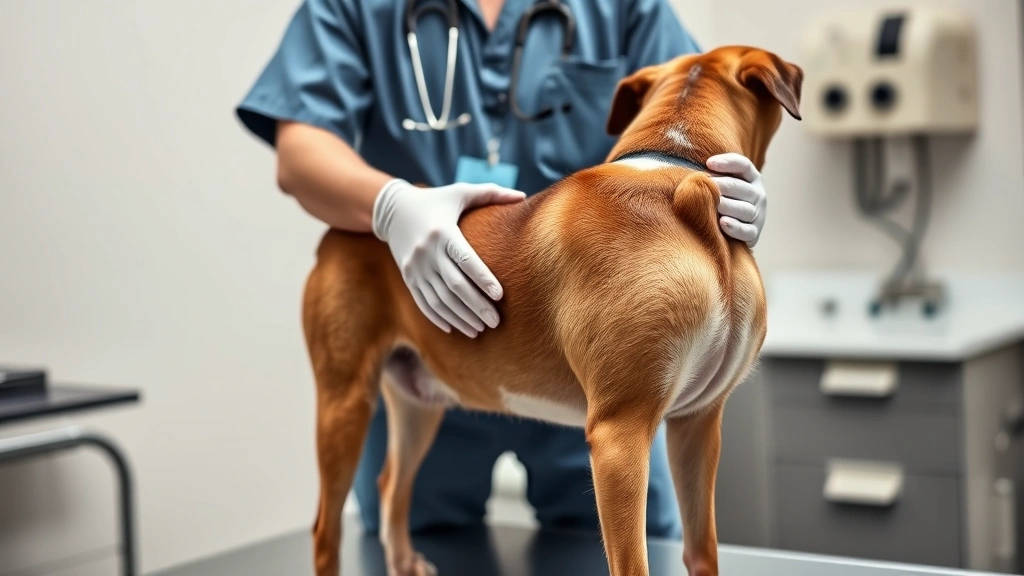
Keep a medication schedule posted in an easy-to-see spot. Set phone reminders if that helps you stay on track. If your dog has trouble taking pills, ask your vet if the medication can be mixed with food or if alternative forms are available.
Wound Care and Infection Prevention
Keeping the surgical site clean is essential. Your vet will show you how to check the incision and what normal healing looks like. Watch for signs of infection, such as increased redness, swelling, discharge, or a bad smell coming from the area.
During the first two weeks, keep the incision dry and prevent your dog from swimming or getting muddy. Limit activity to short, leashed walks for bathroom breaks only. If the incision opens, bleeds excessively, or shows other concerning signs, contact your vet immediately.
Activity Restrictions and Exercise Guidelines
Your dog will need strict rest during the first 10 to 14 days after surgery. This means no running, jumping, or rough play—basically, no activities that could stress the incision or cause your dog to fall. Think of it as enforced couch time for your pup.
After the initial healing period, gradually increase activity under your vet’s guidance. Most dogs can return to normal activity within 4 to 6 weeks, though this varies by individual. Your vet will let you know when it’s safe to resume regular exercise and play.
Behavioral Changes and Adjustment
Some dogs may behave differently after tail amputation. They might seem anxious, less playful, or overly cautious at first. This is completely normal—they’re adjusting to a significant change in their body. Most dogs adapt remarkably well within a few weeks.
If your dog seems unusually anxious or shows signs of depression that persist beyond a few weeks, talk to your vet. They can help determine if additional support, like behavioral modification or supplements for comfort, might help. Your dog will likely surprise you with their resilience.
Nutrition to Support Healing
Good nutrition plays a big role in recovery. Feed your dog high-quality food with adequate protein to support tissue healing. Your vet may recommend specific foods or supplements to boost immune function and wound healing during this time.
Some dogs lose appetite after surgery due to stress or medication side effects. If your dog isn’t eating well, try warming their food slightly or offering smaller, more frequent meals. If appetite doesn’t improve within a day or two, contact your vet.
When to Call Your Veterinarian
Contact your vet immediately if you notice any of these warning signs: excessive bleeding or discharge from the incision, signs of infection, your dog’s inability or unwillingness to eat or drink, severe lethargy, or difficulty urinating or defecating. Don’t wait to see if things improve on their own.
Also reach out if your dog seems to be in significant pain that doesn’t improve with prescribed medications, or if you have any questions about wound care or medication administration. Your vet is your partner in your dog’s recovery.
Long-Term Outlook and Quality of Life
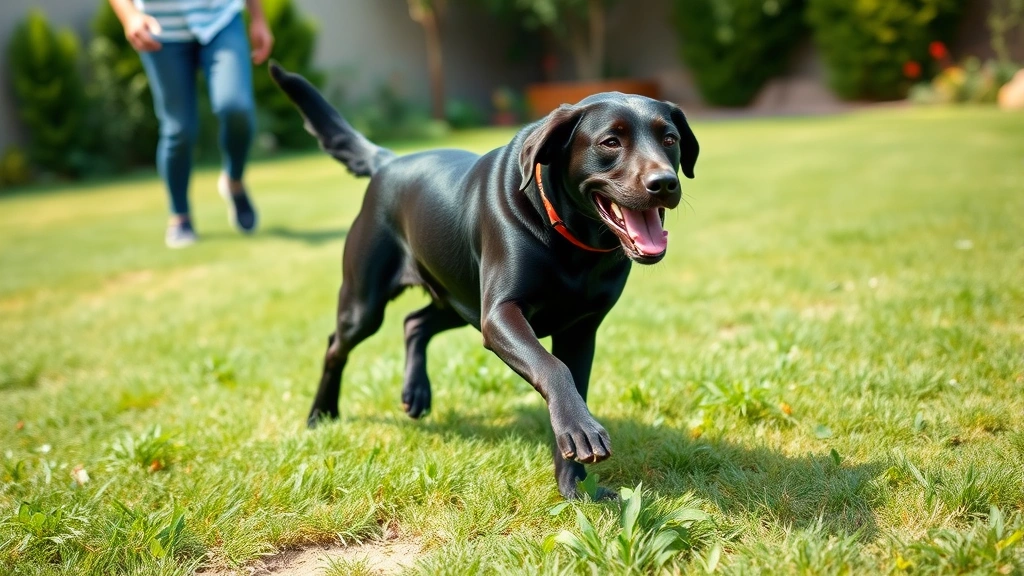
The excellent news? Most dogs do wonderfully after tail amputation and show no long-term complications. Dogs use their tails for balance and communication, but they adapt quickly without them. Your dog will still play, run, and enjoy life just as much as before.
Many pet owners are surprised at how quickly their dog returns to normal behavior. Within a few weeks, your dog likely won’t even seem to notice their tail is gone. They’ll be back to their loving, playful self, tail or no tail.
Telehealth Support During Recovery
If you’re unsure whether a symptom needs urgent attention or have questions about wound care between vet visits, telehealth can be incredibly helpful. If you are unsure whether your pet needs urgent care, a quick telehealth check-in can give you peace of mind — no appointment needed. Many vets, including those at The Pet Vet, offer virtual consultations to answer questions and monitor your dog’s progress from home.
Frequently Asked Questions
How long does it take for a dog’s tail amputation incision to heal?
Most incisions close within 10 to 14 days, though complete healing takes longer. Your vet will remove sutures around 10-14 days post-surgery.
Will my dog be able to play and exercise normally after tail amputation?
Yes, most dogs return to normal activity within 4 to 6 weeks. After the initial healing period, they can play, run, and exercise just as before.
Can I bathe my dog after tail amputation?
Keep the incision dry for the first 10 to 14 days. Your vet will let you know when it’s safe to bathe your dog again.
What are signs of infection after tail amputation surgery?
Watch for increased redness, swelling, discharge, bad odor, or warmth around the incision. Contact your vet immediately if you notice any of these signs.
Will my dog’s balance or behavior be affected by losing their tail?
Dogs adapt remarkably well. While tails help with balance, most dogs adjust within weeks and show no lasting behavioral changes.
What To Do Now
- Schedule a pre-surgery consultation with your veterinarian to discuss the procedure, ask questions about pain management options, and learn about post-operative care specific to your dog.
- Prepare your home for recovery by creating a quiet, comfortable resting area away from other pets and children, and gathering supplies like an Elizabethan collar and cleaning materials for wound care.
- Write down medication instructions including dosages, frequency, and timing. Set phone reminders to ensure you don’t miss doses during the critical healing period.
- Plan for post-operative monitoring by scheduling follow-up vet appointments and knowing which signs require immediate attention versus those that can wait for your next scheduled visit.
- Arrange for recovery support by taking time off work if possible, enlisting help from family or friends, and preparing to keep your dog calm and confined during the healing period.
Summary
Dog tail amputation is a significant procedure, but it’s one that most dogs recover from beautifully. With proper medication management, wound care, activity restriction, and your loving support, your dog can return to a happy, healthy life. The key is following your vet’s instructions carefully, staying alert for complications, and being patient with your dog’s recovery process.
Remember, your veterinarian is your best resource throughout this journey. Don’t hesitate to ask questions or reach out if you’re unsure about anything. Your dog is lucky to have an owner who cares enough to learn about their care and recovery. You’ve got this, and so does your pup.