
If your senior dog is having accidents in the house, you’re not alone—and the good news is that senior dog incontinence is often manageable with the right approach. Watching your beloved companion struggle with bladder control can be heartbreaking, but many pet parents don’t realize that this common issue in aging dogs has real solutions.
Table of Contents
- Understanding Senior Dog Incontinence
- Why Senior Dogs Develop Incontinence
- The Role of Medications in Managing Incontinence
- Common Medication Categories for Incontinence
- Evaluating Your Senior Dog’s Symptoms
- Supporting Treatment With Supplements and Care
- Timeline for Medication Effectiveness
- Managing Incontinence at Home
- When to Seek Veterinary Help
- Frequently Asked Questions
- Summary: Taking Action for Your Senior Dog
- What To Do Now
This article is for informational purposes only and is not a substitute for professional veterinary advice. Always consult a licensed veterinarian for diagnosis and treatment.
Understanding Senior Dog Incontinence
Senior dog incontinence typically develops when dogs reach their golden years, usually around age 7 or older. The condition happens because the muscles controlling the bladder sphincter weaken over time, making it harder for your dog to hold urine—especially during sleep or relaxation.
It’s important to know that incontinence isn’t a behavioral problem or a sign your dog is losing house training. This is a medical condition that affects even the best-trained dogs. The good news? Catching this early puts you in a great position to help your pup regain confidence and comfort.
Why Senior Dogs Develop Incontinence
As dogs age, several physical changes contribute to urinary incontinence. The muscles surrounding the urethra naturally lose tone, hormonal changes affect bladder function, and the bladder itself may lose some elasticity. Additionally, conditions like urinary tract disease in dogs can worsen incontinence symptoms.
Other contributing factors include:
- Cognitive decline (senior dogs may forget to signal they need to go out)
- Arthritis making it painful to move quickly outside
- Kidney disease or diabetes affecting urine production
- Obesity putting extra pressure on the bladder
- Hormonal imbalances, especially in spayed females
Understanding the root cause helps your vet recommend the most effective treatment plan for your individual dog.
The Role of Medications in Managing Incontinence
While lifestyle changes and supplements play important roles, medications are often the most effective first-line treatment for senior dog incontinence. These drugs work by strengthening bladder muscles, improving sphincter control, or adjusting how the body processes urine.
Your veterinarian will choose a medication based on your dog’s specific type of incontinence, overall health, and other medications they’re taking. Some dogs respond beautifully to one medication, while others may need a combination approach or time to find the right fit.
Common Medication Categories for Incontinence
Several classes of medications have proven effective for managing senior dog incontinence. These include sympathomimetic agents that strengthen the urethral sphincter, estrogen-based treatments for hormone-responsive incontinence, and medications that increase bladder capacity.
Your vet might also consider medications that address underlying conditions contributing to incontinence, such as antibiotics for urinary tract infections or diuretics for fluid management. The key is working with your veterinarian to identify which medication—or combination—works best for your dog’s unique situation.
Evaluating Your Senior Dog’s Symptoms
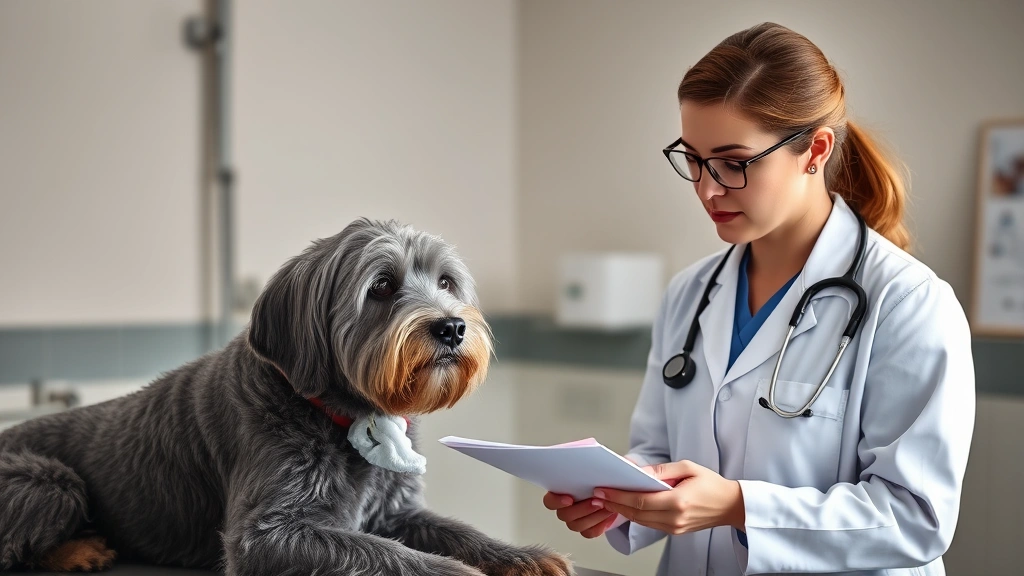
Before starting any medication, your vet will need to understand your dog’s specific incontinence pattern. Keep notes on when accidents happen—during the day, at night, or both? Does your dog leak small amounts or have complete loss of bladder control?
These details matter because they help determine the underlying cause. For example, nighttime accidents often point to weakened sphincter muscles, while daytime incontinence might suggest cognitive issues or infections. Documenting these patterns gives your vet crucial information for selecting the right treatment.
Supporting Treatment With Supplements and Care
While medications form the foundation of treatment, supplements can provide valuable support. Dog kidney supplements help maintain urinary tract health, while elderly dog cognitive supplements may help if confusion is contributing to accidents.
Beyond supplements, consider these supportive measures:
- Increase bathroom breaks, especially before bedtime
- Use absorbent pads or washable dog diapers for nighttime
- Maintain a consistent feeding and water schedule
- Ensure easy access to outdoor potty areas
- Keep your senior dog at a healthy weight to reduce bladder pressure
These practical steps work alongside medication to give your dog the best chance at managing incontinence successfully.
Timeline for Medication Effectiveness
Most dogs show improvement within 2-4 weeks of starting appropriate medication, though some respond faster and others need more time. Your vet may recommend starting with a lower dose and adjusting based on your dog’s response.
Don’t get discouraged if the first medication doesn’t work perfectly—finding the right fit sometimes takes patience. Some dogs benefit from dose adjustments, while others do better with a different medication class entirely. Regular communication with your vet helps you fine-tune the approach.
Managing Incontinence at Home
While medication handles the medical side, your home environment plays a huge role in managing incontinence successfully. Create a comfortable, low-stress space where accidents won’t cause shame or anxiety for your senior dog.
Practical home management includes:
- Place washable pads in sleeping areas to protect furniture
- Use enzymatic cleaners to remove urine odor completely
- Establish a predictable bathroom schedule
- Keep water bowls accessible but monitor intake in evening hours
- Provide non-slip flooring to help your dog move safely
Remember, your senior dog isn’t having accidents on purpose. Staying patient and compassionate while managing incontinence strengthens your bond and reduces stress for both of you.
When to Seek Veterinary Help
If your dog is experiencing new or worsening incontinence, schedule a vet visit promptly. Sudden changes could indicate urinary tract infections, kidney disease, diabetes, or other conditions requiring immediate attention.
If you’re unsure whether your pet needs urgent care or want to discuss incontinence concerns outside regular office hours, a quick telehealth check-in can give you peace of mind—no appointment needed. The Pet Vet makes it easy to connect with experienced veterinarians who can guide your treatment decisions.
Frequently Asked Questions
Is senior dog incontinence reversible?
In many cases, incontinence can be significantly improved or controlled with appropriate medication and management strategies. While not always completely reversible, most dogs experience substantial improvement in symptoms with proper treatment.
Can diet affect my senior dog’s incontinence?
Yes, diet plays a supportive role. Maintaining healthy weight reduces bladder pressure, and proper nutrition supports overall urinary tract health. Your vet may recommend specific dietary adjustments alongside medication.
Are there side effects from incontinence medications?
Most medications used for incontinence are well-tolerated, but individual dogs may experience mild side effects. Your vet will discuss potential effects and monitor your dog’s response to treatment.
How often will my dog need bathroom breaks on medication?
Even with medication, senior dogs typically need more frequent breaks than younger dogs—usually 3-4 times daily, plus before bedtime. Your vet will help establish the ideal schedule for your dog’s needs.
Can incontinence medication be used long-term?
Most incontinence medications are safe for long-term use in senior dogs. Your vet will schedule regular check-ins to monitor effectiveness and adjust treatment as your dog ages.
Summary: Taking Action for Your Senior Dog
Senior dog incontinence is a manageable condition that doesn’t have to diminish your dog’s quality of life. With the right medication, supportive care, and understanding from you, most senior dogs can enjoy their golden years with confidence and comfort restored.
The journey starts with recognizing that incontinence is a medical issue, not a behavioral failure. Your senior dog deserves compassionate care and effective treatment—and you deserve the peace of mind that comes from helping your beloved companion live their best life.
What To Do Now
- Schedule a veterinary appointment to discuss your dog’s incontinence symptoms and get a professional diagnosis
- Keep a detailed log of when accidents occur and any patterns you notice to share with your vet
- Ask your veterinarian about appropriate medication options and what timeline to expect for improvement
- Implement home management strategies like absorbent pads and increased bathroom breaks while medication takes effect
- Follow up with your vet in 2-4 weeks to assess medication effectiveness and make adjustments if needed
Your senior dog’s comfort and happiness matter. Taking action today puts you on the path to real, lasting improvement.
This article is for general education and is not a substitute for care from your own veterinarian. Learn about The Pet Vet and our editorial policy.