
If your cat is experiencing vomiting, loss of appetite, or abdominal discomfort, gastritis in cats might be the culprit—and the good news is that many cases respond beautifully to treatment and dietary adjustments.
Table of Contents
- What Is Gastritis in Cats?
- Common Causes of Gastritis in Cats
- Recognizing Gastritis Symptoms in Your Cat
- How Vets Diagnose Gastritis in Cats
- Medications That Help Manage Gastritis in Cats
- Dietary Changes and Feeding Strategies
- The Role of Stress Management
- When to Seek Urgent Veterinary Care
- Long-Term Management and Prevention
- Connection to Other Digestive Conditions
- What To Do Now
- Frequently Asked Questions
- Summary: Helping Your Cat Feel Better
This article is for informational purposes only and is not a substitute for professional veterinary advice. Always consult a licensed veterinarian for diagnosis and treatment.
Watching your feline friend suffer through stomach troubles is heartbreaking. Gastritis—inflammation of the stomach lining—is more common in cats than many pet owners realize, and it can range from mild to severe. The encouraging part? With the right approach, most cats bounce back quickly.
What Is Gastritis in Cats?
Gastritis is inflammation of the stomach’s protective lining. Think of it like a mini internal irritation that makes eating uncomfortable and can trigger that telltale vomiting you’ve been noticing. It’s different from other digestive issues like colitis in cats, which affects the colon instead.
Your cat’s stomach lining normally protects the organ from its own digestive acids. When something irritates or damages this lining, inflammation develops. This can happen suddenly (acute gastritis) or develop over time (chronic gastritis).
Common Causes of Gastritis in Cats
Understanding what triggered your cat’s gastritis helps prevent it from happening again. The causes are surprisingly varied:
- Dietary indiscretion: Eating something they shouldn’t—spoiled food, toxic plants, or sudden food changes
- Food sensitivities: Certain proteins or ingredients may not sit well with your cat’s stomach
- Stress: Cats are sensitive creatures; changes in routine can upset their digestion
- Infections: Bacterial or parasitic infections can inflame the stomach lining
- Medications: Some drugs, particularly NSAIDs, can irritate the stomach
- Hairballs: Long-haired cats especially may experience gastritis from accumulated hair
- Foreign objects: Ingesting non-food items can cause irritation
- Underlying diseases: Kidney disease, hyperthyroidism, or pancreatitis sometimes trigger secondary gastritis
If you’re unsure about what caused your cat’s symptoms, your vet can help narrow it down through a physical exam and diagnostic tests.
Recognizing Gastritis Symptoms in Your Cat
Cats are notoriously good at hiding discomfort, so catching early signs matters. Watch for these telltale indicators:
- Vomiting (the most obvious sign—may be undigested food or liquid)
- Loss of appetite or picking at food
- Lethargy and reduced activity levels
- Abdominal pain (hunched posture, reluctance to be touched)
- Excessive drooling or lip smacking
- Weight loss if the condition persists
- Diarrhea (sometimes accompanying vomiting)
Catching these signs early puts you in a great position to help your cat feel better faster. If vomiting happens more than once or persists for more than a day, it’s time to contact your vet.
How Vets Diagnose Gastritis in Cats
Your veterinarian will start with a thorough history and physical examination. They’ll ask about your cat’s eating habits, recent diet changes, and how long symptoms have been occurring.
Diagnostic tools may include blood work to check organ function, urinalysis, and imaging like ultrasound or X-rays to rule out foreign objects or other conditions. In some cases, your vet might recommend an endoscopy—a minimally invasive procedure where a tiny camera examines the stomach directly. This helps confirm gastritis and rule out more serious issues.
The good news? Most cats don’t need extensive testing if the cause is obvious (like a recent diet change) and they’re responding to initial treatment.
Medications That Help Manage Gastritis in Cats
While medication alone isn’t usually the complete answer, certain medications can significantly reduce inflammation and discomfort. Your vet may recommend:
Acid-reducing medications: These help protect the inflamed stomach lining by decreasing stomach acid production. They’re often the first line of defense and work well for many cats.
Anti-nausea medications: If vomiting is severe, anti-nausea drugs can provide relief and help your cat keep food down while healing occurs.
Probiotics: Beneficial bacteria can support healthy digestion and may reduce inflammation over time. Many vets recommend these as a supportive measure.
Antibiotics: Only prescribed if a bacterial infection is suspected or confirmed.
Your veterinarian will choose medications based on your cat’s specific situation, underlying health conditions, and severity of symptoms. Never give your cat over-the-counter medications without veterinary guidance—some can be harmful to cats.
Dietary Changes and Feeding Strategies
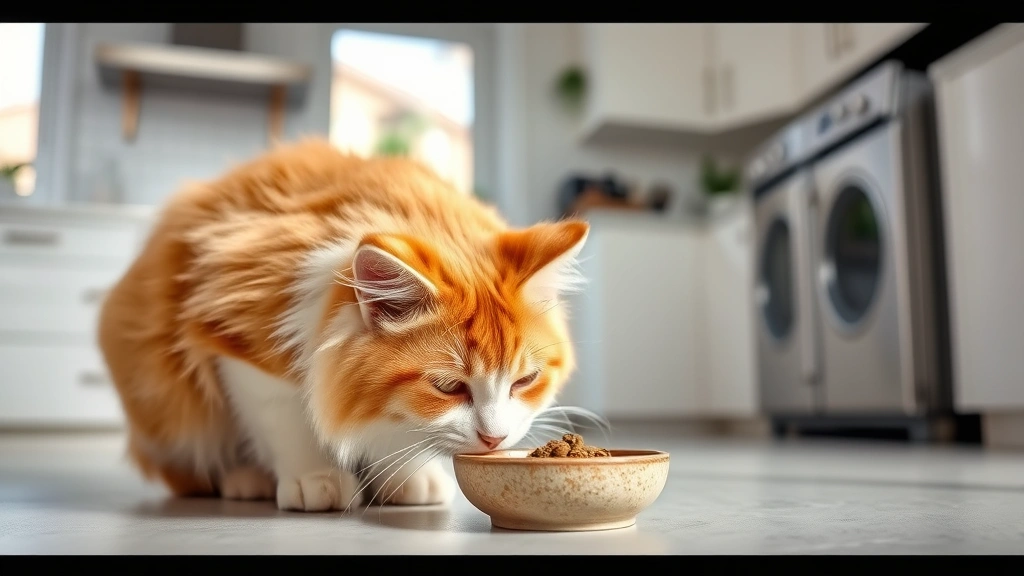
Diet is absolutely crucial in managing gastritis. Many cats recover simply by switching to easily digestible food and establishing a consistent feeding routine.
Try these feeding adjustments:
- Switch to a bland, easily digestible diet (your vet can recommend specific options)
- Offer smaller, more frequent meals rather than one large meal
- Keep meals consistent—avoid sudden food changes that shock the system
- Ensure fresh water is always available
- Eliminate foods cats should avoid, including rich or fatty treats
Some cats benefit from an elimination diet feeding plan to identify food triggers. This involves feeding a limited ingredient diet for several weeks, then gradually introducing other foods to pinpoint sensitivities.
Consider age-appropriate feeding frequency as well—senior cats sometimes do better with smaller, more frequent meals than younger adults.
The Role of Stress Management
Stress is a sneaky gastritis trigger that many pet owners overlook. Cats experience stress from environmental changes, new pets, loud noises, or even schedule disruptions.
Help reduce stress by maintaining a calm, predictable environment. Provide safe spaces where your cat can retreat, use calming pheromone diffusers if recommended by your vet, and keep feeding times consistent. Some cats benefit from interactive play to burn anxiety, while others prefer quiet companionship.
If your cat’s gastritis seems linked to anxiety, your vet might discuss additional support options.
When to Seek Urgent Veterinary Care
Most cases of gastritis respond well to treatment, but some situations require immediate attention:
- Severe, persistent vomiting that prevents your cat from keeping anything down
- Signs of dehydration (sunken eyes, dry gums, lethargy)
- Bloody vomit or black, tarry stools
- Severe abdominal pain or distension
- Collapse or extreme weakness
If you’re unsure whether your pet needs urgent care, a quick telehealth check-in can give you peace of mind—no appointment needed. The Pet Vet offers convenient virtual consultations to help you decide your next steps.
Long-Term Management and Prevention
Once your cat recovers, preventing future episodes is key. Continue feeding the diet your vet recommends, maintain a stress-free environment, and keep up with regular wellness exams.
Monitor your cat’s eating habits closely. Any sudden changes—increased or decreased appetite, vomiting, or behavioral shifts—warrant a call to your vet. Early intervention prevents minor issues from becoming major problems.
If your cat has chronic gastritis, your vet might recommend ongoing dietary management or periodic medication. This is completely manageable and many cats live comfortably with proper care.
Connection to Other Digestive Conditions
Gastritis sometimes occurs alongside other digestive issues. Acid reflux in cats often coexists with gastritis, as both involve stomach irritation. Understanding these connections helps your vet create a comprehensive treatment plan.
Similarly, if your cat has a history of colitis in cats, managing overall digestive health becomes even more important.
What To Do Now
If you suspect your cat has gastritis, take these steps today:
- Schedule a vet appointment to rule out serious conditions and get a proper diagnosis
- Document symptoms—note when vomiting occurs, what your cat ate, and any other changes you’ve noticed
- Review recent diet changes and identify any new foods or treats introduced in the past week
- Prepare for dietary recommendations by asking your vet what feeding plan they suggest
- Ask about telehealth options if you need quick guidance before an in-person visit
Frequently Asked Questions
How long does it take for gastritis in cats to resolve?
Most cases improve within 3-7 days with appropriate treatment and dietary changes. Chronic cases may take several weeks to fully resolve, but symptoms typically ease quickly once treatment starts.
Can I treat my cat’s gastritis at home?
While dietary changes and stress reduction help significantly, you should always consult a vet first to rule out serious underlying conditions. Home care works best alongside professional guidance.
Is gastritis in cats contagious?
No, gastritis itself isn’t contagious. However, if it’s caused by an infection, that infection might spread to other cats, so consult your vet about precautions.
What’s the difference between acute and chronic gastritis?
Acute gastritis develops suddenly and often resolves quickly with treatment. Chronic gastritis persists over weeks or months and usually requires ongoing dietary management and periodic medication.
Can diet alone cure gastritis in cats?
For many cases, dietary changes are extremely effective. However, some cats benefit from medication alongside dietary adjustments. Your vet will recommend the best combination for your cat’s situation.
Summary: Helping Your Cat Feel Better
Gastritis in cats is uncomfortable but highly manageable. By recognizing symptoms early, working with your veterinarian, and making appropriate dietary and lifestyle adjustments, most cats recover beautifully.
Remember: your cat’s stomach discomfort is temporary, and with the right support, they’ll be back to their normal selves soon. Don’t hesitate to reach out to your vet with questions or concerns—that’s what they’re here for. Your attentiveness to your cat’s health is already making a difference.
For convenient guidance when you need it, The Pet Vet telehealth service is just a click away.
This article is for general education and is not a substitute for care from your own veterinarian. Learn about The Pet Vet and our editorial policy.