
Discovering an abscess in cats can be alarming for any pet owner, especially when you notice your feline friend limping, swelling, or acting uncomfortable. An abscess is a painful pocket of infection that forms under the skin, usually from a bite wound, scratch, or bacterial infection that’s been left untreated. The good news? With prompt veterinary care and the right treatment approach, most cats recover beautifully.
Table of Contents
- What Exactly Is an Abscess in Cats?
- Common Signs Your Cat May Have an Abscess
- How Vets Diagnose an Abscess
- Treatment Options for Abscess in Cats
- Medications Commonly Used for Feline Abscesses
- How Long Does Recovery Take?
- Prevention: Keeping Your Cat Abscess-Free
- When to Seek Emergency Care
- Can Abscesses Come Back?
- Supporting Your Cat’s Recovery at Home
- Frequently Asked Questions
- What To Do Now
- Summary: Managing Abscess in Cats
This article is for informational purposes only and is not a substitute for professional veterinary advice. Always consult a licensed veterinarian for diagnosis and treatment.
What Exactly Is an Abscess in Cats?
An abscess is essentially your cat’s body’s way of fighting infection. When bacteria enter the skin—usually through puncture wounds from fights with other animals—the immune system walls off the infection by creating a pocket of pus. This protective barrier keeps the infection from spreading, but it also creates pressure, pain, and swelling that your cat definitely notices.
Abscesses are more common in outdoor cats or those who have access to other animals, but indoor cats aren’t immune. Even a small scratch from rough play can develop into an abscess if bacteria take hold.
Common Signs Your Cat May Have an Abscess
Recognizing the early warning signs helps you get your cat help faster. Look for these telltale indicators:
- Visible swelling or lump under the skin, often warm to the touch
- Limping or favoring one leg, especially if the abscess is on a paw or leg
- Discharge or drainage (sometimes with an unpleasant odor)
- Lethargy or unusual behavior—your cat seems quieter or withdrawn
- Fever or feeling warm when you touch your cat
- Excessive licking or biting at a specific area
- Loss of appetite or reluctance to eat normally
If you spot any of these signs, don’t panic—catching this early puts you in a great position to help your cat recover quickly. A telehealth consultation can help you determine urgency without the stress of a car ride.
How Vets Diagnose an Abscess
Your veterinarian will typically start with a physical examination, gently feeling the swollen area and checking for warmth and sensitivity. In some cases, they may recommend a fine-needle aspirate or culture to confirm bacterial infection and identify which bacteria are present.
This diagnostic step matters because it helps your vet choose the most effective treatment path. Imaging like X-rays is occasionally used if the abscess is deep or if your vet suspects complications.
Treatment Options for Abscess in Cats
The approach to treating an abscess depends on how advanced it is and where it’s located. Most abscesses follow a similar treatment trajectory:
Drainage and Cleaning
The first step is usually draining the abscess to relieve pressure and remove the infected material. Your vet may lance the abscess (make a small opening) and flush it with sterile saline solution. This immediate relief is often followed by noticeable improvement in your cat’s comfort level within hours.
Antibiotics
After drainage, your vet will likely prescribe antibiotics to fight any remaining infection. These may be given orally or, in some cases, through injection. The course typically lasts 10-14 days, though your vet will give you specific instructions. It’s crucial to complete the full course even if your cat seems better—stopping early can allow the infection to return.
Pain Management
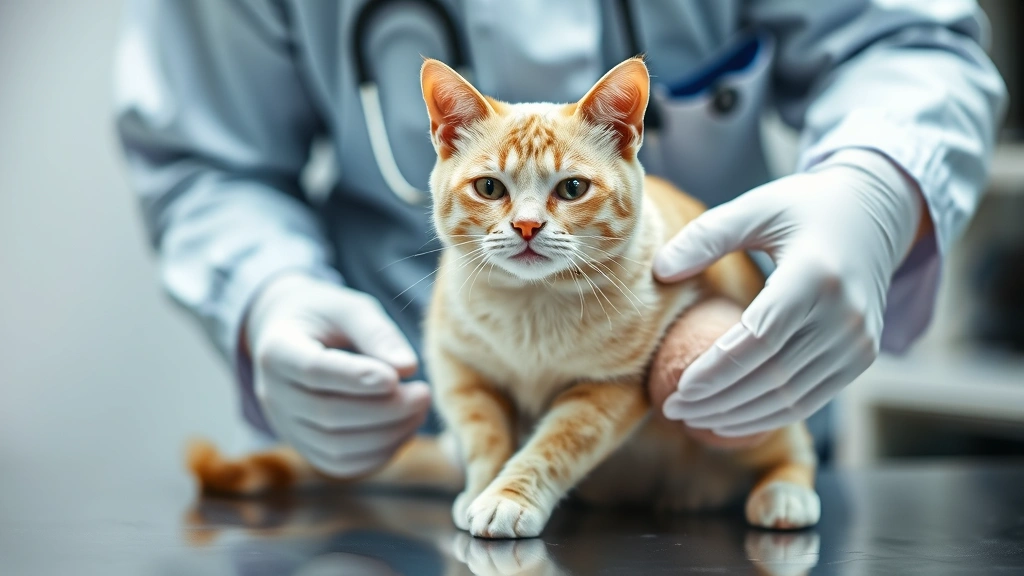
Abscesses hurt, and your cat deserves relief. Your veterinarian may recommend pain medication to keep your feline comfortable during healing. This isn’t just about comfort; pain management helps your cat eat, move, and rest properly—all essential for recovery.
Wound Care at Home
Once the abscess is drained, you’ll play an important role in aftercare. Your vet may ask you to apply warm compresses, clean the area with prescribed solutions, or monitor for signs of re-infection. Follow their specific instructions carefully, as proper home care dramatically improves outcomes.
Medications Commonly Used for Feline Abscesses
While we don’t provide specific dosages (your vet will determine the right amount for your cat), here are the types of medications your veterinarian might discuss:
- Broad-spectrum antibiotics—prescribed before culture results come back, then potentially adjusted based on what bacteria are identified
- Topical antibiotic ointments—applied directly to the wound site to prevent secondary infection
- Pain relievers—help your cat feel comfortable and encourage normal behavior
- Anti-inflammatory medications—reduce swelling and discomfort
Your vet will choose medications based on your cat’s health history, age, and any other conditions they may have. Always inform your veterinarian about any other medications or supplements your cat is taking.
How Long Does Recovery Take?
Most cats show improvement within 24-48 hours of drainage and starting antibiotics. Complete healing typically takes 7-14 days, depending on the abscess size and your cat’s overall health. Younger, healthier cats often bounce back faster than senior cats.
During recovery, keep your cat’s activity level moderate to prevent re-injury. Restrict rough play and jumping if possible, and monitor the wound site daily for any signs of drainage, swelling, or discharge that seems abnormal.
Prevention: Keeping Your Cat Abscess-Free
While you can’t eliminate all risk, especially for outdoor cats, several strategies reduce the likelihood of abscess development:
- Keep vaccinations current—vaccines like FVRCP and rabies protect against infections that can lead to abscesses
- Monitor outdoor time—if your cat goes outside, supervise when possible or consider a catio
- Check regularly for wounds—run your hands over your cat’s body weekly, feeling for lumps or tender spots
- Maintain dental health—dental disease and gum infections can lead to facial abscesses; read more about gum disease in cats to protect your cat’s mouth
- Address upper respiratory issues promptly—untreated respiratory infections can occasionally lead to abscess formation; learn about feline upper respiratory infection warning signs
- Keep your home safe—remove sharp objects and ensure your indoor cat has a secure, hazard-free environment
Prevention isn’t foolproof, but these steps significantly lower your cat’s risk.
When to Seek Emergency Care
Most abscesses aren’t emergencies, but certain situations warrant immediate veterinary attention. Seek urgent care if your cat has:
- Difficulty breathing or swallowing (suggests the abscess is near the throat or face)
- Severe lethargy, fever above 103°F, or signs of shock
- An abscess that’s rapidly enlarging or spreading
- Signs of sepsis (severe infection spreading through the bloodstream)
If you’re unsure whether your pet needs urgent care, a quick telehealth check-in can give you peace of mind—no appointment needed. Many cases that seem scary are actually manageable with prompt outpatient care.

Can Abscesses Come Back?
Recurrence is possible but uncommon if the abscess is properly drained and treated with antibiotics. However, cats prone to fighting or outdoor injuries may develop new abscesses in different locations over time.
If your cat develops repeated abscesses in the same spot, discuss this with your vet. It might indicate an underlying issue like paronychia in cats (nail bed infections) or another chronic condition requiring different management.
Supporting Your Cat’s Recovery at Home
Beyond medications, your care makes a real difference. Here’s how to support healing:
- Keep the area clean—follow your vet’s wound care instructions exactly
- Use an Elizabethan collar if needed—prevents your cat from licking or biting the wound
- Ensure proper nutrition—healing requires energy; offer your cat’s favorite foods to encourage eating
- Provide a quiet space—let your cat rest undisturbed, away from other pets if needed
- Monitor closely—watch for any changes and report them to your vet
Frequently Asked Questions
Can an abscess in cats go away on its own?
Abscesses rarely resolve without veterinary intervention. While your cat’s immune system is fighting the infection, the pressure and pain typically worsen without drainage and antibiotics.
Is an abscess contagious to other cats?
The abscess itself isn’t contagious, but the bacteria causing it could potentially spread through direct contact with open wounds. Keep your cat separated from others during treatment to be safe.
How much does treating an abscess cost?
Costs vary widely depending on the abscess location, severity, and your location, but most treatments range from moderate to significant. Ask your vet for an estimate before proceeding.
Will my cat need stitches after abscess drainage?
Most abscesses are left open to drain and heal from the inside out rather than being sutured closed. This prevents the infection from being trapped inside again.
What if my cat won’t take the antibiotics?
Talk to your vet about alternatives—some antibiotics come in liquid form, flavored tablets, or can be hidden in food. Never skip doses without consulting your veterinarian.
What To Do Now
- Schedule a vet appointment immediately—if you suspect an abscess, don’t wait. Early treatment prevents complications and reduces pain for your cat.
- Document what you’re seeing—note when you first noticed symptoms, where the swelling is, and any discharge or behavioral changes to share with your vet.
- Prepare for home care—ask your vet in advance what supplies you’ll need for wound care so you’re ready when you get home.
- Set medication reminders—use your phone to alert you for each antibiotic dose; consistency is key to successful treatment.
- Plan follow-up communication—ask your vet when they want to recheck your cat and how to reach them if problems arise during recovery.
Summary: Managing Abscess in Cats
An abscess in cats is a treatable condition that responds well to prompt veterinary care. The combination of drainage, antibiotics, pain management, and attentive home care leads to recovery in most cases within 1-2 weeks. Your role as a vigilant pet owner—catching symptoms early and following treatment instructions—directly impacts your cat’s comfort and healing speed.
Don’t hesitate to reach out to your veterinarian if you notice any signs of infection or if your cat isn’t improving as expected. With the right support, your feline friend will be back to their normal self soon.