
If your cat is limping, favoring their back leg, or showing sudden reluctance to jump, an achilles tendon injury in cats might be the culprit behind their discomfort. This injury can happen faster than you’d expect, and watching your feline friend struggle is heartbreaking. The good news? Understanding what’s happening and knowing your next steps can make all the difference in your cat’s recovery.
Table of Contents
- What Is the Achilles Tendon and Why Does It Matter?
- How Do Cats Get Achilles Tendon Injuries?
- Recognizing the Signs: What to Watch For
- The Diagnosis Process: What Your Vet Will Do
- Treatment Options for Achilles Tendon Injuries
- Managing Pain and Keeping Your Cat Comfortable
- The Recovery Timeline: What to Expect
- Rehabilitation and Physical Therapy
- Nutrition and Supplements During Recovery
- Preventing Future Achilles Tendon Injuries
- When to Seek Urgent Care
- The Emotional Journey: Supporting Your Cat Through Recovery
- Frequently Asked Questions
- What to Do Now
- Summary: Moving Forward With Confidence
This article is for informational purposes only and is not a substitute for professional veterinary advice. Always consult a licensed veterinarian for diagnosis and treatment.
What Is the Achilles Tendon and Why Does It Matter?
The Achilles tendon is a thick, strong cord of tissue that connects the calf muscles to the heel bone. In cats, this tendon is absolutely critical for their famous jumping ability, graceful landings, and everyday movement. When your cat springs onto a shelf or lands from a jump, their Achilles tendon is doing the heavy lifting.
Think of it as the spring in your cat’s step. Without a healthy Achilles tendon, even simple movements become painful and difficult. This is why injuries to this area can be so limiting for our active, agile companions.
How Do Cats Get Achilles Tendon Injuries?
Achilles tendon injuries in cats typically happen in a few common ways. A fall from a height, a direct blow to the back of the leg, or even an awkward landing during play can cause damage. Some cats are more prone to tendon problems if they have underlying conditions affecting muscle strength or flexibility.
High-energy play, especially in younger cats, occasionally leads to overuse injuries. Older cats with muscle wasting in cats may be at increased risk because their muscles can’t support the tendon as well. Additionally, certain medical conditions can weaken the tendon itself, making it more vulnerable to injury.
Recognizing the Signs: What to Watch For
Your cat can’t tell you their leg hurts, so you need to watch for behavioral changes. The most obvious sign is limping or favoring one back leg. You might notice your cat holding their rear leg slightly bent or refusing to put weight on it at all.
Other telltale signs include:
- Reluctance to jump on furniture or climb stairs
- Swelling or heat around the back of the leg or heel area
- Licking or grooming excessively at the back leg
- Difficulty pushing off with the injured leg when running
- Visible bruising behind the heel or lower leg
- Behavioral changes like irritability or hiding
Catching these signs early puts you in a great position to help your cat recover faster and prevent complications. If you notice any of these symptoms, don’t wait—reach out to your veterinarian promptly.
The Diagnosis Process: What Your Vet Will Do
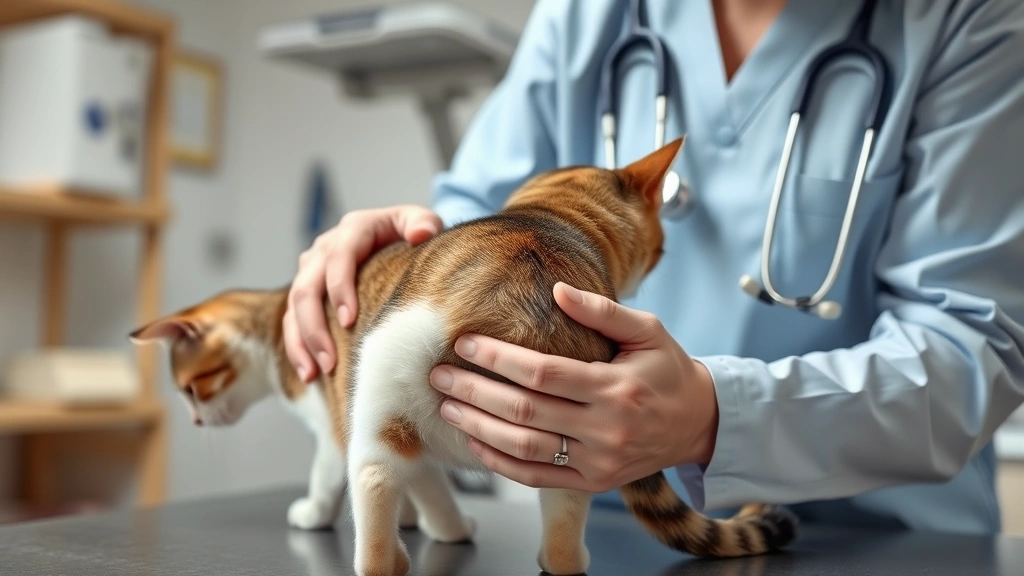
Your veterinarian will start with a physical examination, gently feeling the Achilles tendon area and checking your cat’s range of motion. They’ll ask about how the injury happened and when you first noticed the limping. This information helps them piece together the full picture.
Most vets will recommend imaging to confirm the diagnosis. X-rays or ultrasound can reveal whether the tendon is partially torn, completely ruptured, or intact. Some cats may need advanced imaging like MRI for a detailed view. These diagnostic tools help your vet create the most effective treatment plan for your specific cat.
Treatment Options for Achilles Tendon Injuries
Treatment depends on the severity of the injury. For minor strains or partial tears, conservative management often works well. This typically includes rest, restricted activity, and pain management to keep your cat comfortable while the tendon heals naturally.
Your vet may recommend:
- Keeping your cat in a quiet, confined space to limit movement
- Using pain relief medications to manage discomfort
- Applying cold therapy in the first 24-48 hours to reduce swelling
- Physical therapy or gentle exercises as healing progresses
- Follow-up examinations to monitor recovery
More severe injuries, like complete ruptures, may require surgical repair. Your veterinarian will discuss whether surgery is necessary based on your cat’s condition, age, and overall health. Pet wound infection is a potential complication after surgery, so your vet will provide detailed post-operative care instructions.
Managing Pain and Keeping Your Cat Comfortable
Comfort is essential during recovery. Your vet will recommend appropriate pain management strategies tailored to your cat’s needs. Keeping your cat’s environment calm and stress-free helps their body focus energy on healing rather than anxiety.
Create a comfortable recovery space with easy access to food, water, and the litter box. Use soft bedding and consider placing everything on one level to minimize jumping and stair climbing. Gentle handling and patience go a long way in helping your cat feel secure during this challenging time.
The Recovery Timeline: What to Expect
Recovery from an Achilles tendon injury varies depending on severity. Minor strains may improve within 2-4 weeks with proper rest and care. More significant injuries can take 6-12 weeks or longer to fully heal, especially if surgery was needed.
Your cat won’t feel better overnight, but gradual improvement is a positive sign. You’ll notice your cat putting more weight on the leg, jumping higher, and moving with less caution as weeks pass. Patience is crucial—pushing your cat too hard too soon can cause re-injury and extend recovery time.
Rehabilitation and Physical Therapy
As your cat heals, gentle movement and controlled exercise become important. Your veterinarian may recommend specific exercises to rebuild strength and flexibility in the injured leg. These might include short, supervised play sessions or walking on soft surfaces.
Physical therapy helps prevent muscle wasting in cats and ensures the tendon heals properly. Your vet can show you how to gently massage the area or perform passive range-of-motion exercises. These interventions support faster, more complete recovery and reduce the risk of chronic problems.
Nutrition and Supplements During Recovery
Proper nutrition supports healing from the inside out. Protein-rich diets help rebuild muscle tissue, while certain nutrients support tendon and ligament health. Talk to your vet about whether your cat’s current diet is optimal during recovery.
Some veterinarians recommend supplements like omega-3 fatty acids or collagen to support tendon health. Feeding for immune support can also help your cat’s body fight inflammation and heal more efficiently. Always check with your vet before adding supplements to ensure they’re safe and appropriate for your cat.
Preventing Future Achilles Tendon Injuries
Once your cat has recovered, prevention becomes the priority. Maintain a healthy weight to reduce stress on tendons and joints. Regular, moderate exercise keeps muscles strong and flexible, which supports the tendon.

Create a cat-safe environment by providing ramps or steps to favorite high spots, reducing the need for dangerous jumps. Avoid rough play that could cause re-injury. If your cat has underlying conditions affecting muscle health, work with your vet to manage those proactively.
When to Seek Urgent Care
Most Achilles tendon injuries aren’t emergencies, but certain signs warrant immediate veterinary attention. If your cat cannot bear any weight on the leg, shows signs of severe pain, or has an open wound, contact your vet right away.
Sudden worsening of symptoms after initial improvement, signs of infection around the injury site, or behavioral changes like refusal to eat also deserve prompt evaluation. If you’re unsure whether your pet needs urgent care, a quick telehealth check-in can give you peace of mind—no appointment needed.
The Emotional Journey: Supporting Your Cat Through Recovery
Watching your cat struggle is emotionally taxing. Remember that with proper care and time, most cats recover well from Achilles tendon injuries. Your consistent, gentle support during recovery matters more than you might realize.
Stay patient with your cat’s limitations and celebrate small improvements. Your calm, reassuring presence helps reduce your cat’s stress and supports their healing process. You’re doing great by seeking information and taking action for your feline friend.
Frequently Asked Questions
Can a cat’s Achilles tendon heal on its own?
Minor strains often heal with rest and conservative care, but complete ruptures typically require surgery. Your vet will determine what’s best for your cat’s specific injury.
How long does surgery recovery take for Achilles tendon injuries?
Post-surgical recovery usually takes 6-12 weeks, with gradual return to normal activity. Your vet will provide a specific timeline based on your cat’s progress.
Will my cat have permanent lameness after this injury?
Most cats recover fully with proper treatment and rehabilitation. Some may have mild residual effects, but they typically adapt well and enjoy normal quality of life.
Is there a risk of re-injury after recovery?
Yes, previously injured tendons can be more vulnerable. Maintaining fitness, preventing obesity, and avoiding high-impact activities reduces re-injury risk significantly.
What’s the difference between a strain and a rupture?
A strain is a partial tear or stretch of the tendon, while a rupture is a complete break. Ruptures are more serious and typically require surgery, whereas strains may heal with rest.
What to Do Now
- Schedule a veterinary appointment — Contact your vet today if you suspect your cat has an Achilles tendon injury. Early diagnosis leads to better outcomes.
- Restrict your cat’s activity — Keep your cat in a calm, confined space while you arrange the vet visit. This prevents further injury and manages pain.
- Document symptoms — Note when the limping started, how your cat moves differently, and any visible swelling. This information helps your vet diagnose accurately.
- Prepare for imaging — Ask your vet about what diagnostic tools they’ll use. Understanding the process helps you feel more prepared and informed.
- Plan for recovery support — Arrange your schedule to be available during the recovery period. Your presence and attentive care make a real difference in your cat’s healing.
Summary: Moving Forward With Confidence
An Achilles tendon injury in cats is serious but manageable. With prompt veterinary care, appropriate treatment, and patient, consistent support at home, most cats recover well and return to their normal, active lives. The key is recognizing signs early, following your vet’s guidance closely, and staying committed to your cat’s rehabilitation.
Your cat depends on you to advocate for their health and well-being. By taking action now and staying informed, you’re giving your feline friend the best chance at a full recovery. Trust the process, be patient with your cat, and know that you’re doing everything right.