
Dealing with aggression in dogs can feel overwhelming and scary, especially when you’re worried about your pet’s safety and the safety of those around them. If your dog is showing signs of aggressive behavior—whether it’s growling, snapping, lunging, or biting—you’re not alone, and there are evidence-based solutions that can help.
Table of Contents
- What Causes Aggression in Dogs?
- Medical Evaluation: The First Step
- How Medications Support Behavioral Modification
- Common Medication Classes for Canine Aggression
- The Role of Behavioral Training Alongside Medication
- Environmental Management Strategies
- Nutrition and Its Impact on Behavior
- When to Seek Telehealth Support
- What to Expect During Treatment
- Safety Considerations and Realistic Expectations
- Frequently Asked Questions
- What To Do Now
- Summary
This article is for informational purposes only and is not a substitute for professional veterinary advice. Always consult a licensed veterinarian for diagnosis and treatment.
What Causes Aggression in Dogs?
Understanding the root cause of aggression in dogs is the first step toward addressing it. Aggressive behavior isn’t simply a character flaw—it’s often a symptom of an underlying issue that needs professional attention.
Dogs may become aggressive due to fear, territoriality, resource guarding, pain, or lack of socialization. Sometimes, medical conditions like thyroid imbalances or neurological issues can trigger behavioral changes. Other times, anxiety or past trauma plays a significant role.

The good news? Catching this early puts you in a great position to help your dog improve. A thorough evaluation by your veterinarian can identify whether your dog’s aggression stems from medical, behavioral, or environmental factors.
Medical Evaluation: The First Step
Before exploring medication options, your vet will conduct a comprehensive physical exam and may recommend blood work or other diagnostics. This rules out pain, hormonal imbalances, or neurological conditions that could be driving aggressive behavior.
Your veterinarian will also ask detailed questions about when the aggression started, what triggers it, and how your dog behaves in different situations. This information helps them determine the best treatment approach for your specific dog.

Don’t skip this step—treating the underlying cause is far more effective than simply masking symptoms.
How Medications Support Behavioral Modification
Medications for aggression in dogs work best alongside professional training and behavior modification. Think of medication as a tool that reduces your dog’s anxiety or reactivity, making them more receptive to learning new, calmer responses.
Medications don’t “cure” aggression on their own. Instead, they create a window of opportunity where your dog can practice better behaviors and respond to training more effectively. Your veterinarian may recommend working with a certified animal behaviorist or professional trainer during this process.

The combination of medical support, behavioral training, and environmental management typically yields the best outcomes.
Common Medication Classes for Canine Aggression
Several categories of medications may be considered for dogs showing signs of aggression. Your veterinarian will choose based on your dog’s specific situation, age, and health status.
Selective Serotonin Reuptake Inhibitors (SSRIs) are among the most commonly prescribed options. These medications help regulate serotonin levels in the brain, which can reduce anxiety-driven aggression and improve impulse control.

Tricyclic Antidepressants work similarly to SSRIs and may be recommended depending on your dog’s individual needs. These have been used in veterinary medicine for decades and have a well-established safety profile.
Anxiolytics (anti-anxiety medications) may be prescribed for short-term use during particularly stressful situations or as part of a longer-term treatment plan. These help calm your dog’s nervous system during triggering events.
Beta-blockers can help manage the physical symptoms of anxiety, such as elevated heart rate and tension, which sometimes contribute to aggressive responses.

The Role of Behavioral Training Alongside Medication
Medication alone won’t resolve aggression in dogs. Professional training and behavior modification are essential components of a comprehensive treatment plan.
A certified animal behaviorist can help your dog learn new responses to triggers through desensitization and counterconditioning. This means gradually exposing your dog to situations that normally trigger aggression while rewarding calm, alternative behaviors.
Your trainer might recommend:

- Creating distance between your dog and triggers during initial training phases
- Using high-value rewards to reinforce non-aggressive responses
- Establishing clear boundaries and consistent rules throughout your home
- Practicing controlled socialization in safe, supervised environments
- Teaching your dog alternative behaviors like “sit” or “look at me” when they feel triggered
When medication reduces your dog’s anxiety and reactivity, they’re much more capable of learning and retaining these new behaviors.
Environmental Management Strategies
While medication and training take effect, managing your dog’s environment prevents escalation and keeps everyone safe. This proactive approach is just as important as the other treatment components.
Consider these practical steps:

- Avoid situations that trigger aggression until your dog shows improvement
- Use baby gates or closed doors to separate your dog from potential triggers
- Keep your dog on a leash during walks, even in familiar areas
- Ensure your dog has a safe, calm space where they can retreat
- Remove or secure items your dog might guard (toys, food bowls, chews)
Environmental management isn’t a permanent solution, but it’s a crucial safety measure while your dog progresses through treatment.
Nutrition and Its Impact on Behavior
What your dog eats can influence their mood, energy levels, and stress responses. While diet alone won’t resolve aggression in dogs, proper nutrition supports overall brain health and emotional regulation.
Some dogs may benefit from diets rich in omega-3 fatty acids, which support cognitive function and have mild anti-inflammatory properties. Others might experience behavioral improvements when certain food triggers are eliminated.

If your dog has food allergies or sensitivities, addressing these through an elimination diet feeding plan might reduce irritability or discomfort that contributes to aggression. Additionally, understanding which foods dogs should avoid ensures you’re not inadvertently feeding substances that could worsen behavior.
Your veterinarian can recommend a nutrition plan that supports your dog’s specific needs during treatment.
When to Seek Telehealth Support
If you’re noticing signs of aggression in dogs but aren’t sure whether a full in-person vet visit is necessary right away, telehealth can be an excellent first step. If you are unsure whether your pet needs urgent care, a quick telehealth check-in can give you peace of mind—no appointment needed.
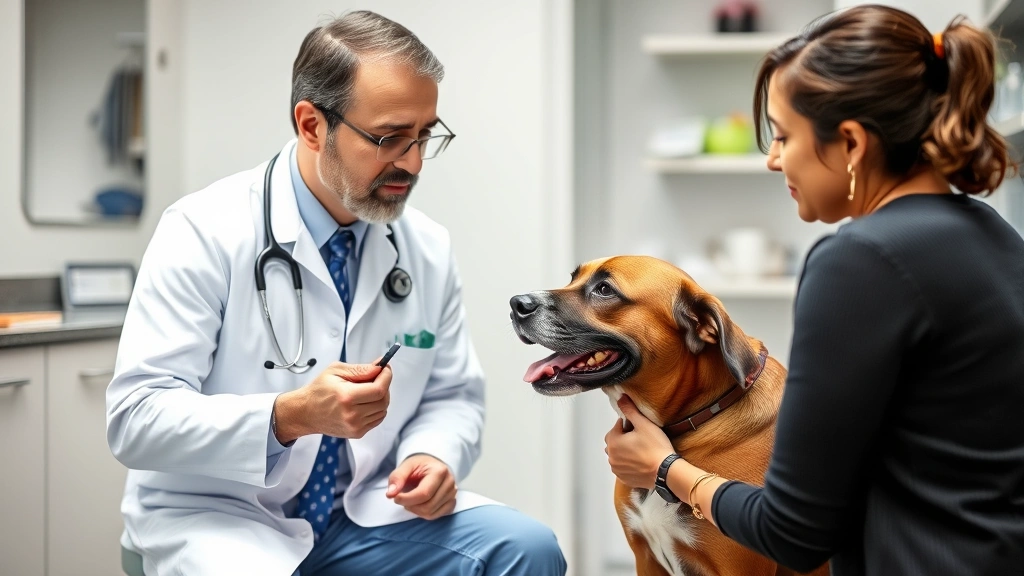
During a telehealth consultation, your veterinarian can gather initial information about your dog’s behavior, discuss potential causes, and advise whether an in-person exam is warranted. This is especially helpful for weekend or after-hours concerns when your regular clinic might not be available.
Telehealth is also convenient for follow-up appointments to monitor how your dog is responding to medication and behavioral modifications.
What to Expect During Treatment
Improvement in aggression in dogs typically takes time—usually several weeks to months. Some dogs show initial changes within 2-3 weeks, while others need longer to respond to medication and training.

Your veterinarian will likely schedule follow-up appointments to assess your dog’s progress, adjust medication if needed, and ensure there are no concerning side effects. Keep detailed notes about your dog’s behavior between visits—this information is invaluable for your vet.
Be patient with the process. Your dog didn’t develop aggressive behavior overnight, and resolving it takes consistent effort from everyone involved in their care.
Safety Considerations and Realistic Expectations
While many dogs show significant improvement with proper treatment, it’s important to have realistic expectations. Some dogs may always have triggers that require ongoing management, even with medication and training.

Your veterinarian and behaviorist can help you understand your dog’s prognosis and create a long-term management plan. In some cases, this might mean keeping your dog in a home without young children or other pets, or limiting their exposure to situations that trigger aggression.
The goal is to help your dog live as full and happy a life as possible while ensuring safety for your family and community.
Frequently Asked Questions
Can aggression in dogs be cured completely?
Many dogs show dramatic improvement with proper treatment, though some may always require ongoing management. The outcome depends on the underlying cause, your dog’s age, and how consistently you follow the treatment plan.

How long does it take for medication to work?
Most dogs show initial changes within 2-4 weeks, though full effects may take 6-8 weeks. Your veterinarian will monitor progress and adjust as needed.
Is aggression in dogs hereditary?
Genetics can influence temperament and anxiety levels, but environmental factors, socialization, and experiences play equally important roles. Proper training and care can help prevent or minimize aggressive tendencies.
Can diet affect aggression in dogs?
Yes, nutrition supports brain health and emotional regulation. Addressing food allergies or ensuring balanced nutrition may help reduce irritability or discomfort contributing to aggression.

What should I do if my dog bites someone?
Seek immediate medical attention for the injured person, document the incident, and contact your veterinarian and local animal control as required by law. Your vet can help determine next steps and discuss treatment options.
What To Do Now
- Schedule a veterinary appointment to rule out medical causes and discuss medication options. If a full visit isn’t immediately available, consider a telehealth consultation to get started.
- Document your dog’s aggressive behavior in detail—note triggers, frequency, and intensity. This information will help your vet develop an effective treatment plan.
- Research certified animal behaviorists in your area who have experience treating aggression in dogs. Ask your veterinarian for referrals.
- Implement immediate safety measures like using a leash, creating separation, and avoiding known triggers while you work with professionals.
- Commit to the full treatment process including medication, training, and environmental management. Consistency across all family members is key to success.
Summary
Aggression in dogs is a serious concern, but it’s also highly treatable when you take a comprehensive approach. Medication can play an important role by reducing anxiety and reactivity, making your dog more receptive to behavioral training and creating a safer environment for everyone.
Remember that successful treatment requires partnership between you, your veterinarian, and a professional behaviorist. There’s no quick fix, but with patience, consistency, and proper support, most dogs show meaningful improvement.
If you’re worried about your dog’s behavior, don’t wait—reach out to your veterinarian today. Your dog deserves the chance to become the calm, happy companion you know they can be.