
If your cat seems unusually tired, pale, or just not themselves lately, anemia in cats could be the culprit behind their sluggish behavior. This condition—where your cat doesn’t have enough healthy red blood cells—is more common than many pet owners realize, and the good news is that catching it early opens the door to effective treatment options.
Table of Contents
- Understanding Feline Anemia: What’s Really Happening
- Recognizing the Signs: When Your Cat Needs Help
- The Role of Medications in Treating Feline Anemia
- Seven Medications That Support Red Blood Cell Recovery
- How Quickly Do These Medications Work?
- Supporting Your Cat’s Recovery at Home
- When to Seek Immediate Veterinary Care
- Monitoring Progress: What to Track
- The Importance of Follow-Up Blood Work
- Nutrition’s Role in Anemia Recovery
- Frequently Asked Questions
- What To Do Now
- Summary: Your Cat’s Path to Recovery
This article is for informational purposes only and is not a substitute for professional veterinary advice. Always consult a licensed veterinarian for diagnosis and treatment.
Understanding Feline Anemia: What’s Really Happening
Anemia in cats develops when their body either doesn’t produce enough red blood cells, loses them too quickly, or destroys them faster than they can be replaced. Red blood cells carry oxygen throughout your cat’s body, so when their numbers drop, your feline friend feels exhausted and weak.
The underlying causes vary widely. Your cat might be dealing with chronic kidney disease, parasites, nutritional deficiencies, or even an immune system disorder. Some cats develop anemia from blood loss due to colitis in cats or other gastrointestinal issues. Understanding the root cause is essential because treatment targets both the anemia itself and whatever triggered it.
Recognizing the Signs: When Your Cat Needs Help
Spotting anemia early makes a real difference in your cat’s recovery. Watch for these telltale signs: pale or whitish gums (gently lift your cat’s lip to check), lethargy that seems extreme even for a lazy cat, loss of appetite, rapid or labored breathing, and a weak or faint heartbeat you might notice during petting.
Some cats also show behavioral changes—becoming withdrawn or hiding more than usual. If you’ve noticed your cat sleeping even more than their typical 12-16 hours daily, that’s worth investigating. Catching this early puts you in a great position to help your cat bounce back.
The Role of Medications in Treating Feline Anemia
Medications are often a cornerstone of anemia treatment, working to stimulate red blood cell production, address underlying infections, or manage related conditions. Your veterinarian will choose specific medications based on what’s causing your cat’s anemia and how severe it is.
The goal isn’t just to mask symptoms—it’s to restore your cat’s red blood cell count to healthy levels and help them feel energetic again. Most cats respond well when treatment starts promptly, though some cases require patience and ongoing monitoring.
Seven Medications That Support Red Blood Cell Recovery
Here are seven medications commonly used to help cats with anemia regain their vitality:
- Erythropoietin (EPO) Stimulating Agents: These medications signal your cat’s bone marrow to produce more red blood cells. They’re especially helpful for cats with chronic kidney disease, where the kidneys normally produce EPO naturally but fall short.
- Iron Supplements: When anemia stems from iron deficiency, supplementation can help rebuild red blood cell production. Iron is essential for hemoglobin, the protein that carries oxygen in blood.
- B Vitamins and Folic Acid: These support bone marrow function and red blood cell formation. They’re particularly useful when nutritional deficiencies are contributing to your cat’s anemia.
- Antibiotics: If bacterial infection or parasites are causing blood loss or destruction, targeted antibiotics may be prescribed. Conditions like swollen lymph nodes in cats sometimes indicate infections requiring antibiotic treatment.
- Immunosuppressants: For immune-mediated hemolytic anemia (where the body attacks its own red blood cells), medications that calm the immune response can be lifesaving.
- Corticosteroids: These reduce inflammation and suppress immune-driven destruction of red blood cells. They work quickly but require careful monitoring due to potential side effects with long-term use.
- Medications for Underlying Conditions: Treating the root cause matters enormously. For cats with chlorambucil for pets or other condition-specific medications, controlling the primary disease helps resolve secondary anemia.
Each medication works differently, and your vet will select based on blood work results, your cat’s overall health, and the specific type of anemia present.
How Quickly Do These Medications Work?
The timeline varies depending on the medication and your cat’s individual response. Some cats show improvement within days, while others need 2-4 weeks to demonstrate noticeable changes in energy and appetite.
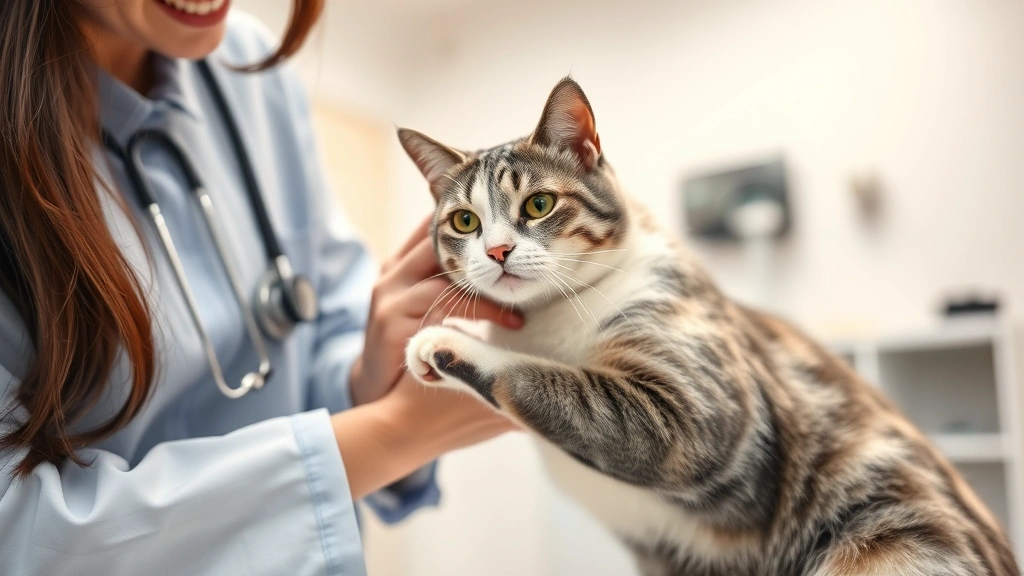
Blood tests every 2-4 weeks help your veterinarian track progress and adjust treatment as needed. Don’t be discouraged if the first medication doesn’t produce dramatic results immediately—finding the right approach sometimes takes fine-tuning.
Supporting Your Cat’s Recovery at Home
Medications work best when paired with excellent home care. Ensure your cat eats a high-quality diet rich in iron, B vitamins, and protein—all essential for red blood cell production. Safe human foods for cats like cooked chicken and certain fish can supplement their regular diet, but always check with your vet first.
Keep stress minimal and provide a comfortable, quiet space where your cat can rest undisturbed. Anemic cats tire easily, so don’t push them toward activity—let them rest as much as they need. Ensure fresh water is always available, as hydration supports overall health and medication effectiveness.
When to Seek Immediate Veterinary Care
Some signs mean your cat needs urgent attention beyond routine appointments. Seek immediate care if your cat faints or collapses, shows severe difficulty breathing, has gums that are almost white, or seems confused or disoriented.
Also contact your vet right away if your cat vomits blood, has black or tarry stools (indicating internal bleeding), or shows no improvement after two weeks of medication. These signs suggest complications requiring prompt intervention.
Monitoring Progress: What to Track
Keep detailed notes on your cat’s energy levels, appetite, and behavior changes. Many owners find it helpful to photograph their cat’s gums weekly to monitor color changes—a simple visual record that shows progress.
Track any side effects from medications, no matter how minor they seem. This information helps your veterinarian determine if adjustments are needed. Most cats tolerate their anemia medications well, but your observations matter.
The Importance of Follow-Up Blood Work
Your veterinarian will schedule blood tests to measure your cat’s red blood cell count, hemoglobin levels, and hematocrit. These numbers tell the real story of whether treatment is working.
Skipping follow-up appointments might feel tempting if your cat seems better, but blood work ensures the improvement is genuine and sustainable. It also catches any medication side effects early, keeping your cat safe long-term.
Nutrition’s Role in Anemia Recovery
Beyond medications, proper nutrition accelerates recovery. Iron-rich foods, high-quality proteins, and B vitamin sources all support red blood cell production. Your vet might recommend specific commercial diets formulated for cats with anemia or nutritional deficiencies.

Some cats benefit from food trial feeding schedules to identify any dietary triggers for their condition. If your cat has underlying feline upper respiratory infection or other conditions affecting appetite, addressing those helps ensure they eat adequately.
Frequently Asked Questions
How long does it take for anemia medications to work in cats?
Most cats show noticeable improvement within 2-4 weeks, though some respond faster. Blood work every 2-4 weeks confirms whether treatment is effective.
Can anemia in cats be cured permanently?
It depends on the cause. Anemia from parasites or iron deficiency often resolves completely with treatment, while chronic conditions like kidney disease may require ongoing management.
Are there side effects from anemia medications?
Side effects vary by medication but are generally mild. Your vet will discuss potential effects and monitor your cat closely during treatment.
Should I give my cat supplements in addition to prescribed medications?
Only add supplements under your vet’s guidance. Some supplements interact with medications or could worsen certain types of anemia if given inappropriately.
Is anemia in cats life-threatening?
Severe anemia can be serious, but most cases respond well to prompt treatment. Early detection and consistent medication use give your cat an excellent prognosis.
What To Do Now
- Schedule a veterinary appointment immediately if your cat shows signs of anemia like letharness, pale gums, or loss of appetite. If you’re unsure whether your pet needs urgent care, a quick telehealth check-in with The Pet Vet can give you peace of mind—no appointment needed.
- Prepare a detailed symptom list before your vet visit, noting when symptoms started, changes in behavior, appetite, and energy levels. Include any medications your cat already takes.
- Ask your veterinarian about blood work to confirm anemia and identify the underlying cause. Understanding the root issue ensures targeted, effective treatment.
- Discuss medication options and timelines with your vet, including expected results, potential side effects, and follow-up testing schedules. Get clear instructions on administration and storage.
- Create a home care plan including dietary adjustments, stress reduction, and a medication schedule. Set phone reminders for doses and mark follow-up appointments on your calendar.
Summary: Your Cat’s Path to Recovery
Anemia in cats is treatable, and modern medications offer real hope for your feline friend’s recovery. Whether your cat needs iron supplementation, EPO stimulating agents, or treatment for an underlying condition, working closely with your veterinarian gives them the best chance at regaining their vitality.
The combination of appropriate medication, supportive home care, and consistent monitoring creates the ideal environment for healing. Your cat’s pale, tired appearance today doesn’t define their tomorrow—with the right treatment plan, many cats bounce back to their playful, energetic selves.
Don’t hesitate to reach out to your vet with questions or concerns during treatment. Every cat’s journey with anemia is unique, and your veterinarian is your partner in helping your beloved companion feel better fast.