
If your cat is hiding more than usual, refusing food, or displaying sudden behavioral changes, it’s time to ask vet about cat anxiety—because what you’re seeing might be a treatable condition that’s causing real distress. Anxiety in cats is more common than many pet owners realize, and the good news is that veterinarians have several effective options to help your feline friend feel calm and safe again.
Table of Contents
- Understanding Cat Anxiety: What Pet Owners Need to Know
- Why You Should Ask Your Vet About Cat Anxiety Medications
- Seven Medication Options Vets Commonly Recommend
- How Your Vet Will Choose the Right Medication
- Combining Medication With Behavioral Support
- What To Expect: Timeline and Monitoring
- Addressing Common Concerns About Cat Anxiety Medications
- When to Ask Your Vet About Cat Anxiety Right Away
- Creating a Conversation Plan With Your Veterinarian
- Frequently Asked Questions
- What To Do Now
- Summary: Taking Action on Your Cat’s Anxiety
This article is for informational purposes only and is not a substitute for professional veterinary advice. Always consult a licensed veterinarian for diagnosis and treatment.
Understanding Cat Anxiety: What Pet Owners Need to Know
Cat anxiety manifests differently than dog anxiety, and that’s why many owners miss the signs. While dogs might pace or bark, anxious cats tend to withdraw, over-groom, or become aggressive when touched. Your cat might be experiencing anxiety if she’s suddenly avoiding family members, spending excessive time in hiding spots, or showing changes in litter box habits.
The root causes vary widely. Some cats develop anxiety after a traumatic event—a move, a loud noise, or a veterinary visit. Others may have underlying medical conditions that trigger anxious behavior. This is why having a conversation with your vet is so important; they can rule out physical health issues and recommend the right approach for your cat’s specific situation.
Why You Should Ask Your Vet About Cat Anxiety Medications
Many pet owners hesitate to discuss medication with their vet, worried it might change their cat’s personality or cause harmful side effects. The reality is that modern veterinary medications are carefully formulated and monitored, and when prescribed correctly, they can dramatically improve your cat’s quality of life.
Medication isn’t always the first step—behavior modification and environmental changes often help tremendously. However, when anxiety is severe enough to impact eating, elimination, or social interaction, medication can be the bridge that allows your cat to benefit from other therapeutic approaches. Think of it as giving your cat the emotional stability to heal.
Seven Medication Options Vets Commonly Recommend
When you ask vet about cat anxiety, you’ll likely hear about one or more of these evidence-based options. Each works differently in the brain and body, which is why your vet will choose based on your cat’s symptoms and health profile.
1. SSRIs (Selective Serotonin Reuptake Inhibitors)
SSRIs are often the first-line medication choice for feline anxiety because they’re well-tolerated and have a strong safety record. These medications help regulate serotonin, a neurotransmitter that influences mood and stress response. Common SSRIs prescribed for cats may take 4-6 weeks to show full effects, so patience is essential during the adjustment period.
Your vet will monitor your cat during treatment to ensure the medication is working and there are no adverse reactions. Many cats show noticeable improvement in anxiety symptoms within the first month, though some take longer.
2. Tricyclic Antidepressants (TCAs)
TCAs work similarly to SSRIs but through a slightly different mechanism. They’re particularly useful for cats with anxiety-related behavioral issues like inappropriate elimination or aggression. These medications can be especially helpful when anxiety is tied to obsessive behaviors.
Because TCAs can have more side effects than SSRIs, your vet will discuss potential risks and benefits specific to your cat’s health status. Regular check-ins help ensure your cat is responding well.

3. Buspirone
Buspirone is an anti-anxiety medication that works on serotonin and dopamine receptors. Unlike some other medications, it doesn’t cause sedation, which makes it a good choice for cats whose anxiety doesn’t require calming but rather emotional stabilization.
This medication is often prescribed for cats with generalized anxiety or those who react fearfully to specific triggers like veterinary visits or household changes.
4. Benzodiazepines (Short-Term Use)
These fast-acting medications can provide quick relief during acute anxiety episodes—think of them as an emergency tool rather than a long-term solution. Vets typically prescribe them for specific stressful events like travel, vet visits, or fireworks, rather than daily use.
Because benzodiazepines carry a small risk of dependency with long-term use, your vet will usually recommend them only when needed, not as a daily medication.
5. Gabapentin
Originally developed as a pain medication, gabapentin has become popular in veterinary medicine for anxiety management. It’s particularly useful for cats who are fearful or aggressive, and many vets appreciate how well it’s tolerated across different age groups.

Gabapentin can be especially helpful for senior cats with anxiety, as it doesn’t interact significantly with other medications many older cats take.
6. Trazodone
Trazodone is a sedating antidepressant that can help anxious cats feel calmer while also improving mood. It’s often used for cats who need both anxiety relief and help with sleep disturbances that sometimes accompany anxiety disorders.
This medication is typically well-tolerated, though your vet will want to monitor for any drowsiness that might affect your cat’s normal activity level.
7. Alprazolam (Benzodiazepine Alternative)
In some cases, vets may recommend this short-acting benzodiazepine for situational anxiety. It works quickly—often within 30 minutes to an hour—making it useful for predictable stressful events.
Like other benzodiazepines, it’s not intended for daily long-term use but rather as a tool for managing specific anxiety-triggering situations.
How Your Vet Will Choose the Right Medication
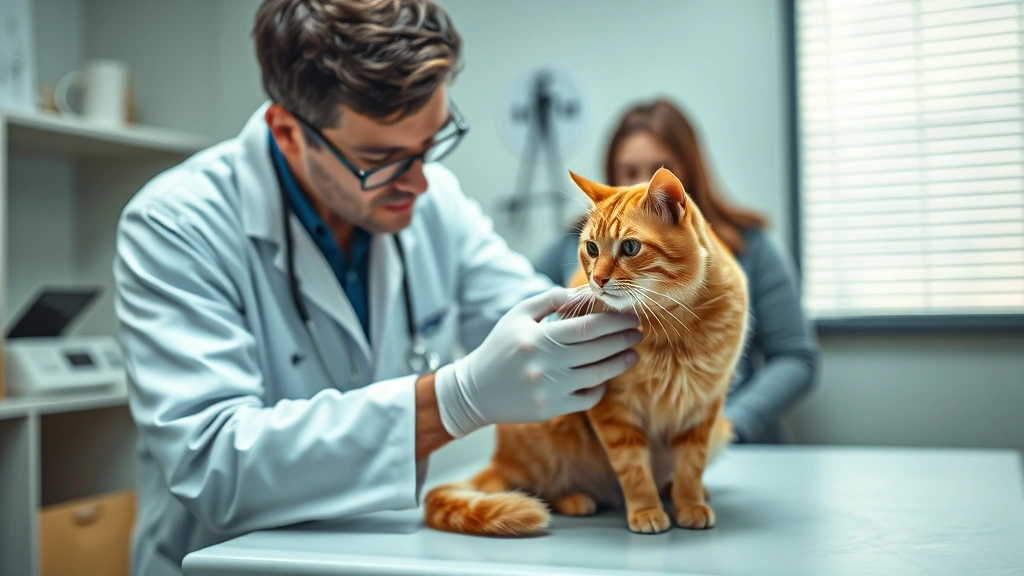
Your veterinarian won’t simply prescribe the first medication on the list. Instead, they’ll conduct a thorough evaluation including your cat’s medical history, current health status, age, and the specific anxiety symptoms you’re observing.
They’ll also consider whether your cat is taking other medications, as some combinations require careful monitoring. This personalized approach is why a direct conversation with your vet—whether in-person or through online consultation about cat behavior problems—is so valuable.
Combining Medication With Behavioral Support
The most successful anxiety treatment plans combine medication with environmental modifications and behavioral strategies. Your vet might recommend creating safe spaces, using pheromone diffusers, or implementing a consistent routine to help your cat feel more secure.
Medication creates the emotional foundation, but your involvement in creating a calm, predictable environment is equally important. Many cats show the best results when both medication and lifestyle changes work together.
What To Expect: Timeline and Monitoring
Different medications work on different timelines. Some provide relief within hours, while others take weeks to reach full effectiveness. Your vet will explain what to expect and when to schedule follow-up appointments to assess progress.

During the adjustment period, you might notice subtle changes in your cat’s behavior—increased appetite, more social interaction, or reduced hiding. Keep notes on these observations to share with your vet, as they help confirm the medication is working.
Addressing Common Concerns About Cat Anxiety Medications
Pet owners often worry about side effects, dependency, or whether medication will make their cat “zombie-like.” While all medications carry potential side effects, modern veterinary anxiety medications are designed to be safe and effective at therapeutic doses.
Most cats maintain their normal personality and activity level while on appropriate anxiety medication. The goal is emotional stability, not sedation. If you notice your cat seems overly drowsy or behaving unusually, contact your vet immediately—dosage adjustments are often simple and effective.
Catching anxiety early and addressing it with professional help puts you in a great position to help your cat live a happier, less fearful life.
When to Ask Your Vet About Cat Anxiety Right Away
Some situations warrant urgent veterinary attention. If your cat stops eating, shows signs of self-injury from over-grooming, or becomes aggressive in ways that pose safety risks, don’t wait for a routine appointment.
If you’re unsure whether your pet needs urgent care, a quick telehealth check-in can give you peace of mind—no appointment needed. Many vets can assess your cat’s situation quickly and recommend immediate next steps.
Creating a Conversation Plan With Your Veterinarian
Before you ask vet about cat anxiety, gather some information that will help your vet understand the full picture:
- When did the anxiety symptoms start?
- What triggers seem to make anxiety worse?
- Are there any changes in eating, litter box use, or grooming?
- Has your cat had any recent stressful events or changes?
- What other medications or supplements is your cat taking?
Bringing this information to your appointment—or sharing it during an online consultation—helps your vet make the most informed recommendation.
Frequently Asked Questions
How long does it take for cat anxiety medication to work?
This depends on the medication. Some benzodiazepines work within 30 minutes to an hour, while SSRIs and other antidepressants typically take 4-6 weeks to show full effects. Your vet will discuss the timeline for your cat’s specific medication.
Can my cat stay on anxiety medication long-term?
Yes, many cats benefit from long-term medication management. Your vet will monitor your cat regularly and may adjust dosages or try different medications if needed to find the best long-term solution.

Are there natural alternatives to medication for cat anxiety?
Environmental modifications, pheromone products, and behavioral strategies can help, but they may not be sufficient for severe anxiety. Your vet can recommend a combination approach that might include natural supports alongside medication if appropriate.
What if the first medication doesn’t work?
It’s not uncommon to try multiple medications before finding the best fit. Your vet will adjust the treatment plan based on your cat’s response. This process takes time, but persistence usually pays off.
Will my cat need medication forever?
Some cats benefit from long-term medication, while others may eventually reduce or discontinue it under veterinary supervision. Your vet will assess your cat’s progress and discuss the best long-term plan with you.
What To Do Now
- Schedule a veterinary consultation: Whether in-person or online, book an appointment to discuss your cat’s anxiety symptoms. Be prepared to describe specific behaviors and when they started.
- Gather your cat’s medical history: Compile information about previous health issues, current medications, and any recent life changes that might contribute to anxiety.
- Document anxiety triggers: Keep a brief log of what situations seem to make your cat anxious. This helps your vet understand the pattern and choose the most appropriate treatment.
- Discuss medication options openly: Ask your vet about the pros and cons of different medications, expected timelines, and monitoring requirements. Don’t hesitate to ask questions about side effects or concerns.
- Plan for follow-up care: Agree on a timeline for reassessment. Most vets want to check in 2-4 weeks after starting new medication to ensure it’s working well.
Summary: Taking Action on Your Cat’s Anxiety
Recognizing that your cat may be experiencing anxiety is the first step toward helping her feel better. When you ask vet about cat anxiety, you’re opening the door to proven treatments that can dramatically improve her quality of life.
Medication is just one tool in a comprehensive anxiety management plan. Combined with environmental support and behavioral strategies, it can help your cat transition from a state of fear to one of calm confidence. Your veterinarian is your partner in this process, so don’t hesitate to reach out with questions or concerns as your cat progresses through treatment.
Remember, anxiety in cats is treatable, and many cats show significant improvement with the right medication and support. Your cat deserves to feel safe and comfortable in her own home, and you’re already on the path to making that happen by seeking professional guidance.