
If you’ve noticed your cat breathing fast, it’s natural to feel worried. Rapid breathing in cats can be alarming, and you’re right to pay attention to it. The good news? Understanding what might be happening and knowing when to ask vet about cat breathing fast can help you take the right steps quickly.
Table of Contents
- What Does Normal Cat Breathing Look Like?
- When Should You Ask Vet About Cat Breathing Fast?
- 7 Essential Warning Signs Beyond Fast Breathing
- Common Causes of Rapid Breathing in Cats
- How to Monitor Your Cat’s Breathing at Home
- When to Seek Immediate Veterinary Care
- Preparing for Your Veterinary Consultation
- What Your Vet Will Likely Do
- Managing Cat Breathing Issues at Home
- Frequently Asked Questions
- What To Do Now
- Summary: Taking Action on Fast Cat Breathing
This article is for informational purposes only and is not a substitute for professional veterinary advice. Always consult a licensed veterinarian for diagnosis and treatment.
Cats are masters at hiding discomfort, which means by the time we notice something like fast breathing, our feline friends might already be trying to tell us something important. The key is recognizing the warning signs early and getting professional guidance before things escalate.
What Does Normal Cat Breathing Look Like?
Before we dive into what’s abnormal, let’s talk about what healthy breathing should look like in cats. A healthy cat typically takes 20 to 30 breaths per minute while resting. You can count your cat’s breaths by watching their chest rise and fall for a full minute.
The breathing should be quiet, rhythmic, and effortless. You shouldn’t hear wheezing, crackling sounds, or see your cat’s belly heaving heavily with each breath. If your cat is calm and at rest, their breathing pattern should be almost invisible to you.
When Should You Ask Vet About Cat Breathing Fast?
Fast breathing, or tachypnea, happens when your cat takes more than 40 breaths per minute while resting. This is different from the rapid breathing that occurs during play or after exercise—that’s completely normal and temporary.
The concerning type is when your cat is resting quietly on the couch and their breathing seems noticeably quicker than usual. This persistent rapid breathing is what warrants a conversation with your veterinarian. Catching this early puts you in a great position to help your cat get the care they need.
7 Essential Warning Signs Beyond Fast Breathing
Fast breathing rarely occurs in isolation. Here are the key warning signs that should prompt you to ask vet about cat breathing fast:
- Open-Mouth Breathing: Cats almost never breathe through their mouths. If your cat is panting with their mouth open, this is a red flag that shouldn’t be ignored.
- Lethargy and Reduced Activity: A cat who suddenly seems less interested in playing, jumping, or exploring may be conserving energy due to breathing difficulties.
- Loss of Appetite: When cats struggle to breathe, eating becomes harder and less appealing. Notice if your cat is eating less than usual.
- Restlessness and Inability to Settle: Some cats become anxious and can’t find a comfortable position when they’re experiencing breathing problems.
- Excessive Drooling or Difficulty Swallowing: These can indicate underlying issues affecting the respiratory or throat area.
- Pale or Bluish Gums: Check your cat’s gum color by gently lifting their lip. Pale or blue-tinged gums suggest oxygen deprivation.
- Wheezing or Crackling Sounds: Any audible sounds during breathing—whether wheezing, crackling, or hissing—warrant veterinary attention.
Common Causes of Rapid Breathing in Cats
Understanding potential causes can help you communicate more effectively with your vet. Cats may experience fast breathing for several reasons, ranging from minor to serious.
Respiratory Infections: Upper respiratory infections, bronchitis, and pneumonia can all cause rapid breathing. These are especially common in young kittens or older cats.
Asthma and Allergies: Feline asthma is surprisingly common and can cause breathing difficulties, coughing, and wheezing. Environmental allergens and irritants often trigger symptoms.
Heart Disease: Cardiac issues may cause compensatory rapid breathing as the heart struggles to pump blood efficiently. This is more common in older cats or certain breeds.
Stress and Anxiety: While less serious, stress can temporarily increase breathing rate. However, persistent fast breathing isn’t normal even for anxious cats.
Obesity: Overweight cats may breathe faster due to the extra effort required to move and maintain circulation.
Fever or Infection: Any systemic infection can elevate breathing rate as the body works to fight off illness.
Pain or Discomfort: Cats in pain from injuries, dental disease, or other conditions may exhibit rapid breathing patterns.
How to Monitor Your Cat’s Breathing at Home
Keeping track of your cat’s breathing patterns helps you provide valuable information when you ask vet about cat breathing fast. Here’s how to monitor effectively:
- Count breaths during rest periods when your cat is calm and sitting or lying down
- Take measurements at different times of day to establish patterns
- Note any changes in breathing sounds, posture, or associated symptoms
- Use your phone to record a short video showing your cat’s breathing—this can be helpful during telehealth consultations
- Keep a simple log with dates, times, and breath counts to share with your veterinarian
When to Seek Immediate Veterinary Care
Some situations require urgent attention and shouldn’t wait for a regular appointment. Seek emergency care immediately if your cat is experiencing severe open-mouth breathing, extreme lethargy, collapse, or bluish gums.
Additionally, if your cat seems to be in acute distress or you notice a sudden dramatic change in breathing patterns, don’t wait. Emergency veterinary clinics are equipped to handle these urgent situations.
If you are unsure whether your pet needs urgent care, a quick telehealth check-in can give you peace of mind—no appointment needed. This can help you determine whether your cat needs emergency care or can be evaluated during regular hours.
Preparing for Your Veterinary Consultation
When you’re ready to ask vet about cat breathing fast, preparation makes the conversation more productive. Gather information about when you first noticed the rapid breathing and what your cat was doing at the time.
Write down any other symptoms you’ve observed, even if they seem unrelated. Include details about your cat’s appetite, litter box habits, activity level, and any recent changes in your home environment.
Bring your cat’s medical history and any previous diagnoses. If possible, have a video showing your cat’s breathing patterns—this visual documentation can be incredibly helpful for your veterinarian’s assessment.
What Your Vet Will Likely Do
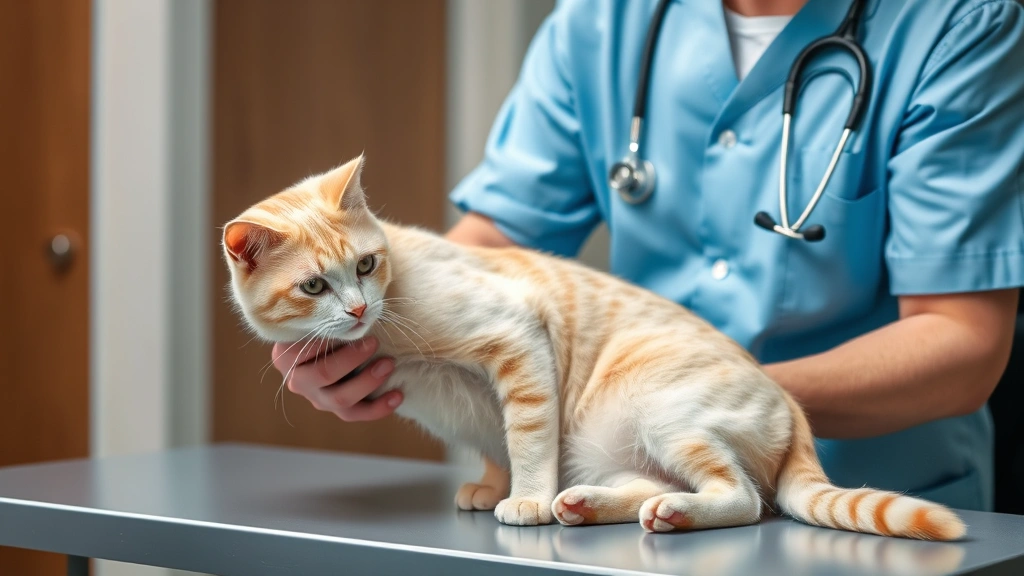
Your veterinarian will perform a thorough physical examination, listening carefully to your cat’s lungs and heart with a stethoscope. They may recommend diagnostic tests like chest X-rays, blood work, or an ultrasound depending on their initial findings.
These tests help identify the underlying cause of the rapid breathing. Your vet might also check for fever, examine your cat’s gums and mucous membranes, and assess overall body condition.
Based on their findings, your veterinarian will discuss treatment options tailored to your cat’s specific condition. This might include medication, lifestyle changes, or monitoring protocols.
Managing Cat Breathing Issues at Home
While awaiting your veterinary appointment, you can help your cat feel more comfortable. Keep your home environment calm and stress-free, as anxiety can exacerbate breathing difficulties.
Ensure your cat has access to fresh water and encourage gentle activity appropriate for their condition. Maintain a comfortable room temperature—cats with breathing issues do better in cooler environments.
If your home has air quality issues like smoke, strong perfumes, or dust, try to minimize these irritants. Some cats with asthma benefit from humidified air, though this varies by condition.
Frequently Asked Questions
How can I tell if my cat’s fast breathing is serious?
Serious fast breathing is accompanied by open-mouth breathing, lethargy, loss of appetite, or unusual sounds. If your cat shows any of these signs, contact your veterinarian promptly.
Is fast breathing always a sign of heart disease in cats?
No. While heart disease can cause fast breathing, many other conditions do too—including asthma, infections, stress, and obesity. Only a veterinarian can determine the cause.
Can stress alone cause persistent fast breathing in cats?
Stress can temporarily increase breathing rate, but persistent rapid breathing even during rest isn’t normal and warrants veterinary evaluation regardless of stress levels.
Should I give my cat any medication before seeing the vet?
Don’t give your cat any medication without veterinary guidance. Wait for professional evaluation to ensure appropriate treatment for your cat’s specific condition.
Can I use a telehealth vet for cat breathing concerns?
Yes. Telehealth veterinarians can assess breathing concerns, though they may recommend in-person examination or emergency care depending on severity. This is a great option for initial evaluation and peace of mind.
What To Do Now
Taking action promptly gives your cat the best chance of getting proper care. Here are your next steps:
- Count your cat’s resting breathing rate today and note the time and any accompanying symptoms
- Schedule a veterinary appointment or consult with an online vet about your cat’s symptoms if you need quick guidance
- Observe and document any changes in your cat’s behavior, appetite, or breathing patterns over the next 24 hours
- Prepare a list of questions and observations to discuss with your veterinarian
- If your cat shows signs of severe distress or emergency symptoms, seek immediate emergency veterinary care
Summary: Taking Action on Fast Cat Breathing
Noticing that your cat is breathing fast can be scary, but you’re already doing the right thing by seeking information. Fast breathing in cats isn’t something to ignore, but it’s also not automatically a cause for panic.
The key is recognizing when to ask vet about cat breathing fast and taking prompt action. Whether your cat’s rapid breathing stems from something minor or more serious, professional veterinary evaluation is the only way to know for sure.
Your attention to your cat’s health and willingness to investigate unusual symptoms puts you in the best position to help. Trust your instincts, gather information, and reach out to your veterinarian with confidence. Your cat depends on you, and you’re doing great by taking this seriously.
Remember, early detection and intervention often lead to better outcomes. Whether you choose a traditional in-person visit or start with a telehealth consultation, the important thing is getting your cat evaluated soon. Your veterinarian is your partner in keeping your beloved feline healthy and happy.