
When your cat starts coughing, it’s natural to worry—and asking your vet about cat coughing is one of the smartest first steps you can take. A persistent cough in cats can signal anything from a hairball to something more serious, and understanding what medications might help can ease your mind while you’re waiting for professional guidance.
Table of Contents
- Why Your Cat Is Coughing: Common Causes
- When to Ask Your Vet About Cat Coughing Right Away
- Understanding Bronchodilators and Respiratory Medications
- Anti-Inflammatory Medications for Feline Coughing
- Antibiotics: When Infection Is the Culprit
- Antitussives and Cough Suppressants
- Antihistamines for Allergic Coughing
- Decongestants and Mucolytics: Helping Clear the Airways
- Corticosteroids for Serious Respiratory Issues
- Parasiticides: Treating Worm-Related Coughing
- What to Expect During Your Vet Visit
- Managing Your Cat’s Cough at Home
- When to Consider Telehealth for Cat Coughing
- Prevention: Reducing Your Cat’s Coughing Risk
- The Importance of Follow-Up Care
- Summary: Taking Action on Your Cat’s Cough
- Frequently Asked Questions
- What to Do Now
This article is for informational purposes only and is not a substitute for professional veterinary advice. Always consult a licensed veterinarian for diagnosis and treatment.
Cats don’t cough as often as dogs do, which is why a coughing cat often catches us off guard. Unlike dogs, cats typically suppress their cough reflex, so when they do cough, it’s worth paying attention. The good news? Many causes of cat coughing are very treatable once your vet identifies what’s really going on.
Why Your Cat Is Coughing: Common Causes
Before we talk about medications, let’s understand why cats cough in the first place. The most common culprits include asthma, allergies, infections (viral or bacterial), parasites, and foreign objects stuck in the throat. Sometimes it’s something as simple as a hairball irritating the airway.
Catching this early puts you in a great position to help your cat feel better quickly. Your vet will perform a physical exam and may recommend X-rays or bloodwork to pinpoint the exact cause.
When to Ask Your Vet About Cat Coughing Right Away
Some situations need urgent attention. If your cat is coughing constantly, struggling to breathe, drooling excessively, or showing signs of lethargy, contact your veterinarian immediately. These symptoms could indicate a more serious respiratory issue that requires prompt care.
If you’re unsure whether your pet needs urgent care, a quick telehealth check-in can give you peace of mind—no appointment needed. Many vets can do a preliminary assessment over video to help you decide next steps.
Understanding Bronchodilators and Respiratory Medications
One class of medications your vet might discuss is bronchodilators. These medications help open the airways and make breathing easier for cats experiencing asthma or chronic bronchitis. Bronchodilators work by relaxing the muscles around the airways, allowing more air to flow through.
Your vet may recommend these as an inhaled medication (similar to human asthma inhalers) or in oral form. Inhaled medications often work faster and have fewer systemic side effects, which is why many vets prefer them for feline patients.
Anti-Inflammatory Medications for Feline Coughing
When your cat’s airways are inflamed, anti-inflammatory medications can reduce swelling and irritation. These drugs help calm the respiratory tract and decrease the cough reflex. Your vet might recommend short-term anti-inflammatory therapy to help your cat feel more comfortable while investigating the underlying cause.
Anti-inflammatory medications come in various forms—oral tablets, liquids, or even inhaled options. Your vet will choose based on what works best for your cat’s specific situation and temperament.
Antibiotics: When Infection Is the Culprit
If your vet determines that a bacterial infection is causing your cat’s cough, antibiotics may be prescribed. Respiratory infections in cats can develop from viral illnesses or secondary bacterial infections. Antibiotics are only effective against bacterial infections, not viral ones, so your vet’s diagnosis is crucial.
The course of antibiotics typically lasts 7-14 days, and it’s important to give the full course even if your cat seems better. Stopping early can allow the infection to return or develop antibiotic resistance.
Antitussives and Cough Suppressants
Antitussive medications directly suppress the cough reflex. These are useful when your cat’s cough is nonproductive (not bringing up anything) and is causing discomfort or sleep disruption. However, if the cough is productive and helping clear the airways, your vet might recommend against suppressants.
Your veterinarian will assess whether suppressing the cough is the right approach or if it’s better to treat the underlying cause first. Sometimes a cough is your cat’s way of clearing irritants, and stopping it could be counterproductive.
Antihistamines for Allergic Coughing
When allergies are the culprit behind your cat’s cough, antihistamines may provide relief. Cats can develop allergies to environmental factors, food, or other irritants just like humans do. Antihistamines help reduce the allergic response and calm the airways.
Your vet might recommend starting with antihistamines while also identifying and removing the allergen if possible. This two-pronged approach often works best for allergy-related coughing.
Decongestants and Mucolytics: Helping Clear the Airways
Mucolytic medications help thin mucus secretions, making it easier for your cat to clear their airways naturally. These can be particularly helpful if your cat’s cough involves thick mucus or phlegm. Decongestants reduce nasal and airway congestion, improving airflow.
These medications are often used alongside other treatments to provide comprehensive respiratory support. They’re especially useful in cases of upper respiratory infections or chronic bronchitis.
Corticosteroids for Serious Respiratory Issues
In cases of severe inflammation or asthma, your vet might recommend corticosteroids. These powerful anti-inflammatory medications can dramatically reduce airway inflammation and improve breathing. Corticosteroids are typically used short-term to manage acute flare-ups, though some cats benefit from low-dose long-term therapy.
Your vet will monitor your cat carefully if long-term corticosteroids are recommended, as they can have side effects with extended use. Regular check-ups ensure your cat is responding well and the benefits outweigh any risks.
Parasiticides: Treating Worm-Related Coughing
Sometimes a persistent cough in cats is caused by parasitic infections like lungworms. If your vet suspects parasites, they may recommend parasiticide medications. These medications eliminate the parasites causing the respiratory irritation.
Parasitic coughing is less common in indoor cats but should never be overlooked. Your vet can test for parasites through fecal exams or imaging if needed.
What to Expect During Your Vet Visit
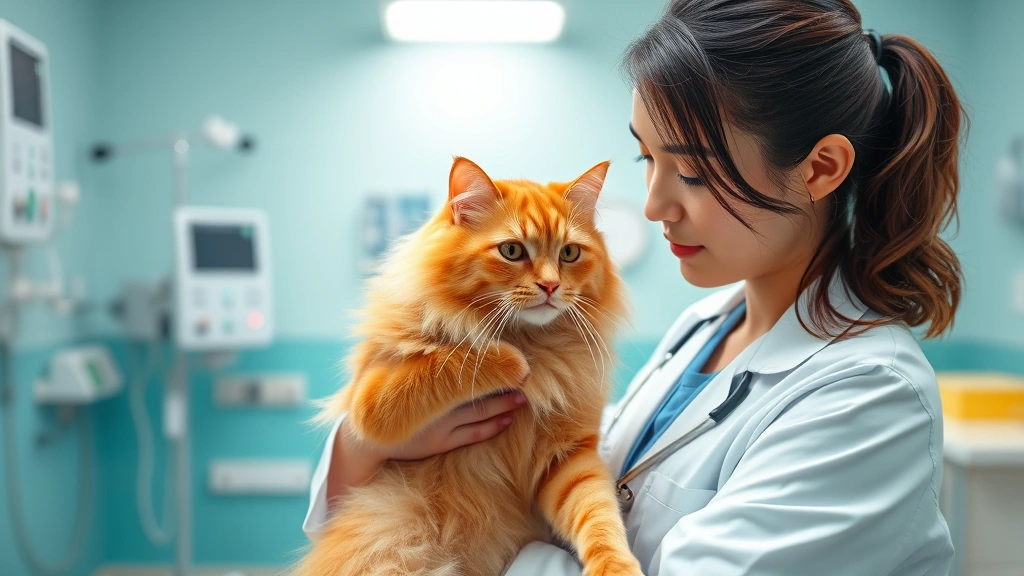
When you ask your vet about cat coughing, be prepared to describe:
- How long the coughing has been happening
- How often your cat coughs (constant, occasional, during specific times)
- Whether the cough sounds wet or dry
- Any other symptoms (lethargy, loss of appetite, difficulty breathing)
- Your cat’s medical history and current medications
This information helps your vet narrow down the diagnosis and choose the right treatment approach. Bring a video of your cat coughing if possible—it can be very helpful for diagnosis.
Managing Your Cat’s Cough at Home
While waiting for your vet appointment or while your cat is on prescribed medications, several home management strategies can help:
- Keep your home free of irritants like smoke, strong perfumes, or dust
- Maintain appropriate humidity levels (40-60% is ideal for respiratory health)
- Ensure your cat has access to fresh water to stay hydrated
- Reduce stress, which can worsen respiratory symptoms
- Keep litter boxes clean to minimize dust and ammonia exposure
These simple measures support your cat’s respiratory system while medication does its work.
When to Consider Telehealth for Cat Coughing
If you’re in a rural area, have transportation challenges, or simply want a quick preliminary assessment, telehealth veterinary services can be invaluable. You can talk to a vet about your kitten’s breathing concerns online, and many conditions can be evaluated through video consultation.
Telehealth is perfect for initial assessments, medication refills, or follow-up checks. If your vet determines your cat needs in-person examination or bloodwork, they’ll guide you to schedule that next.
Prevention: Reducing Your Cat’s Coughing Risk
While not all coughing can be prevented, certain steps reduce the risk:
- Keep your cat indoors to minimize exposure to respiratory viruses and parasites
- Maintain regular grooming to reduce hairballs
- Provide a clean, low-dust litter box environment
- Keep vaccinations current per your vet’s recommendations
- Monitor for early signs of respiratory issues
Prevention is always easier than treatment, and these simple habits support your cat’s long-term respiratory health.
The Importance of Follow-Up Care
After your vet prescribes medication, follow-up appointments are crucial. Your vet needs to monitor how your cat is responding to treatment. Some medications may need adjustment, or the underlying cause might require a different approach.
Don’t hesitate to reach out if your cat’s cough isn’t improving or if new symptoms develop. Your vet is your partner in your cat’s health journey, and communication is key.
Summary: Taking Action on Your Cat’s Cough
When you ask your vet about cat coughing, you’re taking the right step toward helping your furry friend feel better. Understanding the various medication options—from bronchodilators to antibiotics to anti-inflammatory drugs—empowers you to have informed conversations with your veterinarian.
Remember, every cat is unique, and what works for one may not work for another. Your vet will tailor treatment to your specific cat’s needs, medical history, and the underlying cause of the cough. With proper diagnosis and treatment, most cats recover well from respiratory issues and return to their normal, happy selves.
Don’t delay seeking help if your cat’s cough persists or worsens. Early intervention often leads to better outcomes and faster recovery.
Frequently Asked Questions
Is my cat’s cough an emergency?
If your cat is struggling to breathe, coughing constantly, drooling excessively, or showing signs of distress, seek veterinary care immediately. A persistent but mild cough warrants a vet visit but may not be urgent.
Can I give my cat cough medicine from the pharmacy?
No. Over-the-counter cough medicines designed for humans can be dangerous for cats. Always use medications prescribed or recommended by your veterinarian.
How long does it take for cat cough medication to work?
Some medications like bronchodilators work within minutes to hours, while antibiotics may take several days to show improvement. Your vet will advise on expected timelines.
What if my cat won’t take the prescribed medication?
Talk to your vet about alternative forms—liquid instead of pills, or different administration methods. Many vets can work with you to find a solution that fits your cat’s temperament.
Can stress cause my cat to cough?
Stress can worsen respiratory symptoms and trigger coughing in cats with underlying conditions like asthma. Reducing stress supports overall respiratory health.
What to Do Now
- Schedule a veterinary appointment to discuss your cat’s coughing symptoms and get a professional diagnosis.
- Document your cat’s cough—note frequency, type (wet or dry), and any patterns to share with your vet.
- If you prefer a quick preliminary assessment, consult an online vet about your cat’s respiratory concerns for peace of mind before your in-person visit.
- Review your home environment for potential irritants like smoke, dust, or strong odors and remove them if possible.
- Keep your cat’s vaccination records handy and prepare a list of any current medications or supplements for your vet appointment.