
If your cat is constantly scratching, licking, or biting at their skin, it’s time to ask your vet about cat itching—because persistent scratching is rarely just a minor annoyance and often signals an underlying issue that deserves professional attention. Watching your feline friend struggle with itchy skin can be heartbreaking, especially when you’re unsure what’s causing the discomfort or how to help.
Table of Contents
- Why Your Cat Is Itching: Common Causes
- When Should You Ask Your Vet About Cat Itching?
- Solution 1: Flea Prevention and Treatment
- Solution 2: Allergy Testing and Elimination Diets
- Solution 3: Medicated Shampoos and Topical Treatments
- Solution 4: Ear Mite Treatment and Prevention
- Solution 5: Managing Fungal and Bacterial Infections
- Solution 6: Environmental and Stress Management
- Solution 7: Supplements and Skin Health Support
- What To Do Now: Your Action Plan
- Understanding Your Vet’s Diagnosis
- Prevention: Keeping Your Cat Itch-Free Long-Term
- When Itching Signals Something Serious
- Frequently Asked Questions
- Summary: Taking Action on Cat Itching
This article is for informational purposes only and is not a substitute for professional veterinary advice. Always consult a licensed veterinarian for diagnosis and treatment.
The good news? Most causes of cat itching are manageable once you understand what’s happening beneath that fur. Whether it’s allergies, parasites, or skin conditions, your veterinarian can identify the root cause and recommend targeted solutions. In this guide, we’ll walk you through the most common reasons cats itch, what to watch for, and seven proven relief strategies that actually work.
Why Your Cat Is Itching: Common Causes
Cat itching stems from several different sources, and identifying the cause is the first step toward relief. The most frequent culprits include fleas, allergies, ear mites, and dry skin—but there are others worth knowing about.
Fleas are the number-one reason cats scratch excessively. Even a single flea bite can trigger intense itching in sensitive cats, and you might not even see the fleas themselves. Allergies—whether food-based or environmental—cause significant itching in many cats. Dust, pollen, mold, and certain proteins in food can all trigger allergic reactions that manifest as scratching and skin irritation.
Ear mites, fungal infections like ringworm, and bacterial skin infections are also common. Additionally, some cats experience hyperesthesia syndrome in cats, a neurological condition where cats become overly sensitive to touch and groom excessively. Dry skin, stress, and even pain from arthritis can also lead to increased licking and scratching.
When Should You Ask Your Vet About Cat Itching?
Knowing when to reach out to your veterinarian is crucial. If your cat scratches occasionally, it’s usually nothing to worry about—cats groom themselves regularly. However, certain signs warrant a professional evaluation.
Contact your vet if you notice:
- Constant scratching that disrupts sleep or eating
- Hair loss, bald patches, or visible wounds from scratching
- Red, inflamed, or scaly skin
- Discharge or odor from the ears
- Changes in behavior or increased aggression when touched
- Itching that lasts more than a week or two
- Secondary infections or signs of infection
Catching excessive itching early puts you in a great position to prevent complications like secondary infections or behavioral issues. If you’re unsure whether your pet needs urgent care, a quick telehealth check-in can give you peace of mind—no appointment needed.
Solution 1: Flea Prevention and Treatment
Flea prevention is often the most effective solution because it addresses the root cause directly. Modern flea preventatives are safer and more effective than ever before, and your vet can recommend the best option for your cat’s age, weight, and health status.
Prescription flea treatments work by either killing adult fleas or preventing flea eggs and larvae from developing. Many products also protect against ticks and ear mites, offering comprehensive parasite protection. Even indoor cats can get fleas—they can hitch a ride on your clothing or through windows—so year-round prevention is recommended for most cats.
Your veterinarian may also recommend treating your home environment, since flea pupae can hide in carpets and furniture. This multi-pronged approach ensures fleas don’t return once you’ve eliminated them from your cat’s body.
Solution 2: Allergy Testing and Elimination Diets
If your cat’s itching isn’t flea-related, allergies are often the next suspect. Food allergies and environmental allergies both cause skin irritation, and identifying the specific trigger can dramatically improve your cat’s comfort.
Your vet may recommend an elimination diet—feeding a limited-ingredient or novel protein diet for 8-12 weeks to see if symptoms improve. If itching decreases, you’ve likely identified a food allergen. Environmental allergies are trickier to pinpoint, but your vet can help you identify and minimize exposure to common triggers like dust, pollen, or mold.
Some cats benefit from omega-3 fatty acid supplements, which support skin health and reduce inflammation naturally. Discussing these dietary adjustments with your veterinarian ensures your cat receives balanced nutrition while addressing allergies.
Solution 3: Medicated Shampoos and Topical Treatments
Medicated shampoos can provide relief while you work with your vet to address the underlying cause. These products contain ingredients that soothe irritation, reduce inflammation, and sometimes treat fungal or bacterial infections.
Bathing a cat isn’t always easy, but many cats tolerate warm water and gentle handling if you introduce it slowly. Your vet can recommend cat-safe shampoos and show you proper bathing techniques. Some products are leave-on sprays or wipes, which offer an easier alternative for cats who resist baths.
Topical treatments like medicated creams or ointments can target specific itchy spots, though cats often lick them off. Your vet will help you choose products that are both effective and safe if your cat ingests them during grooming.
Solution 4: Ear Mite Treatment and Prevention
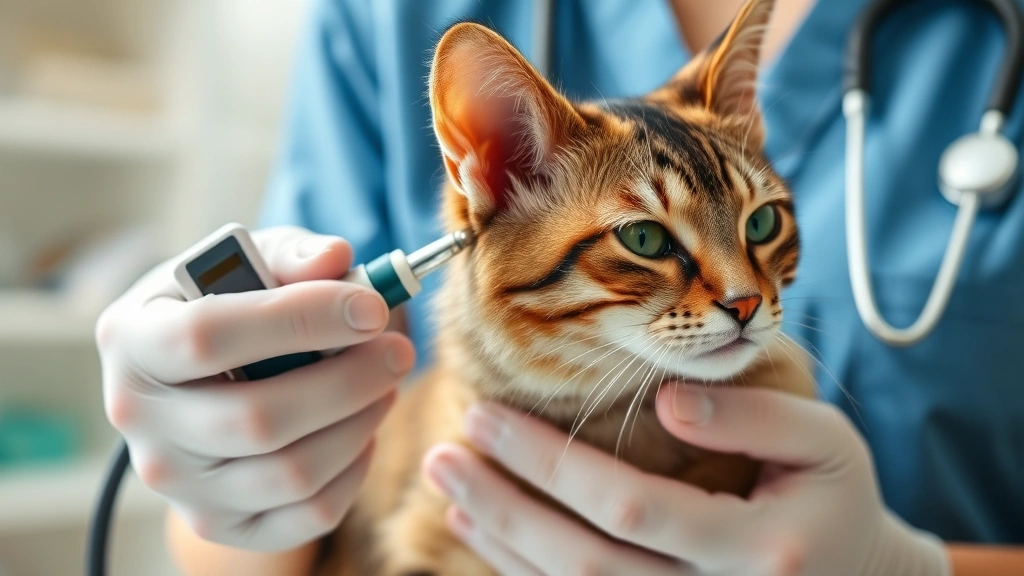
Ear mites are tiny parasites that live in the ear canal and cause intense itching. Cats with ear mites often shake their heads, scratch at their ears, or develop dark, waxy discharge in the ear canal. Talk to a vet about cat ear infection online if you notice these signs, as ear mites require specific treatment.
Your vet will clean the ears and apply prescription ear drops or recommend oral medications to eliminate mites. Since ear mites are contagious between cats, treating all pets in your household is important. Prevention through regular flea and parasite treatments also protects against ear mites.
Regular ear checks at home help you catch problems early. Gently lift your cat’s ear flap and look for redness, discharge, or odor—signs that warrant a vet visit.
Solution 5: Managing Fungal and Bacterial Infections
Fungal infections like ringworm and bacterial skin infections can develop when a cat’s skin barrier is compromised or when environmental conditions favor infection. These conditions require specific antifungal or antibiotic treatments prescribed by your vet.
Ringworm is contagious to other pets and humans, so prompt diagnosis and treatment are essential. Your vet may perform a fungal culture or use a special lamp to identify ringworm. Treatment typically involves topical antifungal medications, oral medications, or both, depending on severity and how many cats are affected.
Bacterial infections often develop as a secondary issue when cats scratch excessively and break the skin. Keeping your cat’s nails trimmed and addressing the underlying itch helps prevent these complications. Your vet will recommend appropriate antibiotics if infection is present.
Solution 6: Environmental and Stress Management
Stress and anxiety can trigger or worsen itching in cats. Creating a calm, enriched environment helps reduce stress-related grooming. Ensure your cat has quiet spaces to retreat, vertical territory like cat trees, and regular playtime to burn energy.
Pheromone diffusers (like Feliway) can help calm anxious cats by mimicking natural calming scents. Some cats benefit from interactive toys, puzzle feeders, or window perches that provide mental stimulation. If stress seems to be a significant factor, your vet might discuss behavioral strategies or, in some cases, anti-anxiety support.
Environmental control also means minimizing exposure to irritants. Use unscented litter, avoid heavy perfumes or air fresheners, and maintain good air quality in your home. These simple changes can noticeably reduce itching in sensitive cats.
Solution 7: Supplements and Skin Health Support
Nutritional supplements designed to support skin health can complement other treatments. Omega-3 and omega-6 fatty acids reduce inflammation and strengthen the skin barrier. Probiotics support gut health, which influences immune function and skin condition.
Collagen, biotin, and vitamin E are other nutrients that promote healthy skin and coat. Your vet can recommend quality supplements appropriate for your cat’s specific situation. These work best as part of a comprehensive approach that also addresses the underlying cause of itching.
Always discuss supplements with your vet before starting them, especially if your cat is on other medications. Some supplements can interact with medications or may not be appropriate for cats with certain health conditions.
What To Do Now: Your Action Plan
Here’s how to move forward and help your itchy cat:
- Schedule a vet appointment or telehealth consultation. Describe your cat’s itching in detail—where they scratch most, how often, and any other symptoms you’ve noticed. This information helps your vet narrow down the cause.
- Check for fleas yourself. Part your cat’s fur and look for small black specks (flea dirt) on the skin, especially around the neck and tail base. Comb through the fur with a fine-tooth comb to catch any fleas.
- Document changes. Keep a brief log of when itching seems worse, what your cat ate, and any environmental changes. This helps your vet identify patterns.
- Implement flea prevention immediately. If fleas haven’t been ruled out, start a vet-approved flea preventative right away—it’s safe and often resolves the problem.
- Follow your vet’s treatment plan completely. Whether it’s medication, dietary changes, or environmental adjustments, consistency is key to seeing improvement.
Understanding Your Vet’s Diagnosis
When you ask your vet about cat itching, they’ll perform a thorough examination and may recommend diagnostic tests. These might include skin scrapings to check for mites, fungal cultures, bacterial cultures, or allergy testing. Understanding what your vet is looking for helps you feel more confident in the diagnosis.
Don’t hesitate to ask questions about the diagnosis and treatment plan. Your vet should explain what’s causing the itching, why certain treatments are recommended, and what timeline you should expect for improvement. Clear communication ensures you’re both working toward the same goal: your cat’s comfort and health.
Prevention: Keeping Your Cat Itch-Free Long-Term
Once you’ve resolved the itching, prevention keeps the problem from returning. Year-round flea and parasite prevention is non-negotiable—it’s far easier to prevent parasites than to treat them. Regular vet check-ups catch skin issues early before they become severe.
Maintain good grooming habits, keep your home clean, and provide a balanced diet rich in omega fatty acids. Monitor your cat’s skin and coat regularly, and don’t wait to contact your vet if you notice changes. A proactive approach prevents many common skin problems.
When Itching Signals Something Serious
While most cat itching is manageable, excessive itching can occasionally indicate more serious conditions. Hyperesthesia syndrome in cats causes extreme sensitivity and compulsive grooming. Hormonal imbalances, autoimmune conditions, and pain from arthritis can also manifest as increased licking and scratching.
If your cat’s itching doesn’t improve with standard treatments, or if new symptoms develop, your vet may recommend additional diagnostics. Don’t get discouraged—finding the right solution sometimes takes time, but your vet is committed to helping your cat feel better.
Catching persistent itching early puts you in a great position to prevent secondary complications and identify any underlying health issues. Your vigilance as a pet owner makes a real difference in your cat’s quality of life.
Frequently Asked Questions
How long does it take to see improvement after starting treatment?
Most cats show improvement within 1-2 weeks of starting flea prevention or other targeted treatment. Allergies and skin conditions may take 4-8 weeks to fully resolve, especially if dietary changes are involved.
Can I use dog flea prevention on my cat?
No—many dog flea products are toxic to cats. Always use products specifically formulated for cats and prescribed or recommended by your vet.
Is cat itching ever an emergency?
If your cat has open wounds, signs of severe infection, difficulty breathing, or extreme distress, seek emergency care. Otherwise, a regular vet appointment or telehealth consultation is appropriate.
Can stress cause itching in cats?
Yes, stress can trigger or worsen itching. Environmental enrichment, pheromone diffusers, and a calm routine help reduce stress-related grooming.
Should I bathe my itchy cat?
Bathing can help if your vet recommends a medicated shampoo, but it’s not necessary for most cats. Ask your vet whether bathing would benefit your cat’s specific situation.
Summary: Taking Action on Cat Itching
Excessive scratching in cats is a sign that something needs attention, but the good news is that most causes are treatable once identified. Whether it’s fleas, allergies, ear mites, or another condition, asking your vet about cat itching is the smartest first step. Your veterinarian can pinpoint the cause, recommend targeted solutions, and help your cat return to comfortable, happy grooming habits.
Don’t wait and hope the itching resolves on its own. The sooner you seek professional guidance, the sooner your cat can feel relief. Use the seven solutions outlined here as your roadmap, follow your vet’s recommendations consistently, and remember that you’re not alone—itchy cats are common, and vets see and treat them successfully every day.
Your cat depends on you to notice when something’s wrong and take action. By being proactive about their skin health, you’re giving them the gift of comfort and well-being. Schedule that vet appointment today, and let’s get your feline friend back to their happy, itch-free self.