
If you’ve noticed your cat panting, it’s natural to feel concerned—and you should absolutely ask your vet about cat panting to rule out any underlying health issues. Unlike dogs, cats rarely pant during normal activities, so when you see your feline friend breathing heavily with an open mouth, it often signals something worth investigating.
Table of Contents
- Understanding Why Cats Pant Differently Than Dogs
- Warning Sign #1: Panting After Minimal Activity
- Warning Sign #2: Panting Accompanied by Lethargy
- Warning Sign #3: Open-Mouth Breathing at Rest
- Warning Sign #4: Panting With Drooling or Difficulty Swallowing
- Warning Sign #5: Rapid Breathing Even While Sleeping
- Warning Sign #6: Panting Combined With Coughing or Wheezing
- Warning Sign #7: Panting With Pale or Blue-Tinged Gums
- Common Causes of Cat Panting
- What to Document Before Your Vet Visit
- When to Seek Emergency Care
- The Role of Telehealth in Cat Panting Assessment
- How Your Vet Will Diagnose the Cause
- Recovery and Management at Home
- Frequently Asked Questions
- What To Do Now
- Summary
This article is for informational purposes only and is not a substitute for professional veterinary advice. Always consult a licensed veterinarian for diagnosis and treatment.
Cat panting can stem from various causes, ranging from stress and overheating to serious conditions like heart disease or respiratory infections. The good news? Catching these early puts you in a great position to help your cat feel better quickly.
Understanding Why Cats Pant Differently Than Dogs
Cats are built differently from dogs, and their breathing patterns reflect that. While dogs pant regularly to cool down and regulate body temperature, cats typically rely on grooming and finding cool spots. When a cat pants, it’s usually their body’s way of saying something needs attention.
Normal cat breathing is quiet and subtle—you might barely notice it. Heavy panting with visible effort is definitely not typical feline behavior and warrants a conversation with your veterinarian.
Warning Sign #1: Panting After Minimal Activity
If your cat is panting heavily after climbing a few stairs or playing briefly, this could indicate they’re having trouble with exertion. This might suggest heart issues, respiratory problems, or other conditions affecting oxygen intake.
Pay attention to how quickly your cat recovers. A cat that returns to normal breathing within a minute or two might just be tired, but persistent panting deserves veterinary attention.
Warning Sign #2: Panting Accompanied by Lethargy
When panting combines with unusual tiredness or lack of interest in activities your cat normally enjoys, it’s a red flag. Your cat may be experiencing fatigue from an underlying condition that’s making their heart or lungs work harder.
Catching this early puts you in a great position to help. A quick telehealth check-in with a vet can help determine if urgent care is needed.
Warning Sign #3: Open-Mouth Breathing at Rest
Cats that breathe through their mouths while resting—rather than their typical nasal breathing—may be experiencing respiratory distress. This could range from nasal congestion to more serious lung or airway issues.
If your cat seems to prefer mouth breathing even when calm and cool, this warrants professional evaluation. You can talk to a vet about cat breathing fast online to discuss what you’re observing.
Warning Sign #4: Panting With Drooling or Difficulty Swallowing
When panting occurs alongside drooling, excessive salivation, or signs that swallowing is painful, your cat may have an oral infection, throat inflammation, or dental disease. These conditions can make breathing feel labored.
Your vet will want to examine your cat’s mouth and throat to identify the source. Early treatment prevents complications and discomfort.
Warning Sign #5: Rapid Breathing Even While Sleeping
A cat’s normal resting respiratory rate is typically 20-30 breaths per minute. If your cat is breathing noticeably faster than this while asleep or very relaxed, it could indicate a heart condition, fever, pain, or respiratory issue.
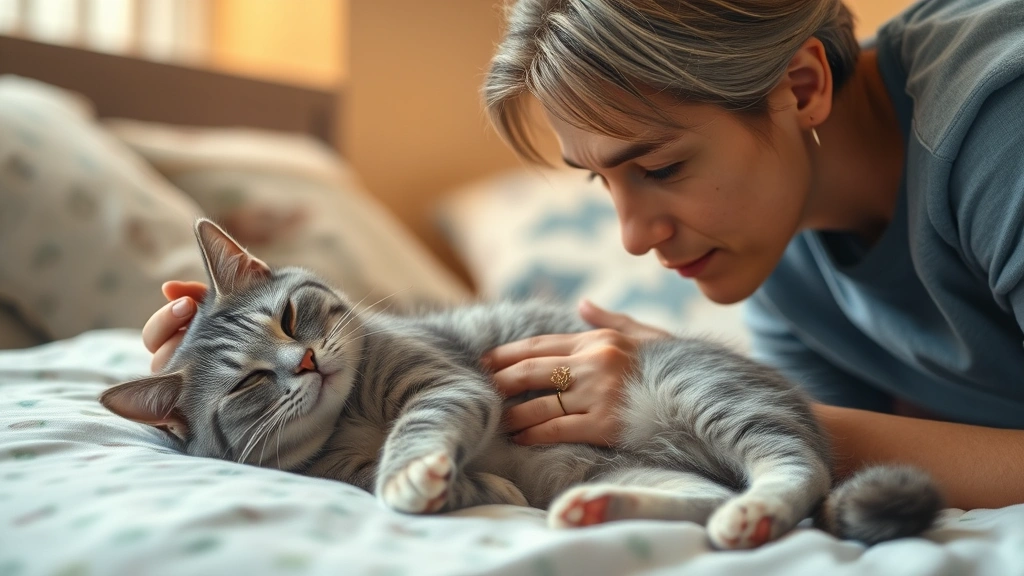
Count your cat’s breaths for a full minute while they’re calm to get an accurate baseline. This information is valuable to share with your veterinarian.
Warning Sign #6: Panting Combined With Coughing or Wheezing
Respiratory sounds like coughing, wheezing, or crackling noises paired with panting suggest airway or lung involvement. Feline asthma, bronchitis, or pneumonia can all present this way.
These conditions are manageable with proper veterinary care, but they need prompt attention. Talk to a vet about cat breathing fast to explore your options, including online consultations for initial assessment.
Warning Sign #7: Panting With Pale or Blue-Tinged Gums
Check your cat’s gum color by gently lifting their lip. Healthy gums are pink; pale or bluish gums suggest poor oxygen circulation. This is a medical emergency and requires immediate veterinary care.
If you notice this sign, don’t wait for an appointment—seek emergency veterinary services right away. Your cat’s oxygen levels may be critically low.
Common Causes of Cat Panting
Understanding potential causes helps you provide better context to your vet. Here are the most common reasons cats pant:
- Heat stress or overheating: Cats trapped in hot environments may pant to cool down, though they’re less efficient at this than dogs.
- Stress or anxiety: Vet visits, travel, or household changes can trigger stress-related panting.
- Heart disease: Feline heart conditions like hypertrophic cardiomyopathy often cause labored breathing and panting.
- Respiratory infections: Upper or lower respiratory infections can make breathing uncomfortable and visible.
- Asthma: Feline asthma causes airway inflammation and can result in panting, coughing, or wheezing.
- Thyroid disease: Hyperthyroidism increases metabolism and can cause rapid, heavy breathing.
- Pain or discomfort: Cats experiencing pain may breathe heavily as a stress response.
- Obesity: Overweight cats work harder to breathe, especially during activity.
What to Document Before Your Vet Visit
Gathering information beforehand helps your vet make an accurate assessment. Keep notes on these details:
- When the panting started and how frequently it occurs
- Whether panting happens during activity, at rest, or both
- Your cat’s approximate respiratory rate while calm
- Any other symptoms (lethargy, appetite changes, coughing, vomiting)
- Recent stressors or environmental changes
- Your cat’s age, weight, and any known health conditions
- Recent travels or exposure to other animals
This information becomes invaluable during your consultation. If you’re unsure whether your pet needs urgent care, an online vet for kitten panting can give you peace of mind—no appointment needed.
When to Seek Emergency Care
Some situations require immediate veterinary attention rather than a routine appointment. Seek emergency care if your cat shows:
- Severe difficulty breathing or gasping for air
- Blue or pale gums or tongue
- Collapse or loss of consciousness
- Extreme distress or panic
- Panting that started suddenly and is worsening rapidly
- Panting combined with inability to move or paralysis
When in doubt, it’s better to err on the side of caution. Your vet would rather evaluate a cat who’s doing well than miss a serious condition.
The Role of Telehealth in Cat Panting Assessment
Modern veterinary telehealth makes it easier to get professional guidance quickly. Through video consultations, your vet can observe your cat’s breathing, ask detailed questions about symptoms, and determine whether in-person examination is necessary.
Telehealth works especially well for initial assessments and follow-up care. If your cat needs bloodwork, imaging, or physical examination, your vet will recommend an in-person visit. You can talk to a vet about kitten panting online to get started with a convenient consultation.
How Your Vet Will Diagnose the Cause
Your veterinarian will use a combination of methods to identify why your cat is panting. The diagnostic process typically includes:
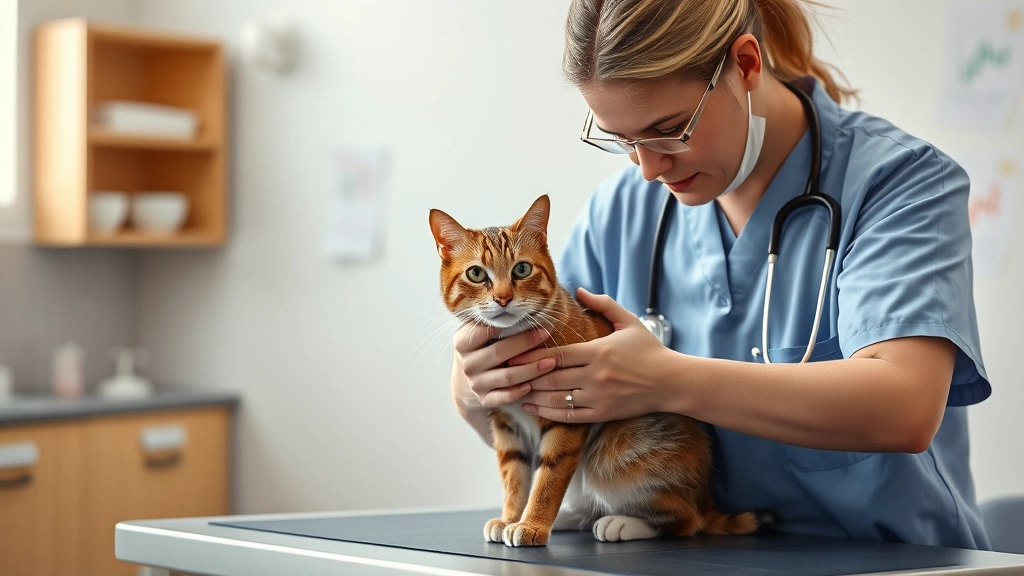
- Physical examination: Listening to heart and lungs with a stethoscope, checking gum color and capillary refill time
- Medical history: Understanding your cat’s background, previous health issues, and current medications
- Bloodwork: Testing for infections, thyroid disease, and organ function
- Imaging: X-rays or ultrasound to visualize the heart, lungs, and airways
- ECG: Heart monitoring to assess cardiac rhythm and function
Not every cat needs every test—your vet will recommend appropriate diagnostics based on what they observe and your cat’s symptoms.
Recovery and Management at Home
Once your vet identifies the cause of panting, management depends on the underlying condition. Some general supportive care measures include:
- Keeping your cat in a cool, comfortable environment
- Reducing stress through calm handling and familiar routines
- Ensuring fresh water is always available
- Limiting strenuous activity if recommended by your vet
- Maintaining a healthy weight through proper nutrition
- Following any prescribed treatment plans consistently
Your vet will provide specific guidance tailored to your cat’s diagnosis and individual needs.
Frequently Asked Questions
Is it normal for cats to pant?
No, panting is not normal cat behavior. While cats may breathe heavily after intense play, persistent or unexplained panting warrants veterinary evaluation.
Can stress cause cat panting?
Yes, stress and anxiety can trigger temporary panting in cats, but it should resolve once the stressor is removed. Ongoing panting suggests a physical cause.
How quickly should I contact a vet about cat panting?
If panting is mild and your cat seems otherwise healthy, schedule a routine appointment within a few days. Seek urgent care if panting is severe, accompanied by distress, or if your cat has other concerning symptoms.
What’s the difference between panting and normal rapid breathing?
Panting involves open-mouth breathing with visible effort, while normal rapid breathing is quieter and less labored. Panting suggests your cat is working harder to breathe.
Can obesity cause cat panting?
Yes, overweight cats must work harder to breathe, especially during activity. Weight management can improve breathing and overall health.
What To Do Now
If you’re concerned about your cat’s panting, here are your next steps:
- Observe and document: Note when panting occurs, how long it lasts, and any accompanying symptoms. Write down your cat’s respiratory rate while calm.
- Schedule a veterinary consultation: Contact your regular vet for an appointment, or consult an online vet for immediate guidance if you need quick answers.
- Prepare information: Gather details about your cat’s health history, recent changes, and a video of the panting if possible to share with your vet.
- Seek emergency care if needed: If your cat shows severe distress, pale gums, or sudden onset of severe panting, go to an emergency veterinary clinic immediately.
- Follow your vet’s recommendations: Once diagnosed, adhere to treatment plans and follow-up appointments to ensure your cat’s best outcome.
Summary
Cat panting is your feline friend’s way of communicating that something needs attention. By recognizing the warning signs—from panting after minimal activity to changes in breathing patterns at rest—you’re already taking an important step toward protecting your cat’s health.
Remember, you know your cat best. If something feels off about their breathing, trust that instinct and reach out to a veterinarian. Whether through a traditional appointment or convenient telehealth consultation, getting professional guidance ensures your cat receives the care they need. The sooner you ask your vet about cat panting, the sooner you can help your beloved pet feel better.