
If you’ve noticed your dog breathing fast, you’re right to pay attention—rapid breathing can be your pup’s way of telling you something isn’t quite right. As a pet parent, spotting these changes early and knowing when to ask vet about dog breathing fast could make all the difference in your dog’s health and recovery.
Table of Contents
- What Does Normal Dog Breathing Look Like?
- Why You Should Ask Vet About Dog Breathing Fast
- 7 Critical Warning Signs That Warrant a Vet Visit
- Common Causes of Fast Breathing in Dogs
- When to Seek Emergency Care Immediately
- How Your Vet Will Diagnose the Problem
- The Role of Telehealth in Getting Answers Fast
- What You Can Do at Home While Waiting for a Vet Appointment
- Breed-Specific Considerations
- Prevention and Long-Term Respiratory Health
- Frequently Asked Questions
- What To Do Now
- Summary: Taking Action on Your Dog’s Rapid Breathing
This article is for informational purposes only and is not a substitute for professional veterinary advice. Always consult a licensed veterinarian for diagnosis and treatment.
What Does Normal Dog Breathing Look Like?
Before we dive into what’s concerning, let’s establish the baseline. A healthy adult dog typically takes 10 to 30 breaths per minute while resting. You can count your dog’s breaths by watching their chest rise and fall for one full minute—it’s easier than you’d think.
Puppies and smaller breeds often breathe a bit faster than larger dogs, sometimes reaching 30 to 40 breaths per minute at rest. Knowing your own dog’s normal breathing pattern is your first line of defense in spotting problems early.
Why You Should Ask Vet About Dog Breathing Fast
Rapid breathing, or tachypnea, isn’t always an emergency, but it’s never something to ignore. Your dog’s respiratory rate is one of the vital signs vets check first because it can signal everything from anxiety to serious underlying conditions.
The good news? Catching this early puts you in a great position to help your pup get the care they need quickly. Whether it’s something simple or more complex, your vet can run tests and give you real answers.
7 Critical Warning Signs That Warrant a Vet Visit
Here are the key signs that should prompt you to ask vet about dog breathing fast right away:
- Breathing faster than 40 breaths per minute at rest: If your dog’s resting respiratory rate consistently exceeds this threshold, it’s time for a professional evaluation.
- Labored or shallow breathing: Watch for chest heaving, nostril flaring, or breathing that seems to require extra effort. This could indicate respiratory distress.
- Panting without heat or exercise: If your dog is panting heavily in a cool environment or after minimal activity, something may be off.
- Wheezing, coughing, or gagging: These sounds often accompany fast breathing and can point to airway or lung issues.
- Lethargy combined with rapid breathing: When your dog seems unusually tired alongside breathing changes, it warrants prompt veterinary attention.
- Pale or bluish gums: This suggests your dog may not be getting enough oxygen and is a red flag for urgent care.
- Restlessness and inability to settle: Some dogs with breathing problems can’t find a comfortable position and seem anxious or agitated.
If you notice one or more of these signs, don’t wait—reach out to your vet or consider a telehealth consultation for guidance.
Common Causes of Fast Breathing in Dogs
Understanding why your dog might be breathing rapidly can help you feel more prepared when you talk to your veterinarian. The causes range from behavioral to medical.
Heat and Exercise: The most common culprit is simply temperature or activity. Dogs cool themselves through panting, so rapid breathing after a walk or on a warm day is usually normal.
Anxiety and Stress: Just like humans, dogs breathe faster when nervous or scared. Thunderstorms, vet visits, or new environments can all trigger rapid breathing.
Pain: Dogs in discomfort often breathe faster as their body’s stress response kicks in. This is why it’s important to ask vet about dog breathing fast if your pup has recently had surgery or been injured.
Respiratory Infections: Conditions like pneumonia, bronchitis, or kennel cough can cause fast, labored breathing. These often come with coughing or wheezing as well.
Heart Problems: Certain cardiac conditions force the heart to work harder, which increases respiratory rate. Older dogs and certain breeds are at higher risk.
Obesity: Overweight dogs often breathe faster because their bodies have to work harder to function. This is one reason maintaining a healthy weight matters so much.
Allergies and Asthma: Airway inflammation from allergies or canine asthma can lead to rapid, sometimes labored breathing.
Fever or Infection: Any systemic infection or fever will typically increase your dog’s respiratory rate as part of the immune response.
When to Seek Emergency Care Immediately
Some situations require urgent veterinary attention rather than a routine appointment. If your dog shows any of these signs, head to an emergency vet right away:
- Severe difficulty breathing or gasping for air
- Collapse or loss of consciousness
- Bluish or pale gums
- Inability to lie down comfortably
- Choking or inability to swallow
- Sudden onset of rapid breathing with obvious distress
Don’t hesitate in these cases—your dog needs immediate professional care. Trust your instincts as a pet parent.
How Your Vet Will Diagnose the Problem
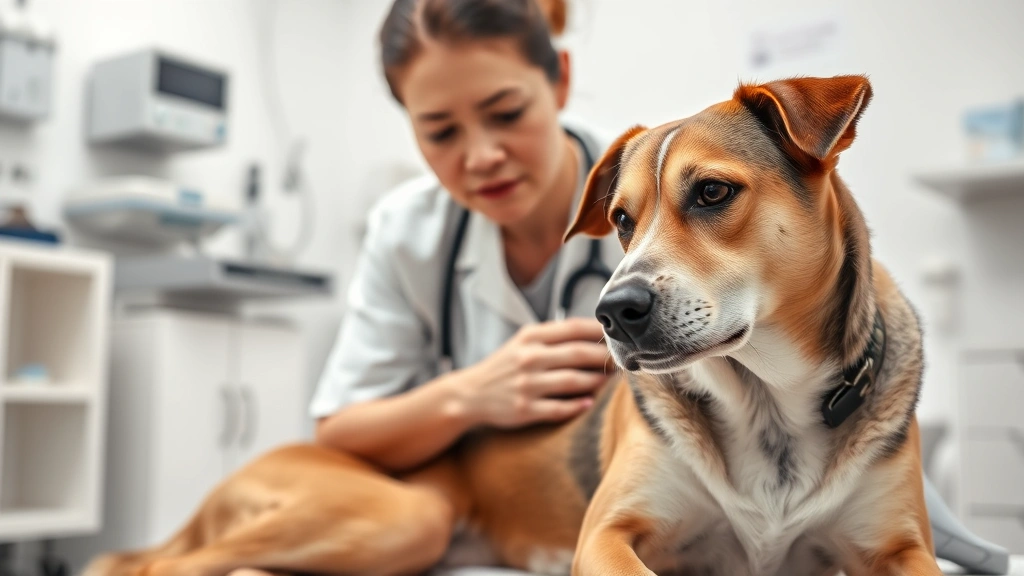
When you ask vet about dog breathing fast, they’ll start with a thorough physical exam. Your vet will listen to your dog’s lungs and heart with a stethoscope, check their gums and tongue color, and take their temperature and pulse.
Depending on what they find, they may recommend additional tests like chest X-rays, blood work, or an ultrasound. These diagnostics help pinpoint the exact cause so treatment can be targeted and effective.
Be ready to describe when the rapid breathing started, whether it’s constant or comes and goes, and any other symptoms you’ve noticed. This information is gold for your vet’s diagnostic process.
The Role of Telehealth in Getting Answers Fast
If you’re unsure whether your pet needs urgent care, a quick telehealth check-in can give you peace of mind—no appointment needed. Many vets, including The Pet Vet’s online platform, allow you to describe your dog’s symptoms and get professional guidance within minutes.
A telehealth vet can help you determine if your dog needs an in-person exam, can provide initial reassurance, or can advise you on next steps. It’s especially helpful on weekends or late nights when your regular vet’s office is closed.
For puppies specifically, rapid breathing is sometimes more common, which is why many pet parents find it helpful to ask vet about puppy breathing fast early on to establish what’s normal for their young pup.
What You Can Do at Home While Waiting for a Vet Appointment
If your dog is breathing fast but not in obvious distress, here are some supportive steps you can take:
- Keep your dog calm and cool: Reduce activity, provide a cool, quiet space, and ensure fresh water is available.
- Monitor their breathing rate: Count breaths every few hours and note any changes. This information is valuable for your vet.
- Watch for additional symptoms: Keep an eye out for coughing, lethargy, loss of appetite, or any other changes in behavior or appearance.
- Avoid triggers: If anxiety seems to be the cause, minimize stressful situations until you’ve spoken with your vet.
- Don’t give medications without vet approval: Even over-the-counter remedies can interact with your dog’s health status, so wait for professional guidance.
These steps help you stay proactive while you’re arranging professional care. Catching this early puts you in a great position to help.
Breed-Specific Considerations
Some dog breeds are naturally more prone to breathing issues than others. Brachycephalic breeds like Bulldogs, Pugs, and Boston Terriers have shorter muzzles that can make breathing harder, so rapid breathing might be more common for them.
Larger breeds like Great Danes and German Shepherds can be more susceptible to heart problems, which may manifest as increased respiratory rate. Knowing your dog’s breed predispositions helps you recognize what’s normal versus what warrants concern.
If you have a breed known for respiratory sensitivity, it’s especially important to establish a baseline with your vet and know when to ask vet about dog breathing fast.
Prevention and Long-Term Respiratory Health
While you can’t prevent every respiratory issue, you can take steps to support your dog’s lung health long-term.

Maintain a healthy weight: Obesity puts extra strain on the respiratory system. A balanced diet and regular exercise are foundational.
Avoid smoke and air pollution: Just like humans, dogs’ lungs benefit from clean air. Keep them away from secondhand smoke and heavily polluted areas when possible.
Regular vet checkups: Annual exams allow your vet to catch early signs of respiratory or cardiac issues before they become serious.
Keep vaccinations current: Vaccines protect against respiratory infections like kennel cough and influenza.
Manage allergies: If your dog has known allergies, work with your vet to control them effectively.
Frequently Asked Questions
Is it normal for dogs to breathe fast when sleeping?
Occasional rapid breathing during sleep or dreams is usually normal, but if it’s constant or accompanied by other symptoms, mention it to your vet.
Can anxiety cause fast breathing in dogs?
Yes, anxiety and stress absolutely trigger rapid breathing in dogs. If you notice it only in certain situations (like during thunderstorms), anxiety may be the cause, but your vet can help rule out medical issues.
How do I know if my dog’s breathing is too fast?
If your resting dog consistently breathes faster than 40 breaths per minute, or if the breathing looks labored or distressed, it’s worth asking your vet about it.
Can fast breathing indicate heart problems in dogs?
Yes, cardiac issues can cause rapid breathing as the heart compensates for reduced efficiency. This is one reason your vet will listen to your dog’s heart when you ask vet about dog breathing fast.
Should I go to the ER if my dog is breathing fast?
If breathing is severe, labored, accompanied by collapse, or your dog seems in distress, yes—go to the emergency vet. For mild or gradual changes, a regular vet appointment is usually appropriate.
What To Do Now
- Count your dog’s resting breaths today: Establish a baseline by counting for one full minute while your dog is calm and at rest. This gives you a reference point.
- Schedule a vet appointment or telehealth consultation: Don’t wait if you’ve noticed changes in your dog’s breathing. Reach out to your vet or use a telehealth service to discuss your concerns.
- Document any additional symptoms: Write down when the fast breathing started, how often it occurs, and any other signs you’ve noticed (coughing, lethargy, appetite changes).
- Create a calm environment: While you arrange care, keep your dog in a cool, quiet space to minimize stress and monitor their condition.
- Gather your dog’s medical history: Have previous vet records and vaccination information ready to share with your veterinarian.
Summary: Taking Action on Your Dog’s Rapid Breathing
Noticing your dog breathing fast is a sign you’re paying attention to their health—and that’s exactly what good pet parents do. While rapid breathing isn’t always serious, it’s always worth investigating with a professional.
The key is knowing the difference between normal panting and breathing that signals a problem, understanding the common causes, and acting promptly when something feels off. Your dog relies on you to be their advocate, and asking the right questions—like when to ask vet about dog breathing fast—is part of that responsibility.
Whether you choose an in-person vet visit or start with a convenient telehealth consultation, the important thing is getting your pup evaluated. Modern veterinary care, especially telehealth options, makes it easier than ever to get professional guidance quickly and without unnecessary stress.
Trust your instincts, stay calm, and remember: early detection and treatment lead to the best outcomes. Your dog is lucky to have someone who cares enough to notice these details.