
When your dog starts coughing, it’s natural to worry—and that’s exactly why you should ask vet about dog coughing sooner rather than later. A persistent cough can signal anything from a minor irritation to a more serious underlying condition, and getting professional guidance is the best way to keep your furry friend healthy and comfortable.
Table of Contents
- Why You Should Ask Your Vet About Dog Coughing Right Away
- Common Causes of Dog Coughing
- When to Ask Your Vet About Dog Coughing—Urgency Signs
- How Your Vet Diagnoses the Cause
- Treatment Approaches Your Vet May Recommend
- Medications Your Vet May Discuss
- Home Care While You Wait for Vet Guidance
- Preventing Future Coughing Issues
- The Difference Between Dry and Wet Coughs
- When to Consider Telehealth vs. In-Person Visits
- Frequently Asked Questions
- What To Do Now
- Summary: Taking Action on Your Dog’s Cough
This article is for informational purposes only and is not a substitute for professional veterinary advice. Always consult a licensed veterinarian for diagnosis and treatment.
Dog coughing might seem like a minor issue at first, but it’s your pup’s way of telling you something needs attention. Whether it’s a dry, hacking cough or a wet, productive one, understanding what’s happening and when to reach out to your vet can make all the difference in your dog’s recovery.
Why You Should Ask Your Vet About Dog Coughing Right Away
A cough lasting more than a few days deserves professional attention. Your vet can perform a physical exam, listen to your dog’s lungs, and potentially run diagnostic tests to pinpoint the cause. Early detection often means simpler, more effective treatment.
Many dog owners delay calling their vet, hoping the cough resolves on its own. While some minor coughs do pass, others worsen without treatment. Catching this early puts you in a great position to help your dog feel better faster.
Common Causes of Dog Coughing
Dog coughs fall into several categories, each with different underlying causes. Understanding what might be triggering your dog’s cough helps you communicate better with your vet and recognize urgency signs.
- Kennel cough (infectious tracheobronchitis): Highly contagious, causes a dry, honking cough, often spreads in group settings
- Heart disease: Can cause coughing, especially during exercise or at night; may indicate fluid in the lungs
- Allergies: Environmental or food allergies sometimes trigger chronic coughing
- Pneumonia: Bacterial or viral infection causing wet cough and lethargy
- Collapsed trachea: More common in small breeds; creates a distinctive honking sound
- Foreign object: Grass, sticks, or debris lodged in the throat or airway
- Chronic bronchitis: Long-term inflammation of the airways, especially in older dogs
When to Ask Your Vet About Dog Coughing—Urgency Signs
Some coughing situations need immediate veterinary attention. If your dog is struggling to breathe, coughing up blood, showing extreme lethargy, or has a high fever, contact your vet or emergency clinic right away.
Even if symptoms seem mild, a cough lasting more than a week warrants a call. Your vet can assess whether your dog needs an urgent appointment or if a telehealth consultation would help you understand next steps. If you are unsure whether your pet needs urgent care, a quick telehealth check-in can give you peace of mind—no appointment needed.
How Your Vet Diagnoses the Cause
When you ask vet about dog coughing, expect a thorough evaluation. Your vet will listen to your dog’s lungs with a stethoscope, check heart rate and rhythm, and ask detailed questions about when the cough started, what it sounds like, and any other symptoms.
Depending on findings, your vet may recommend chest X-rays, blood work, or other diagnostics. These tools help rule out serious conditions and guide treatment decisions. Don’t worry if your vet suggests testing—it’s often the fastest path to answers and relief for your dog.
Treatment Approaches Your Vet May Recommend
Treatment depends entirely on what’s causing the cough. For kennel cough, supportive care and rest often suffice, though some dogs benefit from additional support to ease symptoms. For heart-related coughing, your vet may discuss dietary adjustments and heart-supportive strategies.
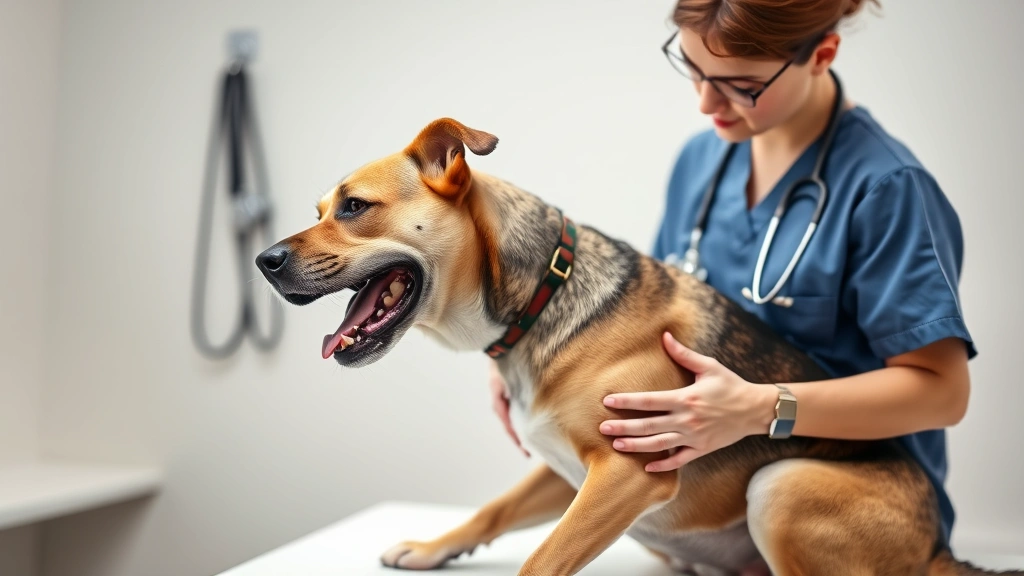
Allergic coughs might improve with environmental changes or dietary modifications. Pneumonia typically requires targeted treatment to address the infection. Your vet will explain the best approach for your dog’s specific situation and discuss any medications or lifestyle changes that could help.
Medications Your Vet May Discuss
While specific dosages are always determined by your vet based on your dog’s weight and condition, several medication categories commonly help manage coughing:
- Cough suppressants: May be used for dry, non-productive coughs to provide comfort
- Bronchodilators: Help open airways and ease breathing difficulty
- Antibiotics: Prescribed if bacterial infection is suspected or confirmed
- Anti-inflammatories: Reduce airway inflammation and swelling
- Diuretics: Sometimes used for heart-related coughing to manage fluid buildup
- Antihistamines: May help if allergies are contributing to the cough
- Expectorants: Can help thin mucus in wet coughs, making them more productive
Your vet will explain why each medication is being considered and what benefits and side effects to watch for. Never give your dog any medication without explicit veterinary guidance—even over-the-counter products can interact with other treatments or mask serious conditions.
Home Care While You Wait for Vet Guidance
While waiting for your vet appointment, a few comfort measures can help your dog feel better. Keep your dog in a calm, quiet environment to reduce stress-induced coughing. Use a humidifier to add moisture to the air, which can soothe irritated airways.
Ensure your dog stays hydrated and eats well, as good nutrition supports immune function. Avoid smoke, strong perfumes, and other irritants that might trigger more coughing. Keep your dog’s collar loose to reduce pressure on the throat and trachea.
Preventing Future Coughing Issues
Prevention starts with good overall health habits. Keep your dog’s vaccinations current, including the kennel cough vaccine if your dog frequents grooming facilities or dog parks. Maintain a healthy weight, provide regular exercise appropriate for your dog’s age, and feed high-quality nutrition.
Minimize exposure to secondhand smoke and air pollutants. If your dog has a history of respiratory issues, discuss preventive strategies with your vet. For puppies showing early signs of coughing, early intervention can prevent chronic problems.
The Difference Between Dry and Wet Coughs
A dry, hacking cough often suggests irritation, allergies, or kennel cough. A wet, productive cough with mucus or phlegm may indicate pneumonia, bronchitis, or heart disease. Your vet uses these distinctions to narrow down possibilities and recommend appropriate treatment.
Pay attention to when coughing occurs—during exercise, at night, or randomly throughout the day. This timing gives your vet valuable clues about the underlying cause and helps guide the treatment plan.
When to Consider Telehealth vs. In-Person Visits
A telehealth consultation is perfect for initial questions about your dog’s cough, especially if you need quick reassurance or guidance on whether an urgent visit is necessary. Your vet can see your dog on video, hear the cough, and discuss symptoms in detail.

However, if your vet needs to perform a physical exam, listen to lung sounds with a stethoscope, or run diagnostics, an in-person visit will be necessary. Many vets recommend starting with telehealth for triage, then scheduling an in-person appointment if needed. Similar guidance applies when discussing respiratory symptoms with your vet, whether for dogs or cats.
Frequently Asked Questions
How long should I wait before calling my vet about my dog’s cough?
If your dog’s cough persists for more than a few days, or if it’s accompanied by lethargy, fever, or difficulty breathing, contact your vet immediately. Don’t wait to see if it resolves on its own.
Can I give my dog over-the-counter cough medicine?
Never give your dog any medication without veterinary approval. Some human cough medicines are toxic to dogs, and even pet-specific products may mask serious conditions. Always ask your vet first.
Is kennel cough serious?
Kennel cough is usually mild and self-limiting, but it’s highly contagious and can develop into pneumonia in some dogs. Your vet can recommend supportive care to ease symptoms while your dog’s immune system fights the infection.
Could my dog’s cough be related to heart disease?
Yes, coughing can be a sign of heart disease, especially if it worsens during exercise or occurs at night. This is why it’s important to ask your vet about dog coughing—they can evaluate your dog’s heart health as part of the diagnosis.
What should I do if my dog is coughing and having trouble breathing?
This is an emergency. Contact your vet or emergency clinic immediately. Don’t delay—difficulty breathing requires urgent professional evaluation and treatment.
What To Do Now
- Schedule a vet appointment or telehealth consultation today. Describe your dog’s cough in detail—when it started, what it sounds like, and any other symptoms you’ve noticed.
- Keep a symptom log for the next few days, noting the time of day coughing occurs, whether it’s dry or wet, and any triggers you notice. This information helps your vet make an accurate diagnosis.
- Create a calm environment for your dog while waiting for the appointment. Minimize stress, use a humidifier, and ensure your dog stays hydrated and comfortable.
- Gather your dog’s medical history, including vaccination records, previous illnesses, and any current medications or supplements. This context helps your vet assess the situation more thoroughly.
- Avoid self-treating with over-the-counter medications or home remedies. Wait for your vet’s guidance to ensure your dog gets the right care for their specific situation.
Summary: Taking Action on Your Dog’s Cough
Your dog’s cough is a signal worth taking seriously. By deciding to ask vet about dog coughing, you’re already doing the right thing for your furry friend. Whether it’s a minor irritation or something more significant, professional guidance ensures your dog gets the care they need quickly and effectively.
Don’t let worry paralyze you—reach out to your vet today. A quick conversation or telehealth check-in can give you answers and peace of mind. Your dog is counting on you, and your vet is ready to help. Together, you’ll get to the bottom of that cough and have your pup feeling better in no time.