
When you notice your dog shaking, it’s natural to feel worried—but understanding what’s behind the tremors can help you respond with confidence. Dog shaking can range from a simple response to cold weather to a sign of something that needs veterinary attention, and knowing when to ask vet about dog shaking is one of the most important skills any pet owner can develop.
Table of Contents
- Why Is My Dog Shaking? Understanding the Basics
- 1. Cold and Weather-Related Shaking
- 2. Fear, Anxiety, and Stress-Induced Tremors
- 3. Excitement and Overstimulation
- 4. Muscle Weakness and Fatigue
- 5. Neurological Issues and Tremor Disorders
- 6. Pain, Illness, and Metabolic Issues
- 7. Medication Side Effects and Toxin Exposure
- When to Seek Immediate Veterinary Care
- What to Do Now: Action Steps for Concerned Pet Owners
- Frequently Asked Questions
- Summary: Taking the Right Steps
This article is for informational purposes only and is not a substitute for professional veterinary advice. Always consult a licensed veterinarian for diagnosis and treatment.
Why Is My Dog Shaking? Understanding the Basics
Dog shaking happens for many reasons, and not all of them are cause for alarm. Your pup might tremble from cold, excitement, anxiety, or physical exertion. However, persistent or unexplained shaking can indicate an underlying health issue that deserves professional evaluation.
The key is learning to distinguish between normal tremors and those that warrant a vet visit. When shaking occurs alongside other symptoms—lethargy, loss of appetite, or behavioral changes—it’s definitely time to reach out to your veterinarian.
1. Cold and Weather-Related Shaking
One of the most common reasons dogs shake is simply being cold. Small breeds, dogs with thin coats, and senior dogs are particularly susceptible to temperature drops. If your dog shivers when it’s chilly outside or after a bath, this is usually nothing to worry about.
You can help by providing a cozy sweater, limiting time outdoors in cold weather, or wrapping them in a blanket after swimming. Once your dog warms up, the shaking typically stops on its own. This is one situation where you probably won’t need to ask vet about dog shaking—unless the tremors persist even when your pup is warm.
2. Fear, Anxiety, and Stress-Induced Tremors
Dogs shake when they’re anxious or scared—just like humans do. Thunderstorms, fireworks, vet visits, or loud noises can trigger visible trembling in sensitive dogs. You might also notice panting, whining, or attempts to hide.
Catching these anxiety episodes early and creating a safe, calm space can make a real difference. Consider using calming aids, maintaining a consistent routine, or working with a trainer. If anxiety shaking becomes frequent or severe, your vet can discuss behavioral strategies or other supportive options.
3. Excitement and Overstimulation
Happy shaking is real! Many dogs tremble when they’re excited—greeting you at the door, anticipating a walk, or playing with their favorite toy. This kind of shaking is harmless and usually stops once your dog settles down.
The tremors fade as your pup’s energy levels normalize. You don’t need to worry here, but it’s helpful to recognize the difference between excitement shaking and shaking from illness or distress.
4. Muscle Weakness and Fatigue
After intense exercise, play sessions, or physical exertion, dogs sometimes shake from muscle fatigue. This is similar to how human athletes might tremble after a hard workout. The shaking usually resolves with rest and hydration.

However, if your dog seems unusually weak, struggles to stand, or shakes even after light activity, these could be signs of a deeper issue. This is when you should check for early signs of neurological problems and ask your vet for guidance.
5. Neurological Issues and Tremor Disorders
Certain neurological conditions cause involuntary shaking that persists throughout the day. Conditions like idiopathic tremor syndrome, cerebellar dysfunction, or other neurological disorders may present with constant or intermittent tremors. These are serious concerns that require professional evaluation.
If your dog’s shaking seems unrelated to temperature, emotion, or activity, and it happens regularly, this is a clear signal to reach out to your vet about neurological concerns. Early diagnosis can make treatment more effective. Catching this early puts you in a great position to help your dog feel better faster.
6. Pain, Illness, and Metabolic Issues
Dogs often shake when they’re in pain or experiencing illness. Conditions like arthritis, pancreatitis, kidney disease, or infections can all trigger tremors. You might also notice loss of appetite, vomiting, or changes in bathroom habits alongside the shaking.
If your dog seems uncomfortable, is eating less, or has other symptoms, don’t wait to discuss these changes with your vet. Addressing the underlying condition often resolves the shaking. Your veterinarian can run tests to identify what’s going on and create a treatment plan.
7. Medication Side Effects and Toxin Exposure
Certain medications or toxin exposure can cause shaking in dogs. If your pup recently started a new medication and began shaking, this could be a side effect worth discussing with your vet. Similarly, exposure to toxins—chocolate, xylitol, certain plants, or chemicals—can trigger tremors and other serious symptoms.
Always mention any recent medication changes or potential exposures when you speak with your veterinarian. They may adjust dosages, switch medications, or recommend supportive care depending on the situation.
When to Seek Immediate Veterinary Care
Some situations require urgent attention. If your dog is shaking along with any of these symptoms, contact your vet right away or visit an emergency clinic:
- Severe shaking that doesn’t stop
- Difficulty walking or standing
- Loss of consciousness or seizure-like activity
- Vomiting or inability to eat
- Extreme lethargy or unresponsiveness
- Signs of pain or distress
- Suspected toxin ingestion
These combinations warrant immediate professional evaluation to rule out serious conditions.
What to Do Now: Action Steps for Concerned Pet Owners
If you’re wondering whether to ask vet about dog shaking, follow these practical steps:
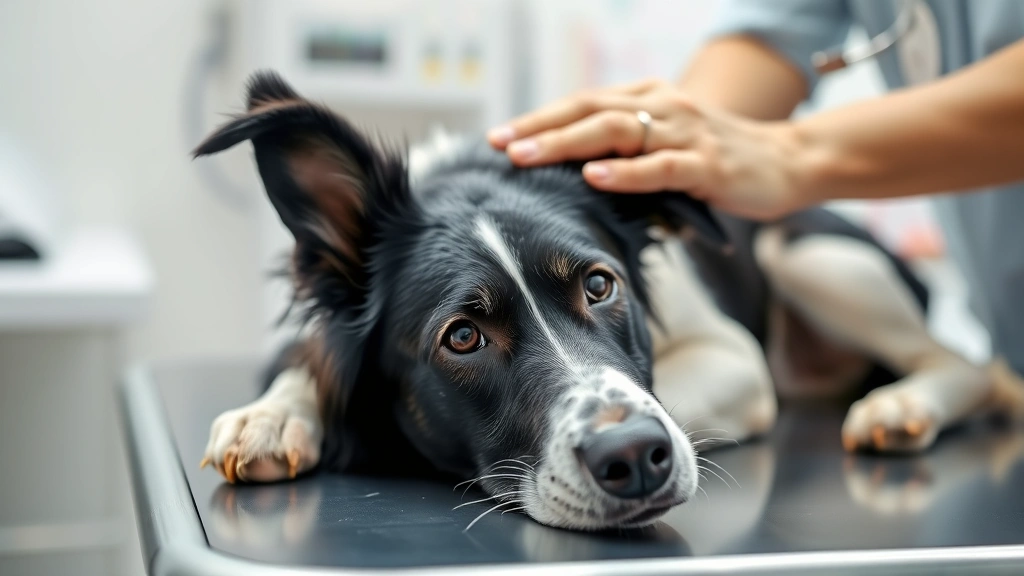
- Observe and document: Note when the shaking occurs, how long it lasts, what your dog is doing, and any other symptoms present. This information helps your vet narrow down the cause.
- Rule out environmental factors: Check the temperature, recent stressors, activity level, and any changes in diet or routine that might explain the tremors.
- Schedule a vet consultation: If shaking is persistent, unexplained, or accompanied by other symptoms, contact your veterinarian. If you’re unsure whether your pet needs urgent care, a quick telehealth check-in can give you peace of mind—no appointment needed.
- Prepare for your visit: Bring notes about when the shaking started, how often it happens, and any other health changes you’ve noticed. Videos of the shaking can be helpful too.
- Ask specific questions: During your vet visit, ask about the likely cause, recommended treatments, warning signs to watch for, and when to follow up.
Frequently Asked Questions
Is dog shaking always a sign of illness?
No. Dogs shake for many reasons, including cold, excitement, anxiety, and fatigue. However, persistent or unexplained shaking warrants a vet evaluation to rule out underlying health issues.
How long should I wait before calling the vet about shaking?
If shaking is mild and clearly related to cold or excitement, waiting a day or two is usually fine. If it’s severe, persistent, or accompanied by other symptoms, contact your vet same-day or seek emergency care.
Can stress cause my dog to shake?
Yes, absolutely. Anxiety, fear, and stress trigger trembling in many dogs. Creating a calm environment and addressing the stressor can help reduce stress-related shaking.
What tests might my vet run for unexplained shaking?
Your vet may perform a physical exam, bloodwork, urinalysis, or imaging studies depending on the suspected cause. These tests help identify infections, metabolic issues, or neurological problems.
Is dog shaking ever an emergency?
Yes. If shaking is severe, accompanied by seizure-like activity, difficulty moving, vomiting, or loss of consciousness, seek emergency veterinary care immediately.
Summary: Taking the Right Steps
Dog shaking can be simple to manage or a sign of something more serious—and the only way to know for sure is through proper veterinary evaluation. By observing your dog’s behavior, documenting symptoms, and reaching out to your vet when needed, you’re doing exactly what your pup needs.
Remember, asking your vet about dog shaking is never a waste of time. Your veterinarian would rather evaluate a minor issue than miss something important. Trust your instincts, stay calm, and take action when something feels off. Your dog is lucky to have an owner who cares enough to seek answers.
Whether it’s a quick telehealth consultation or a full in-clinic exam, professional guidance can bring peace of mind and help your furry friend feel their best. Don’t hesitate to reach out—your vet is there to help.