
If you’re noticing your kitten hiding more than usual, over-grooming, or seeming jumpy at every sound, it might be time to ask vet about kitten anxiety and explore whether medication could help. Anxiety in kittens is more common than many pet owners realize, and the good news is that your veterinarian has several evidence-based options to help your little one feel calmer and more secure.
Table of Contents
- Understanding Kitten Anxiety: Signs You Shouldn’t Ignore
- Why You Should Ask Your Vet About Kitten Anxiety Treatment
- The Role of Medication in Kitten Anxiety Management
- Seven Medication Options Vets Commonly Recommend
- How Medication Works Alongside Behavioral Support
- What to Expect When Starting Anxiety Medication
- Potential Side Effects and Safety Considerations
- When to Consider Telehealth for Anxiety Concerns
- Transitioning Off Medication: What You Need to Know
- Frequently Asked Questions
- What to Do Now: Your Action Plan
- Summary: Helping Your Anxious Kitten Thrive
This article is for informational purposes only and is not a substitute for professional veterinary advice. Always consult a licensed veterinarian for diagnosis and treatment.
Understanding Kitten Anxiety: Signs You Shouldn’t Ignore
Kitten anxiety manifests differently than in adult cats. Your young pet might be experiencing stress from environmental changes, socialization gaps, or even genetic predisposition to nervousness. Common signs include excessive meowing, destructive behavior, litter box avoidance, and refusing to eat or play.
The first step is recognizing that anxiety is real and treatable. Many kittens outgrow mild nervousness with time and patience, but moderate to severe cases benefit from professional intervention. Catching this early puts you in a great position to help your kitten develop confidence during these crucial developmental months.
Why You Should Ask Your Vet About Kitten Anxiety Treatment
Your veterinarian can rule out underlying medical conditions that mimic anxiety—such as hyperthyroidism, parasites like roundworms in cats, or colitis in cats—before recommending medication. A thorough physical exam and possibly bloodwork will ensure you’re addressing the root cause.
Beyond diagnosis, your vet will assess your kitten’s anxiety severity and lifestyle to recommend the most appropriate solution. Some kittens need short-term support during transitions; others benefit from longer-term management. This personalized approach is why professional guidance matters so much.
The Role of Medication in Kitten Anxiety Management
Medication isn’t a cure-all, but it can be a powerful tool when combined with environmental enrichment and behavioral modification. Think of it as giving your kitten’s brain chemistry a temporary boost while you work on building confidence through play, socialization, and safe spaces.
Your vet may recommend one of several medication classes, each working differently to reduce anxiety symptoms. The goal is to help your kitten feel calm enough to engage with their environment and learn that the world is safe.
Seven Medication Options Vets Commonly Recommend
When you ask vet about kitten anxiety, these are the solutions they may discuss:
- SSRIs (Selective Serotonin Reuptake Inhibitors): These medications increase serotonin availability in the brain, helping regulate mood and reduce obsessive behaviors. They’re often considered a first-line option for moderate anxiety and work best over several weeks of consistent use.
- Tricyclic Antidepressants: Similar to SSRIs but with a different mechanism, these can be particularly helpful for kittens showing signs of fear-based anxiety or excessive grooming. They may take 2-4 weeks to show full effects.
- Azapirones: This class of anti-anxiety medication works quickly—sometimes within hours—making it useful for situational anxiety like vet visits or moving to a new home. It’s gentler than some alternatives and has fewer side effects.
- Benzodiazepines: Fast-acting sedatives used for acute anxiety episodes or short-term stressful situations. These are typically prescribed for brief periods rather than long-term management because of dependency concerns.
- Alpha-2 Agonists: These medications reduce norepinephrine activity, creating a calming effect. They’re sometimes used for situational anxiety and can be combined with other treatments for enhanced effect.
- Natural Supplements and Pheromone Products: While not pharmaceuticals, products containing L-theanine, magnesium, or feline pheromones may help anxious kittens. Many vets recommend these as first-line options before stronger medications.
- Combination Therapy: Your vet might recommend pairing medication with behavioral support or environmental modifications. This multi-pronged approach often yields the best results and may allow for lower medication doses.
How Medication Works Alongside Behavioral Support
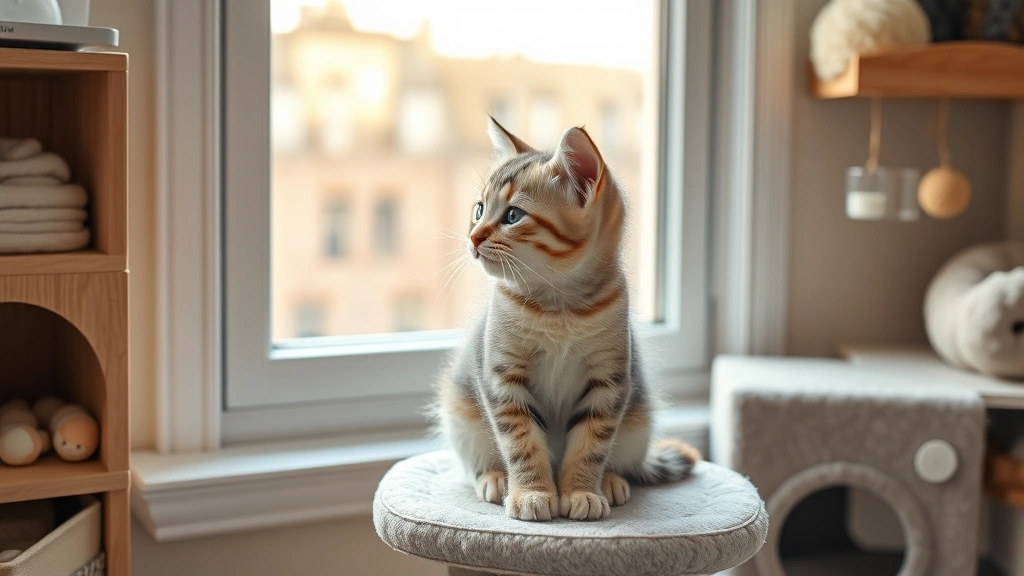
The most successful anxiety management combines medication with environmental changes. If your kitten is anxious, ensure they have hiding spots, vertical spaces, and quiet areas away from household chaos. Interactive play sessions build confidence and tire them out naturally.
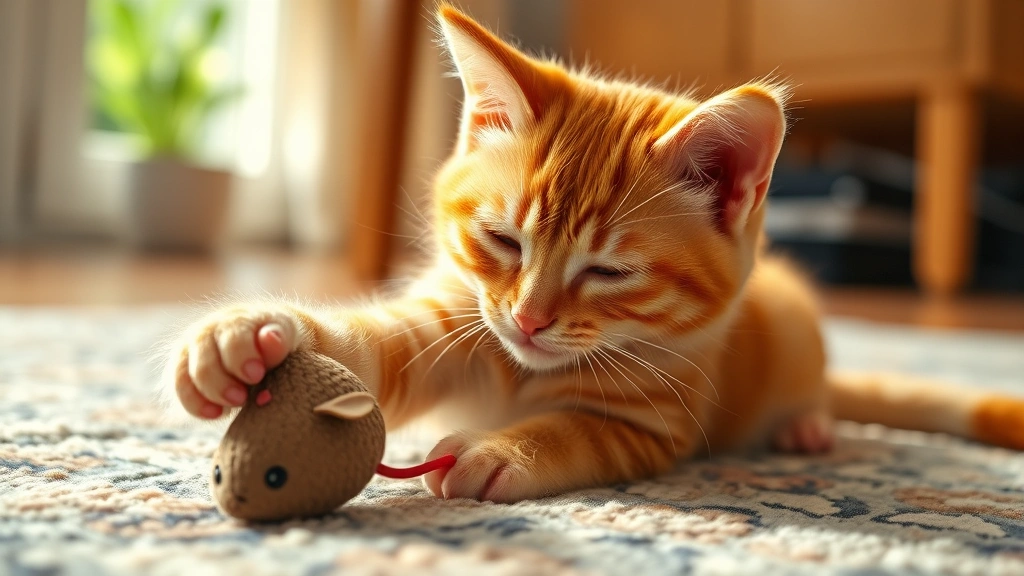
Socialization during the critical 2-7 week window is crucial, but it’s never too late to help a nervous kitten. Gradual exposure to new people, sounds, and experiences—paired with positive reinforcement—teaches your kitten that novelty isn’t threatening. Medication simply makes this learning process easier by reducing the fear response enough for your kitten to engage.
What to Expect When Starting Anxiety Medication
Most anxiety medications take time to work. You might not see improvement for 2-4 weeks, so patience is essential. Your vet will likely recommend starting at a lower dose and adjusting based on your kitten’s response.
Keep detailed notes on your kitten’s behavior—when they seem most anxious, what triggers the anxiety, and how they respond to medication. This information helps your vet fine-tune the treatment plan. Many kittens show gradual improvement in confidence, appetite, and playfulness as the medication takes effect.
Potential Side Effects and Safety Considerations
Most anxiety medications are safe for kittens when prescribed appropriately, but all medications carry potential side effects. Common ones include drowsiness, appetite changes, or mild digestive upset. These often resolve as your kitten’s body adjusts.
Always inform your vet about any other medications or supplements your kitten is taking. Regular check-ins ensure the medication remains effective and appropriate as your kitten grows. Your vet may recommend bloodwork periodically, especially for long-term medication use, to monitor your kitten’s health.
When to Consider Telehealth for Anxiety Concerns
If you’re unsure whether your kitten’s behavior warrants a full vet visit or if you have questions about medication options, a telehealth consultation can be incredibly helpful. Talking to a vet online about kitten concerns gives you quick access to professional guidance without the stress of a clinic visit—which is especially valuable for anxious kittens.
The Pet Vet’s telehealth platform allows you to discuss behavioral concerns, get preliminary assessments, and even receive medication recommendations without appointment delays. If your kitten needs in-person bloodwork or a full physical, your vet can direct you to a local clinic. If you are unsure whether your pet needs urgent care, a quick telehealth check-in can give you peace of mind — no appointment needed.
Transitioning Off Medication: What You Need to Know
As your kitten matures and gains confidence, you may eventually reduce or discontinue anxiety medication. This process should always be gradual and guided by your veterinarian—never stop medication abruptly, as this can cause rebound anxiety.
Some kittens outgrow anxiety entirely and need no long-term treatment. Others benefit from seasonal or situational medication adjustments. Your vet will help you determine the best long-term plan based on your kitten’s individual trajectory.
Frequently Asked Questions
Can kittens take the same anxiety medications as adult cats?
Not always. Kittens may require different dosages and some medications aren’t approved for young animals. Your vet will choose options specifically safe for your kitten’s age and weight.
How long does it take for anxiety medication to work in kittens?
Most medications show noticeable effects within 2-4 weeks of consistent use, though some faster-acting options work within hours for situational anxiety.
Is medication alone enough to treat kitten anxiety?
Medication works best combined with environmental enrichment, socialization, and behavioral support. A comprehensive approach yields better long-term outcomes than medication alone.
Are there natural alternatives to prescription anxiety medication?
Yes. Pheromone diffusers, supplements containing L-theanine or magnesium, and environmental modifications can help mild anxiety. Your vet can recommend which alternatives suit your kitten best.
What if my kitten doesn’t respond to the first medication tried?
It’s common to need adjustments. Your vet may change the dose, switch medication classes, or combine treatments. Finding the right fit sometimes takes trial and patience, but most kittens eventually improve.
What to Do Now: Your Action Plan
- Schedule a veterinary consultation to discuss your kitten’s specific anxiety symptoms and rule out medical causes. Mention behavioral changes you’ve noticed and when they started.
- Ask your vet about medication options that fit your kitten’s age, severity of anxiety, and lifestyle. Request information about expected timelines and potential side effects.
- Create an anxiety-friendly environment while waiting for medication to take effect. Set up hiding spots, climbing spaces, and quiet zones away from household noise and activity.
- Start gentle socialization and play sessions tailored to your kitten’s comfort level. Short, positive interactions build confidence gradually without overwhelming them.
- Track your kitten’s progress with notes on behavior, appetite, and activity level. Share these observations with your vet at follow-up visits to ensure the treatment plan is working effectively.
Summary: Helping Your Anxious Kitten Thrive
Kitten anxiety is treatable, and asking your vet about medication options is a compassionate, proactive step. Whether your kitten needs pharmaceutical support, behavioral guidance, or environmental modifications, your veterinarian can create a personalized plan that helps your young pet feel secure and confident.
Remember that anxiety in kittens often improves significantly with proper support. By addressing it early and combining medication with environmental enrichment and socialization, you’re setting your kitten up for a calmer, happier life. Your vet is your partner in this journey, so don’t hesitate to reach out with questions or concerns as your kitten grows.
If you’re ready to discuss your kitten’s anxiety but prefer a convenient starting point, consider a telehealth consultation with a vet to explore options and get professional guidance on next steps. Your kitten’s well-being is worth the investment in expert care.