
If you’ve noticed your kitten coughing, it’s natural to feel worried—but knowing when and how to ask vet about kitten coughing can make all the difference in getting your furry friend the care they need quickly. A persistent cough in kittens isn’t something to ignore, as it could signal anything from a minor respiratory irritation to a more serious condition that requires prompt attention.
Table of Contents
- Why Your Kitten’s Cough Matters
- Common Causes of Kitten Coughing
- When to Ask Your Vet About Kitten Coughing
- How to Describe Your Kitten’s Symptoms
- The Role of Veterinary Diagnostics
- Essential Treatment Approaches for Kitten Coughing
- Can You Talk to a Vet Online About Kitten Coughing?
- At-Home Care Tips While Waiting for Vet Guidance
- Prevention: Keeping Your Kitten’s Lungs Healthy
- Frequently Asked Questions
- What To Do Now
- Summary
This article is for informational purposes only and is not a substitute for professional veterinary advice. Always consult a licensed veterinarian for diagnosis and treatment.
Why Your Kitten’s Cough Matters
Kittens have delicate respiratory systems, and a cough is their body’s way of signaling that something isn’t quite right. Unlike the occasional sneeze, a persistent cough suggests your kitten may be experiencing discomfort or inflammation in their airways or lungs.
The good news? Catching this early puts you in a great position to help. Most respiratory issues in kittens respond well to treatment when addressed promptly, so reaching out to your vet sooner rather than later is always the right move.
Common Causes of Kitten Coughing
Understanding what might be triggering your kitten’s cough can help you describe symptoms more clearly when you talk to vet about kitten coughing. Several conditions can cause coughing in young cats:
- Upper respiratory infections: Viral or bacterial infections are especially common in kittens, particularly those in shelters or multi-cat environments.
- Asthma: Feline asthma can cause coughing, wheezing, and difficulty breathing, even in young cats.
- Parasites: Intestinal parasites like roundworms can migrate to the lungs and trigger coughing.
- Allergies: Environmental allergens or food sensitivities may cause inflammation in the airways.
- Foreign objects: Occasionally, kittens inhale small particles or objects that irritate their airways.
- Congenital conditions: Some kittens are born with structural issues affecting the respiratory tract.
Each cause requires a different approach, which is why a veterinary evaluation is so important.
When to Ask Your Vet About Kitten Coughing
Not every cough is an emergency, but certain signs mean you should reach out to your veterinarian right away. If your kitten is coughing frequently, struggling to breathe, showing lethargy, or refusing food, don’t wait—contact your vet immediately.
Even if the symptoms seem mild, a cough lasting more than a few days warrants professional evaluation. Your vet can listen to your kitten’s lungs, run diagnostic tests if needed, and determine the underlying cause.
How to Describe Your Kitten’s Symptoms
When you ask your vet about kitten coughing, providing clear details helps them narrow down the diagnosis. Here’s what to observe and communicate:
- Frequency: Is your kitten coughing constantly, or just a few times a day?
- Sound: Does it sound dry and hacking, or wet and productive?
- Timing: Does the cough happen during play, at night, or throughout the day?
- Associated symptoms: Is your kitten sneezing, wheezing, or having difficulty breathing?
- Appetite and energy: Has your kitten’s eating or activity level changed?
- Duration: How long has the cough been going on?
These details paint a clearer picture for your veterinarian and can speed up diagnosis.
The Role of Veterinary Diagnostics
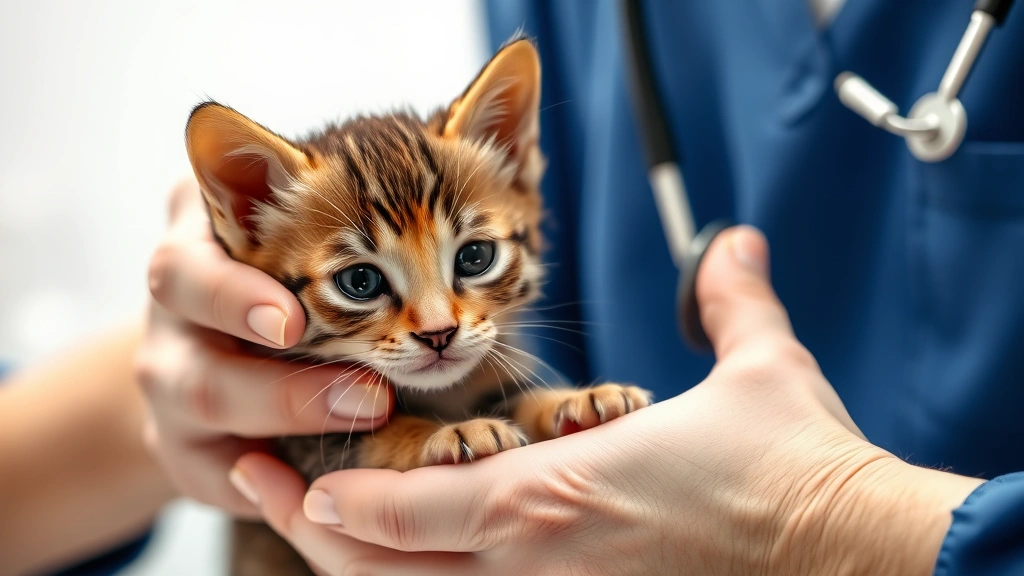
Your vet may recommend several diagnostic tools to identify the cause of your kitten’s cough. A physical examination is always the first step, allowing your vet to listen to your kitten’s lungs and assess their overall health.
Depending on what they find, additional tests like X-rays, bloodwork, or cultures may be recommended. These tools help rule out serious conditions and confirm the diagnosis so treatment can begin immediately.
Essential Treatment Approaches for Kitten Coughing
Treatment varies based on the underlying cause, but here are seven approaches your vet may recommend:
1. Supportive Care and Rest
For mild viral infections, supportive care—including plenty of rest, hydration, and a comfortable environment—often helps kittens recover naturally. Keep your kitten warm and minimize stress during this time.
2. Humidity and Environmental Management
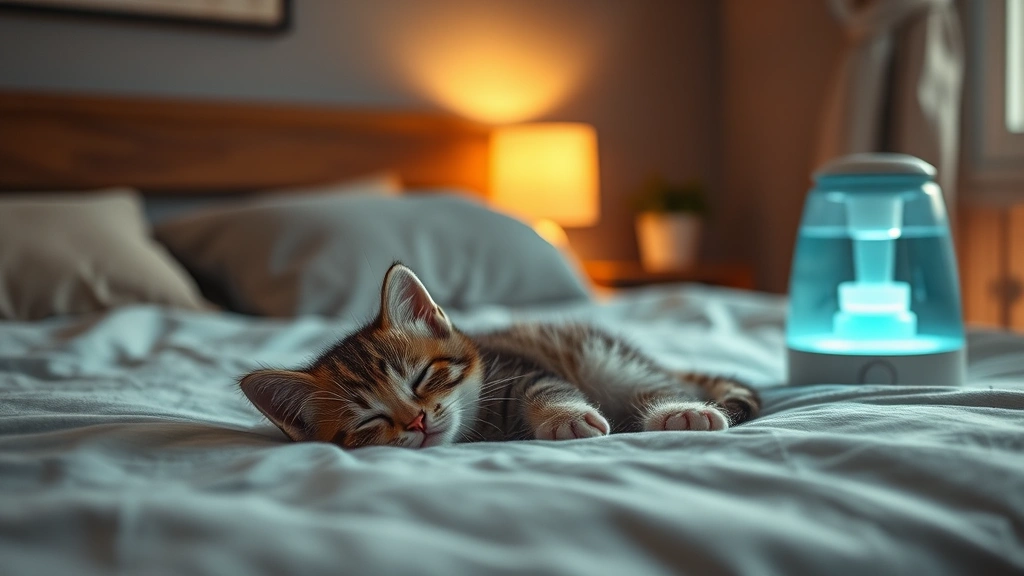
Increasing humidity in your home can ease respiratory discomfort. Running a humidifier or allowing your kitten to spend time in a steamy bathroom may help loosen secretions and soothe inflamed airways.
3. Nutritional Support
A healthy diet rich in essential nutrients supports your kitten’s immune system. Your vet may recommend specific foods or supplements to boost recovery, especially if your kitten isn’t eating well.
4. Parasite Treatment
If parasites are the culprit, your vet will prescribe appropriate treatment. Regular parasite prevention is also essential for keeping your kitten healthy long-term.
5. Anti-Inflammatory Therapy
For conditions like asthma or allergies, anti-inflammatory approaches may help reduce airway inflammation and ease coughing. Your vet will discuss the best options for your kitten’s specific situation.
6. Infection Management
If a bacterial infection is present, your vet may recommend specific treatments to address it. Always follow your vet’s guidance on any prescribed care regimen.
7. Long-Term Monitoring
Some conditions require ongoing monitoring to ensure your kitten stays healthy. Regular check-ins with your vet help catch any recurring issues early.
Can You Talk to a Vet Online About Kitten Coughing?
Absolutely. Many pet owners find that talking to a vet about kitten coughing online is a convenient first step. A telehealth consultation allows you to describe your kitten’s symptoms from home and get professional guidance without the stress of a clinic visit.
If you’re unsure whether your pet needs urgent care, a quick telehealth check-in can give you peace of mind—no appointment needed. Your vet can assess whether an in-person exam is necessary or if initial treatment can begin remotely.
At-Home Care Tips While Waiting for Vet Guidance
While you arrange a veterinary consultation, there are gentle steps you can take to support your kitten’s comfort:
- Ensure your kitten has access to fresh, clean water at all times.
- Provide a quiet, warm space away from other pets if possible.
- Avoid smoke, strong perfumes, and other respiratory irritants.
- Monitor eating, drinking, and litter box habits closely.
- Keep detailed notes on coughing patterns to share with your vet.
- Avoid giving any over-the-counter medications without veterinary approval.
These simple measures can ease your kitten’s discomfort while you await professional guidance.
Prevention: Keeping Your Kitten’s Lungs Healthy
Once your kitten recovers, prevention becomes key. Keep your kitten’s vaccinations current, maintain a clean living environment, and ensure regular parasite prevention. A healthy diet and stress-free home also support strong respiratory health.
If your kitten has asthma or allergies, work with your vet to identify and minimize triggers. Consistency in care makes a huge difference in preventing future episodes.
Frequently Asked Questions
Is kitten coughing always serious?
Not always. While some causes are minor, any cough lasting more than a few days deserves veterinary attention to rule out serious conditions and ensure proper treatment.
Can I give my kitten cough medicine from the store?
No. Over-the-counter cough medications can be harmful to kittens. Always ask your vet before giving any medication, even those marketed for pets.
How long does it take for a kitten’s cough to improve?
Recovery time depends on the cause. Mild viral infections may resolve in 1-2 weeks with supportive care, while other conditions may require longer treatment.
Should I isolate my coughing kitten from other pets?
If the cough is due to a contagious infection, isolation can prevent spread to other animals. Your vet will advise whether this is necessary based on the diagnosis.
What’s the difference between a kitten cough and a sneeze?
Sneezing is usually a reflex response to irritation, while coughing often signals deeper airway or lung involvement. Frequent coughing warrants veterinary evaluation more urgently than occasional sneezing.
What To Do Now
- Schedule a veterinary consultation: Contact your vet today or use a telehealth service to describe your kitten’s cough and get professional guidance on next steps.
- Document symptoms: Write down when your kitten coughs, what the cough sounds like, and any other symptoms you’ve noticed to share with your vet.
- Create a comfortable environment: Set up a quiet, warm space with a humidifier to ease your kitten’s respiratory discomfort while you wait for veterinary care.
- Monitor closely: Keep track of your kitten’s eating, drinking, energy levels, and breathing to report any changes to your vet.
- Avoid self-treatment: Don’t give medications or remedies without veterinary approval, as some can harm young kittens.
Summary
A coughing kitten deserves prompt veterinary attention, and asking your vet about kitten coughing is the first step toward getting answers and relief. Whether the cause is a mild infection, asthma, allergies, or parasites, early diagnosis and treatment lead to better outcomes.
Remember, you know your kitten best. Trust your instincts, reach out to your vet when something feels off, and don’t hesitate to use convenient options like telehealth consultations. With proper care and attention, most kittens recover beautifully and go on to live healthy, happy lives. Your kitten is lucky to have a caring owner who’s paying attention to their health.