
If you’re wondering whether you should ask a vet about kitten diarrhea, the answer is yes—especially if it’s lasted more than a day or two. Diarrhea in kittens can be alarming for new pet parents, but the good news is that many cases are manageable once you understand what’s happening and take the right steps.
Table of Contents
- Why Your Kitten Might Have Diarrhea
- When to Ask Your Vet About Kitten Diarrhea Right Away
- Information to Gather Before You Call
- Dietary Solutions and Adjustments
- Hydration: A Critical Factor
- Home Care Tips While Waiting for Your Vet Appointment
- When Telehealth Can Help
- Common Causes Your Vet Will Investigate
- Prevention Tips for Future Digestive Health
- Frequently Asked Questions
- What To Do Now
- Summary
This article is for informational purposes only and is not a substitute for professional veterinary advice. Always consult a licensed veterinarian for diagnosis and treatment.
Kittens have sensitive digestive systems, and loose stools can develop for reasons ranging from dietary changes to infections. The key is recognizing when it’s time to reach out to a veterinarian and what information to have ready when you do. Let’s walk through what you need to know.
Why Your Kitten Might Have Diarrhea
Diarrhea in kittens often stems from dietary issues. If you’ve recently switched kitten food brands or introduced new treats, the sudden change can upset their digestive balance. Young cats have developing digestive systems that need time to adjust.
Stress and environmental changes also play a role. Moving to a new home, introducing a new pet, or loud noises can trigger loose stools in sensitive kittens. Catching this early puts you in a great position to help your kitten feel better quickly.
Parasites are another common culprit, particularly in kittens under six months old. Even indoor kittens can pick up parasites from contaminated surfaces or their mother. Infections caused by bacteria or viruses may also be responsible.
When to Ask Your Vet About Kitten Diarrhea Right Away
Some situations require immediate veterinary attention. If your kitten shows signs of lethargy, vomiting, fever, or blood in the stool, don’t wait—reach out to your vet or an emergency clinic immediately.
Kittens dehydrate quickly, which makes diarrhea more serious in young cats than in adults. Watch for signs like dry gums, sunken eyes, or a lack of skin elasticity. If diarrhea lasts more than two to three days or worsens, it’s time to contact your veterinarian.
Additionally, if your kitten seems in pain, stops eating, or the diarrhea is explosive or extremely frequent, don’t hesitate to reach out. Your vet can determine whether urgent care is needed.
Information to Gather Before You Call
When you ask your vet about kitten diarrhea, having details ready makes the conversation more productive. Note when the diarrhea started, how many times per day it’s occurring, and what the stool looks like—color, consistency, and whether there’s any mucus or blood.
Document any recent changes: new food, treats, medications, or household stress. Has your kitten been around other animals? Are there any other symptoms like vomiting, lethargy, or appetite changes?
Keep track of your kitten’s water intake and bathroom habits. This information helps your vet narrow down potential causes quickly. If possible, take a photo of the stool (yes, really!) to show your veterinarian—it can be surprisingly helpful for diagnosis.
Dietary Solutions and Adjustments
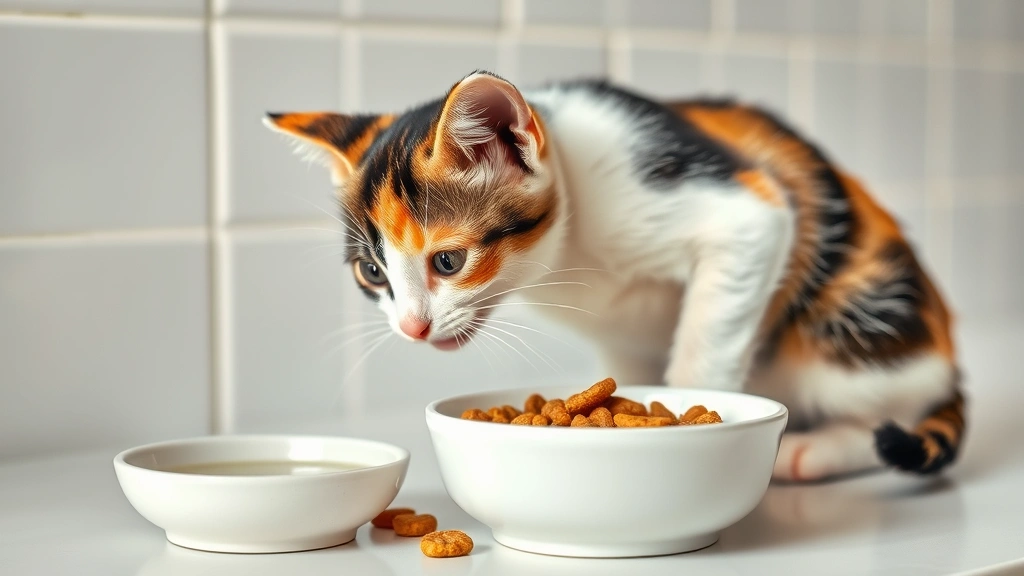
If your kitten recently switched foods, a gradual transition is essential. Mix the old food with the new food over 7-10 days, slowly increasing the proportion of new food. This gives the digestive system time to adapt.
Once you’ve consulted with your vet, they may recommend a temporary bland diet. High-quality, easily digestible foods can help settle an upset stomach. Always follow your veterinarian’s specific recommendations for your kitten.
Avoid giving your kitten human foods, dairy products (most cats are lactose intolerant), or fatty treats while dealing with diarrhea. Stick to their regular kitten formula until symptoms resolve and your vet gives the all-clear.
Hydration: A Critical Factor
Keeping your kitten hydrated is one of the most important things you can do during a bout of diarrhea. Offer fresh water frequently, and consider using a cat water fountain—many kittens prefer running water and drink more from it.
Some vets recommend adding a small amount of low-sodium bone broth to water to encourage drinking, but always check with your veterinarian first. Wet food also contributes to hydration, which is another reason your vet might suggest dietary adjustments.
Monitor your kitten’s water intake closely. If they’re not drinking enough or showing signs of dehydration, contact your vet immediately. In some cases, subcutaneous fluids may be necessary.
Home Care Tips While Waiting for Your Vet Appointment
Keep your kitten’s litter box clean and easily accessible. Change it more frequently than usual, and consider adding an extra box in case your kitten needs quick access. A clean environment reduces stress and helps you monitor stool consistency.
Here are practical steps you can take right now:
- Ensure fresh water is available at all times in multiple locations
- Keep your kitten in a quiet, comfortable space away from stressors
- Maintain consistent room temperature—stress from cold can worsen symptoms
- Wash your hands frequently and keep your kitten’s food and water bowls separate from other pets
- Document symptoms daily to share with your vet
Avoid using any over-the-counter medications without veterinary guidance. What works for humans or adult cats may not be safe for kittens.
When Telehealth Can Help
If you’re unsure whether your kitten needs urgent care, a quick telehealth check-in can give you peace of mind—no appointment needed. Services like The Pet Vet allow you to describe symptoms and get professional guidance from a licensed veterinarian without leaving home.
Telehealth is particularly helpful for initial assessments, follow-up questions, or situations where you want a second opinion. Your vet can determine whether an in-person exam is necessary or if home care and monitoring are sufficient.
Many kitten owners find that a quick virtual consultation helps them feel more confident in their care decisions. You can ask your vet about kitten diarrhea on your schedule, making pet care more accessible.
Common Causes Your Vet Will Investigate
Your veterinarian may test for parasites, which are incredibly common in kittens. A fecal exam can identify worms or protozoa like giardia. If parasites are present, appropriate treatment is straightforward and highly effective.
Bacterial or viral infections require different approaches. Your vet might recommend supportive care, specific medications, or dietary adjustments depending on the underlying cause. Some infections resolve on their own with proper care.
Food sensitivities or allergies can also trigger diarrhea. If this is suspected, your vet may recommend a limited ingredient diet or elimination diet to identify the culprit. This process takes time but provides long-term solutions.
For more information on gastrointestinal health, check out our guide on dog gastrointestinal issues, which covers similar digestive principles applicable to kittens. You might also explore our resource on kitten vomiting if your kitten is experiencing multiple digestive symptoms.
Prevention Tips for Future Digestive Health
Once your kitten recovers, focus on prevention. Maintain a consistent, high-quality kitten diet appropriate for their age and health status. Avoid sudden food changes, and introduce new foods gradually over a week or more.
Keep your kitten’s environment stable and stress-free. Regular play, a consistent routine, and a safe space all contribute to digestive wellness. Ensure your kitten is up-to-date on vaccinations and parasite prevention—both recommended by your veterinarian.
Regular vet check-ups catch potential issues early. Your kitten should visit the vet multiple times during their first year, and these appointments are perfect opportunities to discuss digestive health and ask about kitten diarrhea prevention.
Frequently Asked Questions
How long is too long for kitten diarrhea?
Diarrhea lasting more than two to three days warrants a vet visit. Kittens dehydrate quickly, so don’t wait if symptoms persist or worsen.
Can I give my kitten over-the-counter medicine for diarrhea?
No—always consult your vet before giving any medication. What’s safe for humans or adult cats may be unsafe for kittens.
Is kitten diarrhea contagious to other pets?
It depends on the cause. Parasitic or infectious causes may spread, so practice good hygiene and keep your kitten separated until your vet confirms it’s safe.
What should I feed a kitten with diarrhea?
Ask your vet for specific recommendations. They may suggest a bland, easily digestible diet temporarily, but the right choice depends on the underlying cause.
Can stress cause diarrhea in kittens?
Yes, environmental stress can trigger loose stools. Keep your kitten calm and comfortable while addressing the underlying cause with your vet.
What To Do Now
Take action today to help your kitten feel better:
- Schedule a vet appointment or telehealth consultation to ask your vet about kitten diarrhea—describe symptoms, recent changes, and how long it’s been occurring
- Start documenting your kitten’s symptoms daily, including stool appearance, frequency, appetite, and water intake
- Ensure fresh water is available at all times and monitor your kitten’s hydration closely
- Review your kitten’s recent diet and any food changes; prepare to discuss this with your vet
- Keep your kitten’s environment calm and stress-free while you work toward a solution
Summary
Diarrhea in kittens is common but shouldn’t be ignored. By reaching out to your veterinarian early and gathering important information about your kitten’s symptoms, you’re taking the right steps toward recovery. Most cases of kitten diarrhea are manageable once the underlying cause is identified.
Whether it’s a dietary adjustment, parasite treatment, or supportive care, your vet has the expertise to guide you. In the meantime, focus on keeping your kitten hydrated, comfortable, and stress-free. You’ve got this, and your kitten will be back to their playful self soon.
If you have any concerns or want immediate guidance, don’t hesitate to reach out to your veterinarian or try a telehealth consultation. Your kitten’s health is worth the peace of mind, and professional support is just a click or call away.