
If your kitten is scratching more than usual, it’s natural to worry—and asking a vet about kitten itching is one of the smartest steps you can take as a pet parent. Excessive scratching, biting, or licking in kittens can signal anything from fleas and allergies to skin infections or environmental sensitivities, and catching the cause early makes all the difference.
Table of Contents
- Why Your Kitten May Be Itching More Than Normal
- The Importance of Asking Your Vet About Kitten Itching Early
- Solution 1: Flea and Parasite Prevention
- Solution 2: Addressing Ear Mites and Ear Infections
- Solution 3: Nutritional Support and Allergy Management
- Solution 4: Environmental Control and Allergen Reduction
- Solution 5: Medicated Baths and Topical Treatments
- Solution 6: Stress Reduction and Enrichment
- Solution 7: Regular Monitoring and Follow-Up Care
- When to Seek Urgent Veterinary Care
- How The Pet Vet Can Help
- Key Takeaways: What to Discuss With Your Vet
- Frequently Asked Questions
- What To Do Now
- Final Thoughts: Your Kitten’s Comfort Matters
This article is for informational purposes only and is not a substitute for professional veterinary advice. Always consult a licensed veterinarian for diagnosis and treatment.
The good news? Most itching issues in kittens are highly treatable once you understand what’s triggering them. In this guide, we’ll walk through the most common causes of kitten itching, what your vet will look for, and seven proven relief strategies you can discuss with your veterinarian right away.
Why Your Kitten May Be Itching More Than Normal
Kittens explore the world with their paws and mouths, which puts them at higher risk for picking up parasites, allergens, and irritants. Unlike adult cats, their immune systems are still developing, making them more susceptible to skin issues.
Common culprits include flea infestations (even a single flea can trigger itching), ear mites, ringworm, food allergies, environmental allergies, and dry skin. Some kittens also experience itching from stress or changes in their living environment.
The key is not to ignore the scratching. Persistent itching can lead to secondary skin infections if your kitten breaks the skin while scratching. Catching this early puts you in a great position to help your kitten feel comfortable again.
The Importance of Asking Your Vet About Kitten Itching Early
Your veterinarian has the diagnostic tools and expertise to pinpoint exactly what’s causing your kitten’s discomfort. A vet will perform a physical exam, check for parasites, and may recommend skin scrapings or fungal cultures if needed.
Early intervention prevents complications like hot spots, bacterial infections, and chronic skin conditions. Plus, your vet can rule out serious issues and give you peace of mind. If you’re unsure whether your kitten needs urgent care, a quick telehealth check-in can give you peace of mind—no appointment needed.
Solution 1: Flea and Parasite Prevention
Fleas are the #1 cause of itching in kittens, and they multiply rapidly. Your vet will recommend age-appropriate flea prevention products that are safe for young kittens.
Modern preventatives come in several forms: topical treatments applied to the skin, oral medications, and flea collars. Your vet will choose based on your kitten’s age, weight, and health status. Even indoor kittens can get fleas from other pets, wildlife, or contaminated bedding.
Once your kitten is on a flea prevention plan, itching often improves within days. Consistency is crucial—follow your vet’s dosing schedule exactly as prescribed.
Solution 2: Addressing Ear Mites and Ear Infections
Ear mites are tiny parasites that cause intense itching, head shaking, and dark debris in the ears. If your kitten is scratching at the ears frequently or you notice a waxy discharge, ear mites may be the culprit.
Your vet can diagnose ear mites with an otoscope and prescribe medicated ear drops or systemic treatments. Ear infections from bacteria or yeast can also cause similar symptoms, so professional diagnosis is essential.
Treatment typically takes 2–4 weeks, and your vet may recommend follow-up visits to ensure complete resolution. Catching ear issues early prevents painful complications.
Solution 3: Nutritional Support and Allergy Management
Food allergies and sensitivities can trigger itching in kittens, often showing up as skin irritation, excessive grooming, or digestive upset. Common allergens include beef, dairy, and certain grains.
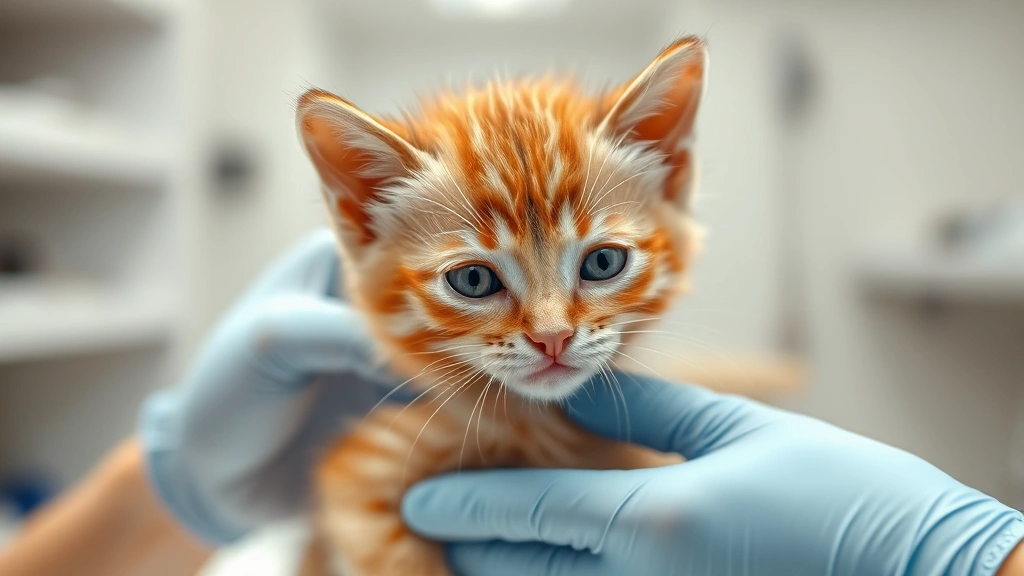
Your vet may recommend an elimination diet or a limited-ingredient kitten food to identify triggers. Additionally, feeding for immune support with high-quality proteins and omega fatty acids can strengthen your kitten’s skin barrier and reduce inflammatory responses.
Omega-3 and omega-6 fatty acids from fish oil or flaxseed may be suggested to support skin health. Always discuss supplements with your vet before adding them to your kitten’s diet.
Solution 4: Environmental Control and Allergen Reduction
Environmental allergens—dust, pollen, mold, and household chemicals—can irritate sensitive kitten skin. Reducing exposure is a simple but effective relief strategy.
Consider these steps:
- Use hypoallergenic or fragrance-free litter and clean the litter box daily.
- Wash bedding weekly in unscented detergent.
- Minimize exposure to perfumes, air fresheners, and cleaning products.
- Keep humidity levels moderate (30–50%) to prevent dry skin.
- Ensure good ventilation to reduce dust and mold buildup.
Small changes in your kitten’s environment can have a big impact on comfort levels.
Solution 5: Medicated Baths and Topical Treatments
Medicated shampoos and conditioners can soothe inflamed skin and reduce itching. Your vet may prescribe a specific formulation if ringworm or bacterial skin infections are present.
Oatmeal-based or hypoallergenic shampoos are gentle options for sensitive kittens. Bathe your kitten only as recommended by your vet—too-frequent bathing can strip natural oils and worsen dryness.
After bathing, pat your kitten dry thoroughly and keep them warm. Some kittens dislike baths, so start slowly and use positive reinforcement.
Solution 6: Stress Reduction and Enrichment
Stress and anxiety can trigger or worsen itching in kittens. A kitten that feels unsafe or under-stimulated may overgroom or scratch excessively as a self-soothing behavior.
Provide plenty of:
- Interactive toys and play sessions (15–20 minutes, 2–3 times daily).
- Safe hiding spots and vertical spaces to climb.
- Consistent routines and calm handling.
- Pheromone diffusers (like Feliway) to reduce anxiety.
A mentally stimulated, relaxed kitten is less likely to develop stress-related itching. Your vet can also discuss whether calming supplements or products might help.
Solution 7: Regular Monitoring and Follow-Up Care
Once you’ve started treatment, consistent monitoring ensures your kitten is improving. Keep track of scratching frequency, skin appearance, and any new symptoms.
Schedule follow-up appointments as your vet recommends. Some conditions require repeat treatments or medication adjustments. Regular check-ins also help catch any secondary infections early.
Document what works and what doesn’t—this information helps your vet fine-tune the treatment plan. Many itching issues resolve within 2–4 weeks with proper care.
When to Seek Urgent Veterinary Care
Contact your vet immediately if your kitten shows signs of severe skin infection, such as open sores, pus, swelling, or fever. If itching is so intense that your kitten can’t sleep or eat, urgent care is warranted.
Sudden onset of itching accompanied by vomiting, diarrhea, or difficulty breathing may indicate an allergic reaction requiring emergency treatment. Don’t wait—call your vet right away.
How The Pet Vet Can Help
If you’re unsure whether your kitten’s itching needs immediate attention, talking to a vet about cat skin rash online is a convenient first step. Our telehealth platform connects you with licensed veterinarians who can assess your kitten’s symptoms, recommend diagnostics, and suggest relief strategies—all from home.
Telehealth is especially helpful for initial consultations, follow-up check-ins, and medication refills. If your kitten needs an in-person exam or advanced diagnostics, your vet will recommend a local clinic.
Key Takeaways: What to Discuss With Your Vet
When you ask your vet about kitten itching, be prepared to share:
- When the itching started and how severe it is.
- What areas of the body are affected.
- Any other symptoms (hair loss, scabs, discharge, behavioral changes).
- Your kitten’s diet and any recent food changes.
- Current flea and parasite prevention status.
- Any household changes or new products introduced.
This information helps your vet narrow down the cause and recommend the most effective treatment plan. Additionally, discuss whether your kitten needs bloodwork, skin cultures, or other diagnostic tests.
Frequently Asked Questions
Is it normal for kittens to itch occasionally?
Light scratching is normal, but persistent or frequent itching—especially if accompanied by hair loss or skin changes—warrants a vet visit. When in doubt, ask your vet for guidance.
How long does it take for itching to improve after treatment?
Most kittens show improvement within 1–2 weeks of starting treatment, though complete resolution may take 4 weeks or longer depending on the cause. Follow your vet’s recommendations consistently.
Can I use human anti-itch products on my kitten?
Never use human products without explicit veterinary approval. Many contain ingredients unsafe for kittens. Always ask your vet before applying anything to your kitten’s skin.
What if my kitten is allergic to flea prevention?
If your kitten reacts to a flea prevention product, stop use immediately and contact your vet. Alternative formulations or brands are often available that your kitten may tolerate better.
Should I bathe my itchy kitten?
Bathing can help if recommended by your vet, especially with medicated shampoo. However, over-bathing can worsen dry skin, so follow your vet’s guidance on frequency.
What To Do Now
- Schedule a veterinary appointment or telehealth consultation to discuss your kitten’s itching. Bring notes on when it started, affected areas, and any other symptoms.
- Review your kitten’s current flea and parasite prevention—ensure it’s age-appropriate and up-to-date. Ask your vet if a stronger or different product is needed.
- Evaluate your home environment for potential allergens or irritants. Consider switching to hypoallergenic litter and fragrance-free cleaning products.
- Start a symptom journal tracking scratching frequency, skin changes, and your kitten’s behavior. Share this with your vet at the appointment.
- If your kitten shows signs of infection (open sores, swelling, pus) or severe distress, contact your vet immediately or visit an emergency clinic.
Final Thoughts: Your Kitten’s Comfort Matters
Itching can be frustrating for both you and your kitten, but the good news is that most causes are highly treatable. By asking your vet about kitten itching promptly and following their recommended treatment plan, you’re taking the best possible care of your furry friend.
Remember, your kitten can’t tell you what’s wrong—you’re their advocate. Trust your instincts, ask questions, and work closely with your vet to find relief. Whether it’s parasites, allergies, or environmental factors, there’s almost always a solution. Your kitten will thank you with purrs and playfulness once the itching is under control.