
When you notice your kitten limping, it’s natural to feel worried—but knowing when and how to ask vet about kitten limping can make all the difference in getting your little one the care they need quickly.
Table of Contents
- Why Your Kitten Might Be Limping
- Common Reasons for Kitten Limping
- When to Ask Your Vet About Kitten Limping
- How to Describe the Limping to Your Veterinarian
- Getting a Telehealth Consultation for Your Kitten
- 5 Essential Steps to Help Your Limping Kitten
- What Your Vet Will Likely Do
- Treatment Options for Kitten Limping
- Preventing Future Limping Issues
- Frequently Asked Questions
- What To Do Now
- Summary: Taking the Right Steps for Your Kitten
This article is for informational purposes only and is not a substitute for professional veterinary advice. Always consult a licensed veterinarian for diagnosis and treatment.
Why Your Kitten Might Be Limping
Limping in kittens can stem from many different causes, ranging from minor to more serious. Your kitten could be experiencing anything from a small thorn in their paw to a sprain or fracture. Young kittens are naturally curious and playful, which sometimes leads to minor injuries during their explorations.
The good news? Catching this early puts you in a great position to help your kitten recover quickly and comfortably. Most limping issues in kittens respond well to prompt veterinary attention.
Common Reasons for Kitten Limping
Understanding what might be causing your kitten’s limping can help you describe the situation more clearly to your vet. Here are some of the most common culprits:
- Paw injuries: Thorns, splinters, or cuts from sharp objects
- Sprains or strains: Overstretching during play or jumping
- Fractures: Breaks from falls or accidents
- Growing pains: Discomfort during rapid growth phases
- Infections: Abscesses or infected wounds
- Joint issues: Early signs of developmental orthopedic disease
- Muscle soreness: Overexertion from play
Each of these conditions requires different approaches, which is exactly why a veterinary evaluation is so important.
When to Ask Your Vet About Kitten Limping
Not every limp requires an emergency visit, but knowing the difference helps you respond appropriately. You should seek immediate veterinary attention if your kitten is unable to bear weight on the limb, shows signs of severe pain, has a visibly swollen or deformed leg, or if the limping started after a fall or accident.
If your kitten is still moving around somewhat normally but limping noticeably, you have a bit more time to schedule a regular appointment. However, don’t wait too long—ideally within 24 hours. Prompt care prevents complications and keeps your kitten more comfortable.
How to Describe the Limping to Your Veterinarian
When you talk to your vet, specific details matter tremendously. Note which leg is affected and whether your kitten is completely avoiding it or just putting less weight on it. Observe whether the limping is constant or comes and goes, and whether it seems worse after activity or rest.
Also pay attention to any other signs: is your kitten licking or chewing at the leg, are there visible wounds or swelling, and has your kitten’s behavior changed otherwise? These observations help your vet narrow down the cause much faster.
Getting a Telehealth Consultation for Your Kitten
If you’re unsure whether your kitten needs urgent in-person care, a quick telehealth check-in can give you peace of mind—no appointment needed. Through The Pet Vet’s online platform, you can connect with a licensed veterinarian from home and describe what you’re observing. Your vet can help you determine if an in-person exam is necessary or provide initial guidance.

This approach is especially helpful if you’re dealing with a minor limp and want professional reassurance before committing to a clinic visit. Many kitten limping cases can be evaluated initially through video, saving you time and reducing stress for your kitten.
5 Essential Steps to Help Your Limping Kitten
Here’s a practical action plan to support your kitten while you arrange veterinary care:
- Limit activity: Keep your kitten in a quiet, comfortable space and discourage jumping or running. A smaller room or crate setup helps restrict movement while healing begins.
- Check the paw: Gently examine the affected leg and paw for visible injuries, splinters, or swelling. If you find something like a thorn, you might carefully remove it, but don’t force anything.
- Keep it clean: If there’s a visible wound, gently clean it with warm water. Avoid applying any medications unless your vet recommends them specifically.
- Monitor closely: Track any changes in your kitten’s condition, pain level, appetite, and bathroom habits. This information is valuable for your vet.
- Schedule a vet visit: Contact your veterinarian or use a telehealth service to get professional eyes on the problem as soon as possible.
These steps are supportive measures while you wait for professional evaluation—they’re not replacements for veterinary care.
What Your Vet Will Likely Do
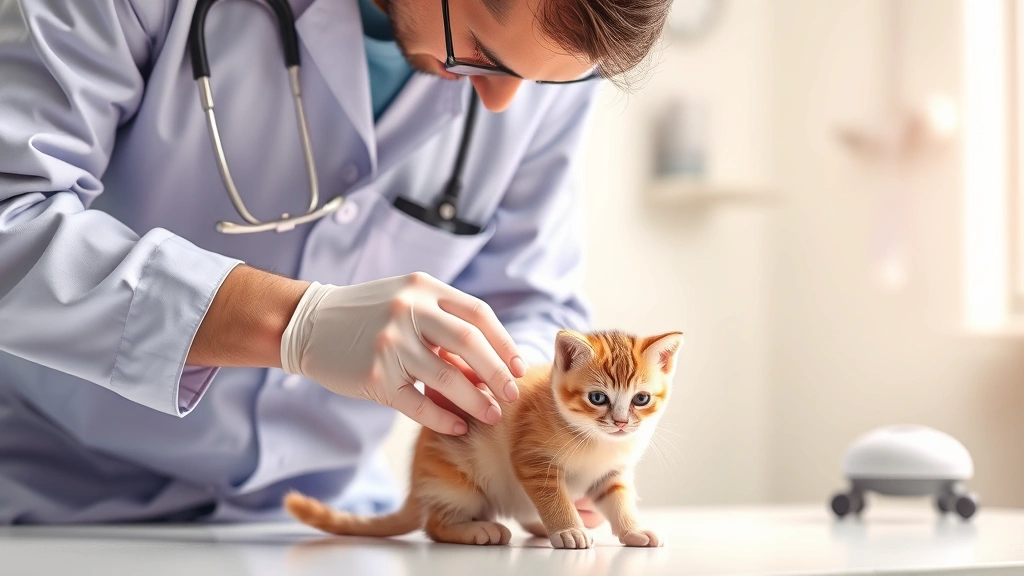
During an examination, your veterinarian will perform a physical assessment of the affected limb, checking for pain, swelling, range of motion, and any structural abnormalities. They may gently manipulate the leg to identify where the problem lies.
Depending on what they find, your vet might recommend X-rays or other diagnostic imaging to get a clearer picture. This helps rule out fractures or other internal issues that aren’t visible to the naked eye. Once they’ve identified the cause, they’ll discuss treatment options tailored to your kitten’s specific situation.
Treatment Options for Kitten Limping
Treatment depends entirely on what’s causing the limp. Minor sprains often improve with rest and activity restriction over a week or two. Infected wounds may require cleaning and supportive care to prevent complications. Fractures typically need stabilization through splinting or casting.
Your vet will explain what recovery looks like for your kitten’s particular issue. Some cases resolve quickly with home care, while others require follow-up visits or additional support. The important thing is getting an accurate diagnosis so you know exactly what your kitten needs.
Preventing Future Limping Issues
While you can’t eliminate all risks, you can reduce them. Provide a safe play environment free from hazards like sharp objects or unstable furniture. Supervise playtime, especially with young kittens who are still learning about their bodies and surroundings.
Regular veterinary check-ups catch developing issues early. As your kitten grows, your vet can monitor for any signs of joint problems or other conditions that might affect mobility. Proper nutrition also supports healthy bone and muscle development during these crucial growth years.
Frequently Asked Questions
How long should I wait before calling the vet about my kitten’s limp?
If the limp is mild and your kitten is otherwise acting normally, you can schedule a regular appointment within 24 hours. If your kitten can’t bear weight or seems to be in pain, contact your vet immediately or seek emergency care.
Can I give my kitten pain relief at home?
Never give your kitten over-the-counter pain medication without veterinary guidance—many human medications are dangerous for cats. Your vet will recommend safe options if pain management is needed.
Is limping in kittens always serious?
Not always. Many cases of kitten limping are minor and resolve with rest, but some do require professional treatment. That’s why a vet evaluation is important—it rules out serious issues and gives you a clear path forward.
Can I use a telehealth vet to diagnose my kitten’s limp?
Telehealth is great for initial assessment and determining urgency. Your vet can often tell if an in-person exam with physical palpation or imaging is necessary. If your kitten needs X-rays, you’ll need to visit a clinic, but telehealth helps you make that decision faster.
What if my kitten’s limp doesn’t improve after a few days?
Contact your vet again. If you haven’t had an in-person exam yet, schedule one. If your kitten has been examined and the limp persists beyond the expected recovery time, your vet may want to reassess or consider other causes.
What To Do Now
- Examine your kitten’s affected leg gently for any visible injuries, swelling, or foreign objects.
- Restrict your kitten’s activity by keeping them in a quiet, comfortable space away from jumping or rough play.
- Contact your veterinarian or use The Pet Vet’s telehealth service to schedule an evaluation—either online for initial assessment or in-person if needed.
- Keep detailed notes about when the limping started, which leg is affected, and any other behavioral changes you’ve noticed.
- Avoid applying any medications or treatments without veterinary approval, and don’t attempt to splint or bandage the leg yourself unless instructed.
Summary: Taking the Right Steps for Your Kitten
Noticing your kitten limping understandably triggers concern, but you’re already doing the right thing by seeking information. When you ask vet about kitten limping, you’re taking an active role in your pet’s health and comfort. Most limping cases in kittens respond well to prompt, appropriate care.
The key is acting quickly without panicking. Use the steps outlined here to observe and support your kitten while you arrange professional evaluation. Whether through a traditional clinic visit or a convenient telehealth consultation, getting your kitten examined soon will give you answers and peace of mind.
Your kitten is counting on you, and reaching out to a veterinarian is exactly the right move. With proper care, most young kittens bounce back from limping issues and return to their playful, energetic selves in no time.
For similar concerns, you might also find it helpful to learn about how to approach puppy limping or explore discussing dog limping with a vet online. And if your kitten shows other concerning signs, our guides on cat not eating or kitten panting may provide additional insights.