
If you’ve noticed your kitten panting and you’re wondering whether to ask vet about kitten panting, you’re already on the right track—your concern shows how much you care. Kittens don’t pant the way dogs do, so when you see your little one breathing heavily with an open mouth, it’s natural to feel worried. The good news is that understanding what’s normal and what isn’t can help you respond quickly and confidently.
Table of Contents
- Why Kitten Panting Isn’t Always Normal
- The 7 Essential Warning Signs You Should Monitor
- Common Causes of Kitten Panting
- When to Ask Your Vet Right Away
- How to Prepare Information for Your Vet Visit
- Telehealth Options for Quick Guidance
- Breathing Rate: What’s Normal for Kittens?
- Creating a Calm Environment to Reduce Stress-Related Panting
- Understanding Diagnostic Tests Your Vet May Recommend
- The Importance of Early Intervention
- Frequently Asked Questions
- What To Do Now
- Summary: Taking Action on Kitten Panting
This article is for informational purposes only and is not a substitute for professional veterinary advice. Always consult a licensed veterinarian for diagnosis and treatment.
Why Kitten Panting Isn’t Always Normal
Kittens are tiny bundles of energy, but they shouldn’t be panting during everyday activities. Unlike dogs, cats have a much more efficient cooling system and rarely need to pant to regulate body temperature. When a kitten pants, it often signals that something needs attention—whether that’s overexertion, stress, or an underlying health concern.
The key difference is context. A kitten panting after vigorous play for 30 seconds might settle down quickly. But prolonged panting, panting at rest, or panting accompanied by other symptoms deserves veterinary evaluation.
The 7 Essential Warning Signs You Should Monitor
Here are the critical warning signs that warrant a conversation with your vet:
- Panting at rest or during calm activities – If your kitten is panting while sitting still or sleeping, this is abnormal and should be evaluated.
- Rapid, shallow breathing – Breathing that seems faster than normal, even when your kitten is relaxed, could indicate respiratory distress.
- Lethargy or decreased activity – A kitten that pants and seems unusually tired or uninterested in play may be experiencing fatigue from an underlying condition.
- Pale or bluish gums – Gum color reflects oxygen circulation. Pale or blue-tinged gums alongside panting suggest poor oxygenation.
- Wheezing, coughing, or unusual sounds – Any respiratory noise paired with panting warrants prompt veterinary attention.
- Loss of appetite or difficulty eating – A panting kitten that refuses food or seems to struggle eating may be in distress.
- Drooling or open-mouth breathing during sleep – Excessive drooling or mouth-breathing while resting is not typical kitten behavior.
Catching these signs early puts you in a great position to help your kitten get the care they need quickly.
Common Causes of Kitten Panting
Understanding potential causes can help you communicate better with your veterinarian. Several conditions may be responsible for your kitten’s panting, ranging from minor to serious.
Overheating or Environmental Stress – Kittens left in warm rooms without adequate ventilation may pant as they try to cool down. Similarly, stress from travel, loud noises, or unfamiliar environments can trigger temporary panting.
Respiratory Infections – Upper respiratory infections, bronchitis, or pneumonia are common in young kittens and can cause panting along with coughing and nasal discharge.
Heart Conditions – Congenital heart defects or acquired heart disease may cause panting as the heart struggles to pump oxygen efficiently. This is more serious and requires immediate evaluation.
Anemia – When a kitten doesn’t have enough red blood cells, their body compensates by breathing faster to deliver oxygen. Panting may be an early sign.
Hyperthyroidism or Metabolic Issues – Though less common in young kittens, metabolic disorders can increase breathing rate and cause panting.
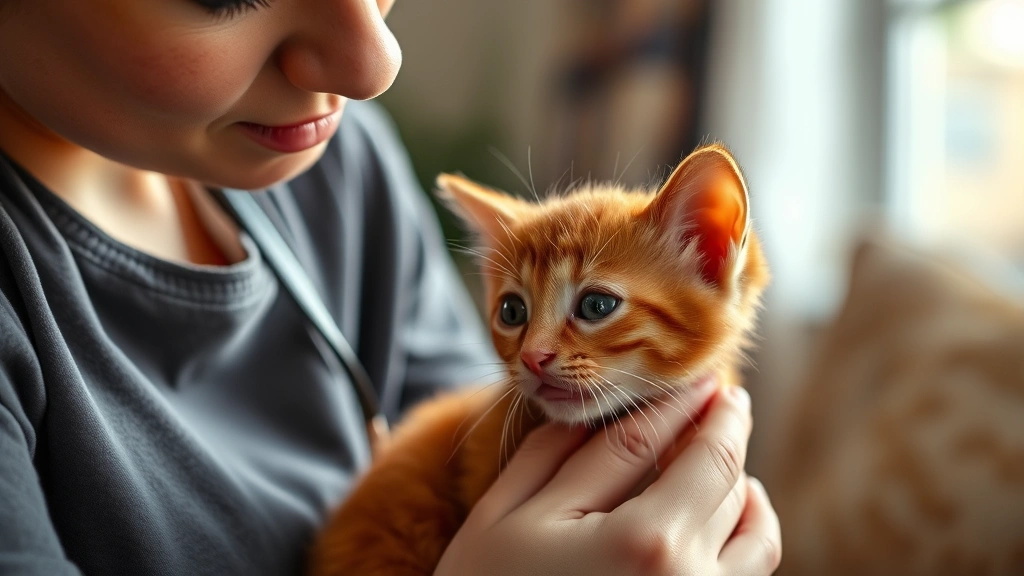
Asthma or Allergic Reactions – Feline asthma is surprisingly common and can cause panting, wheezing, and difficulty breathing, especially during or after activity.
When to Ask Your Vet Right Away
Some situations require immediate veterinary attention rather than waiting for a routine appointment. If your kitten is experiencing any of the following, reach out to your vet or emergency clinic without delay:
- Severe difficulty breathing or gasping for air
- Panting combined with collapse, fainting, or unresponsiveness
- Blue or severely pale gums
- Continuous panting that doesn’t improve with rest
- Panting accompanied by seizures or loss of consciousness
- Signs of choking or inability to swallow
Your quick action in these moments can make a real difference in your kitten’s outcome.
How to Prepare Information for Your Vet Visit
When you talk to a vet about panting online or schedule an in-person appointment, having detailed information ready helps your veterinarian make the best assessment. Document when the panting started, how long episodes last, and whether it happens during specific activities or times of day.
Note any other symptoms you’ve observed—changes in appetite, energy level, litter box habits, or behavior. Include your kitten’s age, weight, vaccination status, and any recent illnesses or injuries. This context helps your vet narrow down possibilities and prioritize testing.
Take a short video of your kitten panting if possible. This visual record can be invaluable, especially if you’re consulting with a vet online and the panting isn’t happening during your call.
Telehealth Options for Quick Guidance
If you’re unsure whether your kitten’s panting requires urgent care or if you want professional reassurance without leaving home, telehealth veterinary services offer a practical solution. A vet can review your kitten’s symptoms, ask detailed questions, and recommend whether an in-person exam is necessary.
If you are unsure whether your pet needs urgent care, a quick telehealth check-in can give you peace of mind — no appointment needed. This approach is especially helpful during evenings, weekends, or when you want to avoid stressing your kitten with a car ride.
Breathing Rate: What’s Normal for Kittens?
Knowing normal kitten breathing helps you recognize when something’s off. A healthy resting kitten typically breathes 20–30 times per minute. You can count breaths by watching your kitten’s chest rise and fall for one minute while they’re calm and relaxed.
Breathing rates above 40 breaths per minute at rest, or any panting while resting, warrant veterinary evaluation. During play or activity, slightly elevated breathing is expected, but it should return to normal within a few minutes of rest.
Creating a Calm Environment to Reduce Stress-Related Panting
While you’re waiting for your vet appointment, environmental adjustments can help if stress or heat is contributing to panting. Keep your kitten in a cool, quiet space with access to fresh water. Provide hiding spots where your kitten feels safe, and minimize loud noises or sudden changes.
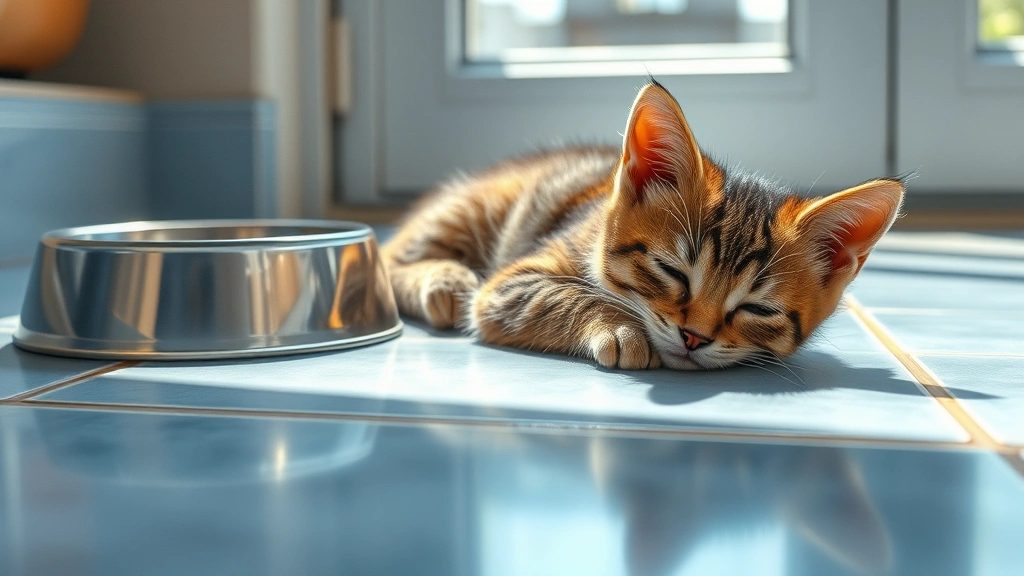
Avoid handling or playing with your kitten if they’re already panting. Let them rest in a comfortable position, and monitor them closely. These measures won’t solve underlying medical issues, but they can prevent panting from worsening due to stress.
Understanding Diagnostic Tests Your Vet May Recommend
Your veterinarian may suggest various tests to determine the cause of your kitten’s panting. A physical examination is always the first step, where your vet listens to your kitten’s heart and lungs, checks gum color, and assesses overall condition.
Beyond the exam, your vet might recommend chest X-rays to visualize the lungs and heart, blood work to check for anemia or infection, or an ultrasound to evaluate heart structure and function. These tools help identify conditions that aren’t visible during a physical exam alone.
The Importance of Early Intervention
Many conditions causing kitten panting respond well to early treatment. Whether it’s an infection that needs antibiotics, asthma that requires management, or a heart condition that benefits from medication, catching the problem early often leads to better outcomes.
Don’t hesitate to reach out to your vet with concerns. It’s far better to have a false alarm than to miss something important. Your veterinarian expects and welcomes these questions—they’re here to support your kitten’s health.
Frequently Asked Questions
Is it normal for kittens to pant after playing?
Brief panting immediately after vigorous play is normal and should resolve within a few minutes of rest. However, prolonged panting or panting during calm activities is not normal and warrants veterinary evaluation.
Could my kitten be panting because of heat?
Yes, overheating is a possible cause, especially if your kitten is in a warm environment without ventilation. Move your kitten to a cool space and provide water; if panting continues after 15 minutes of rest, contact your vet.
What should I do if my kitten’s gums look pale?
Pale gums alongside panting suggest reduced oxygen circulation and require immediate veterinary attention. This could indicate anemia, heart disease, or severe respiratory distress.
Can stress cause kitten panting?
Stress can contribute to temporary panting, but it shouldn’t be the only explanation. If your kitten continues panting after stress resolves, or if panting happens regularly, ask your vet to rule out medical causes.
When should I go to an emergency vet instead of waiting for my regular vet?
Seek emergency care if your kitten is gasping for air, has blue gums, collapses, or shows severe respiratory distress. These signs indicate a life-threatening condition requiring immediate intervention.
What To Do Now
- Observe and document – Note when your kitten pants, how long it lasts, and what else is happening. Write down any other symptoms you’ve noticed.
- Check your kitten’s environment – Ensure your kitten has access to cool, fresh air and water. Remove potential stressors if possible.
- Contact your veterinarian – Call your vet’s office and describe what you’ve observed. They’ll advise whether to schedule a routine exam or seek urgent care.
- Consider a telehealth consultation – If you want professional guidance before an in-person visit, talk to a vet online about breathing concerns for quick reassurance and direction.
- Prepare information for your appointment – Gather details about your kitten’s age, health history, and any recent changes in behavior or appetite to share with your vet.
Summary: Taking Action on Kitten Panting
Kitten panting is your little one’s way of telling you something needs attention. While not every instance signals a serious problem, it’s always worth investigating. By learning the warning signs, documenting what you observe, and reaching out to your veterinarian promptly, you’re giving your kitten the best chance at staying healthy.
Your instinct to ask your vet about kitten panting shows you’re a caring, attentive pet parent. Trust that instinct, gather information, and don’t hesitate to seek professional guidance. Whether through a quick telehealth check-in or a full veterinary exam, getting your kitten evaluated is the right move. Your kitten is lucky to have someone who cares this much about their well-being.