
If you’re noticing your puppy scratching at their ears more than usual, it’s time to ask vet about puppy ear infection—one of the most common issues veterinarians see in young dogs. Ear infections can develop quickly in puppies, and catching them early makes all the difference in keeping your pup comfortable and preventing complications.
Table of Contents
- Why Puppies Get Ear Infections
- Sign #1: Excessive Scratching and Head Shaking
- Sign #2: Foul Odor Coming From the Ears
- Sign #3: Visible Discharge or Debris in the Ear
- Sign #4: Redness and Swelling Inside the Ear
- Sign #5: Sensitivity or Pain When Ears Are Touched
- Sign #6: Behavioral Changes and Irritability
- Sign #7: Loss of Balance or Head Tilting
- When to Ask Vet About Puppy Ear Infection: Timing Matters
- Common Causes Behind Puppy Ear Infections
- What Your Vet Will Do During an Exam
- Prevention Tips to Reduce Future Infections
- Related Health Concerns in Puppies
- The Importance of Early Intervention
- Frequently Asked Questions
- What To Do Now
- Summary
This article is for informational purposes only and is not a substitute for professional veterinary advice. Always consult a licensed veterinarian for diagnosis and treatment.
Why Puppies Get Ear Infections
Puppies are particularly susceptible to ear infections for several reasons. Their ear canals are still developing, and they spend a lot of time playing in dirt, water, and grass—perfect environments for bacteria and yeast to thrive. Additionally, floppy-eared breeds like Cocker Spaniels, Beagles, and Dachshunds have less air circulation in their ears, creating a warm, moist environment where infections love to grow.
Environmental factors like humidity, allergies, and even the natural flora in a puppy’s ears can trigger an infection. The good news? Most ear infections are treatable when caught early, and your vet can help you prevent future episodes.
Sign #1: Excessive Scratching and Head Shaking
The most obvious sign that you should ask vet about puppy ear infection is constant scratching at the ears or vigorous head shaking. Your puppy may scratch so intensely that they cause redness or small wounds around the ear area. This behavior is often worse at night or after playtime.
If your puppy is scratching more than the occasional ear rub, it’s worth getting checked out. Catching this early puts you in a great position to help your puppy feel better fast.
Sign #2: Foul Odor Coming From the Ears
A healthy puppy’s ears should have minimal odor. If you notice a strong, unpleasant smell—sometimes described as yeasty or musty—this could be a sign of bacterial or yeast overgrowth. This distinctive odor is one of the clearest indicators that something isn’t right inside the ear canal.
Don’t ignore this sign. Ear odor combined with other symptoms is a red flag to schedule a vet visit soon.
Sign #3: Visible Discharge or Debris in the Ear
Look inside your puppy’s ear flap. Healthy ears should be relatively clean and pink. If you see yellowish, brownish, or greenish discharge, or if the ear looks waxy or crusty, your puppy may be experiencing an infection. Some puppies develop dark, crumbly debris that resembles coffee grounds—a classic sign of yeast infection.
Gently examine your puppy’s ears weekly so you know what normal looks like. This helps you spot changes quickly.
Sign #4: Redness and Swelling Inside the Ear
Inflammation is your body’s (and your puppy’s) natural response to infection. When you look inside the ear canal or at the inner flap, you may notice the tissue is redder than usual or appears swollen. The ear may also feel warm to the touch. This inflammation can be uncomfortable for your puppy and is a clear signal to ask vet about puppy ear infection.
Swelling can sometimes make it harder for your puppy to hear temporarily, so don’t be surprised if they seem less responsive to sounds.
Sign #5: Sensitivity or Pain When Ears Are Touched
A puppy with an ear infection often pulls away or yelps when you gently touch or massage their ear. Some puppies may become protective of their head or ears, flinching when you approach them. This pain response is a sign that the infection is causing real discomfort.
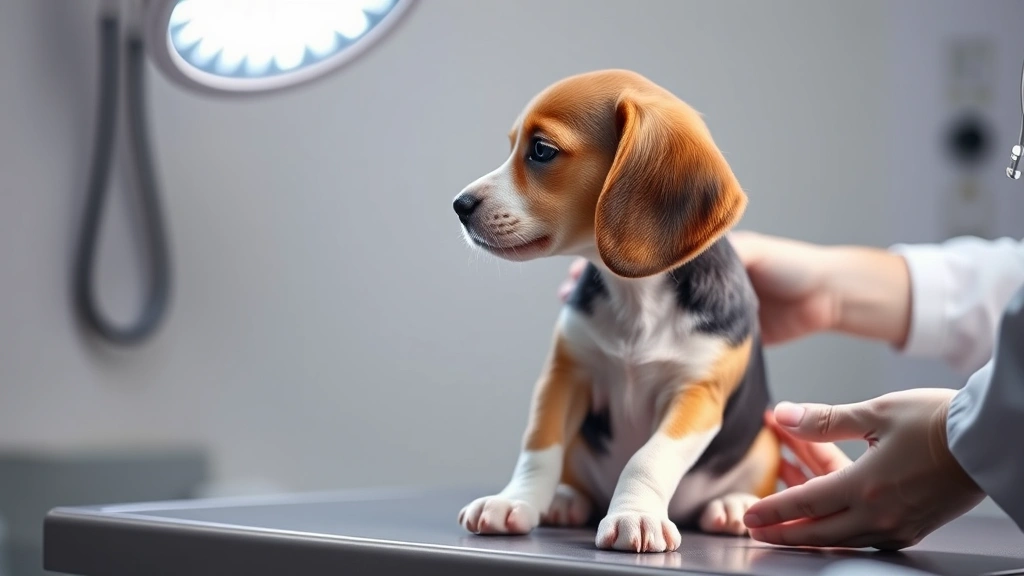
If your normally affectionate puppy suddenly doesn’t want their ears touched, this warrants a vet visit. Your puppy’s comfort matters, and treatment can help them feel relief within days.
Sign #6: Behavioral Changes and Irritability
Chronic ear discomfort can make puppies grumpy or unusually irritable. You might notice your puppy is less playful, more withdrawn, or acting out of character. Some puppies become restless, pacing or whining more than usual. These behavioral shifts often reflect the pain and frustration they’re experiencing.
If your puppy’s personality seems off alongside ear symptoms, it’s another reason to reach out to your vet soon.
Sign #7: Loss of Balance or Head Tilting
In more severe cases, infections can spread deeper into the ear and affect balance. If your puppy is tilting their head to one side persistently, stumbling, or seeming dizzy, this is a more urgent sign. While not all ear infections cause these symptoms, they indicate the infection may need prompt attention.
Head tilting combined with other ear infection signs means you should prioritize a vet visit. This is one situation where waiting isn’t ideal.
When to Ask Vet About Puppy Ear Infection: Timing Matters
You don’t need to panic if you spot one or two signs, but don’t wait weeks either. A good rule of thumb: if symptoms persist for more than a few days or are getting worse, schedule a vet appointment. If your puppy is in obvious pain, has discharge, or is running a fever, move that appointment up.
If you are unsure whether your pet needs urgent care, a quick telehealth check-in can give you peace of mind—no appointment needed. Many vets, including those at The Pet Vet, can do a preliminary assessment online and advise whether your puppy needs an in-person exam.
Common Causes Behind Puppy Ear Infections
Understanding what causes ear infections helps you prevent them. Allergies (food or environmental) are a leading culprit, as they trigger inflammation that creates an ideal breeding ground for bacteria and yeast. Moisture trapped in the ear canal—from swimming, baths, or humid weather—is another common factor.
Parasites like ear mites, especially in younger puppies, can also cause infections. Foreign objects like grass seeds or debris lodged in the ear, combined with scratching, can lead to secondary bacterial infections. Your vet can identify the specific cause and help you prevent recurrence.
What Your Vet Will Do During an Exam
When you ask vet about puppy ear infection, expect a thorough evaluation. Your vet will use an otoscope—a special light instrument—to look deep inside the ear canal. They may take a sample of discharge to identify whether the infection is bacterial, yeast-based, or caused by parasites. This helps them recommend the most effective treatment.
Your vet will also ask about your puppy’s history: recent swimming, dietary changes, or previous ear issues. This context helps them create a treatment and prevention plan tailored to your puppy’s needs.
Prevention Tips to Reduce Future Infections
Once your puppy recovers, you can take steps to minimize the risk of another infection:

- Keep ears dry: After baths or swimming, gently dry your puppy’s ears with a soft cloth. Some owners use a cotton ball to absorb excess moisture.
- Check ears weekly: Regular inspections help you catch early signs of trouble. Get your puppy used to ear handling from a young age.
- Manage allergies: Work with your vet to identify and address food or environmental allergies, which often underlie recurrent infections.
- Trim ear hair: If your puppy has hair inside their ears, your vet may recommend gentle trimming to improve air circulation.
- Use preventive ear cleaner: Your vet may suggest a veterinary-approved ear cleaner for weekly use, especially if your puppy is prone to infections.
Related Health Concerns in Puppies
Ear infections sometimes occur alongside other puppy health issues. If your puppy is also experiencing itching elsewhere on their body, you might want to ask vet about puppy skin rash, as allergies can affect multiple areas. Similarly, if your puppy has digestive upset, discussing puppy diarrhea with your vet can reveal underlying allergies or sensitivities contributing to ear problems.
Behavioral issues can also intersect with physical discomfort. If your puppy is having trouble with training or puppy behavior problems, ear pain might be a factor. Your vet can help you see the full picture.
For cat owners, it’s worth noting that cats can also develop ear infections, and the signs are similar—scratching, odor, and discharge. If you have multiple pets, understanding these signs helps you care for all of them.
The Importance of Early Intervention
Ear infections don’t usually resolve on their own in puppies. Without treatment, they can become chronic, painful, and even lead to permanent hearing loss or more serious complications. The silver lining? Early treatment is highly effective and can prevent these outcomes entirely.
Your proactive approach to your puppy’s health sets the foundation for a lifetime of wellness. By staying alert to these seven signs and reaching out to your vet promptly, you’re already doing a great job.
Frequently Asked Questions
Can I treat my puppy’s ear infection at home?
While you can keep ears clean and dry, infections require professional diagnosis and treatment. Your vet needs to identify the cause to recommend the right approach, so a vet visit is essential.
How long does it take for an ear infection to clear up?
Most ear infections improve within 1-2 weeks of starting treatment, though some may take longer depending on severity. Your vet will let you know what to expect.
Are ear infections contagious between puppies?
Bacterial or yeast infections are not typically contagious, but parasitic ear mites can spread. Your vet will clarify the cause and advise on precautions if needed.
Will my puppy’s ear infection come back?
Some puppies are prone to recurrent infections, especially if they have allergies. Working with your vet on prevention strategies significantly reduces the risk of future episodes.
Should I be worried if my puppy has an ear infection?
While ear infections are common and treatable, prompt attention prevents complications. Most puppies recover quickly with proper care, so early action is your best defense.
What To Do Now
- Examine your puppy’s ears: Look for redness, discharge, odor, or debris. Note any behavioral changes or excessive scratching you’ve observed over the past few days.
- Schedule a vet appointment: Contact your regular veterinarian or use The Pet Vet’s telehealth service for a quick assessment if you’re unsure about urgency.
- Avoid home remedies: Don’t use over-the-counter ear drops or hydrogen peroxide without vet guidance, as these can worsen certain infections.
- Keep a symptom diary: Note when scratching is worst, any discharge changes, and your puppy’s overall mood. This info helps your vet make a faster diagnosis.
- Ask your vet about prevention: Once treated, discuss long-term strategies—like ear cleaning frequency, allergy management, or breed-specific care—to prevent recurrence.
Summary
When you notice your puppy scratching excessively, shaking their head, or showing any of the seven signs above, it’s time to ask vet about puppy ear infection. These common infections are treatable when caught early, and your vet is your best partner in keeping your puppy comfortable and healthy. Don’t delay—reach out to your veterinarian today, and your puppy will be on the path to relief. Remember, you know your puppy best, and trusting your instincts about their health is always the right call.