
If your puppy won’t stop scratching, biting at their skin, or licking their paws raw, it’s time to ask vet about puppy itching—because constant scratching is your pup’s way of telling you something isn’t right. Watching your furry friend struggle with itchiness can be heartbreaking, especially when you’re not sure what’s causing it or how to help.
Table of Contents
- Why Your Puppy Is Itching: Common Culprits
- When to Ask Your Vet About Puppy Itching Right Away
- Understanding Dog Skin Allergies and Itching
- Relief Solution #1: Regular Flea and Parasite Prevention
- Relief Solution #2: Soothing Baths and Proper Grooming
- Relief Solution #3: Hydration and Moisture Management
- Relief Solution #4: Dietary Adjustments and Food Allergies
- Relief Solution #5: Environmental Control and Allergen Reduction
- Relief Solution #6: Supplements and Skin Support
- Relief Solution #7: Stress Reduction and Behavioral Support
- How to Talk to Your Vet About Puppy Itching
- What to Do Now: Your Action Plan
- Summary: Getting Your Puppy Relief
- Frequently Asked Questions
This article is for informational purposes only and is not a substitute for professional veterinary advice. Always consult a licensed veterinarian for diagnosis and treatment.
The good news? Puppy itching is incredibly common, and most causes are manageable once you identify the root. Whether it’s allergies, parasites, dry skin, or something else entirely, your vet has the tools and expertise to pinpoint what’s bothering your pup and recommend the right relief strategy.
Why Your Puppy Is Itching: Common Culprits
Puppy itching can stem from several different sources, and understanding these causes helps you communicate better with your vet. The most frequent offenders include fleas and other parasites, environmental or food allergies, dry or sensitive skin, ear infections, and even stress or anxiety.
Parasites like fleas are sneaky—even indoor puppies can pick them up. Environmental allergies to pollen, dust, or mold often show up as itchy skin or paw licking. Food allergies, while less common than environmental ones, can trigger persistent scratching too.
Catching this early puts you in a great position to help your puppy feel better faster.
When to Ask Your Vet About Puppy Itching Right Away
Some signs warrant an urgent conversation with your vet. If your puppy is scratching so intensely that they’re breaking the skin, developing hot spots, or showing signs of hair loss, don’t wait. Excessive scratching can quickly lead to secondary infections that make the problem worse.
Other red flags include:
- Redness, swelling, or oozing skin
- Foul odor coming from the skin or ears
- Lethargy or loss of appetite alongside itching
- Itching that suddenly worsens or spreads
- Signs of discomfort that interfere with sleep or play
If any of these apply, check for dog skin allergies emergency signs and reach out to your vet promptly.
Understanding Dog Skin Allergies and Itching
Allergies are one of the top reasons puppies itch, and they come in two main flavors: environmental and food-based. Environmental allergies develop when your pup’s immune system overreacts to things like grass pollen, mold spores, or dust mites. Food allergies, on the other hand, are triggered by specific ingredients in their diet.
The tricky part? Both types can cause the same itchy symptoms. Your vet will help you narrow down which type your puppy has through observation, elimination diets, or allergy testing. Learn more about dog skin allergies symptoms to better recognize what you’re dealing with.
The good news is that once you identify the allergen, managing your puppy’s itching becomes much easier.
Relief Solution #1: Regular Flea and Parasite Prevention
Before exploring other causes, your vet will likely rule out parasites first. Fleas are the number-one culprit behind puppy itching, and even a single flea bite can drive some pups crazy. The solution? Consistent, year-round flea prevention.
Modern flea prevention comes in several forms—topical treatments, oral medications, and collars—and your vet will recommend the safest option for your puppy’s age and weight. Don’t skip this step, because parasites can multiply quickly and cause serious health problems beyond just itching.
Ask your vet which prevention method works best for your puppy’s lifestyle and any sensitivities they might have.
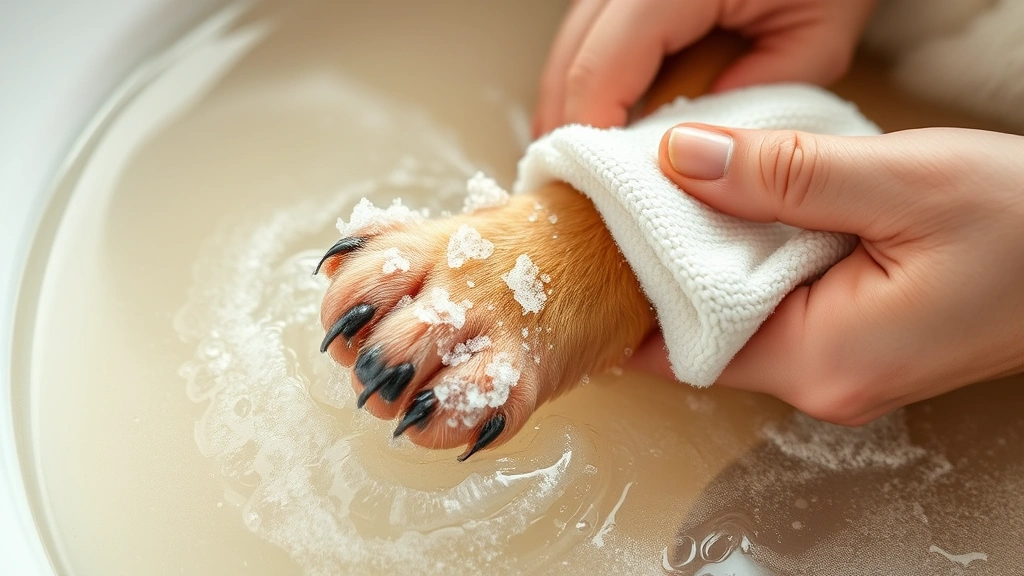
Relief Solution #2: Soothing Baths and Proper Grooming
A gentle, lukewarm bath with a soothing, vet-approved shampoo can provide immediate relief. Oatmeal-based or hypoallergenic shampoos are often recommended because they calm irritated skin without harsh chemicals.
Here’s how to make bath time therapeutic:
- Use lukewarm water—never hot, which can dry skin further
- Massage the shampoo gently into the coat for 5–10 minutes
- Rinse thoroughly to remove all soap residue
- Pat dry gently (avoid vigorous rubbing)
- Consider a leave-in conditioner or skin spray if your vet recommends one
Regular grooming also helps you spot skin issues early and keeps the coat healthy. Ask your vet how often your puppy should bathe based on their skin condition.
Relief Solution #3: Hydration and Moisture Management
Dry skin is a silent itch trigger that many pet owners overlook. Puppies with dry skin benefit from increased hydration—both internally and externally. Make sure your pup always has access to fresh water, and ask your vet about adding moisture-rich foods to their diet.
Externally, humidifiers in your home can help, especially during dry winter months. Some vets also recommend fish oil or omega-3 supplements to support skin health from the inside out. Your vet can suggest the right supplement and dosage for your puppy’s needs.
Moisturizing the skin regularly can dramatically reduce itching and improve coat quality.
Relief Solution #4: Dietary Adjustments and Food Allergies
If your vet suspects a food allergy, an elimination diet may be recommended. This involves feeding your puppy a limited ingredient diet for 8–12 weeks to see if symptoms improve. Once the itching resolves, ingredients are reintroduced one at a time to identify the culprit.
Common food allergens in puppies include chicken, beef, dairy, and grains. Your vet might recommend a prescription diet or a high-quality limited ingredient food while you’re investigating. Keep a food diary to track any changes in itching alongside dietary changes.
Dietary management is often one of the most effective long-term solutions for food-related itching.
Relief Solution #5: Environmental Control and Allergen Reduction
If environmental allergies are the culprit, reducing your puppy’s exposure to allergens makes a real difference. This might mean wiping paws after outdoor time, using air filters indoors, or limiting time outside during high pollen seasons.
Small changes add up:
- Wash bedding weekly in hot water
- Use HEPA air filters in your home
- Wipe your puppy’s paws and face after walks
- Consider keeping your pup indoors during peak pollen times
- Vacuum frequently to reduce dust and allergens
Your vet can also discuss whether allergy shots or other immunotherapy options might help your puppy long-term.
Relief Solution #6: Supplements and Skin Support
Many vets recommend supplements to support skin health and reduce inflammation. Omega-3 fatty acids, probiotics, and antioxidants can all play a role in calming itchy skin. These work best as part of a comprehensive approach, not as a standalone fix.
Always ask your vet before starting any supplement, as some may interact with medications or not be appropriate for your puppy’s age. Your vet can recommend specific brands and formulations that are safe and effective.

Supplements take time to work—usually 4–8 weeks—so patience is key.
Relief Solution #7: Stress Reduction and Behavioral Support
Stress and anxiety can actually trigger or worsen itching in puppies. A puppy that’s anxious or bored may lick and scratch more frequently. Providing plenty of mental stimulation, exercise, and a calm environment helps reduce stress-related itching.
Interactive toys, training sessions, and regular playtime keep your puppy’s mind engaged. If anxiety seems to be a factor, talk to your vet about dog anxiety to explore behavioral strategies or other support options.
A happy, relaxed puppy is less likely to engage in excessive scratching.
How to Talk to Your Vet About Puppy Itching
When you reach out to ask vet about puppy itching, come prepared with details. Describe when the itching started, where on the body it’s worst, whether it’s seasonal or year-round, and any other symptoms you’ve noticed (like ear odor or hair loss).
Bring a list of your puppy’s current diet, any recent environmental changes, and a photo or video of the itching if possible. This information helps your vet narrow down the diagnosis quickly. If you’re unsure whether your pet needs urgent care, a quick telehealth check-in can give you peace of mind—no appointment needed.
The more details you provide, the faster your vet can help your puppy feel better.
What to Do Now: Your Action Plan
- Schedule a vet visit or telehealth consultation – Describe your puppy’s itching symptoms in detail and ask about the most likely causes based on your pup’s age, diet, and environment.
- Review flea and parasite prevention – Confirm your puppy is on an appropriate, year-round prevention plan recommended by your vet.
- Document the itching pattern – Note when itching is worst, which body parts are affected, and any triggers you notice (like after meals or outdoor time).
- Start with simple relief measures – Begin soothing baths with vet-approved shampoo and environmental allergen reduction while awaiting further guidance.
- Follow your vet’s diagnostic plan – Whether that’s an elimination diet, allergy testing, or medication, stick with the recommended approach and report back on changes.
Summary: Getting Your Puppy Relief
Puppy itching is frustrating for both you and your pup, but it’s absolutely treatable once you identify the cause. By asking your vet about puppy itching and working through a systematic approach—ruling out parasites, investigating allergies, and implementing relief solutions—you’ll get your furry friend back to comfortable, happy play in no time.
Remember, the sooner you address the itching, the sooner your puppy can stop scratching and start thriving. Your vet is your best partner in this journey, so don’t hesitate to reach out with questions or concerns along the way.
Frequently Asked Questions
How long does it take to figure out why my puppy is itching?
It typically takes 1–4 weeks for your vet to identify the cause through observation and basic testing. If an elimination diet is needed, it may take 8–12 weeks to pinpoint a food allergy.
Can I use over-the-counter itch relief for my puppy?
Some over-the-counter products are safe, but always ask your vet first to ensure they’re appropriate for your puppy’s age and condition. Your vet may recommend specific products or prescribe something more targeted.
Is puppy itching ever an emergency?
If your puppy is scratching so hard they’re bleeding, showing signs of infection, or itching alongside other severe symptoms, contact your vet immediately or seek emergency care.
Can stress cause puppy itching?
Yes, stress and anxiety can trigger or worsen itching. Providing mental stimulation, exercise, and a calm environment helps reduce stress-related scratching.
Should I bathe my itchy puppy more often?
More frequent baths with soothing shampoo can help, but ask your vet for guidance. Too-frequent bathing can sometimes dry skin further, so your vet will recommend the ideal schedule for your puppy.
External authoritative sources: PetMD and AVMA provide additional information on skin health and allergies in puppies.