
When your puppy starts vomiting, it’s natural to feel worried—and asking your vet about puppy vomiting is absolutely the right first step. Vomiting in puppies can range from something minor to something that needs immediate attention, which is why getting professional guidance matters so much.
Table of Contents
- Why Puppy Vomiting Happens: Understanding the Root Causes
- When to Ask Your Vet About Puppy Vomiting Right Away
- Common Medications Vets May Recommend for Puppy Vomiting
- How to Prepare for Your Vet Conversation
- Diagnostic Tests Your Vet Might Recommend
- Nutrition and Feeding Tips While Your Puppy Recovers
- Related Symptoms to Monitor and Report
- Telehealth Options for Quick Guidance
- Recovery Timeline and What to Expect
- Frequently Asked Questions
- What To Do Now
- Summary: Taking Action on Puppy Vomiting
This article is for informational purposes only and is not a substitute for professional veterinary advice. Always consult a licensed veterinarian for diagnosis and treatment.
Why Puppy Vomiting Happens: Understanding the Root Causes
Puppies vomit for many different reasons, and not all of them are serious. Your puppy might be experiencing an upset stomach from eating too quickly, switching foods suddenly, or exploring something they shouldn’t have. Other times, vomiting can signal an underlying health issue that needs veterinary care.
The key is understanding the pattern. Is your puppy vomiting once and then acting normally? Or is it happening repeatedly throughout the day? This information is crucial when you talk to your vet about what’s happening.
When to Ask Your Vet About Puppy Vomiting Right Away
Some situations require urgent veterinary attention. If your puppy is vomiting repeatedly, showing signs of severe dehydration, or if the vomit contains blood, contact your vet immediately. Puppies can dehydrate quickly, and prolonged vomiting can become dangerous fast.
Additionally, if your puppy seems lethargic, won’t eat, or is in obvious pain, don’t wait. These symptoms suggest something more serious is going on. Catching this early puts you in a great position to help your puppy recover quickly.
Common Medications Vets May Recommend for Puppy Vomiting
When you ask your vet about puppy vomiting, they may discuss several medication options depending on the underlying cause. Here are seven categories of medications your vet might consider:
- Anti-nausea medications: These help reduce the urge to vomit and allow your puppy’s stomach to settle.
- Antacids: If acid reflux is contributing to vomiting, these can provide relief.
- Probiotics: These support healthy gut bacteria and digestive balance.
- Digestive enzymes: They help break down food more effectively.
- Antibiotics: If a bacterial infection is causing the vomiting, your vet may prescribe these.
- Antiparasitic medications: Parasites are common in puppies and can trigger vomiting.
- Prescription diet supplements: These are specially formulated to be gentle on upset stomachs.
Your vet will choose medications based on what’s actually causing your puppy’s vomiting, not just to treat the symptom itself.
How to Prepare for Your Vet Conversation
Before you ask your vet about puppy vomiting, gather some information. Note when the vomiting started, how often it’s happening, and what the vomit looks like. Is your puppy eating normally? Are they drinking water? Have you recently changed their food?
This information helps your vet narrow down the cause much faster. Bring a list of questions you want to ask, and don’t hesitate to ask about side effects or how long treatment might take.
Diagnostic Tests Your Vet Might Recommend
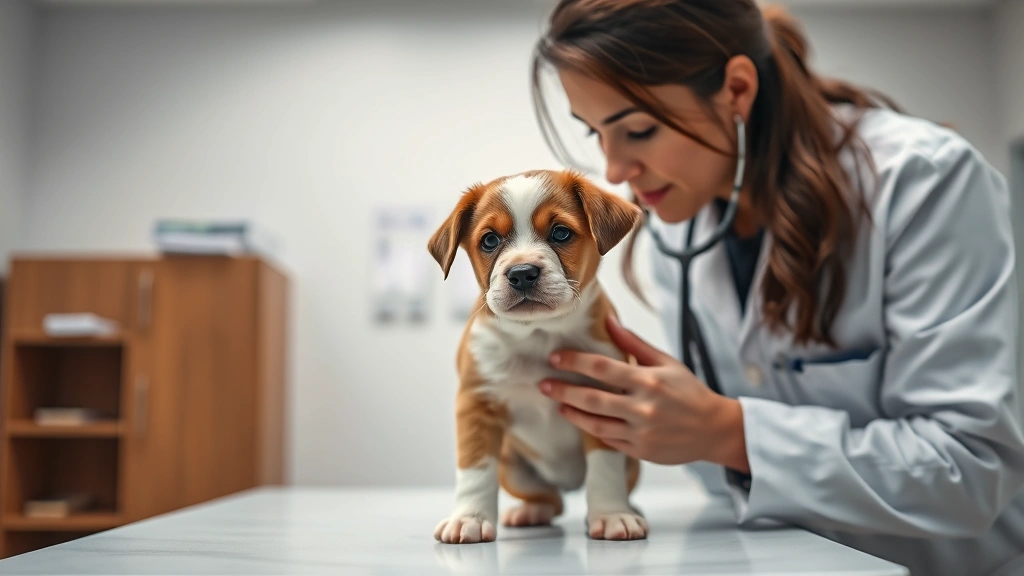
Sometimes your vet needs more information before prescribing medication. They might recommend blood work, stool samples, or imaging to understand what’s causing the vomiting. These tests aren’t meant to alarm you—they’re tools to find the real problem so treatment can be effective.
Think of diagnostics as your vet’s way of being thorough. A puppy that vomits from eating too fast needs different treatment than one with a parasitic infection, so getting clarity is important.
Nutrition and Feeding Tips While Your Puppy Recovers
While medication works, feeding strategy matters too. Your vet may recommend smaller, more frequent meals instead of one or two large ones. Some puppies do better with bland, easily digestible foods temporarily.
Always follow your vet’s specific feeding recommendations. If you’re unsure about portion sizes or meal timing, refer back to our guide on age-appropriate feeding frequency for puppies, or ask your vet directly.
Related Symptoms to Monitor and Report
Vomiting rarely happens in isolation. Your puppy might also experience diarrhea, loss of appetite, or lethargy. If your puppy is also dealing with diarrhea, our article on talking to a vet about puppy diarrhea online has helpful insights.
Similarly, if your puppy seems unusually tired or won’t eat, these could be connected issues. Puppy lethargy alongside vomiting deserves veterinary attention. Keep your vet informed about all symptoms your puppy is showing.
Telehealth Options for Quick Guidance
If you’re unsure whether your pet needs urgent care, a quick telehealth check-in can give you peace of mind—no appointment needed. The Pet Vet’s online platform lets you connect with a licensed veterinarian from home, describe what’s happening with your puppy, and get professional guidance quickly.
Telehealth is especially helpful for after-hours concerns or when you want a second opinion before bringing your puppy in for a physical exam. Many vets can assess whether your puppy needs emergency care or if home monitoring is appropriate.
Recovery Timeline and What to Expect
Recovery time depends on what caused the vomiting. A puppy with a simple stomach upset might improve within 24-48 hours. Those with infections or parasites may need longer, especially if medication is involved.
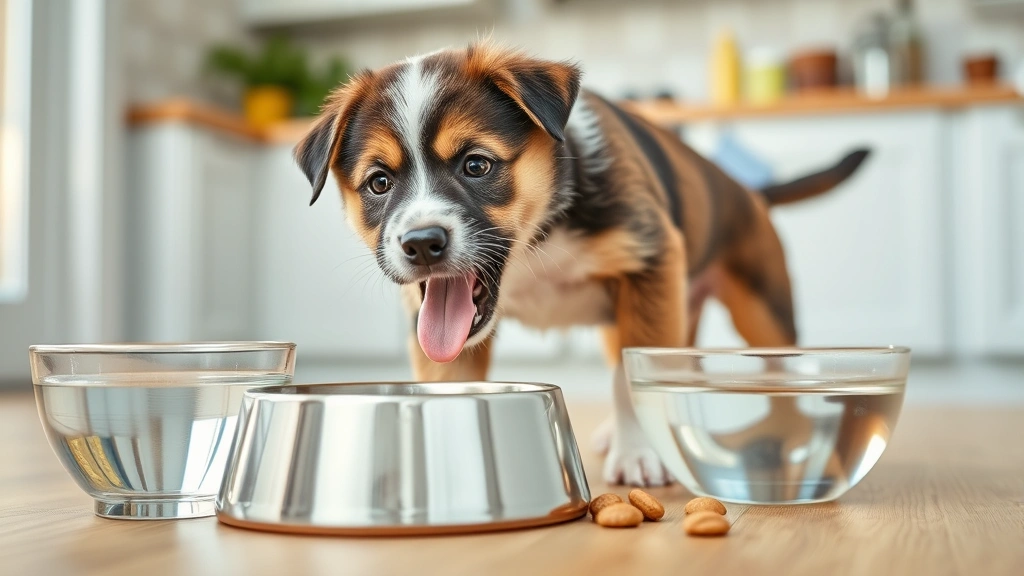
Your vet will give you a timeline based on your puppy’s specific situation. Be patient with the process, and report back to your vet if improvement isn’t happening as expected.
Frequently Asked Questions
Is puppy vomiting always an emergency?
Not always, but repeated vomiting, blood in vomit, or vomiting paired with lethargy does warrant urgent care. When in doubt, contact your vet.
Can I treat my puppy’s vomiting at home without medication?
Minor cases might resolve with rest and dietary changes, but your vet should evaluate your puppy first to rule out serious causes.
How long does it take for anti-nausea medication to work?
Most puppies show improvement within a few hours to a day, but this varies based on the medication and underlying cause.
What should I feed my puppy after vomiting?
Ask your vet for specific recommendations, but bland, easily digestible foods are often suggested during recovery.
Can parasites cause vomiting in puppies?
Yes, parasites are a common cause of vomiting in puppies, which is why your vet may recommend antiparasitic medication.
What To Do Now
- Document your puppy’s vomiting: Note the time, frequency, appearance, and any other symptoms you’ve noticed.
- Schedule a vet appointment or telehealth consultation: Don’t delay in getting professional eyes on your puppy’s situation.
- Prepare a list of questions: Write down what you want to ask your vet about medications, diet changes, and recovery expectations.
- Keep your puppy hydrated: Offer small amounts of water frequently unless your vet advises otherwise.
- Follow medication instructions carefully: Once your vet prescribes treatment, stick to the schedule and dosing they recommend.
Summary: Taking Action on Puppy Vomiting
When you ask your vet about puppy vomiting, you’re doing exactly what your puppy needs. Vomiting can stem from many causes—some simple, some serious—and professional evaluation is the only way to know for sure. Your vet will likely recommend medications tailored to the root cause, whether that’s an upset stomach, infection, parasite, or something else entirely.
Don’t hesitate to reach out to your veterinarian with concerns, and remember that telehealth options like The Pet Vet make it easier to get guidance quickly. Your puppy is counting on you to be their advocate, and getting professional help is always the right call.