

Dog Gastrointestinal Issues: 7 Proven Medications for Puppies
Your puppy’s digestive troubles don’t have to mean endless worry. Here’s what causes dog gastrointestinal issues in young pets and how to help them feel better.

Your puppy’s digestive troubles don’t have to mean endless worry. Here’s what causes dog gastrointestinal issues in young pets and how to help them feel better.

Why older dogs are more prone to vomiting, diarrhea, and constipation, the conditions vets look for, and how to support digestion as dogs age.

Your dog’s stomach upset after vaccination might worry you, but it’s usually temporary. Here’s what vets say helps most.

Your dog’s stomach troubles might be minor—or a sign they need urgent care. Learn exactly when to call the vet and what symptoms demand immediate attention.

Your dog’s digestive troubles might clear up faster than you think. Here’s what affects gastrointestinal issues recovery time and how to help.

What chronic vomiting or diarrhea can mean in dogs, how vets find the cause, why diet trials come first, and what affects long-term outlook.

Your dog’s upset stomach might be minor or serious. Learn the four stages of gastrointestinal issues and when to call the vet immediately.
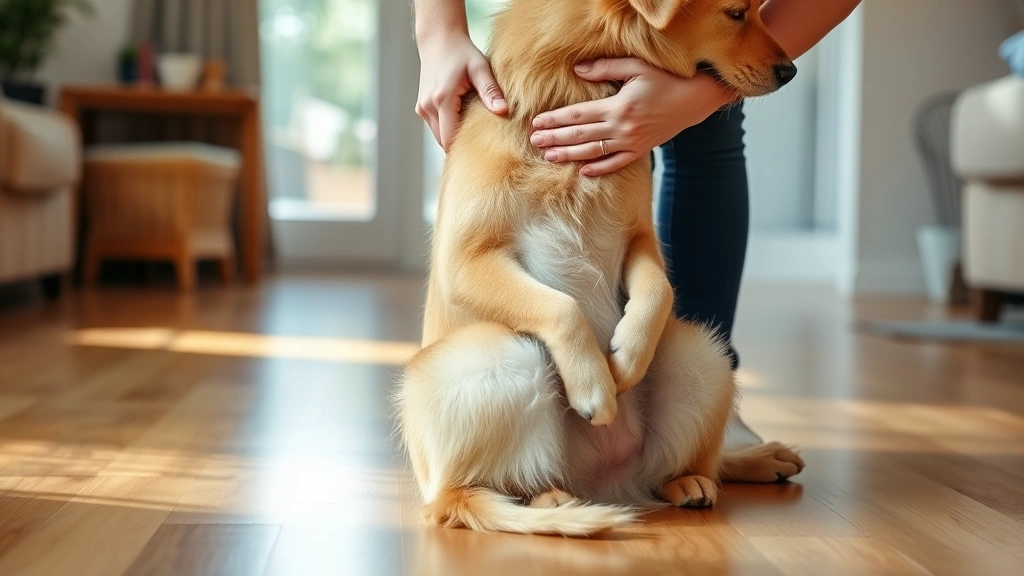
The stomach and intestinal signs in dogs that need emergency care, including bloat, blockages, bloody diarrhea, and poisoning.
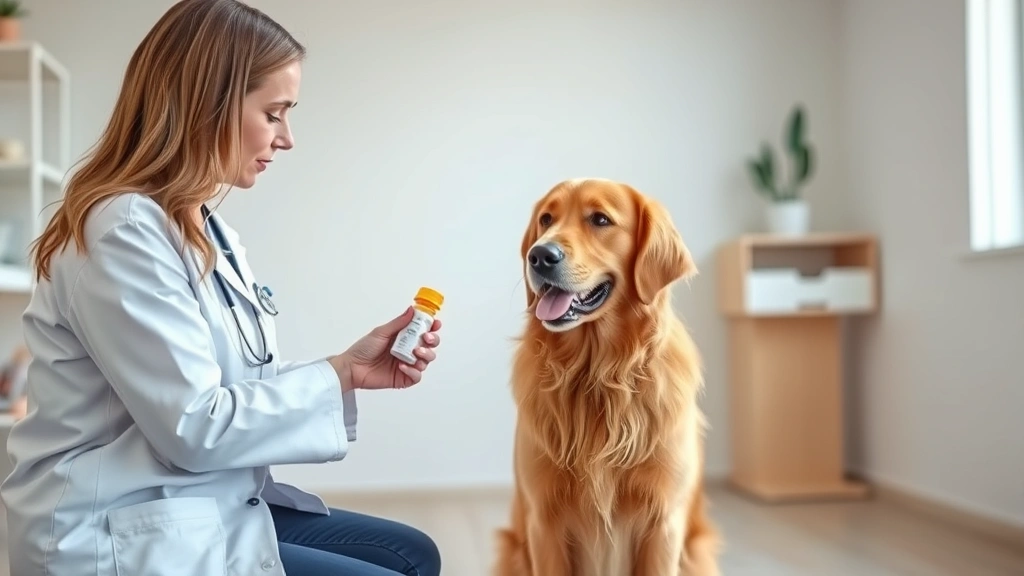
Your dog’s digestive troubles don’t have to be a guessing game. Learn how vets determine safe medication dosages and what you need to know.

Which foods commonly cause vomiting, diarrhea, or pancreatitis in dogs, which are toxic, and how to change diets without upsetting the stomach.