
Finding out your dog may have brain tumors in dogs is one of the scariest conversations you can have with a vet. If your furry companion has been showing unusual neurological symptoms, you’re probably worried, confused, and looking for answers. This guide will walk you through what you need to know about brain tumors in dogs, how veterinarians approach treatment, and what supportive medications may help your pup feel more comfortable during this challenging time.
Table of Contents
- Understanding Brain Tumors in Dogs
- Common Signs Your Dog May Be Experiencing Brain Tumors
- How Veterinarians Diagnose Brain Tumors
- Medication Options for Managing Brain Tumors in Dogs
- Supporting Your Dog With Anti-Nausea and Comfort Medications
- Chemotherapy and Other Treatment Approaches
- Nutrition and Supportive Care for Dogs With Brain Tumors
- Managing Secondary Complications
- When to Seek Emergency Care
- Quality of Life Considerations
- Frequently Asked Questions
- What To Do Now
- Summary: Supporting Your Dog Through Brain Tumor Diagnosis
This article is for informational purposes only and is not a substitute for professional veterinary advice. Always consult a licensed veterinarian for diagnosis and treatment.
Understanding Brain Tumors in Dogs
Brain tumors in dogs occur when abnormal cells grow in the brain tissue. These tumors can originate in the brain (primary tumors) or spread from cancer elsewhere in the body (secondary tumors). The incidence increases with age, making senior dogs more vulnerable to this condition.

Some tumors grow slowly, while others progress rapidly. The location and size of the tumor largely determine which symptoms your dog may experience. Understanding the basics helps you recognize warning signs early and seek prompt veterinary care.
Common Signs Your Dog May Be Experiencing Brain Tumors
Recognizing symptoms early can make a real difference in your dog’s quality of life. Brain tumors can cause a variety of neurological signs that may seem subtle at first. Here are the most common indicators:

- Seizures: These are among the most frequent symptoms and can range from mild to severe.
- Behavioral changes: Your dog may seem confused, anxious, or uncharacteristically aggressive.
- Loss of balance and coordination: Stumbling, tilting the head, or circling may indicate a problem.
- Vision problems: Your pup might bump into furniture or struggle to navigate familiar spaces.
- Lethargy and depression: A sudden lack of interest in activities they once loved is telling.
- Appetite changes: Some dogs lose interest in food, while others become obsessive eaters.
- Excessive vocalization: Unusual barking, whining, or howling can signal discomfort or confusion.
Catching these signs early puts you in a great position to help your dog. If you’ve noticed any of these symptoms, scheduling a veterinary appointment should be your next step.
How Veterinarians Diagnose Brain Tumors
Diagnosis typically begins with a thorough neurological examination. Your vet will test your dog’s reflexes, balance, and mental awareness to pinpoint where the problem may be located.

Advanced imaging like MRI or CT scans provides the clearest picture of what’s happening inside your dog’s brain. These tools allow veterinarians to see tumor size, location, and whether it’s affecting surrounding tissue. A cerebrospinal fluid analysis may also be performed to rule out other conditions like infections or inflammation.
Once a diagnosis is confirmed, your veterinary team can discuss treatment options tailored to your dog’s specific situation and your family’s goals.

Medication Options for Managing Brain Tumors in Dogs
While there is no cure for most brain tumors, medications play a crucial role in managing symptoms and improving quality of life. Your veterinarian will recommend specific medications based on your dog’s symptoms and overall health.
Anti-seizure medications are often the first line of defense if seizures are occurring. These help control abnormal electrical activity in the brain and can significantly reduce seizure frequency and severity. Many dogs respond well to these medications when started early.
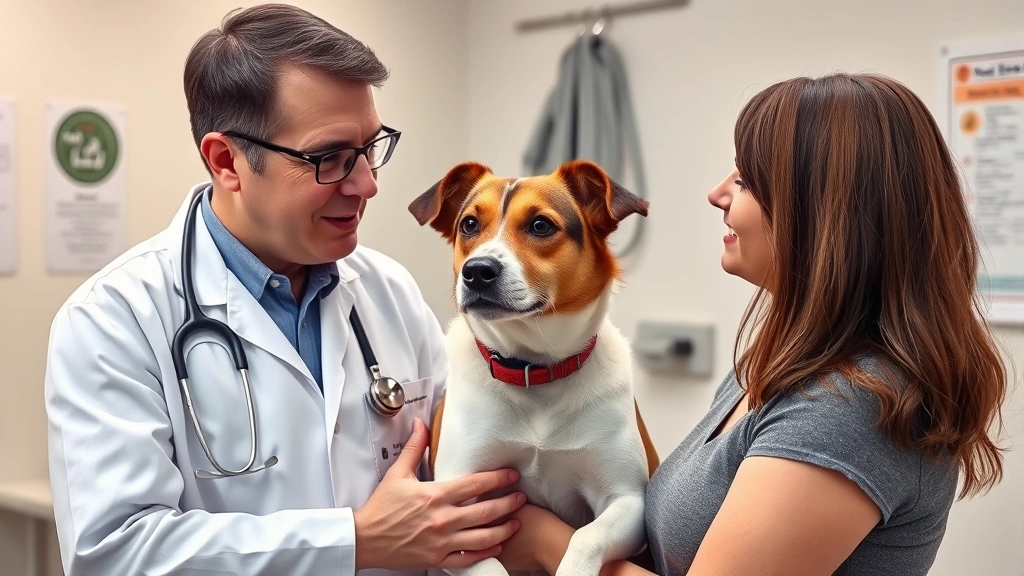
Anti-inflammatory medications may reduce swelling around the tumor, which can alleviate some neurological symptoms. This swelling, called cerebral edema, often causes much of the discomfort and confusion associated with brain tumors.
Pain management medications help keep your dog comfortable if they’re experiencing headaches or other discomfort. A comfortable dog is often more alert and engaged with their family.

Corticosteroids can reduce inflammation and swelling in the brain. These are typically used short-term because long-term use carries risks. Your vet will monitor your dog closely if these are prescribed.
Supporting Your Dog With Anti-Nausea and Comfort Medications
Brain tumors and their treatments can trigger nausea and vomiting in some dogs. When your pup isn’t feeling well, they eat less and lose strength faster. Dog anti-nausea medication can help restore appetite and keep your companion properly nourished during treatment.

Additionally, if your dog develops a fever as a secondary symptom, a pet fever reducer recommended by your vet can provide relief and help them feel more like themselves. Always follow your veterinarian’s guidance on which medications are appropriate for your individual dog.
Chemotherapy and Other Treatment Approaches
For some dogs, chemotherapy may be recommended alongside supportive medications. Chemotherapy can slow tumor growth and extend quality time with your beloved pet. However, it’s not right for every dog or every situation.

Radiation therapy is another option that may be available through specialty veterinary centers. These advanced treatments are often combined with medication management to provide the best possible outcome. Your veterinarian will discuss the benefits and potential side effects of each approach.
Many pet owners find that focusing on comfort and quality of life—rather than aggressive treatment—aligns better with their dog’s needs and their family’s values. There’s no single “right” answer; it’s about what works best for your situation.

Nutrition and Supportive Care for Dogs With Brain Tumors
Proper nutrition becomes even more important when your dog is dealing with a serious health condition. A high-quality, easily digestible diet helps maintain strength and supports overall wellness. Some dogs benefit from smaller, more frequent meals if appetite is affected.
Maintaining a healthy weight is also important, as obesity can strain the body during illness. If your dog’s appetite or eating patterns have changed, discuss weight-appropriate portion timing with your vet to ensure they’re getting the nutrition they need.

Beyond food, gentle exercise, a calm environment, and consistent routines help dogs feel secure and comfortable. Mental stimulation through play and interaction (at whatever level your dog can manage) supports emotional well-being too.
Managing Secondary Complications
Dogs with brain tumors sometimes develop secondary health issues that need attention. Conditions like pancreatitis in dogs or liver failure in dogs can develop as a result of medications or the tumor itself. Regular veterinary check-ups help catch these complications early.

Blood work and physical exams allow your vet to monitor your dog’s organ function and adjust medications as needed. This proactive approach helps prevent additional suffering and keeps your pup as healthy as possible under the circumstances.
When to Seek Emergency Care
Certain symptoms require immediate veterinary attention. If your dog experiences severe, uncontrollable seizures, sudden paralysis, loss of consciousness, or signs of extreme distress, don’t wait—seek emergency care right away.

Status epilepticus (prolonged or repeated seizures without recovery) is a medical emergency that can be life-threatening. If you’re unsure whether your pet needs urgent care, a quick telehealth check-in with The Pet Vet can give you peace of mind—no appointment needed. Our veterinarians can help you decide whether your dog should be seen in person or if home monitoring is appropriate.
Quality of Life Considerations
As your dog’s condition progresses, quality of life becomes the central focus of care. Many pet owners work with their veterinarian to create a comfort plan that prioritizes their dog’s happiness and dignity.

Ask yourself: Is my dog eating and drinking? Are they having more good days than bad? Can they still enjoy the activities they love? These questions help guide treatment decisions and ensure your dog isn’t suffering unnecessarily.
It’s okay to adjust your approach as your dog’s needs change. Your veterinary team is there to support you through every stage of this journey, offering both medical expertise and compassionate guidance.
Frequently Asked Questions
Can brain tumors in dogs be cured?
Most brain tumors in dogs cannot be cured, but symptoms can be managed with medication and supportive care to extend quality time together. Some dogs live for months or even years with proper treatment and monitoring.
How long do dogs live after a brain tumor diagnosis?
Survival time varies widely depending on tumor type, size, location, and your dog’s overall health. Some dogs live several months, while others may have a year or more with appropriate care.
Are there side effects to brain tumor medications?
Most medications used to manage brain tumor symptoms have manageable side effects, though individual dogs respond differently. Your vet will monitor your dog closely and adjust medications if needed to minimize discomfort.
Is surgery an option for brain tumors in dogs?
Surgery is rarely recommended for brain tumors in dogs due to the complexity and risk involved. Your veterinarian will discuss whether your dog might be a candidate for this approach based on tumor location and other factors.
What should I do if my dog has seizures from a brain tumor?
Contact your veterinarian immediately to discuss anti-seizure medications. Keep a seizure log noting when they occur, how long they last, and what your dog does during and after—this information helps your vet optimize treatment.
What To Do Now
If you suspect your dog may have a brain tumor or are dealing with a recent diagnosis, here are your next steps:
- Schedule a veterinary appointment: Describe your dog’s symptoms in detail and ask for a neurological examination or advanced imaging if it hasn’t been done yet.
- Keep a symptom diary: Write down when symptoms occur, how severe they are, and how they affect your dog’s daily life. This helps your vet track progression and adjust treatment.
- Discuss medication options: Ask your veterinarian which medications are recommended for your dog’s specific symptoms and what side effects to watch for.
- Plan for follow-up care: Establish a schedule for regular check-ups and blood work to monitor your dog’s health and catch complications early.
- Connect with your vet for guidance: If you need quick answers between appointments or want a second opinion, The Pet Vet telehealth is available to discuss your dog’s care plan and help you feel confident in your decisions.
Summary: Supporting Your Dog Through Brain Tumor Diagnosis
A brain tumor diagnosis is undoubtedly difficult, but you’re not alone in navigating this journey. Modern veterinary medicine offers several medication and treatment options that can help manage symptoms, reduce suffering, and extend quality time with your beloved companion.
The most important thing you can do is work closely with your veterinarian, stay observant of your dog’s changing needs, and prioritize their comfort and happiness above all else. Many dogs with brain tumors continue to enjoy good quality of life for months with proper care and support.
Your dog depends on your love and advocacy. By educating yourself, asking the right questions, and staying engaged with your veterinary team, you’re giving your pup the best possible chance at comfort and well-being during this challenging time.