
Overview
Proper pet feeding during camping trips requires careful pre-planning, including calculating increased caloric needs due to activity, maintaining regular diets to avoid digestive issues, and bringing appropriate portable equipment and storage solutions. Success depends on pre-portioning meals, ensuring adequate hydration, following Leave No Trace principles for cleanup, and adapting your approach based on the type of camping and your pet’s specific needs.
Table of Contents
- Why Feeding Your Pet Well Outdoors Really Matters
- How to Plan Your Pet’s Nutrition Before You Leave
- Portable Feeding Equipment That Actually Works
- Keeping Your Pet Hydrated on the Trail
- How to Store Pet Food Safely in the Wild
- Why Keeping a Feeding Schedule Still Matters Outdoors
- Special Feeding Needs for Different Pets
- Common Camping Feeding Mistakes to Avoid
- What to Do Right Now to Prepare
- Cleanup and Leave No Trace Principles
- Conclusion
Why Feeding Your Pet Well Outdoors Really Matters
If you are planning a camping trip with your pet, it is natural to wonder whether you have thought of everything. Feeding your pet properly in the outdoors is one of the most important things you can get right. With a little preparation, it does not have to be stressful.
This article is for informational purposes only and is not a substitute for professional veterinary advice. Always consult a licensed veterinarian for diagnosis and treatment.
When you are miles from the nearest pet store, meal planning becomes essential. Your pet’s nutritional needs do not change just because you are sleeping under the stars. In fact, extra activity from hiking and exploring may mean they need more calories than usual.
Poor planning can lead to issues like dehydration, digestive upset, or low energy. The good news is that with the right approach, feeding your pet while camping can be simple and enjoyable for both of you.
How to Plan Your Pet’s Nutrition Before You Leave
Start by calculating how much food your pet needs for the entire trip. Then add around 25% extra to account for increased activity. Active dogs on the trail may burn significantly more calories than they do at home.
Stick with your pet’s regular food whenever possible. This is not the time to try new brands or flavours. Sudden dietary changes can lead to digestive problems that are difficult to manage outdoors.
Think about the type of camping you will be doing:
- Car camping allows for heavier, bulkier food options
- Backpacking calls for lightweight, calorie-dense choices
- Multi-day trips need careful portioning to avoid running short
Pre-portion meals into individual servings before you leave home. Resealable bags or small containers work well. This makes feeding time easier and helps you keep track of how much your pet is eating each day.
Portable Feeding Equipment That Actually Works
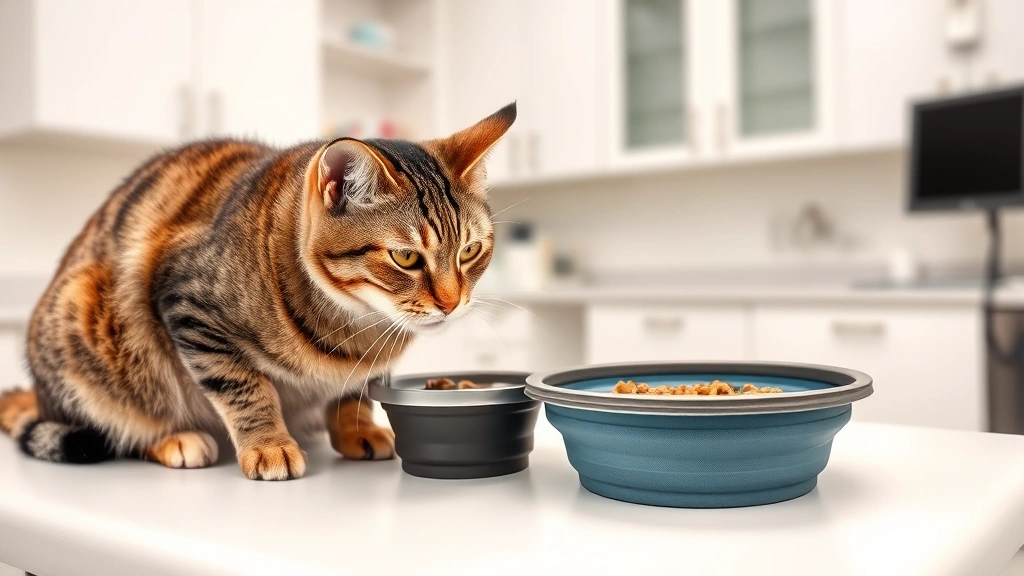
The right gear makes outdoor feeding much easier. Collapsible bowls are a favourite among travelling pet owners. They fold flat, weigh almost nothing, and are easy to clean.
Look for bowls with non-slip bottoms or carabiner clips to keep them stable. Good options include:
- Silicone collapsible bowls with reinforced rims
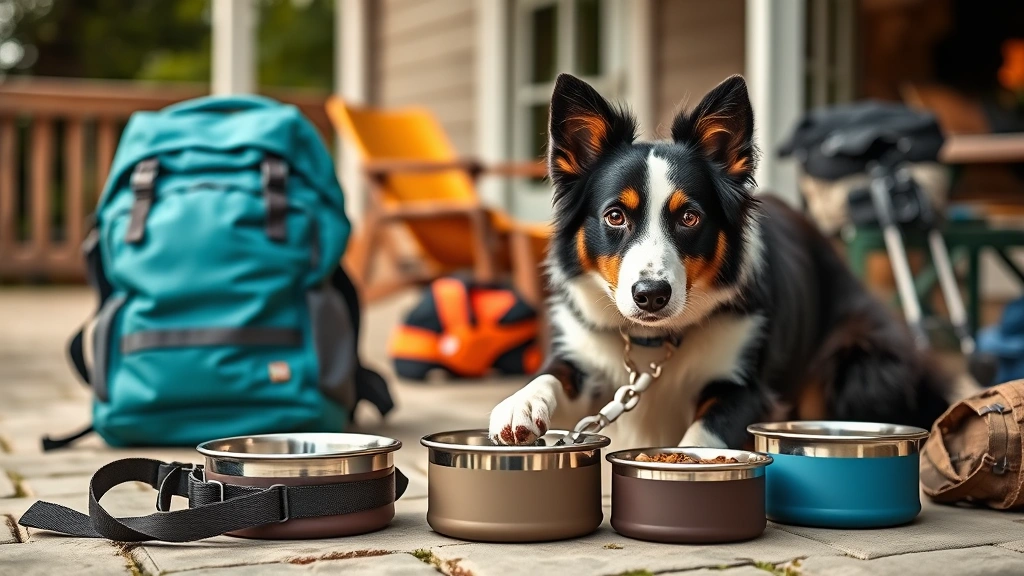
- Stainless steel nesting bowls for durability
- Fabric travel bowls with waterproof linings
- Elevated feeding stations that keep food off the ground
Bring a dedicated water bottle or hydration system just for your pet. Pet-specific bottles often include an attached bowl or a spout designed for easy drinking.
Pack a small plastic mat or towel to place under food bowls. This creates a clean feeding area and makes cleanup much simpler on dirt or sandy ground.
Keeping Your Pet Hydrated on the Trail
Water is the most important part of any outdoor feeding plan. Dehydration can happen quickly, especially with active pets in warm weather.
Carry more water than you think you will need. A helpful guide is roughly one litre per day for every 20 pounds of body weight, with extra for hot weather or high activity. Cats typically need less, but having plenty available encourages them to drink.
Never assume natural water sources are safe. Lakes, streams, and rivers may contain parasites that could cause serious stomach illness in your pet. Even clear-looking water can harbour harmful microorganisms, according to the Centers for Disease Control and Prevention.
To make water safe, you can:
- Use a portable water filter rated for outdoor use
- Use purification tablets
- Boil water for at least one minute before offering it to your pet
Offer water frequently during hikes, not just at mealtimes. Stop regularly to give your pet a chance to drink. Watch for signs that your pet may be becoming dehydrated, such as excessive panting, dry gums, or reduced energy. It is completely normal to feel worried if you notice these signs — catching them early puts you in a great position to help.
If you are unsure whether your pet needs urgent care, a quick telehealth check-in can give you peace of mind — no appointment needed.
How to Store Pet Food Safely in the Wild
Proper food storage protects your supplies from wildlife and prevents spoilage. Bears, raccoons, and other animals are just as attracted to pet food as they are to human food.
In bear country, always store pet food in bear-proof containers or hang it using proper bear bag techniques. Many campgrounds provide bear boxes for this purpose. Never keep food inside your tent, even if it is sealed.
For general food safety:
- Use airtight hard-sided containers for the best protection
- Keep dry food in its original bag, then place it inside a protective container
- Use heavy-duty dry bags for backpacking trips where weight matters
If you are bringing wet food or a raw diet, you will need a reliable cooler with plenty of ice packs. Check the food regularly and discard anything that smells off or feels warm to the touch.
Why Keeping a Feeding Schedule Still Matters Outdoors
Consistency helps your pet’s digestion and energy levels, even when you are far from home. Try to feed your pet at the same times you would at home.
Be thoughtful about timing around activities. Avoid feeding a large meal right before a strenuous hike. This may cause discomfort, and in large, deep-chested breeds, it could increase the risk of bloating.
If your pet is very active during the trip, consider splitting their daily food into three smaller meals. This provides steadier energy and may be easier on their stomach. Pack some small, high-value treats for rewards and recall practice on the trail too.
Special Feeding Needs for Different Pets
Dogs and cats have different needs when camping. Dogs tend to adapt more easily to outdoor eating. Cats often find changes to their routine more unsettling.
For cats, bring familiar bowls and try to create a quiet, sheltered feeding space. A tent or vehicle interior often works better than an open campsite. Cats are more likely to eat when they feel safe and calm.
Pets with health conditions or those on medication need extra attention:
- Set phone reminders so you do not miss medication times
- Bring more medication than you think you will need
- Speak to your vet before the trip about any adjustments needed
Puppies and kittens need more frequent meals than adults — usually three or four times a day. Monitor them closely to make sure they are eating enough despite the excitement of a new environment.
Small dogs and toy breeds can be prone to low blood sugar if they skip meals. Keep a small amount of honey on hand in case of emergency, and consult your vet in advance about what to do if your small dog refuses to eat.
Common Camping Feeding Mistakes to Avoid
Even experienced pet owners can run into trouble outdoors. Being aware of these common pitfalls can save you a lot of stress.
- Do not let your pet graze on wild plants — many are toxic to animals
- Do not let them drink from puddles or stagnant water
- Avoid sharing your camping meals with your pet, no matter how much they beg
- Never leave food bowls out after feeding — this attracts wildlife and insects
- Do not forget a can opener if you are bringing wet food in tins
Some mistakes carry more serious risks:
- Underestimating water needs in hot weather
- Storing food improperly in wildlife areas
- Feeding a large meal immediately before strenuous exercise
- Assuming all natural water is safe to drink
Human camping food — especially things like hot dogs or anything containing onion, garlic, or chocolate — could make your pet unwell. Stick to their regular diet throughout the trip.
What to Do Right Now to Prepare
Here are five practical steps you can take today to make sure your pet is well fed and safe on your camping trip:
- Calculate your pet’s food needs — Work out their usual daily amount, then add 25% extra for increased activity. Write this down so you do not forget.
- Pre-portion all meals before you leave — Divide food into individual servings using resealable bags or small containers, labelled by day and meal.
- Pack a dedicated water supply and filtration method — Bring enough clean water for the trip and a portable filter or purification tablets as a backup.
- Choose the right storage containers — Pick airtight, wildlife-resistant containers suited to the type of camping you are doing.
- Speak to your vet before you go — Mention the trip, your pet’s activity level, and any health conditions. Ask whether any adjustments to feeding or medication are needed.
Cleanup and Leave No Trace Principles
Responsible pet ownership outdoors includes cleaning up properly. The Leave No Trace Center for Outdoor Ethics offers guidelines that apply to pet care as well as human activities.
Dispose of uneaten pet food carefully. Do not leave it on the ground or near water sources. Pack it out in sealed bags or use designated waste bins where available.
When washing bowls, move at least 200 feet away from streams or lakes. Use biodegradable soap sparingly, or just hot water. Scatter any wastewater widely so it filters through the soil.
Pick up all pet waste and follow local regulations for disposal. Where burying is permitted, dig at least six inches deep and keep well away from water sources and trails.
Conclusion
Feeding your pet well while camping comes down to planning ahead, bringing the right equipment, and paying attention to their individual needs. When you prepare thoughtfully, your pet can safely enjoy the outdoors alongside you.
Every pet is different. Pay attention to how yours responds to camping and adjust your approach for future trips. Start with shorter outings to test your systems before building up to longer adventures.
Most importantly, never cut corners on food safety or hydration. A little extra weight in your pack is a small price for the peace of mind that your pet has everything they need to thrive on the trail.
Frequently Asked Questions
How much extra food should I pack for my dog when camping?
Packing around 25–50% more than your dog normally eats at home is a sensible approach, depending on how active they will be. Dogs on long hikes may need considerably more energy than usual, so it is better to have too much than too little.
Can my pet drink from streams and lakes while camping?
It is best to avoid this. Natural water sources may contain parasites and bacteria that could make your pet unwell. Always filter, purify, or boil water before offering it to your dog or cat, or bring sufficient clean water from home.
What is the best type of bowl for camping with pets?
Collapsible silicone bowls are a popular choice because they are lightweight, durable, and pack flat. Look for options with non-slip bases and reinforced rims that stay stable on uneven ground.
Should I switch my pet to a different food for camping?
It is generally best to stick with your pet’s regular food. Sudden dietary changes can cause digestive upset that is difficult to manage while camping. If you are considering a change, speak to your vet well in advance of the trip.
How do I keep wildlife away from my pet’s food while camping?
Store all pet food in airtight, wildlife-resistant containers and never leave bowls out after feeding. In bear country, use bear boxes or hang food using proper bear bag techniques well away from your sleeping area.